

If automated drafts are part of your workflow, the real quality control happens before you hit publish. Knowing how to edit smart writing before publishing a blog post means doing more than correcting grammar. You need to confirm search intent, sharpen the structure, verify facts, and make the piece sound like it came from a real person with experience and judgment. A quick but thoughtful review can turn a rough draft into a helpful article without forcing you to start over.
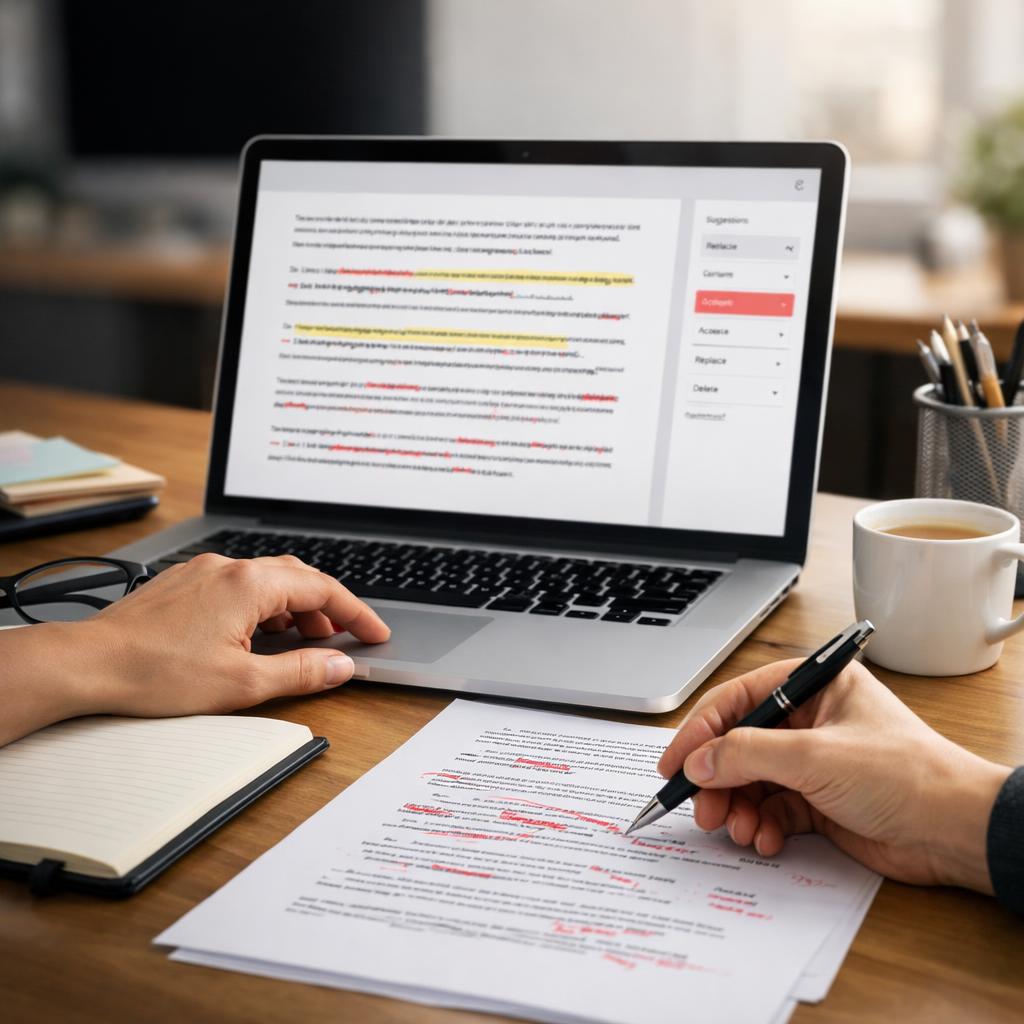
Begin by reading the post like a first-time visitor. Does it answer the keyword early? Does it stay focused? Does it offer practical guidance instead of broad, recycled summary text? Then tighten formatting, improve transitions, and compare the draft to your blog formatting checklist. This process helps you clean up generated blog content before publishing while keeping it readable, relevant, and ready for a final editor review.
Start with search intent, structure, and a human point of view
Before you edit sentences, step back and evaluate the full draft against the keyword, the target reader, and the reason someone would search for the topic in the first place. A strong blog post should satisfy intent quickly, not spend half the article on generic definitions or padded context. If the keyword suggests a practical need, the post should give readers a process, checklist, examples, or warnings near the top. This is also the right time to review headings, combine overlapping sections, and cut anything that pulls attention away from the main topic. If needed, compare the article with your guide to on-page optimization basics so the structure supports both readers and search visibility.
Check whether the draft matches the keyword and reader expectations
Look for a direct answer in the introduction, useful subtopics in the body, and a conclusion that tells the reader what to do next. When the draft feels flat, add a clear human perspective. That could mean a practical warning, a short editing example, or a stronger recommendation about what still needs manual review. This first pass usually saves the most time because it fixes the article at the structural level before you spend energy polishing lines that may not survive the rewrite.
Rewrite weak sections for clarity, accuracy, and brand tone
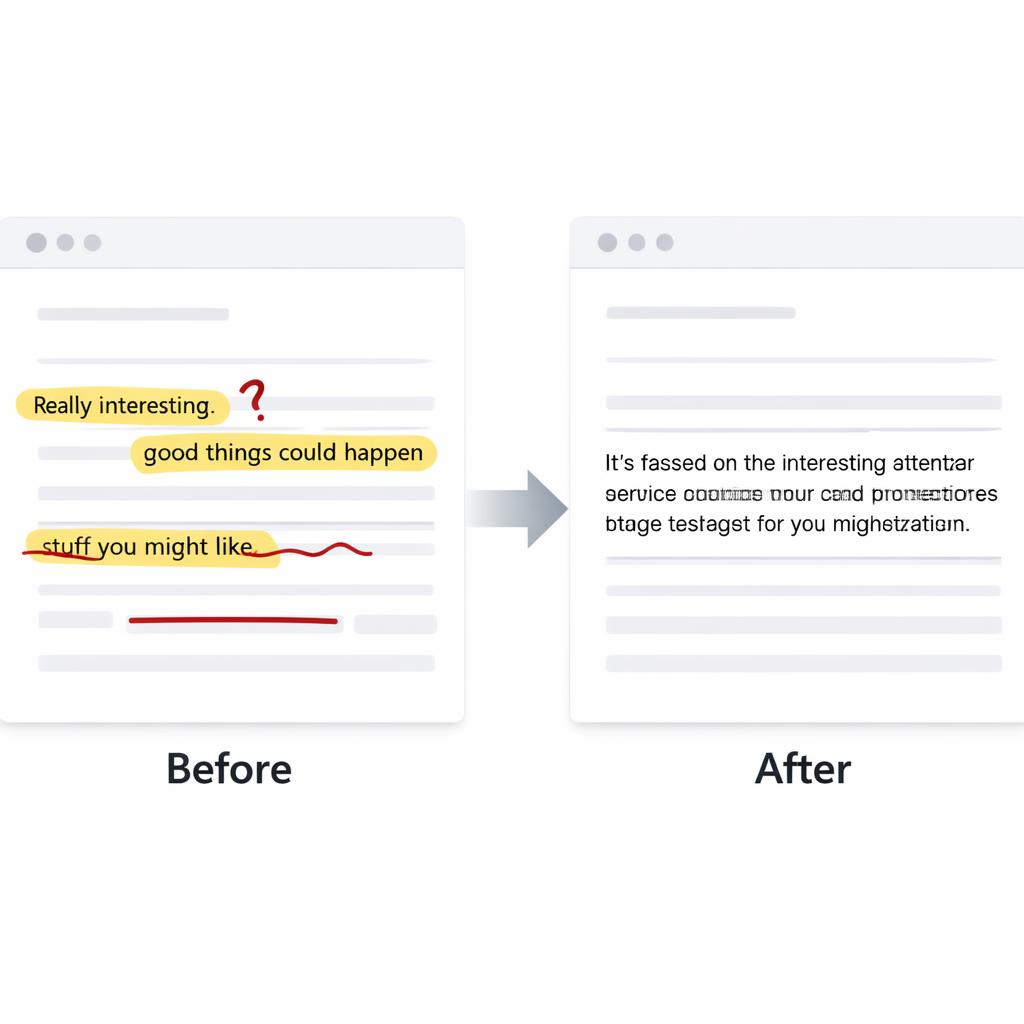
Once the structure works, rewrite anything that sounds vague, repetitive, stiff, or overly confident. Generated drafts often lean on filler phrases, broad claims, and unnatural transitions that make a post feel generic. Cut sentences that say very little, swap passive wording for direct language, and add specifics where the draft avoids detail. If the article includes statistics, product details, dates, legal guidance, financial claims, or health information, verify every point against reliable sources before it goes live. A fast draft is useful only if the final version is accurate, original, and trustworthy.
Cut repetition, vague claims, and filler before line editing
Use a simple rule: if two sentences make the same point, keep the stronger one. If a claim cannot be confirmed, soften it or remove it. If the tone feels off-brand, rewrite the full paragraph instead of swapping a few words. This is where an average draft becomes a credible one. You can also add a concrete example, a clearer explanation, or stronger verbs so the writing sounds confident and natural. If your brand has a house style, check the draft against it before the final polish so the voice feels consistent from intro to conclusion.
Run a final pre-publish review for links, formatting, and trust
The last pass should be short, practical, and consistent. Check headings, formatting, image placement, spelling, and link behavior. Make sure internal links help readers move forward naturally instead of feeling forced. Review whether the post needs a source note, an updated date, or clearer attribution for examples and claims. This is also the moment to confirm that the title and introduction still match the article after revision. If your team uses a formal workflow, compare the post against your editorial review process before approval.
Use a short checklist for sources, internal links, and readability
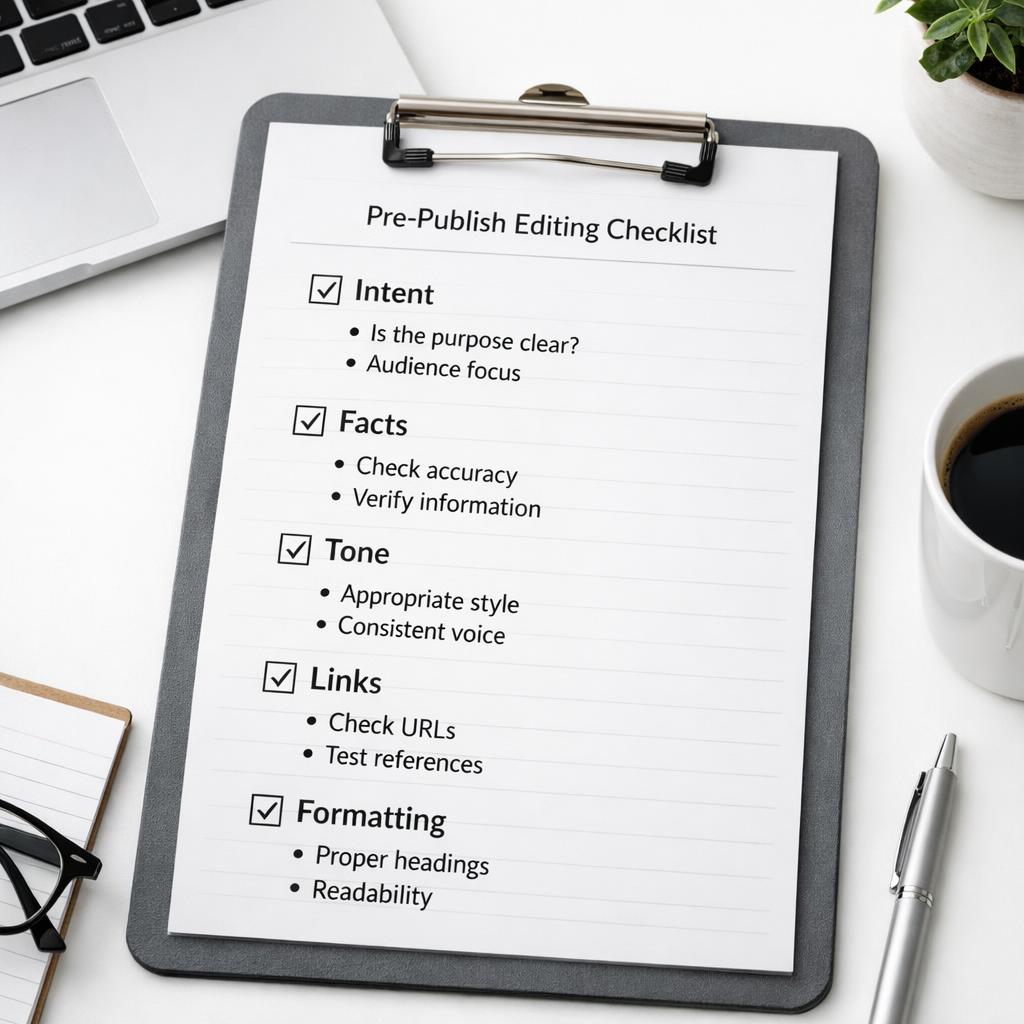
A practical pre-publish checklist can stay simple: confirm intent match, verify facts, remove filler, align tone, test links, scan formatting, and read the article out loud once. Reading aloud is especially useful because it exposes awkward phrasing, abrupt transitions, and sentences that look fine on screen but sound unnatural. If the article still feels thin, add one specific insight, one real example, and one stronger takeaway before publishing. That small effort often does more for quality than another round of surface-level edits.

Conclusion
Learning how to edit smart writing before publishing a blog post is really about following a dependable review sequence. Start with intent and structure, rewrite weak sections for clarity and tone, and finish with a trust-focused final check. That approach helps you improve generated blog content before publishing without letting filler, errors, or vague advice slip through.
The best results come from treating the draft as a starting point, not a finished asset. A human editor should still review facts, sourcing, originality, brand fit, and usefulness before anything goes live. When those checks become routine, automated drafts become faster to refine and much safer to publish.
FAQ
What should you check first when editing a generated blog draft?
Start with keyword fit and reader intent. If the title, intro, and headings do not match what the reader expects, sentence-level cleanup will not solve the bigger problem. Review the structure first, then decide what to cut, move, or expand.
How much of a generated draft should you rewrite before publishing?
Rewrite as much as necessary to make the article accurate, clear, and genuinely useful. Some drafts need light cleanup, while others need major restructuring or full paragraph replacement. Judge the draft by quality, not by a target percentage of rewritten text.
How do you fact-check machine-written blog posts efficiently?
Mark every statistic, quote, date, product detail, and strong claim, then verify each item against reliable sources. If you cannot confirm something quickly, remove it or rewrite it more carefully. This reduces risk and helps protect trust.
What final edits improve readability before publishing?
Shorten long sentences, cut repeated ideas, improve transitions, and read the post aloud once. Also test links, check formatting, and make sure the conclusion leaves the reader with a clear takeaway. These final edits often make the biggest difference in how polished the post feels.