

Choosing the right smart for marketing course comes down to a simple question: will it help you do real marketing work better, faster, and with more confidence? Most people are not searching for theory alone. They want practical lessons, clear examples, and skills they can use for content, email, research, and reporting. That matters even more for beginners, freelancers, small business owners, and career changers comparing programs online.

A strong course should teach useful workflows, not just tool tours. It should also show where human judgment still matters, especially in messaging, brand voice, ethics, and performance review. If you are comparing the best smart for marketing course for beginners, start with the curriculum, support, price, and expected outcomes. It also helps to understand content marketing fundamentals first, so you can tell whether a course teaches strategy as well as execution.
What a Strong smart for Marketing Course Should Teach
The best courses stay focused on practical marketing tasks you are likely to handle every week. That includes customer research, audience segmentation, content planning, campaign drafting, testing ideas, and reporting on results. A useful curriculum should show how to turn rough prompts into repeatable workflows for blog posts, landing pages, social content, ad concepts, and email campaigns. It should also cover editing, fact-checking, brand consistency, and compliance so you do not treat first drafts as finished work.
Look for lessons that connect each workflow to a business goal. A course becomes much more valuable when it explains why a process works, when to use it, and what success should look like. Templates, swipe files, and hands-on assignments are strong signs. Case studies help too, especially when they reflect realistic situations for small teams with limited time and budget. If you want an online smart for marketing course with certificate, check whether the certificate is tied to completed projects or assessed skills instead of simple video completion.
Core skills: research, content workflows, email, and analytics
At minimum, a course should teach four core areas. First is research: turning customer reviews, search intent, competitor pages, and interview notes into messaging insights. Second is content workflow building: creating outlines, drafts, refresh plans, and repurposing systems that save time without lowering quality. Third is email: writing welcome sequences, promotions, and nurture flows while following email marketing best practices. Fourth is analytics: setting goals, reading campaign performance, and adjusting content based on evidence.
Strong training also covers prompt structure, editing discipline, and quality checks. Students should learn how to write a brief, test different versions, document changes, and compare results over time. That kind of practice lasts longer than tool-specific shortcuts. If a course skips measurement or review, it may leave you with ideas but not with a dependable system you can use for client work, in-house campaigns, or your own business.
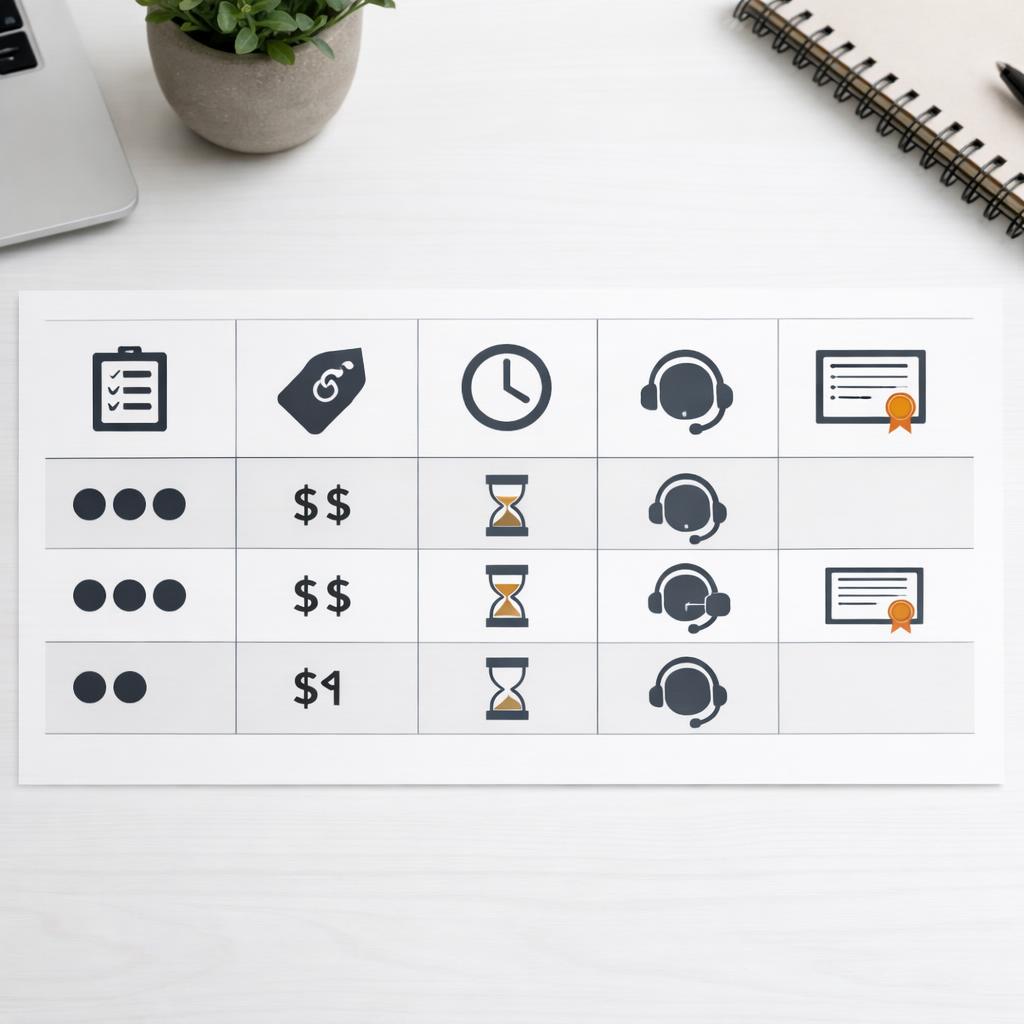
How to Compare Course Format, Cost, and Career Value
Course format can shape the whole learning experience. Some people do well with self-paced lessons and templates, while others need live sessions, office hours, or assignment feedback. Before you enroll, check the weekly time commitment, how often the material is updated, and how much hands-on practice is included. A good comparison should cover curriculum depth, total cost, support, certificate details, and access length. That gives you a clearer picture than price alone.
Cost should be judged by usefulness, not hype. A lower-priced course may be enough if you only need foundational workflows. A more expensive option can be worthwhile if it includes projects, critique, community access, and better accountability. Still, price does not guarantee quality. Read reviews closely and look for comments about clarity, structure, and immediate usefulness. If you are wondering how to choose an smart for marketing course, compare how well each option fits your skill level, schedule, and day-to-day marketing work.
Signs a course is beginner-friendly and worth the price
A beginner-friendly course explains concepts in plain language and starts with common marketing tasks instead of jargon. It should walk through examples step by step, show what strong outputs look like, and explain how to improve weak ones. Clear modules, checklists, and short assignments help new learners build confidence faster. Good courses also state prerequisites honestly, so you know whether basic marketing knowledge is expected before you begin.
To judge value, look for practical assets you will still use after the course ends: templates, prompt libraries, planning sheets, and repeatable frameworks. Some level of support matters too. Even light Q&A access can help when you are applying lessons to your niche or business. For an smart for marketing course for small business owners, value often means saving time, simplifying execution, and making better choices across channels. Outcomes vary based on effort, budget, and market conditions, so choose a course that builds durable skills instead of promising easy wins.
Conclusion
The best smart for marketing course is the one that teaches practical skills you can use soon after enrolling. Start with the curriculum, then compare format, support, and price based on your goals. Strong programs cover research, content workflows, email, analytics, and quality control in a way that feels approachable for beginners but still useful for working marketers.
If you are reviewing several options, focus on real assignments, clear examples, and a format you will actually finish. Whether you want an online smart for marketing course with certificate or a simple self-paced program, the smartest choice is one that fits your role and helps you apply better marketing workflows consistently over time.

FAQ
What should beginners look for in an smart for marketing course?
Beginners should look for simple explanations, hands-on exercises, and lessons tied to everyday marketing work such as content creation, email campaigns, customer research, and reporting. A strong beginner course should also include templates, examples, and guidance that helps you improve your work instead of just producing quick drafts. Clear structure and realistic assignments are usually better signs of quality than flashy promotion.
Are smart for marketing courses worth it for small business owners?
They can be worth it if the course helps you save time, improve consistency, and make better marketing decisions with limited resources. The most useful programs for owners focus on practical workflows for content, email, and audience insight rather than abstract theory. Value depends on your goals, available time, and how consistently you apply what you learn after the course ends.