

If you publish machine-written drafts, the goal is not to hide where the first version came from. The real job is to turn rough copy into something useful, readable, and trustworthy for people while keeping it search-friendly. That means editing for clarity, accuracy, specificity, and flow. A strong post should answer the query quickly, sound like a person with real experience wrote it, and guide readers through the topic without wasting time. If you already follow on-page SEO basics, this extra editing step helps your articles feel more natural and more helpful.

The simplest method is still the best one. Start with a clear outline, cut generic statements, add concrete examples, verify claims, and smooth out the tone. If you are searching for how to humanize smart content for seo blog posts, focus less on prompts and more on revision. Careful editing is what makes automated copy feel original, credible, and ready for a blog audience.
Why humanized blog content performs better in search
Search-friendly blog writing works best when it matches what readers expect after they click. Machine-written drafts often cover the topic, but they can sound flat, repetitive, or vague. Humanized content is easier to understand because it uses natural phrasing, stronger transitions, and clearer context. Readers are more likely to stay on the page when a post feels direct and specific instead of padded with broad statements.
It also supports the quality signals editors care about in practice. Posts that explain ideas clearly, answer likely follow-up questions, and avoid awkward wording are easier to trust and easier to scan. That is why editors who revise machine-written blog posts for SEO usually spend most of their time improving structure and usefulness, not just swapping words. The goal is not to chase rankings with tricks. It is to publish pages that deserve attention because they are readable, precise, and aligned with search intent.
Humanized writing also tends to create better engagement. Readers are more likely to keep scrolling when examples feel grounded, transitions make sense, and the advice sounds practical. Even small edits can make a big difference. Changing a vague line into a direct recommendation, trimming a bloated sentence, or adding one clear example often makes a page feel more trustworthy right away.

Edit generated drafts to sound clear, specific, and credible
Start by reading the draft once without making changes. Mark any sentence that feels generic, overly formal, repetitive, or unsupported. Then rewrite those lines in plain English. Replace weak openings with direct answers. Break long sentences into shorter ones. Remove filler, especially broad introductions that delay the point. If a section says a tactic is important, explain why it matters and what the reader should do next. This is one of the most reliable ways to rewrite generated blog articles because it improves both voice and usability.
Next, check credibility. Add fact-based support where needed, but also add editorial judgment. Mention what works in real publishing situations, where a tactic can fail, and what signs show a draft is ready to publish. If you want to humanize generated content without losing rankings, keep headings clear, preserve relevant search terms, and improve the substance between them. Strong edits should make the page sound more confident and more useful, not just different.
Replace generic phrasing with original examples and real insight
Specificity is what makes a draft feel human. Instead of writing, “Use engaging language,” show the edit: “Change ‘brands should leverage content’ to ‘a small marketing team can publish one detailed guide each week and refresh it every month.’” A concrete example gives the reader something they can copy, compare, or improve. It also breaks the pattern of bland phrasing that often shows up in automated copy.
You can do the same with insight. Add a short note about audience fit, editorial tradeoffs, or common mistakes. For example, explain that a conversational tone may help a beginner guide, while a technical post may need tighter definitions and less casual phrasing. These details make the article sound grounded in real publishing work. They also answer the practical question behind how to humanize smart content for seo blog posts: give readers examples, choices, and context instead of recycled advice.
One more useful edit is to vary rhythm. If every sentence is the same length and every paragraph follows the same pattern, the post will still feel mechanical. Mix short statements with slightly longer explanations. Ask a direct question when it helps. Use transitions that sound natural, not forced. These small changes make the final article read more like a person wrote it for another person.
Conclusion
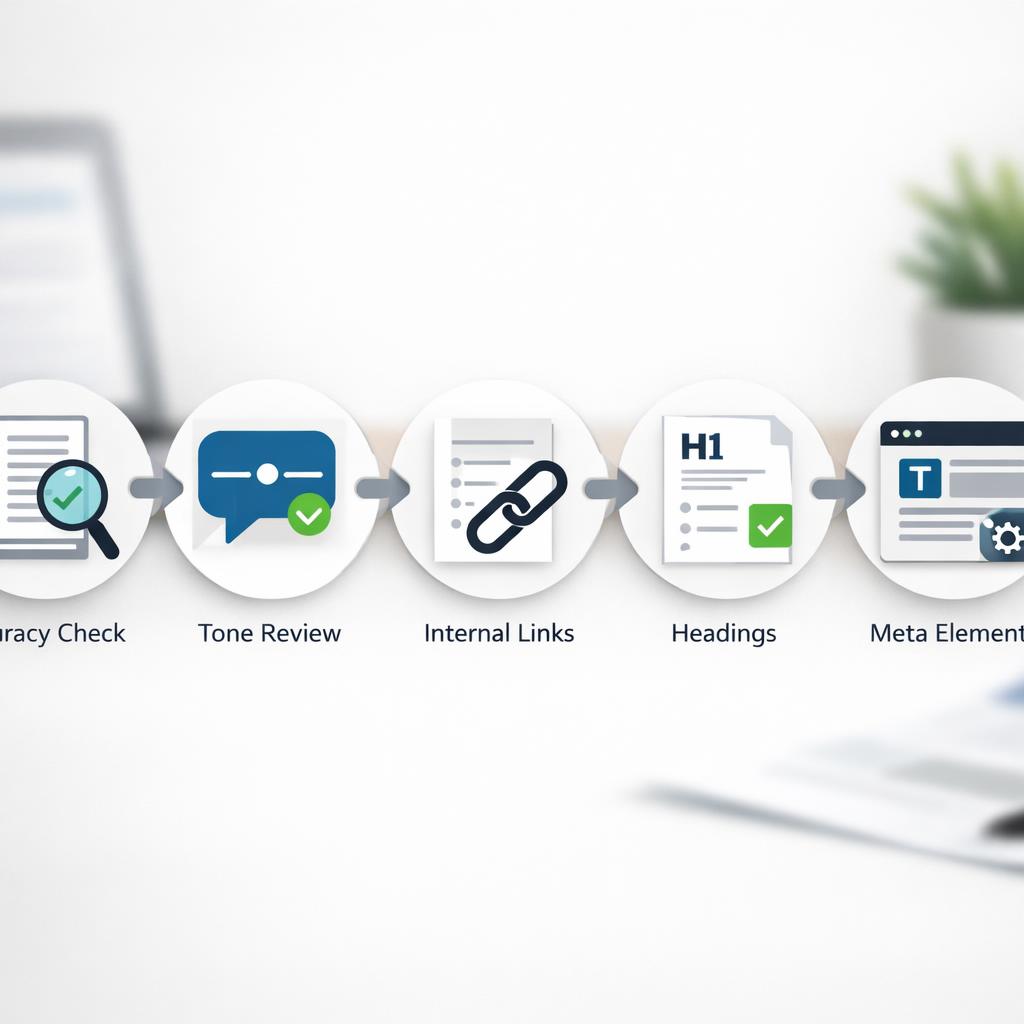
How to humanize content for SEO blog posts comes down to disciplined editing. Keep the structure clear, answer the query early, remove vague language, and add examples that reflect real experience. Then review tone, accuracy, links, and metadata before publishing. Those steps help machine-written drafts become easier to read and easier to trust without turning the page into a wall of rewritten fluff.
If you remember one thing, make it this: natural blog writing is usually the result of revision, not the first draft. When you humanize generated content without losing rankings, you are not following a magic formula. You are improving reader value. That is what makes a post easier to scan, more credible, and more likely to support broader content goals over time.

FAQ
How do you make generated blog content sound more human?
Start by removing generic lines, simplifying awkward sentences, and adding specific examples. Then adjust the tone so it fits the audience, verify facts, and make sure each section answers a clear question. The more concrete and useful the article becomes, the more natural it will sound.
Can humanized generated content rank well in search?
It can support search performance when it is accurate, helpful, original in presentation, and aligned with search intent. There are no guarantees, but careful editing improves readability and usefulness, which are strong goals for any blog post. It also helps to support the article with natural internal links, such as related guides on site structure or internal linking best practices.
What should you remove first when editing automated copy?
Cut filler introductions, repeated ideas, vague claims, and jargon that adds no real meaning. These issues make drafts feel mechanical and slow down the reader. Once they are removed, it becomes much easier to improve structure, pacing, and voice.
How long should the editing process take for one blog post?
It depends on the quality of the draft, but even a solid first version deserves at least one review for clarity, one fact check, and one final scan for links and metadata. In most cases, a shorter but focused editing pass is better than publishing too quickly and fixing obvious problems later.