
A marketing campaign generator can help a team move from a rough idea to a workable launch plan much faster. Instead of opening a blank doc for every promotion, you get a starting point for messaging, channel plans, and draft assets that can be shaped into something launch-ready. For marketing managers, founders, and lean content teams, that often means less time spent organizing scattered notes and more time spent improving the offer, audience fit, and timing. If you already use a campaign planning template, this type of tool can make the work after brief approval easier and more consistent.

The real value is not strategy replacement. It is support for repetitive planning and drafting tasks that slow teams down. A good tool helps you structure campaigns, create first drafts, and keep messaging aligned across email, social posts, landing pages, and ads. Output quality still depends on the information you provide, your brand standards, and careful editing. If you are comparing options, the goal is to find a tool that fits how your team works, not just one with the longest feature list. That is especially true if you are searching for an smart marketing campaign generator and want something practical rather than flashy.
What a marketing campaign generator does and who benefits most
A marketing campaign generator turns a campaign brief, audience details, goals, and offer into a more structured plan. In most cases, that includes message angles, content ideas, basic timelines, and draft copy for specific channels. Rather than building each campaign from scratch, marketers get a repeatable framework they can refine for product launches, seasonal promotions, webinars, newsletters, or lead generation efforts. That kind of structure is useful when deadlines are tight and consistency matters across every touchpoint.
Small teams often see the biggest benefit because they usually manage several channels at once with limited time. A founder or in-house marketer can use one tool to keep an email series, social posts, ad copy, and landing page messaging aligned around the same offer. Agencies and larger teams can also benefit when they need a shared starting point for reviews and approvals. In either case, the tool works best when the team already has clear audience definitions, basic messaging guidance, and someone responsible for final edits.

Key features that make campaign planning faster and more consistent
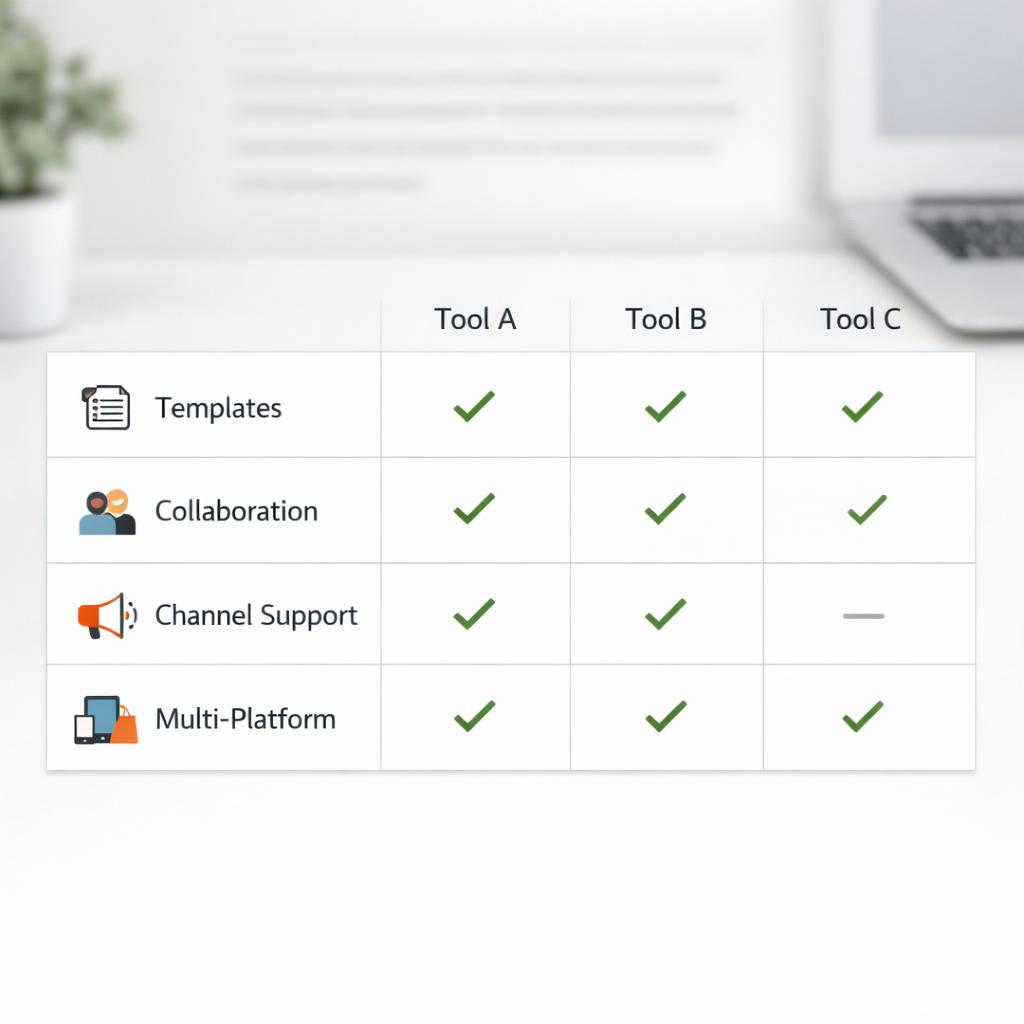
When you compare tools, look beyond simple copy generation. The most useful options support the whole campaign workflow, from brief to launch, with reusable templates, organized inputs, editable drafts, and collaboration features. A marketing campaign generator with campaign templates can reduce setup time for common launches, while shared workspaces can make approvals smoother. It also helps when one place stores audience segments, offers, key messages, calls to action, and channel outputs instead of forcing the team to jump between multiple documents.
Templates, channel-specific copy, and brand voice controls
The best features are usually the ones that reduce repetitive edits. Templates help teams build repeatable structures for promotions, product updates, events, and nurture campaigns. Channel-specific drafting matters because one core message rarely works the same way in an email subject line, a paid ad, and a landing page headline. If your team handles email campaign planning, that difference becomes obvious fast. Useful tools should help you adapt the message by format while still keeping the same core offer.
Brand voice settings, guidance fields, and custom inputs also matter because consistency is one of the main reasons teams use these tools in the first place. Even then, every draft still needs human review for accuracy, compliance, and relevance. The goal is not perfect output on the first try. It is getting to a strong first draft faster, with less cleanup and fewer off-brand rewrites.
How to choose the right option for your team and workflow
If you are researching how to choose a marketing campaign generator, start with your current process. Map how a campaign moves from brief to review to launch, then look for the points where work slows down. Some teams need help generating ideas. Others need stronger templates, cleaner collaboration, or better multi-channel outputs. The right option should match your review process, fit the tools you already use, and support the kinds of campaigns you run most often.
Before choosing a new tool, ask practical questions. Can it support your team size and approval flow? Does it make edits easy, or does it create drafts that take too long to fix? Can it maintain voice consistency across channels? Is it flexible enough for quick tests as well as larger launches? A useful platform should save time without adding new process headaches. It should also support both fast-turn content and more structured planning, whether you need social media campaign ideas or a coordinated launch calendar. If you are evaluating an smart marketing campaign generator, test it with a real campaign brief instead of a generic prompt. That will show you much more about fit, quality, and speed.

Conclusion
A marketing campaign generator is most helpful when it makes planning easier, drafting faster, and execution more consistent. It works best as a support tool for campaign structure, message development, and first drafts, not as a replacement for strategic thinking or final review. Teams that provide clear inputs and solid brand guidance usually get better results than teams expecting the tool to do all the thinking for them.
If you are comparing options, focus on workflow fit, template quality, channel support, and collaboration. The best choice is rarely the one with the most features. It is the one that helps your team move from brief to launch with less friction, clearer messaging, and fewer repetitive tasks. For many businesses, especially smaller teams, the right tool can make campaign execution more manageable over time.
FAQ
What should a marketing campaign generator include?
It should include campaign templates, a place for brief inputs, support for channel-specific drafting, and features that make collaboration easier. It should also help teams organize offers, messages, and calls to action in one place. The strongest options make outputs easy to edit instead of locking you into rigid drafts.
Can a marketing campaign generator help small teams move faster?
Yes. Small teams often manage email, social, landing pages, and promotions at the same time, so a structured starting point can save hours. It can reduce blank-page delays, speed up first drafts, and keep campaigns more consistent across channels. Results still depend on the quality of the brief and the review process you use before launch.