
Teachers comparing GPTZero vs Originality.smart for teachers usually want a practical answer: which tool is easier to use fairly in real classrooms without adding unnecessary stress for students or staff. The short answer is that both can help surface patterns worth a closer look, but neither should be treated as proof by itself. A better choice comes from comparing report clarity, workflow, pricing, and how each one fits your school’s expectations for documentation and student trust. If you are creating a fair review process, this guide on how to interpret writing-detection results in education is a helpful place to start before setting policy.

This gptzero vs originality smart for teachers comparison stays focused on classroom use. Instead of repeating product claims, it looks at what matters in grading conversations, department adoption, and school-wide consistency so you can choose based on teaching needs.
What Teachers Need From a Writing-Detection Tool
For most teachers, the best writing detection tool is not the one that flags the most assignments. It is the one that helps you review unusual work carefully, explain results clearly, and avoid false accusations. Accuracy matters, but so do report detail, ease of use, and whether the tool supports a fair follow-up process. A confusing score can create more work than it saves if you still have to spend class time explaining what it means.
Classroom priorities: accuracy, false flags, and student trust
In everyday classroom use, the biggest risk is overconfidence. A score or label may point to unusual writing patterns, but student writing level, drafting habits, English learner status, tutoring, and heavy revision can all affect results. Teachers need a tool that starts a conversation, not one that ends it. The strongest classroom fit usually includes readable reports, simple submission steps, and a workflow that lets you compare flagged passages with prior student work, revision history, and assignment context before making any decision.

GPTZero vs Originality.smart for Teachers: Key Differences That Matter
In a gptzero vs originality smart for teachers comparison, GPTZero is often seen as the easier option for quick classroom checks and straightforward review. Many educators like a simpler interface and reports that feel easier to discuss with students, parents, and administrators. That can make it a practical choice for individual teachers or small teams that want a lightweight process without much setup. If your goal is occasional screening with minimal friction, GPTZero may feel easier to use day to day.
Originality.smart is often viewed as a better fit for deeper reporting, account oversight, and broader monitoring across multiple users. That can matter for departments or schools that want stronger administrative consistency, shared access, and more formal documentation. Pricing differences also matter. One option may feel more predictable for occasional checks, while the other may make more sense for higher-volume review. The key question is not which one looks stricter, but which gives teachers clearer evidence, fewer workflow headaches, and better support for a documented review process.
How they compare on reports, workflow, pricing, and ease of use
- Report clarity: Choose the tool whose output teachers can explain quickly to students and administrators without turning every case into a long debate.
- Workflow: For individual use, simple upload and review steps often matter more than having extra features you rarely use.
- Pricing: Check whether your school needs occasional reviews, shared team access, or regular high-volume use before committing.
- Documentation: Schools with formal review policies may prefer stronger record-keeping and better visibility across staff.
- Student impact: The better option is the one that supports fair follow-up rather than automatic penalties based on a single report.
Which Option Fits Your School or Teaching Style Best
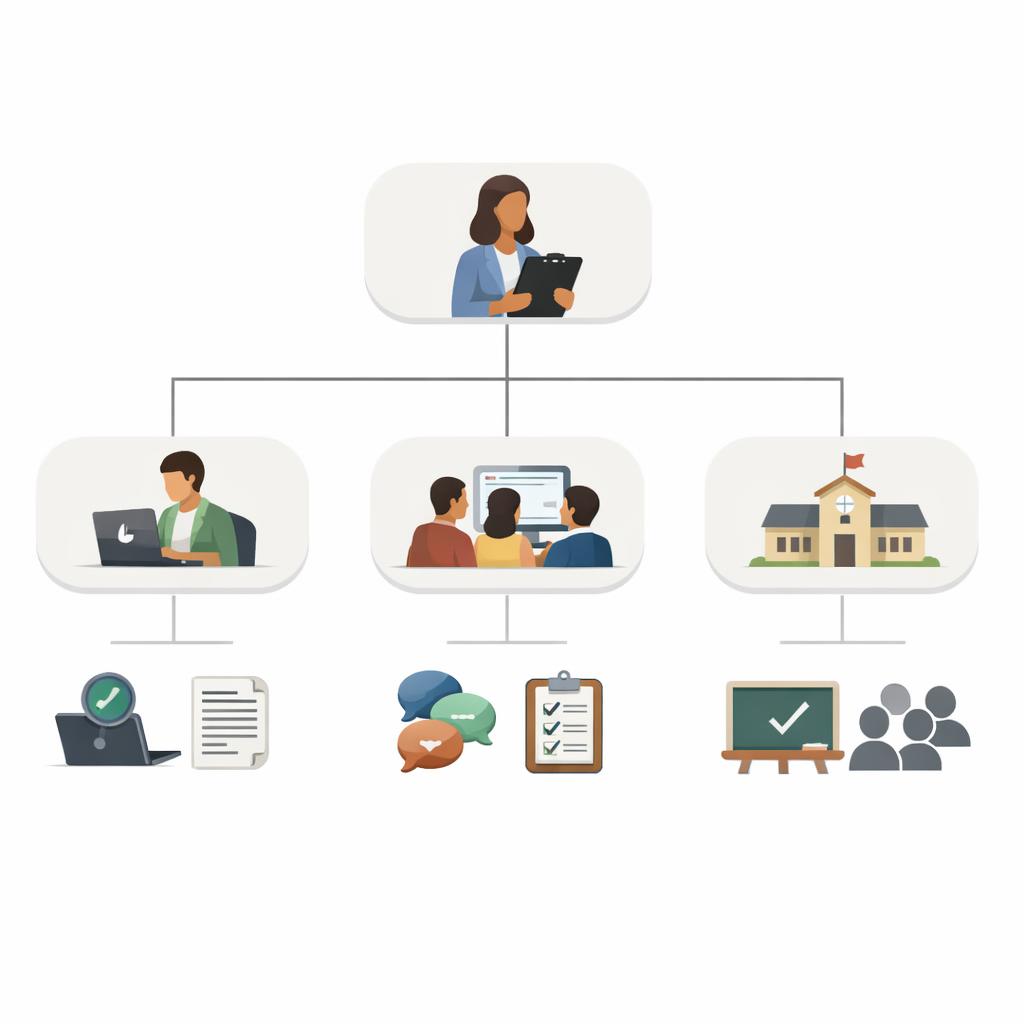
If you teach independently and want something you can use quickly, GPTZero may be the better fit. It can work well for teachers who need a practical checkpoint before meeting with a student, especially when ease of use matters more than institutional oversight. In that setup, clear classroom expectations matter as much as the tool itself. A written process for revision checks, student conferences, and documentation can prevent misunderstandings and help you respond consistently across classes.
Best fit for individual teachers, teams, and policy-driven schools
Originality.smart may make more sense for teams, department heads, or schools that want shared procedures and tighter reporting across multiple users. If your environment is policy-driven, consistency and record-keeping may matter more than convenience. In that case, pair the tool with an academic integrity policy template for classrooms so flagged work is reviewed fairly and the same standards apply across teachers. In most cases, the best choice comes down to whether you need lightweight classroom use or broader administrative structure.

Conclusion
When evaluating GPTZero vs Originality.smart for teachers, the best choice is usually the one that matches your review process, not the one making the biggest promises. Teachers generally need readable reports, manageable pricing, and a workflow that protects student trust. GPTZero can make sense for quick, individual classroom use, while Originality.smart may fit better where shared oversight and documentation matter more. Neither tool should be used as a final verdict for grading or discipline without context, prior writing samples, and a student conversation.
For most schools, the smartest approach is to define policy needs first and then test usability with real assignments. That leads to a more useful gptzero vs originality smart for teachers comparison than focusing on labels alone. In practice, a fair process matters more than any detection score.
FAQ
Which tool is easier for teachers to use day to day?
Many teachers may find GPTZero easier for routine classroom use because the workflow often feels simpler and faster. If you are checking occasional assignments and want a low-friction process, that can matter more than extra administrative features.
Are writing-detection results reliable enough for grading decisions?
No tool should be the only basis for grading penalties or misconduct decisions. Results work best as signals for closer review alongside drafts, revision history, prior writing, and a direct conversation with the student.
What is the best writing detection tool for teachers in a small department?
For a small department, the best fit usually depends on whether teachers want shared reporting or individual flexibility. If the group values simple classroom use, GPTZero may feel more practical. If the department wants consistent oversight and documentation, Originality.smart may be a better match.
How should schools handle flagged student work fairly?
Schools should use a written process that explains how flagged work is reviewed, who sees the report, what evidence is considered, and how students can respond. That keeps decisions consistent and helps protect trust between teachers and students.