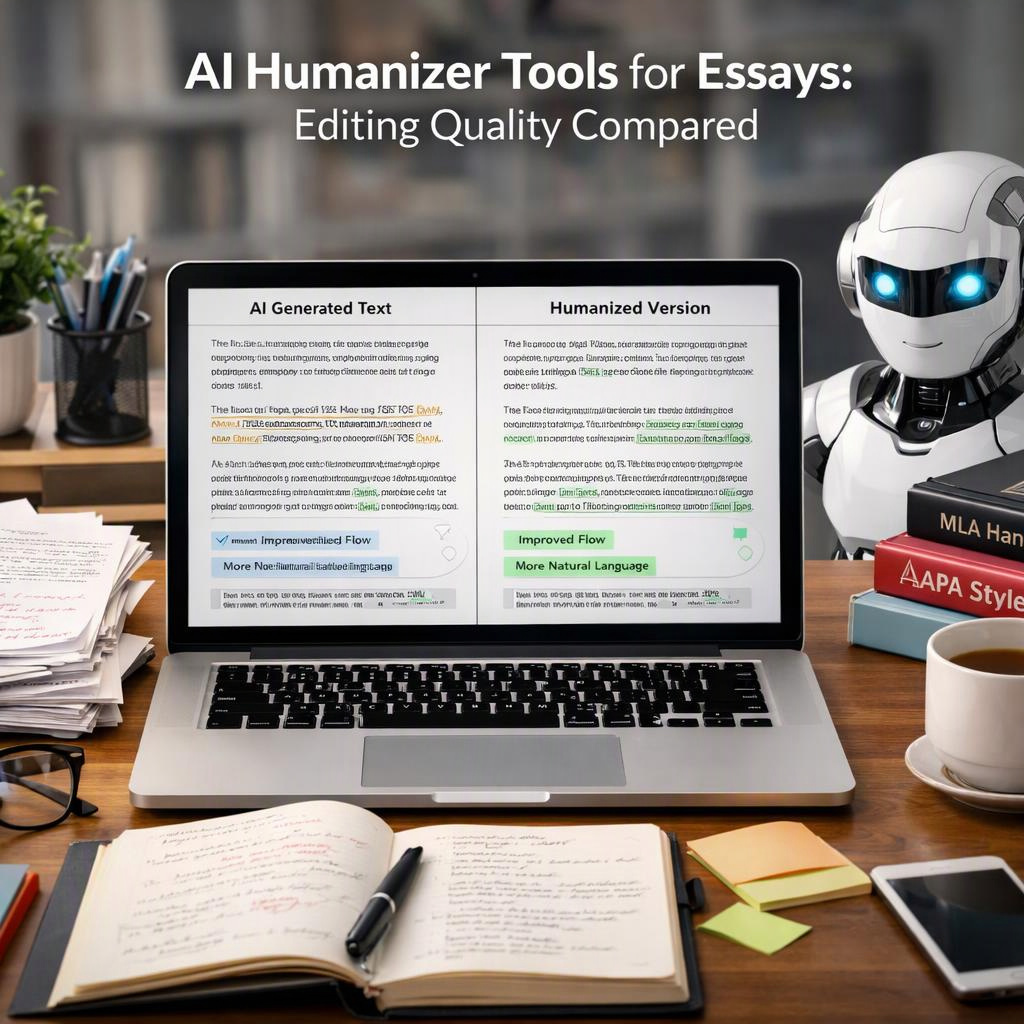

StealthWriter is worth comparing with manual editing if it preserves your meaning, saves editing time, and fits the rules for your work. Smoother wording alone is not enough. The useful question is whether you get a publishable draft with fewer corrections—not simply a paragraph that sounds different.

This StealthWriter review provides an evaluation checklist, not a hands-on verdict. No test outputs or verified product documentation were supplied. Current features, pricing, usage limits, and privacy protections therefore remain unconfirmed. Rather than rate untested performance, this article explains what to check before sharing text or paying.
If you found this page by searching for “stealthwriter,” start with your actual task. Do you need clearer sentences, a different tone, or fewer words? Those goals require different comparisons. Use an authorized, nonconfidential sample, then assess wording quality, service terms, and permission separately. A strong result on one does not resolve the others.
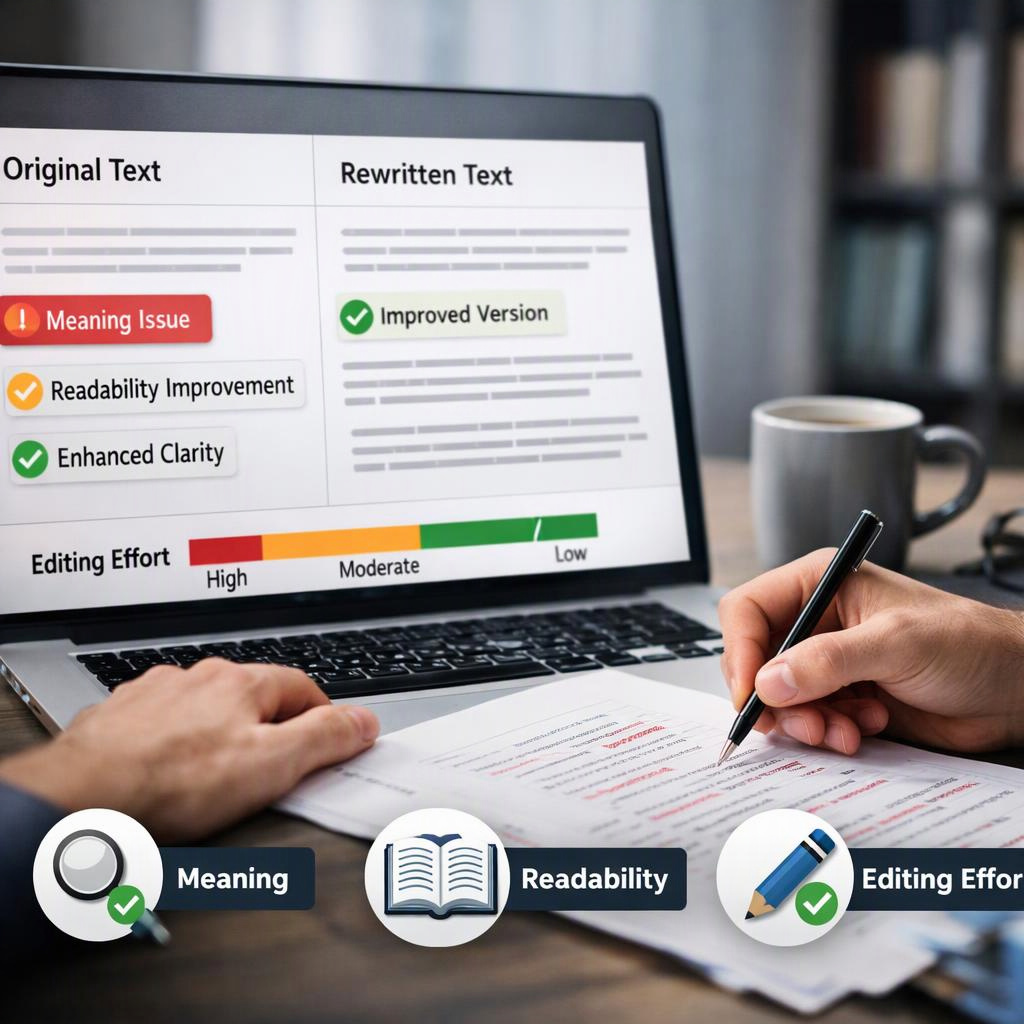
Rewriting Quality: Check Meaning, Readability, and Editing Effort
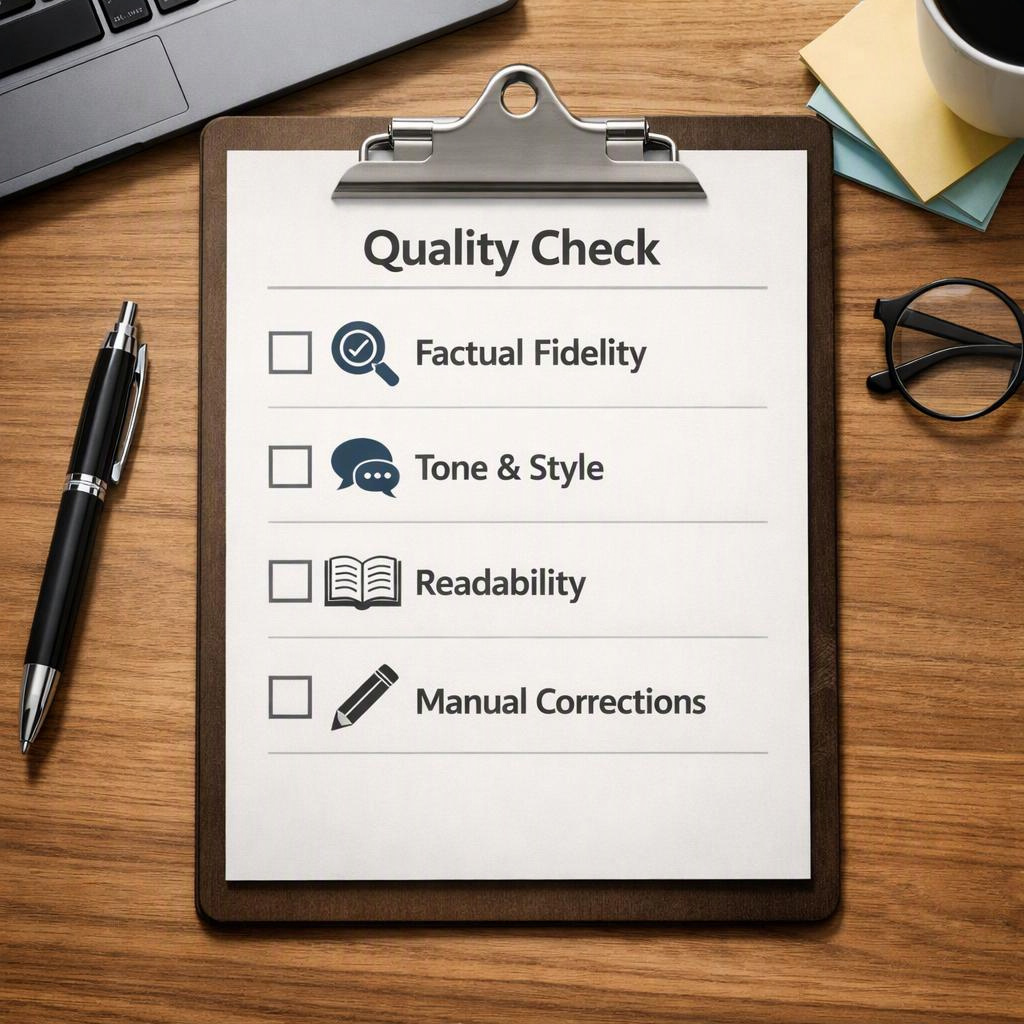
Read every revision beside its source. A fluent sentence can still change a number, remove an important qualification, or make a tentative finding sound certain. The checklist below helps you assess those risks; it does not describe observed StealthWriter performance.
- Factual fidelity: Check names, dates, quantities, citations, comparisons, and cause-and-effect statements. Claims should keep the same scope and supporting evidence as the original.
- Tone: Confirm that the revision suits your audience and preserves your position. Watch for added enthusiasm, stronger certainty, or formality that makes straightforward writing feel stiff.
- Readability: Look for clearer connections, manageable sentences, and precise wording. Replacing familiar words with elaborate alternatives is not necessarily an improvement.
- Manual corrections: Record what you restore, delete, or rewrite. Include fact-checking and reference-checking time when deciding whether the revision saved work.
For example, changing “may reduce delays” to “reduces delays” strengthens a claim even if the sentence reads better. Treat that as a meaning change, not a style preference.
Use the same passage and editorial goal for your manual-editing comparison. Record the test date, any settings offered, source text, output, and final corrections. Compare the finished versions and total review time, not just how quickly the first revision appears. Keep your notes private where permissions require it. Also distinguish rewriting from shortening: changing expression does not necessarily reduce length or preserve the right details.
Practical Limits: Verify Pricing, Input Limits, and Data Terms
Check current official documentation before paying for StealthWriter. This review does not confirm a price, billing arrangement, cancellation process, input allowance, or data-handling policy. These are unanswered purchasing questions, not proof that a particular restriction or protection exists.
- Price and billing: Confirm the checkout total, currency, billing interval, renewal conditions, and applicable taxes. A price expressed per month may still require an annual commitment; verify the actual payment schedule.
- Cancellation and refunds: Check how to cancel, when cancellation takes effect, and whether a refund is available in your circumstances. Do not assume stopping renewal reverses an existing charge.
- Input and usage limits: Verify any per-submission allowance, account quota, reset period, and rules for repeated revisions. Compare those limits with your typical document length and monthly workload.
- Data handling: Read the privacy notice and terms for retention, deletion, permitted reuse, service providers, and your responsibilities. Unclear wording deserves clarification before you upload anything sensitive.
Save the source URL and access date for each confirmed answer, since commercial terms can change. If documentation leaves an important point unresolved, ask for written clarification. Convenience claims do not establish confidentiality, and a subscription does not give you permission to upload someone else’s work. For client or employer documents, check both the service terms and your own contractual obligations before sharing text.
Workflow Fit: When to Compare StealthWriter With Manual Editing
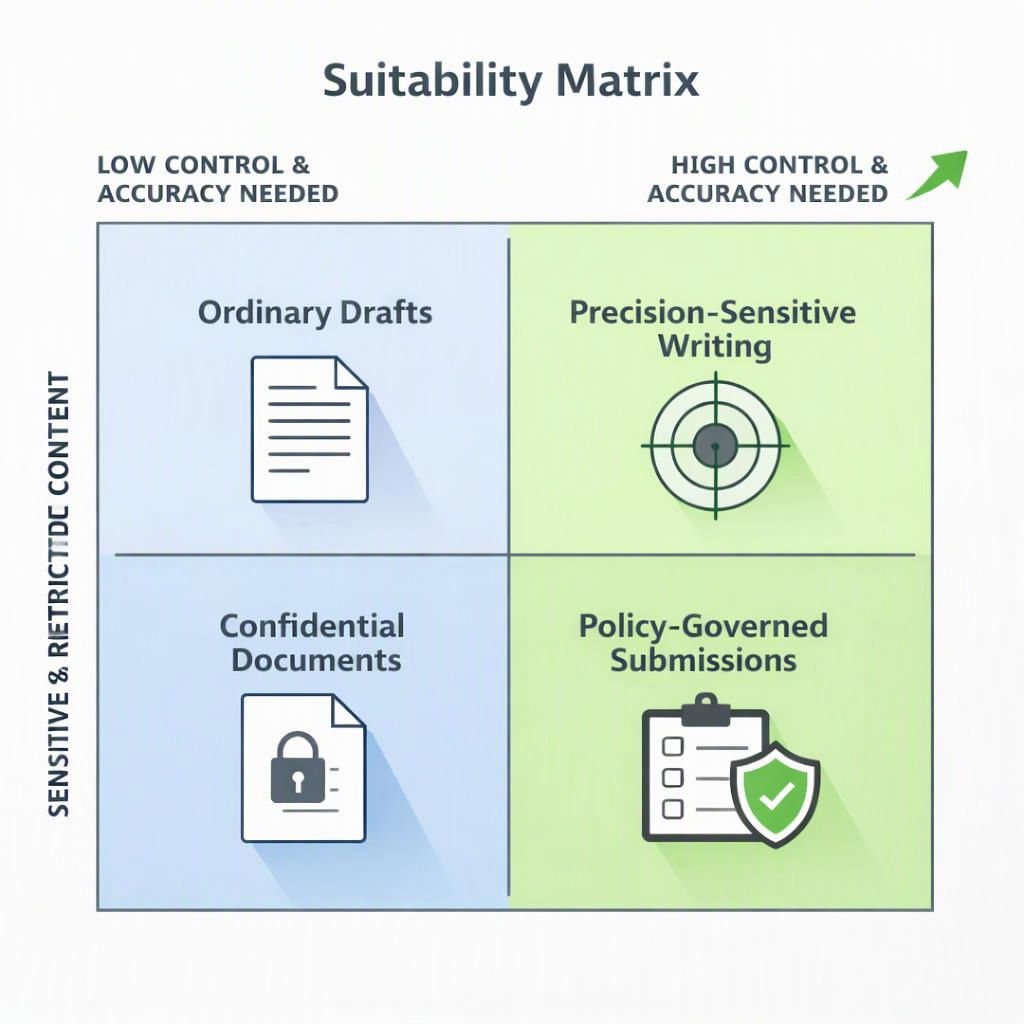
StealthWriter is worth evaluating when your task is sentence-level rewriting and you can judge the result yourself. Its relevance is the opportunity to compare alternative wording—not demonstrated superiority. Manual editing remains the baseline for targeted changes that depend on context.
- Ordinary drafts: Compare clarity, voice, and total editing effort. Proceed only after checking sample quality, permitted use, and the cost of your expected workload.
- Precision-sensitive writing: Prioritize terminology, qualifications, and citations. Identify who has the expertise and responsibility to approve substantive changes; readable wording is not enough.
- Confidential documents: Resolve disclosure permissions and contractual requirements first. Use a nonconfidential sample for evaluation rather than uploading restricted material to test the service.
- Policy-governed submissions: Check the specific assignment, publication, or workplace rules. Product messaging cannot establish whether outside rewriting assistance is allowed or must be disclosed.
If your main problem is excess length, review the reducer workflow as a potentially more focused comparison with manual trimming. Its functionality was not verified for this article, so confirm its purpose and limits first. No workflow can promise acceptance by a school, employer, publisher, or detection tool. Permission and editorial accountability remain separate from how natural the final text sounds.
Conclusion
StealthWriter is worth comparing only when its verified results and terms fit your rewriting needs. This review offers no hands-on evidence to support a purchase recommendation. Meaning preservation, remaining editing work, and permission to use the service should carry more weight than surface polish.
For an authorized, nonconfidential draft, choose one representative passage and mark the facts, qualifications, and tone you need to preserve. Compare the rewritten version with your own edit, counting all checking and correction time. Then verify current pricing, usage limits, cancellation conditions, and data terms before committing money or more text.
That comparison helps you choose between rewriting, manual editing, and a focused shortening workflow. If an essential requirement remains unclear, pause until you can verify it. The goal is a dependable final draft produced under acceptable conditions—not different wording for its own sake.
FAQ
When is StealthWriter a logical choice, and when should I check requirements first?
It is a reasonable candidate for an authorized, nonconfidential draft when you want alternative wording and can review every change. For restricted documents or policy-governed submissions, check permissions first. A promising sample does not override a confidentiality obligation or a prohibition on outside assistance.
How can I check whether StealthWriter preserves my original meaning?
Compare the original and revision sentence by sentence. Mark facts, qualifiers, attribution, and technical terms before reviewing changes. Pay particular attention to certainty, scope, and causation. Correct unsupported changes and include that work in your assessment of usefulness.
Is StealthWriter worth it for rewriting compared with manual editing?
It depends on the verified price, output quality, and total time needed to finish your text. Test equivalent passages against a manual-editing baseline. Include checking and corrections, not just initial rewriting speed. Without those results, any claim about value would be speculative.
What should I verify before paying for StealthWriter?
For your expected workload, compare billing frequency, renewal, cancellation, refunds, usage allowances, and data terms in current official documentation. Save dated references and check any client, employer, school, or publisher requirements separately. Use those checks alongside your sample-edit results to decide whether the service fits your budget, permissions, and review capacity.