
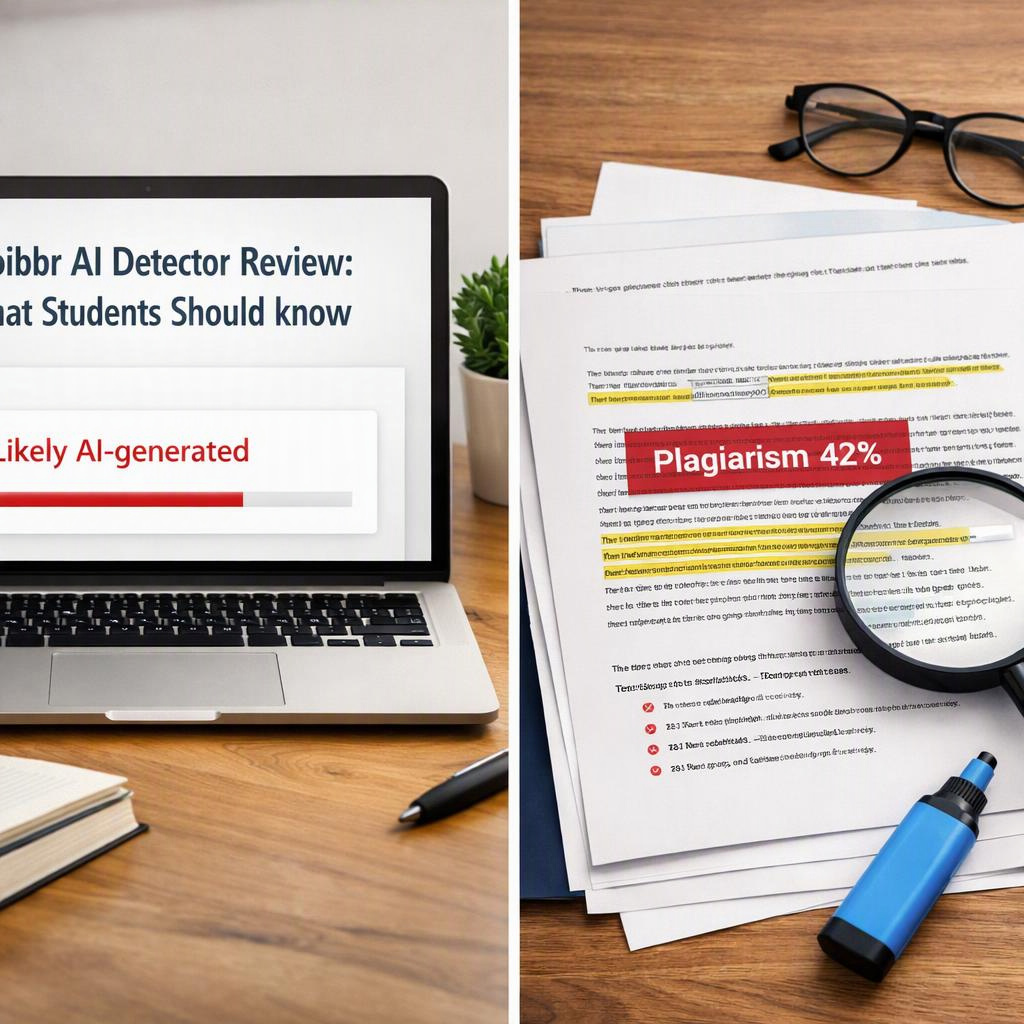
Scribbr’s detector may help with a preliminary essay check, but its result cannot establish who wrote your work, whether it contains plagiarism, or whether it meets course rules. If you searched for “scribbr smart detector,” the key question is whether you need generated-text detection—or a different kind of review.
For students at US institutions, that distinction matters. Concerns about borrowed wording, missing references, and permitted writing assistance require different evidence. Start with your assignment instructions and the passages that worry you. A detector result should supplement that review, not replace your sources, drafting records, or an instructor’s guidance.
What this review can establish: This is a practical evaluation guide, not a hands-on product test. No sample outputs or official documentation were supplied, and Scribbr’s current features, prices, limits, and privacy policies have not been independently verified here. There are therefore no accuracy ratings or assurances about uploaded work. The guidance below explains what to check before deciding whether the service fits your essay.
Choose the Right Scribbr Service for Your Essay Check
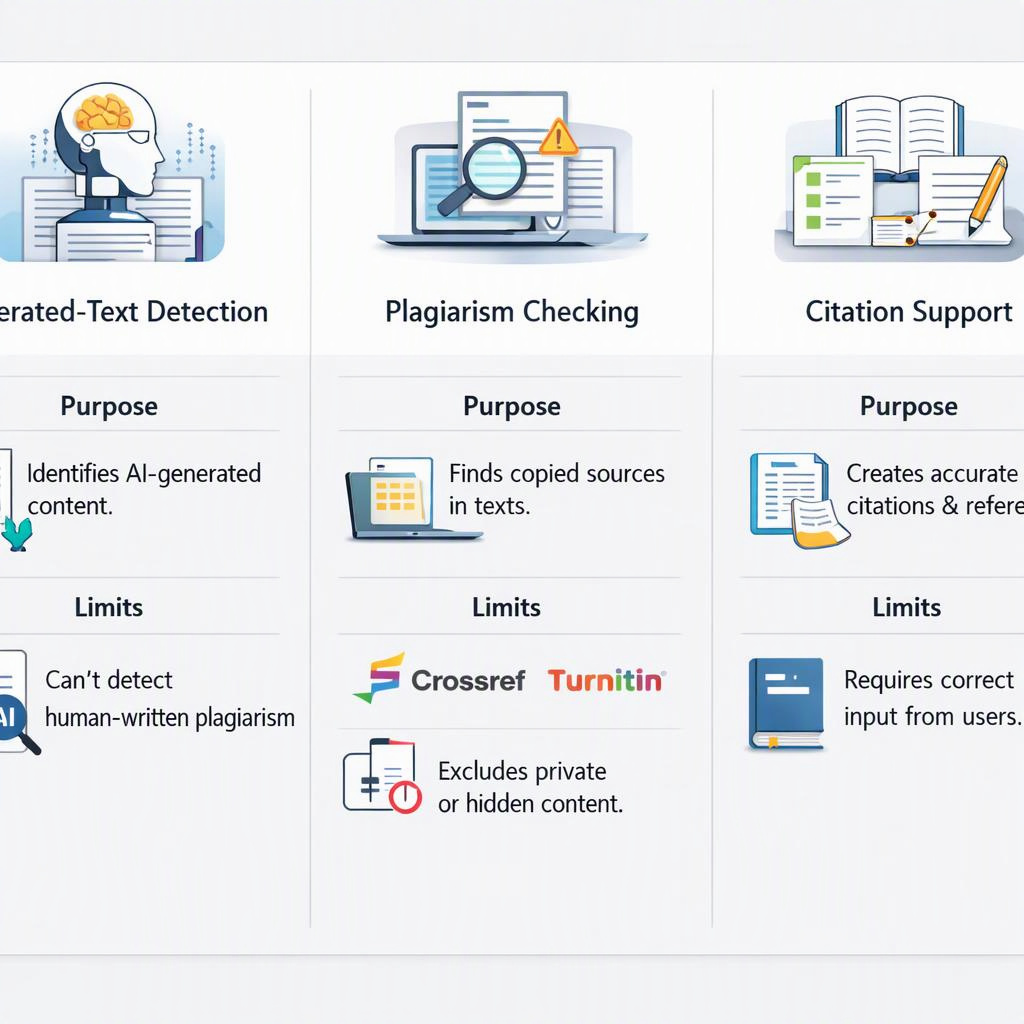
Detection, plagiarism checking, and citation support solve different problems. Before choosing a Scribbr service, identify the question you need answered. For a broader submission review, use the essay-checking guide alongside these distinctions rather than expecting one checker to cover everything.
- Generated-text detection: Looks for writing patterns associated with generated text. It does not observe the author at work, establish intent, or reconstruct how a draft developed.
- Plagiarism checking: Generally compares writing with available sources to find overlap. Matches need interpretation: properly attributed quotations and common phrases are not automatically misconduct. Source coverage also affects what the checker can find.
- Citation support: Helps with reference-related tasks, depending on the tool. A correctly formatted reference does not prove that a source exists, supports the attached claim, or has been quoted accurately.
These are category distinctions, not verified specifications for Scribbr’s current products. Check each service’s official description separately. If a quotation looks wrong, read the original passage. If attribution is missing, review the relevant wording and references. Those checks address the underlying problem more directly than a detection result would.
Interpret Detector Results Without Treating Them as Proof
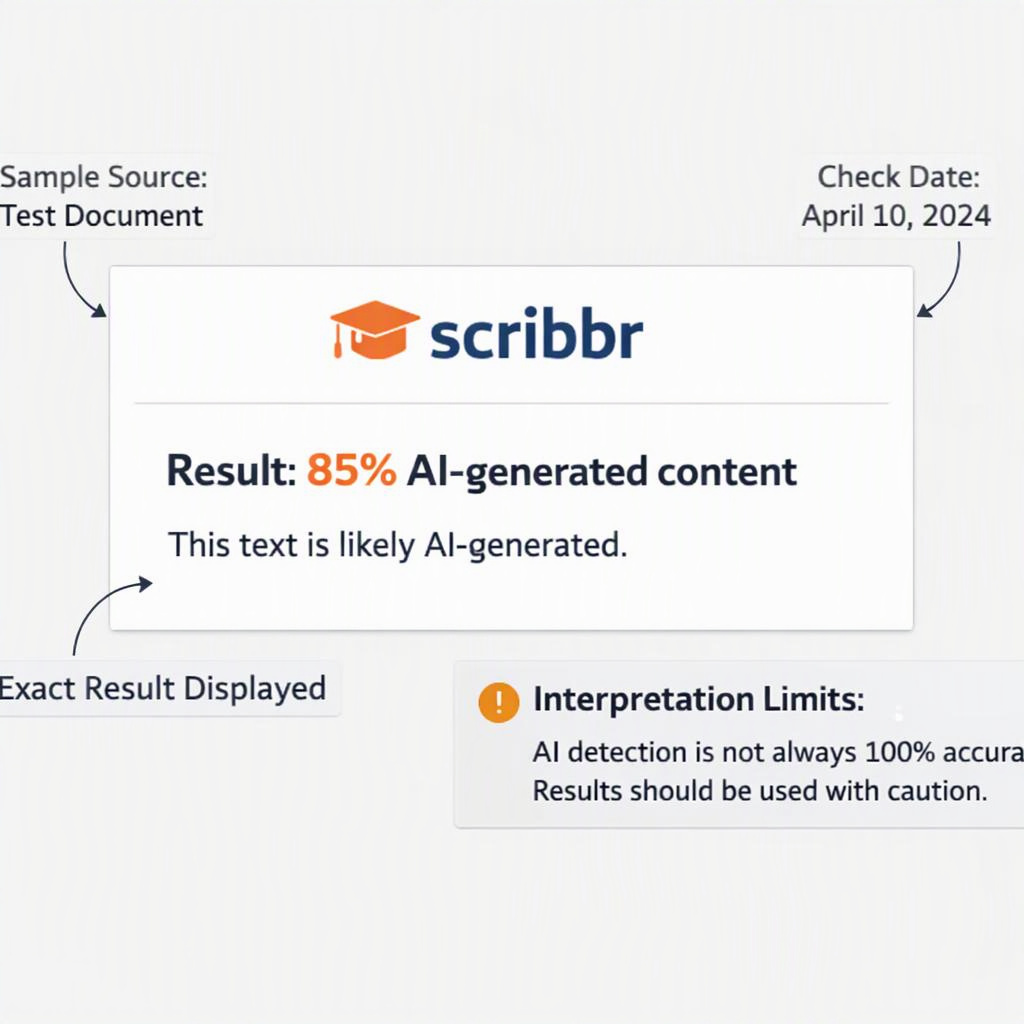
Start with the explanation attached to the result, not the size of a number. A displayed percentage should not automatically be read as the proportion of your essay that was generated or the probability of misconduct. Use only the meaning supported by the service’s current documentation; that terminology has not been verified here.
- Read the definition: Check what each label, number, or highlighted passage represents. Look for limitations that affect your text, rather than relying on the label alone.
- Allow for mistakes: Detectors can flag human-written work or miss generated text. Neither a concerning result nor a reassuring one settles questions about authorship.
- Separate claims from evidence: A vendor’s performance description is not the same as an independent evaluation. A sample result shows what happened with that input, not how every student essay will be classified.
- Keep a useful record: If you run a check, save the exact output and note the date, text source, preparation, available settings, and permission to upload the material.
No sample result is presented here. Assessing Scribbr detector accuracy would require a documented evaluation method and information about the texts tested. A few examples would not establish reliability across subjects, essay lengths, or writing backgrounds. Treat an unexpected result as a reason to review context—not as proof of wrongdoing or a reason to rewrite solely for a different score.
Decide When Scribbr Fits—and What to Verify Before Uploading
Scribbr is worth comparing if your specific goal is preliminary generated-text screening. That is narrower than checking whether an essay is ready to submit. Its suitability depends on verified input support, understandable results, acceptable access conditions, and privacy terms that fit your work. Compare those factors before choosing it over another checker or a manual review.
- Preliminary self-review: Potentially useful as one additional signal. Still review your argument, evidence, attribution, and assignment requirements before submission.
- Citation concerns: Choose source review or relevant citation support instead. Check quotations, publication details, attribution, and the required style.
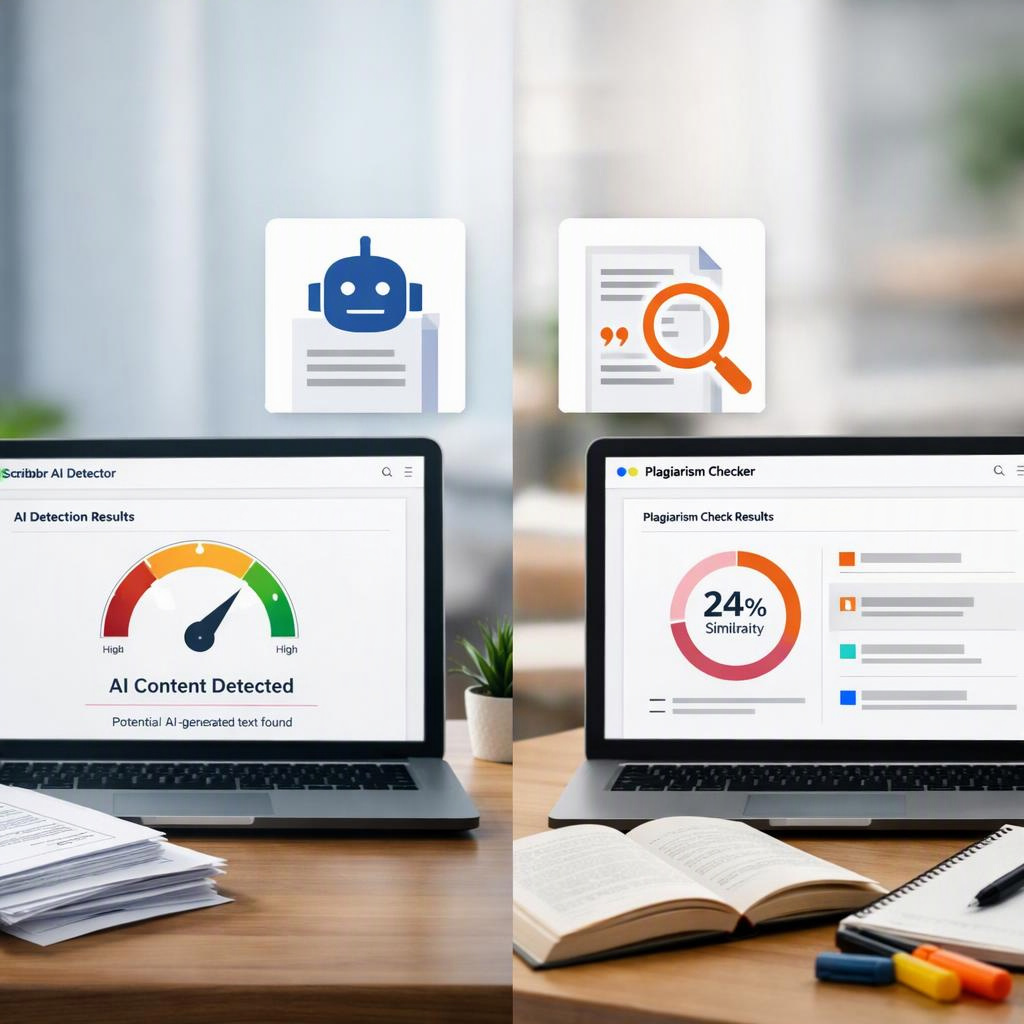
- Plagiarism concerns: Investigate source overlap and attribution separately. A detection result should not be interpreted as a plagiarism report.
- Sensitive unpublished work: Pause before uploading. Verify retention, deletion, sharing, and reuse terms, along with any confidentiality obligations attached to the material.
- Authorship disputes: Preserve drafts, notes, and revision history. Follow the institution’s review process rather than treating a checker as the deciding authority.
Check Scribbr’s official service documentation and privacy policy, and record when you reviewed them. Confirm supported languages, accepted formats, length limits, pricing, and result definitions. For coursework, also consult your syllabus and institution’s academic integrity policy. Requirements vary across US institutions. If permission or upload terms remain unclear, ask your instructor or the relevant office before sharing the essay.
Conclusion
Scribbr’s detector may be useful for preliminary screening, but this review does not establish its current performance or access conditions. Its output cannot replace source checks, accurate citations, evidence of your writing process, or an institution’s review procedures. The right choice depends on the problem you are trying to solve.
Before uploading a student essay, compare the service’s documented language and format support, length limits, cost, result definitions, and privacy terms with your needs. Then confirm that your course permits the intended use. This makes the check relevant to your assignment rather than simply reassuring.
If those details cannot be verified, defer the upload and review your sources, notes, drafts, and instructions instead. If an instructor has raised a concern, preserve that evidence and ask how the review process works. Repeatedly changing passages to obtain a different detector result does not resolve questions about attribution, authorship, or permitted assistance.
FAQ
When is Scribbr’s detector a reasonable option?
It may suit preliminary self-review when its documented capabilities, access conditions, and privacy terms fit your essay. It is not a stand-alone solution for citation problems or authorship disputes. Verify course rules before using it.
Does a detector result also check plagiarism or citation accuracy?
Do not assume so. Detection, source-overlap checking, and citation support address different questions. Confirm each service’s scope, and read your sources to verify that they support the claims attached to them.
What if my own writing receives a concerning result?
Save the original draft, output, notes, and revision history. Check the documented meaning of the result. If questioned, explain your writing process through the institution’s established procedure; another detector result is not decisive evidence.
Can a reassuring result guarantee that my essay is ready to submit?
No. Before submitting, use the essay-checking guide to review claim accuracy, source support, attribution, and reference completeness, then verify permitted assistance against your assignment rules. These checks address submission requirements a detector cannot certify.