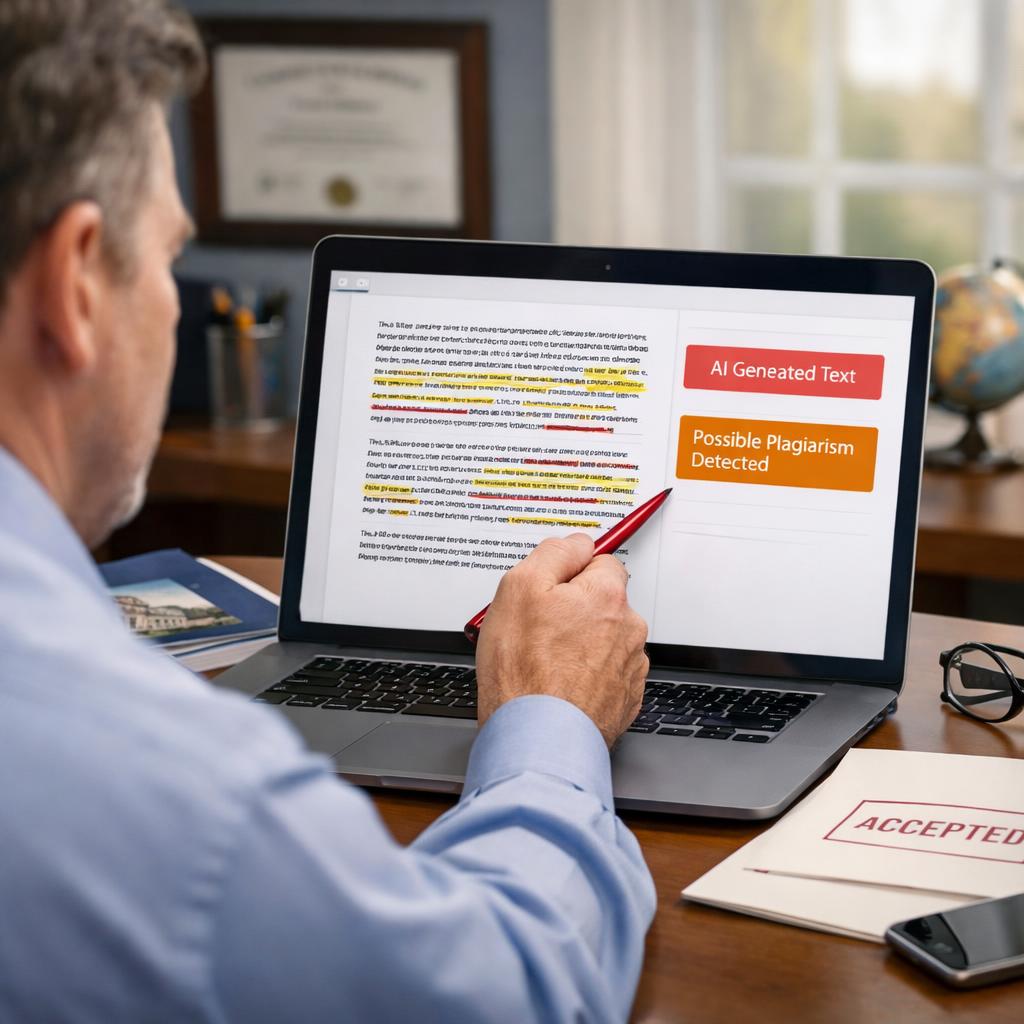

If you need a practical answer to how to build an smart detection benchmark for your school, start by treating the benchmark as a local evaluation process rather than a vendor demo. Your school needs a clear, documented way to compare tools, test them against real assignments, and decide what level of risk is acceptable before results affect staff workflow. A solid school detection benchmark framework helps prevent rushed purchasing decisions, uneven enforcement, and confusion about what a score actually means.

Start with a small committee that includes assessment leaders, instructional technology staff, faculty, and student support representatives. Connect the benchmark to your existing academic integrity review process so the evaluation reflects school policy instead of sitting apart from it. Most important, benchmark results should guide human review and should never be the only basis for discipline, grading decisions, or misconduct findings. That guardrail keeps the process fair while still giving your school useful evidence about how to evaluate detection tools in schools.
Set the benchmark goal before you test anything
A benchmark only works if the school is clear about the decision it needs to make. Are you comparing several tools, checking whether one tool works across departments, or measuring whether current review practices create too much staff workload? Write a short goal statement that names the student population, assignment types, review timeline, and acceptable error rate. This keeps the team from chasing a single score that may look impressive but does not help teachers, integrity officers, or student support staff.
Define what success looks like for accuracy, fairness, and staff workload
Success should cover more than overall detection rates. Include criteria for false positives, false negatives, review time, and consistency across grade bands and subject areas. A tool may look strong in a summary report but still perform poorly on multilingual writing, heavily scaffolded assignments, or short reflections. Decide in advance how much manual review is realistic each week and what evidence reviewers must gather before escalating a case. A benchmark false positives in student writing plan matters because even a modest false-positive rate can create trust and equity problems when applied at school scale.
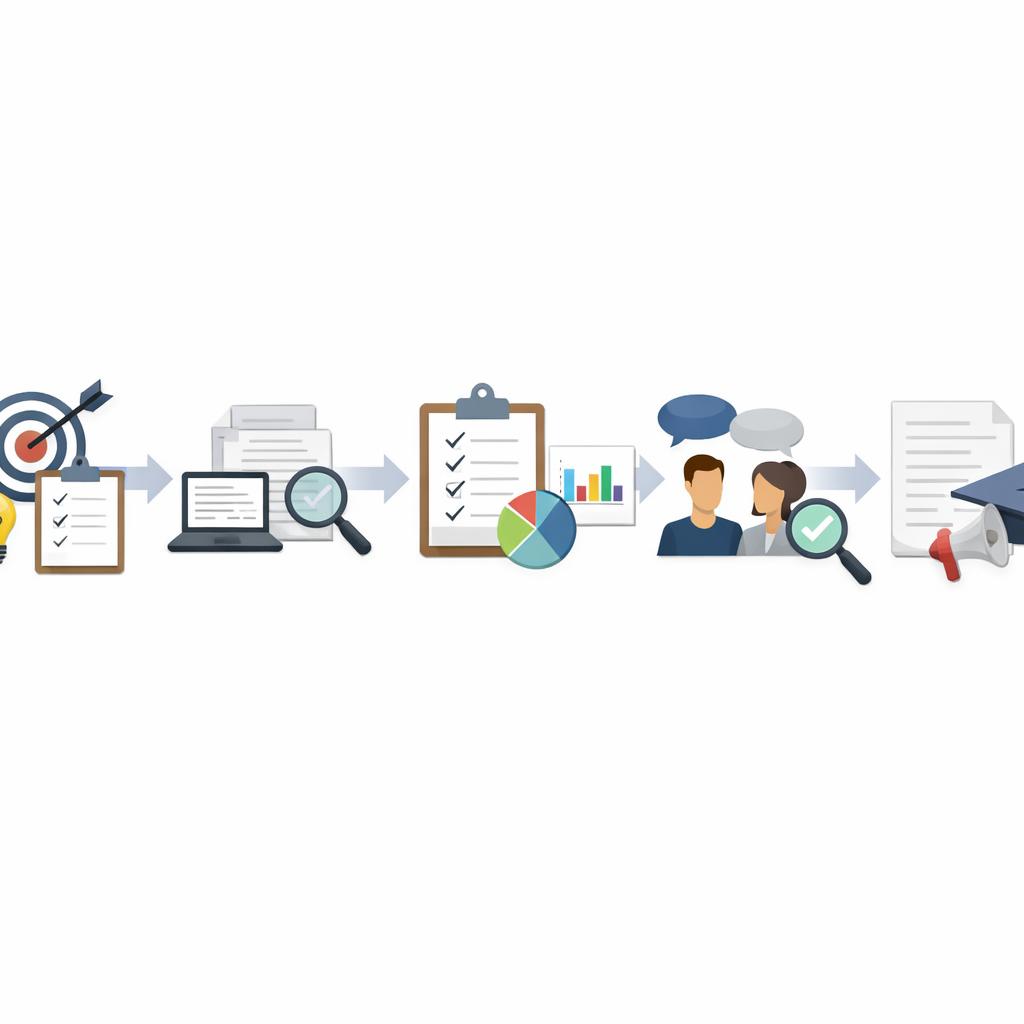
Create a balanced sample set that reflects real school writing
Your sample set should mirror actual school conditions as closely as possible. Include writing from multiple grade levels, course types, lengths, and prompt designs, with a mix of in-class writing, drafts, final submissions, and work produced with different levels of support. Label each sample by known source category so reviewers can compare results fairly. A useful sample set often includes clearly human-written work, permitted support-assisted work, and confirmed machine-generated text collected under controlled conditions. Protect student privacy by removing identifying details and following local data handling rules.
Include grade levels, assignment types, and edge cases to reduce bias
To reduce bias, include edge cases that often confuse automated writing checks: English learner writing, formulaic lab reports, structured discussion posts, heavily revised essays, and work from students using approved accommodations. Vary genres as well, such as literary analysis, personal reflection, STEM explanations, and short-answer responses. Schools often ask how large the writing sample should be for a fair benchmark. A practical starting point is enough samples to cover each major assignment category several times, then expand if the first round shows unstable results. The goal is not a perfect research study. It is a realistic school policy for detection review process decisions.
Score results, review mistakes, and turn findings into policy
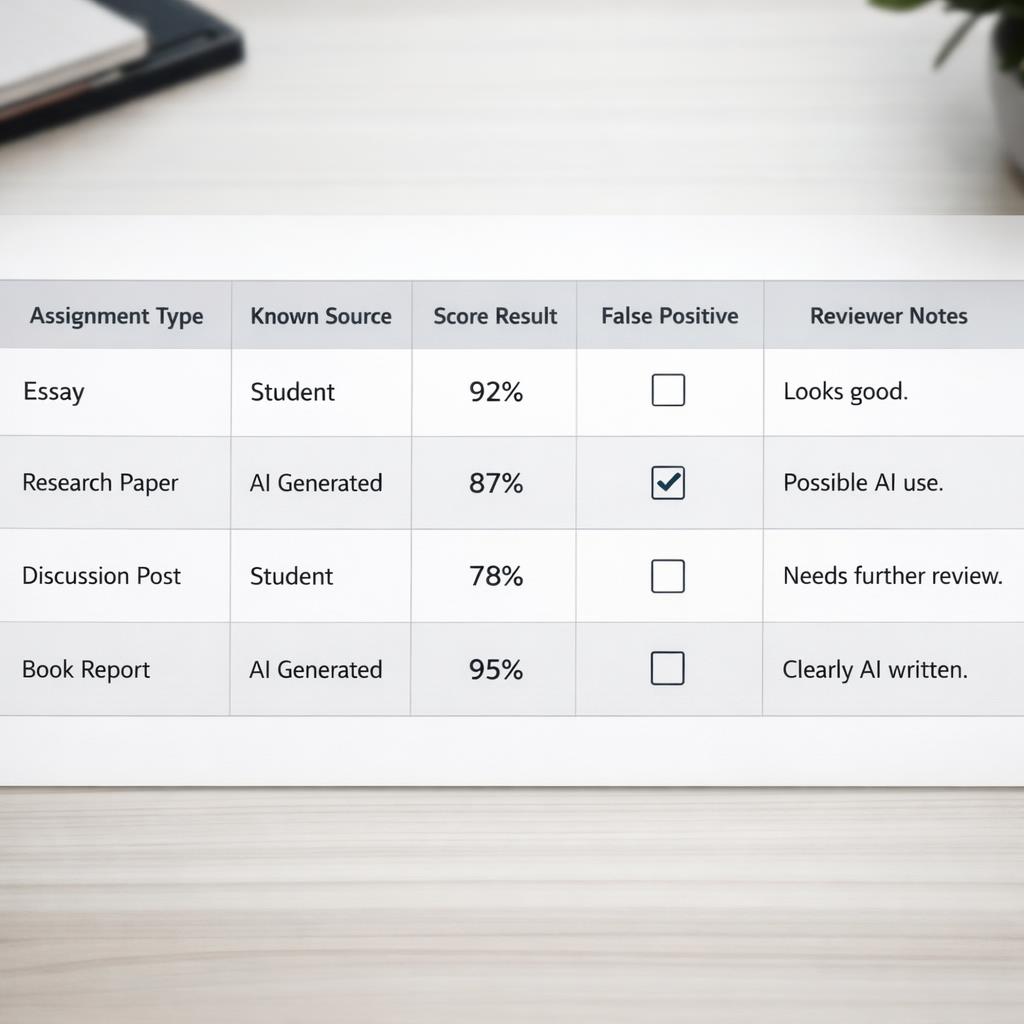
Create a simple scoring table for each sample: assignment type, known source, tool result, confidence band if shown, reviewer judgment, and notes explaining why the result was correct or incorrect. Then calculate the measures that matter most to decision-makers, especially false positives, false negatives, and cases that required escalation. This is where a shared student writing review rubric becomes especially useful because it helps reviewers apply the same standards across courses and reduces anecdotal judgments based on one unusual paper.
Use a repeatable rubric for false positives, false negatives, and escalation steps
After scoring, review every mistake pattern and ask what action the school should take. If a tool flags too many authentic submissions, policy should limit its role to triage rather than evidence. If it misses common forms of machine-generated text, staff should know not to rely on it for screening. Document who reviews flagged work, what added evidence is required, how students can respond, and when no further action should occur. That makes the benchmark repeatable and turns testing into a decision record that can support procurement, training, and oversight.

Conclusion
Knowing how to build an smart detection benchmark for your school means building a process that is fair, documented, and useful in day-to-day practice. Start with a narrow goal, test against a balanced sample set, and score results with a repeatable rubric that highlights both strengths and failure points. When schools use a clear school detection benchmark framework, they are better able to compare tools, estimate staff workload, and protect students from overreliance on uncertain signals.
The best benchmark is one your team can repeat each term or whenever assignments, student populations, or review expectations change. Keep the process tied to human judgment, local policy, and evidence-based escalation. If you follow that approach, your benchmark will do more than rank tools. It will support a safer, more consistent way to evaluate detection tools in schools while keeping fairness and trust at the center.
FAQ
What should a school include in a detection benchmark?
A school should include a written goal, a balanced sample set, source labels, scoring rules, reviewer notes, and an escalation policy. It should also define acceptable error levels and make clear that tool results support human review rather than replace it.
How large should the writing sample be for a fair benchmark?
Use enough samples to cover each major grade band, assignment type, and writing condition more than once. Many schools begin with a manageable pilot set, then expand if early results show uneven performance or unclear patterns.
Who should review flagged results during the benchmark?
Review should involve a small cross-functional team, such as instructional technology staff, assessment leads, and academic integrity staff, with input from faculty. That mix improves consistency and reduces the chance that one department's assumptions shape the entire process.
How often should a school rerun the benchmark?
Rerun it when policies change, when new tools are considered, or when assignment formats shift significantly. A light review each term and a deeper annual check is a practical schedule for many schools.