
Yes, colleges can sometimes detect ChatGPT essays in the Common App, but not with total certainty. In practice, admissions teams rarely depend on a single detector or one suspicious phrase. They read for authenticity, detail, consistency, and whether the essay fits the rest of the application. For a broader look at how readers notice unusual writing patterns, see how teachers detect chatgpt in essays. That context matters because this issue is usually less about proving how a draft was created and more about whether the essay sounds like the real student.
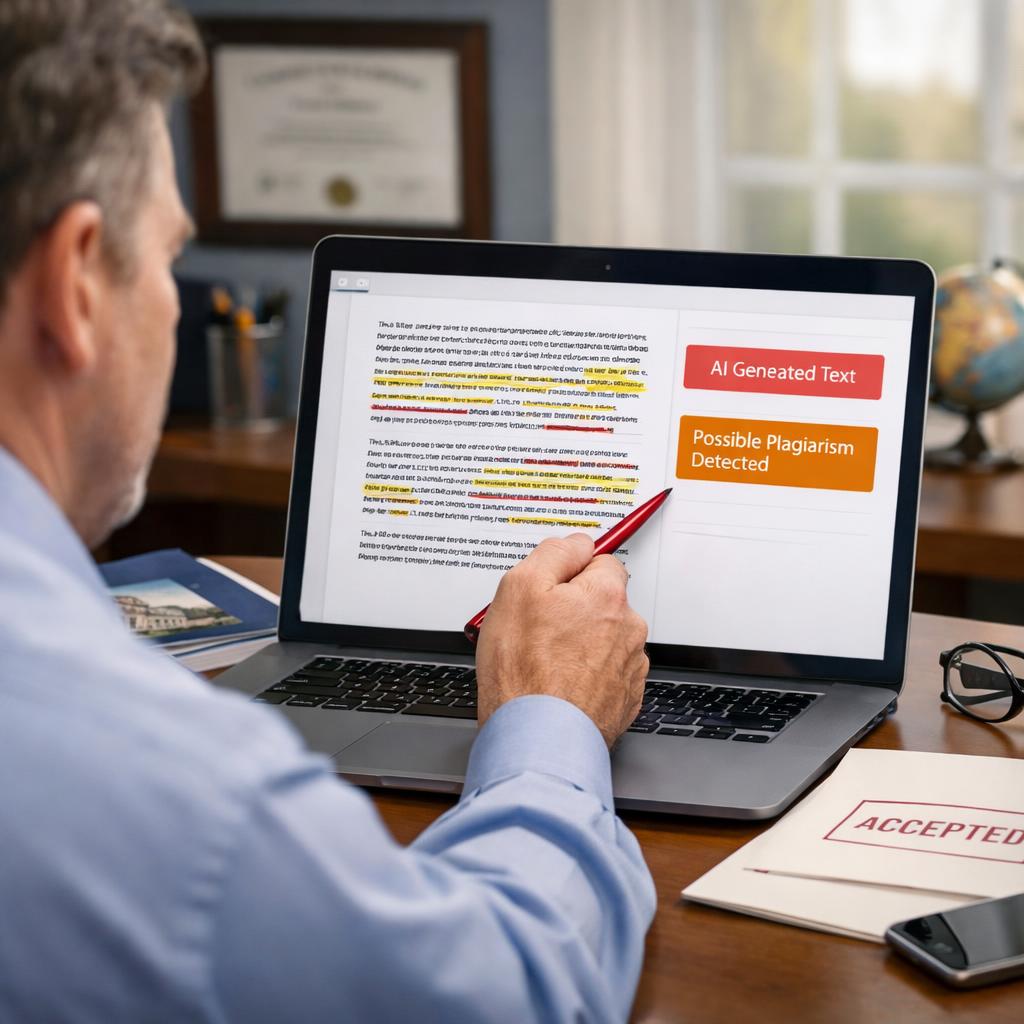
For students, parents, and counselors, the most useful takeaway is simple: colleges may run software checks, but human readers still matter much more. A Common App essay that feels polished yet oddly vague, disconnected from the student’s activities, or inconsistent with grades, recommendations, and short answers may get a closer look. That does not mean strong writing is suspicious. It means the personal statement is expected to reveal real perspective, honest reflection, and a voice that feels lived-in rather than manufactured.
Can colleges actually detect ChatGPT essays in the Common App?
Colleges can sometimes flag essays that seem unusual, but common app essay chatgpt detection is far from exact. Some schools may use writing detectors or plagiarism-style checks as one source of information, especially when a submission feels formulaic or strangely uniform. Still, those tools can be wrong in both directions. A natural essay may be flagged, and a heavily assisted one may pass. That is why admissions decisions are rarely based on a detector score alone.
When families ask, can colleges detect chatgpt essays in common app, the better answer is that they often notice patterns rather than find proof. Admissions officers compare the essay’s tone with supplemental responses, school transcripts, activity lists, recommendation letters, and sometimes graded writing samples. If the personal statement sounds deeply reflective and highly stylized, but every other part of the file is much simpler or less specific, that mismatch can stand out quickly.
Readers also notice what software struggles to measure: personality. A personal statement may be grammatically clean and neatly structured but still feel generic. It might rely on broad claims about growth, leadership, or resilience without grounding them in vivid scenes or concrete details. It may sound thoughtful on the surface while revealing very little about how the student actually thinks. In that sense, the real question is not just whether colleges can catch machine-like writing. It is whether the essay helps them trust the applicant behind it.
What admissions readers notice beyond software checks
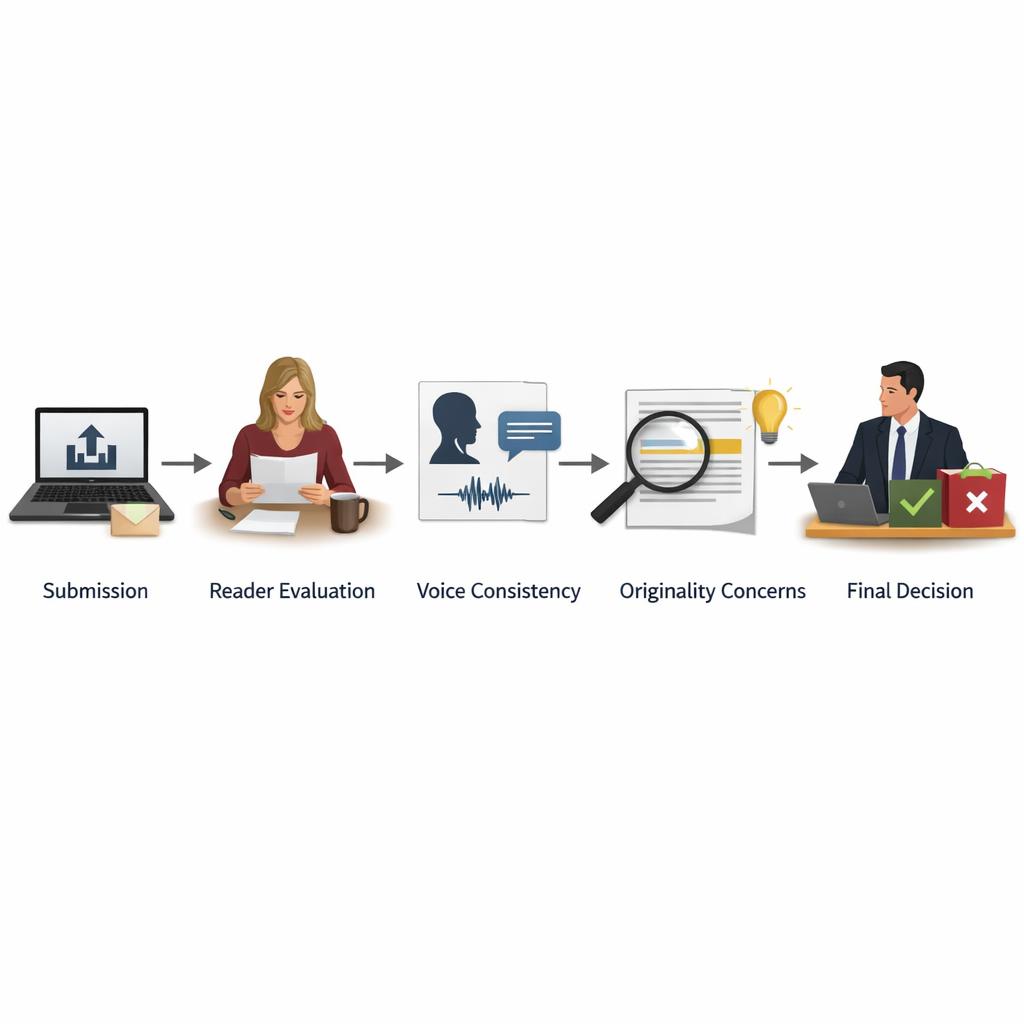
Admissions readers are trained to look for voice, specificity, and credibility. They often respond better to an essay with a few rough edges and a clear point of view than to one that sounds flawless but interchangeable. If many applicants could swap names and still use the same essay, it may not work well in a competitive pool.
They also read across the file. If your Common App essay uses elevated language, abstract insights, and polished transitions, but your activities section and short answers sound plain or rushed, that contrast may raise questions. So while some people ask do colleges check for chatgpt in essays, the larger issue is whether the application feels coherent and genuinely yours.
Common signs a Common App essay may not feel authentic
A Common App essay usually feels less authentic when it leans on familiar themes without enough personal depth. Admissions officers read countless essays about sports injuries, family sacrifice, cultural identity, service trips, and learning to lead. Those topics are not bad choices. The problem begins when the essay follows a predictable path, uses polished but empty phrases, and never moves into the specific moments that make a story memorable.
Another common issue is emotional distance. Some essays sound impressive, but they never let the reader see a real scene, hear a natural voice, or understand why the experience mattered to that particular student. The writing may summarize lessons instead of showing discovery. It may tell the reader what happened without revealing uncertainty, surprise, conflict, or change. That can make the essay feel assembled rather than personally lived.
Mismatch matters too. If the essay presents the student as unusually introspective, literary, or mature, but recommendations and extracurricular descriptions paint a very different picture, admissions readers may pause. This is where signs an essay sounds generic or inconsistent become especially relevant. Colleges do not need certainty to notice that something feels off. They only need enough context to wonder whether the essay is offering a truthful picture of the applicant.
Why polished but generic writing raises concerns
Generic writing often sounds safe, balanced, and technically correct, but it can flatten the details that make a personal statement convincing. Heavy use of writing tools may smooth away unusual phrasing, remove small but telling specifics, and replace individual thought with broad conclusions that sound wise but not personal. The result is an essay that reads cleanly yet leaves little behind.
That is why a too-perfect essay can sometimes draw more scrutiny than one with a few awkward sentences. Admissions officers know students get help from teachers, counselors, and family members. What they want is not perfection. They want a believable voice, a clear sense of self, and reflection that seems connected to real experience.
How to use ChatGPT carefully without risking your application
If you are wondering how to use chatgpt for college essays safely, the best approach is to keep ownership of the ideas, structure, and final wording. Writing tools can be useful for brainstorming topic angles, making a revision checklist, or pointing out where a paragraph feels confusing. They become much riskier when they generate the draft itself or reshape your story into language you would never actually use.
A smart process is to write your own rough draft first. After that, use outside help only for narrow tasks: cutting repetition, testing whether a transition is clear, or identifying places where reflection feels thin. Keep your real examples, your natural rhythm, and your judgment. If a sentence sounds impressive but not like you, remove it. Students who stay close to their own voice are much less likely to create the kind of mismatch that raises concerns during review.
Safer ways to brainstorm and revise while keeping your voice
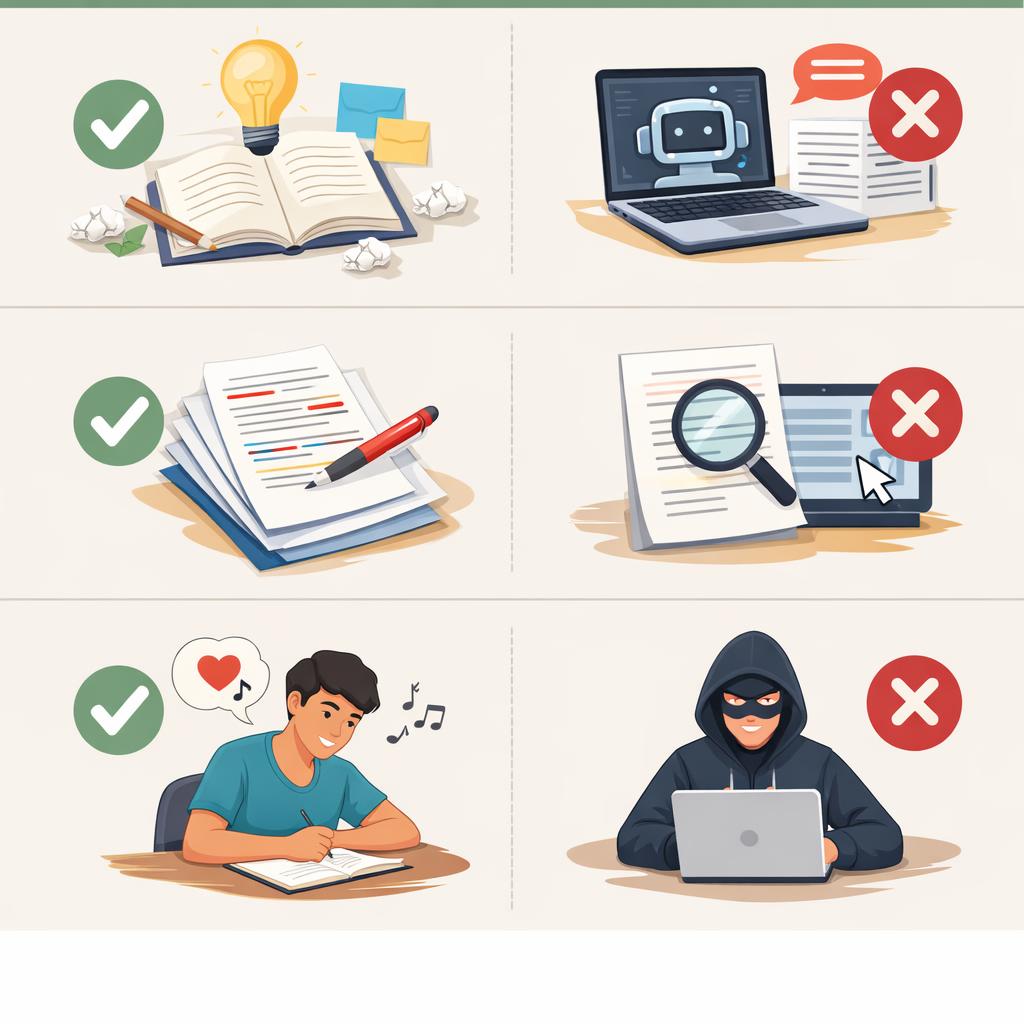
- Do: brainstorm story ideas, turning points, and details from your own life before asking for any writing help.
- Do: ask for revision questions, such as where the essay needs stronger reflection, clearer structure, or better focus.
- Do: compare your final draft with school writing samples to make sure the tone still sounds natural for you.
- Do not: submit a personal statement drafted mostly by a writing tool.
- Do not: keep polished phrases that feel too formal, too generic, or unlike the way you normally write.
- Do not: remove the quirky, specific details that make your story believable just to sound smoother.

Conclusion
So, can colleges detect ChatGPT essays in the Common App? Sometimes they can spot warning signs, but detection is imperfect and usually not the main point. Admissions readers care most about whether the essay feels authentic, specific, and consistent with the rest of the application. Software may play a supporting role, yet human judgment still carries the most weight.
For most applicants, the best strategy is not trying to beat detectors. It is writing a personal statement that reflects your real experiences, your natural language, and your own way of thinking. Careful feedback can make that essay clearer and stronger, but the core voice should remain yours. That approach not only lowers the risk of sounding generic, it also gives colleges a more trustworthy reason to remember you.
FAQ
Do colleges use software to check Common App essays?
Some colleges may use software checks or writing detectors, but many still rely mainly on human readers. Even when tools are used, they are usually just one signal and not final proof that a student used ChatGPT.
Can admissions officers tell when an essay sounds generic?
Often, yes. Readers review large volumes of essays and can usually spot broad lessons, vague detail, recycled phrasing, or writing that feels polished but impersonal. Even if they cannot prove how it was written, they may sense that it lacks a real individual voice.
Will using ChatGPT automatically get an application rejected?
Not automatically. Outcomes depend on school policy, how the tool was used, and whether the essay still represents the student honestly. The biggest risk is submitting a final draft that sounds inconsistent with the rest of the application or fails to reflect the applicant’s real voice.
What is the safest way to get help with a college essay?
The safest method is to draft the essay yourself and use outside help for brainstorming, organization, and revision feedback. Keep your own experiences, wording, and judgment at the center so the final Common App essay stays personal, credible, and consistent.