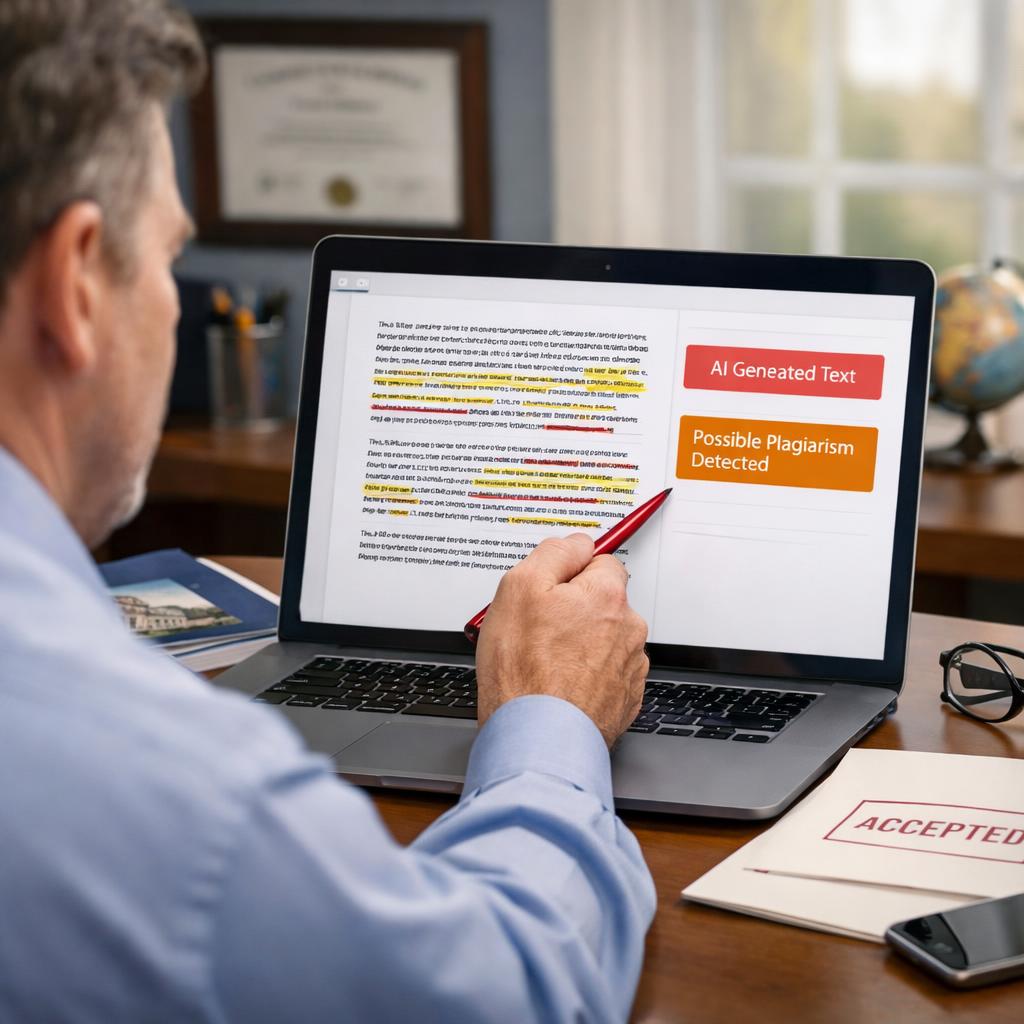

Teachers rarely use a single test to judge a paper. More often, they read the essay closely, compare it with the student’s earlier work, and ask whether the ideas, sources, and drafting process fit together. That is why questions about how teachers detect chatgpt in essays usually come down to writing patterns, classroom context, and fair follow-up rather than one quick yes-or-no check.

In many schools, that review happens alongside school plagiarism and originality policies. A teacher might notice a sudden change in voice, weak support, or citations that look off, then check drafts, class participation, or revision history before making any judgment. One clue alone rarely proves anything, so experienced teachers usually look for several signals that point in the same direction.
What Teachers Notice First in an Essay
Sudden shifts in voice, detail, and classroom performance
The first red flag is often a mismatch between the essay and the student the teacher knows. If a student usually writes short, uneven paragraphs but suddenly turns in a smooth, highly polished paper with advanced vocabulary, that difference can stand out right away. Improvement is possible, of course, but a dramatic jump often leads to a closer read.
Teachers also pay attention to how specific the writing is. Some essays sound fluent but stay oddly broad, avoiding the exact examples, texts, or class ideas that should appear in a strong response. A paper may look polished on the surface while showing only shallow understanding underneath. If the student then struggles to explain the argument in person, the inconsistency becomes more important. That is often part of how teachers know if you used chatgpt for an essay: the submitted work does not fully match the student’s usual writing habits or demonstrated knowledge.
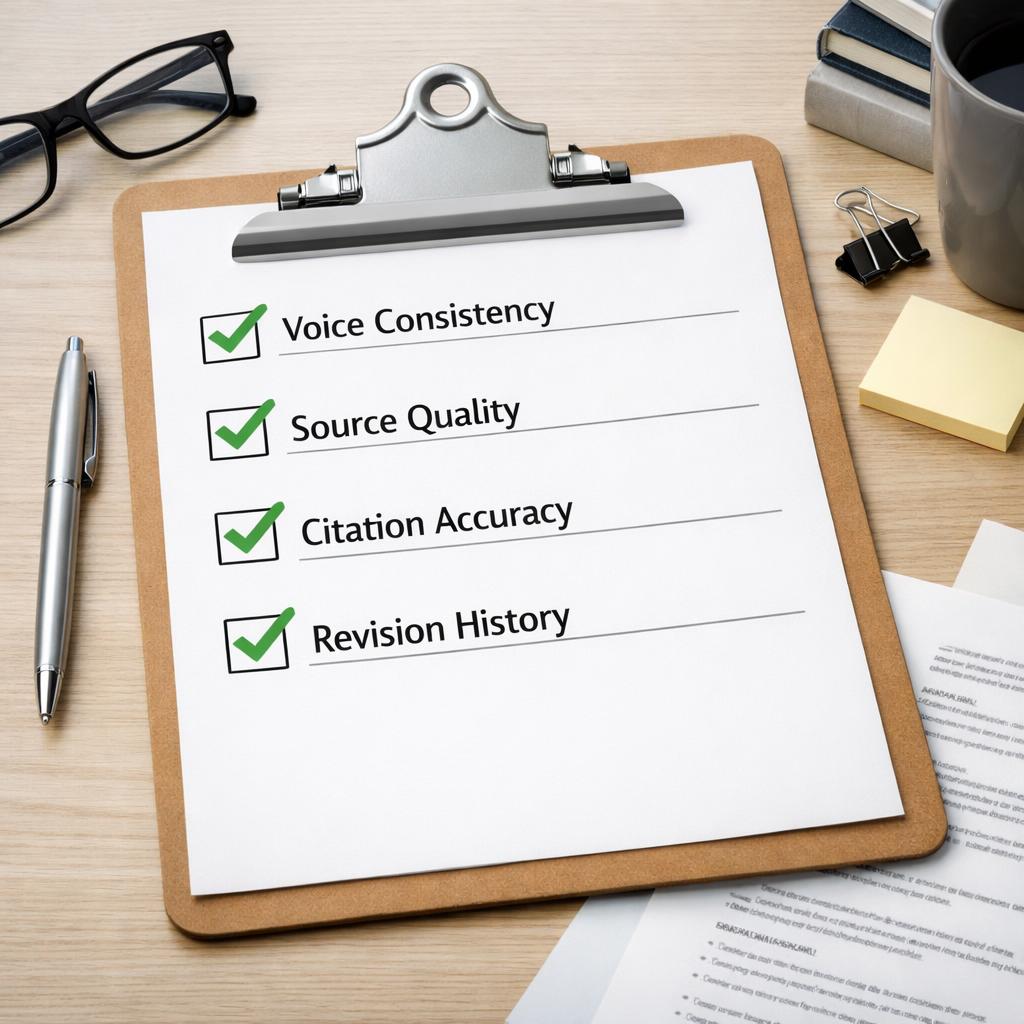
- Image brief: Create a simple checklist graphic showing common teacher review points such as voice consistency, source quality, citation accuracy, and revision history; place near the first body section.
The Main Signs That Raise Suspicion
Generic wording, weak evidence, and made-up citations
One common pattern is polished but generic writing. The essay may sound calm, balanced, and formal while saying very little. Teachers often notice vague topic sentences, predictable transitions, and paragraphs that repeat the same point in slightly different words. Instead of building a clear argument, the paper circles around the topic with broad claims that could fit almost any assignment.
Another issue is evidence. Teachers frequently check whether quotations are accurate, whether page numbers make sense, and whether the listed sources are real. Sometimes a paper includes references that look believable but cannot be verified, or it summarizes a reading in a way that misses key details a student should know after actually doing the assignment. This is a major part of how teachers check for chatgpt in writing. If students want to avoid these problems in honest work, it helps to learn how to build a stronger essay draft with your own voice so the argument, evidence, and citations clearly reflect real reading and revision.
Teachers may also notice an essay that feels too even from beginning to end. Real student writing often has variation: a strong paragraph, a weaker one, a sentence rewritten halfway through a draft, or a section that shows effort but not perfection. A suspicious paper can feel strangely flat in its excellence or strangely flat in its vagueness, with the same rhythm and level of detail in every paragraph. That kind of uniformity does not prove anything by itself, but it can add to other concerns.
How Teachers Confirm Concerns Fairly
Draft checks, follow-up questions, and revision history
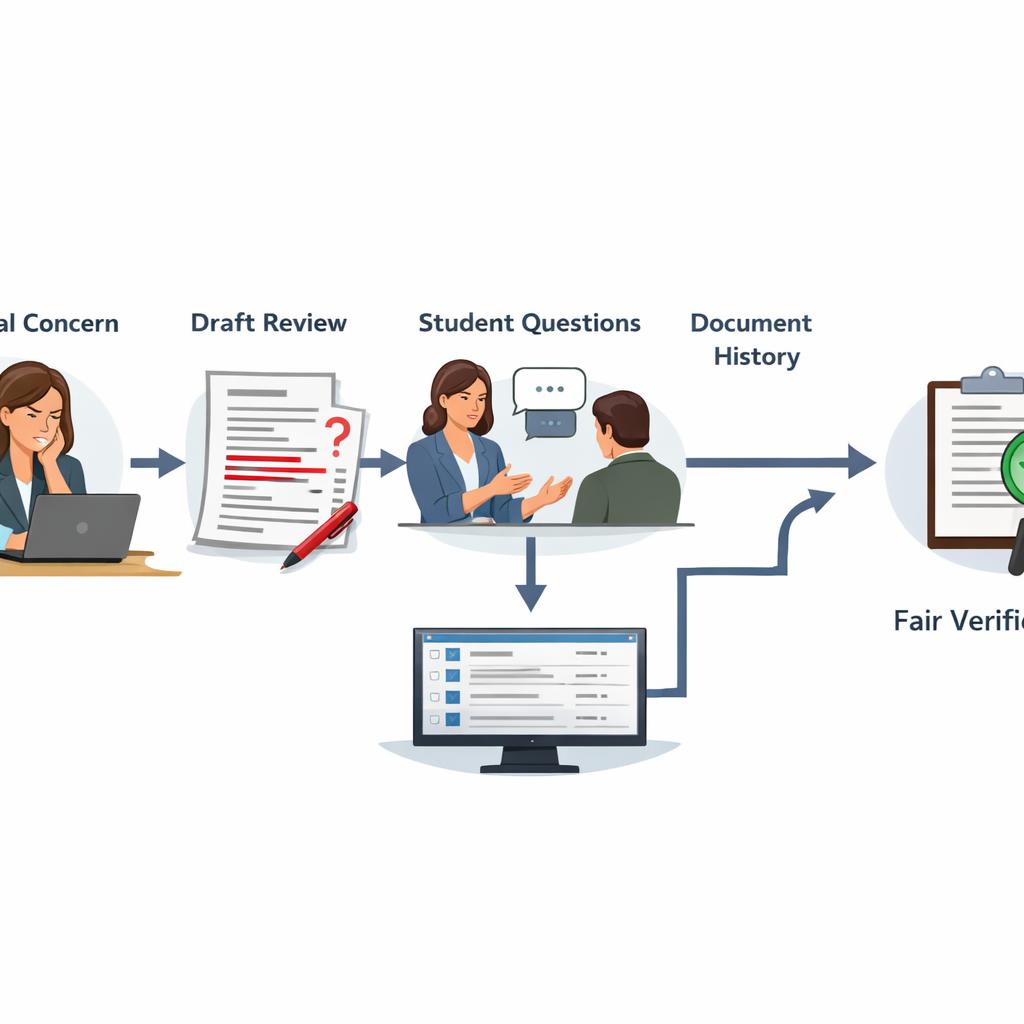
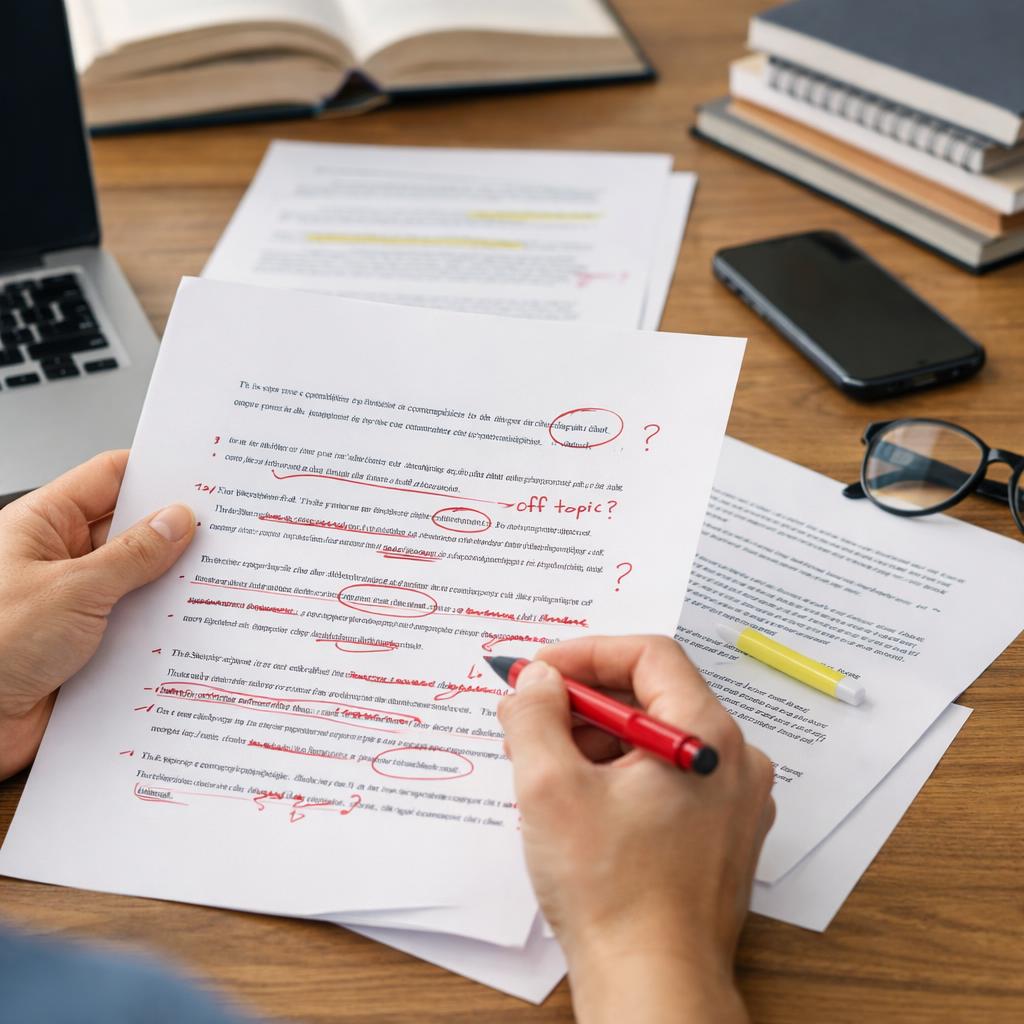
When a teacher is still unsure, the next step is usually process-based verification, not an immediate accusation. They may ask to see notes, outlines, rough drafts, or document history to understand how the essay developed. A genuine writing process often shows false starts, deleted lines, reorganized paragraphs, and gradual improvement over time. By contrast, a file that appears almost complete all at once with little visible revision may prompt more questions, even though that alone is still not final proof.
Follow-up conversation is another common check. A teacher might ask the student to explain a claim, define a word used in the paper, or describe why a source was selected. These are simple questions, but they reveal a lot. Students who wrote the essay themselves can usually explain their reasoning, even if the paper is not perfect. Students who cannot discuss the argument, evidence, or wording may raise concern. For many people asking can teachers tell if chatgpt wrote your paper, this is the most realistic answer: sometimes they can spot strong warning signs, but fair judgment usually depends on multiple pieces of evidence reviewed together.
Context matters too. Teachers compare the essay with class discussions, in-class writing, homework, and earlier submissions. A polished final draft is more believable when it matches the student’s participation and shows a visible path from planning to revision. In other words, teachers are not just reading the final paper. They are reading the whole story around it.
- Image brief: Design a process flow visual that maps how a teacher moves from initial concern to fair verification through draft review, questions, and document history; place in the final body section.
Conclusion
Understanding how teachers detect ChatGPT in essays begins with a simple idea: most teachers evaluate suspicious writing the same way they evaluate any questionable paper. They look for mismatched voice, broad claims without support, inaccurate or invented citations, and a drafting process that does not fit the final result. They also compare the essay with class discussion, earlier assignments, and the student’s ability to explain the work afterward.
No single sign is perfectly reliable. Strong students can improve quickly, and honest papers can still sound formal or awkward. That is why careful teachers usually combine several clues before deciding that a paper needs follow-up. For students, the best safeguard is still the same: use real sources, keep drafts, revise thoughtfully, and write in a voice you can actually defend.
FAQ
Can teachers tell if ChatGPT wrote an essay without a detector?
Often, yes. Teachers may notice a sudden shift in voice, generic analysis, citation issues, or a mismatch between the paper and the student’s classroom performance. Most do not rely on one tool alone. They usually combine close reading, context, and follow-up questions.
What essay patterns make teachers suspicious of ChatGPT use?
Common warning signs include polished but vague wording, repeated sentence patterns, broad claims without specific evidence, inaccurate quotations, and citations that do not lead to real sources. Essays that sound confident but offer little real analysis often get extra attention.
Do teachers check revision history and drafts?
Many do when they have concerns. Drafts, notes, outlines, and document history can show whether the paper grew through normal revision or appeared nearly finished with little evidence of planning. That process can help teachers review a case more fairly.
Can a student be questioned even if the essay looks good?
Yes. A teacher may ask about the thesis, wording, sources, or structure simply to confirm authorship and understanding. In many cases, a student who genuinely wrote the paper can explain those choices clearly and without much trouble.