

Choosing the best smart content detector for seo agencies is not about finding a tool that promises perfect certainty. It is about creating a review process your team can use consistently, confidently, and without slowing production. Agencies need a detector that supports editorial decisions, protects client trust, and fits naturally into daily operations. If you are deciding how to choose a content detector for seo agencies, use a practical framework: test accuracy, review false positives, check workflow fit, and confirm that reports are clear enough for editors and clients. A good detector should support human review, not replace it. If your team is tightening standards, a simple content QA checklist can help connect detector use to publishing expectations.

The best choice usually comes from structured testing rather than product claims. SEO agencies manage multiple writers, editors, clients, and approval stages, so the right tool is the one that gives reliable signals while matching the way your team already works. Below is a straightforward way to compare options without relying on brand-specific recommendations.
What SEO Agencies Should Look for First
The first priority is trust. A detector may look impressive in a demo, but if it gives inconsistent results on similar drafts, it can quickly undermine editorial confidence. Agencies should look closely at repeatability, score clarity, and whether the tool offers enough context to explain why a document was flagged. This is a key part of the best content detector criteria for client content review because editors need more than a warning label. They need usable information that helps them make a fair call. It also helps to test the tool across several content types, including blog posts, landing pages, product pages, and revised drafts.
Accuracy, false positives, and editorial trust
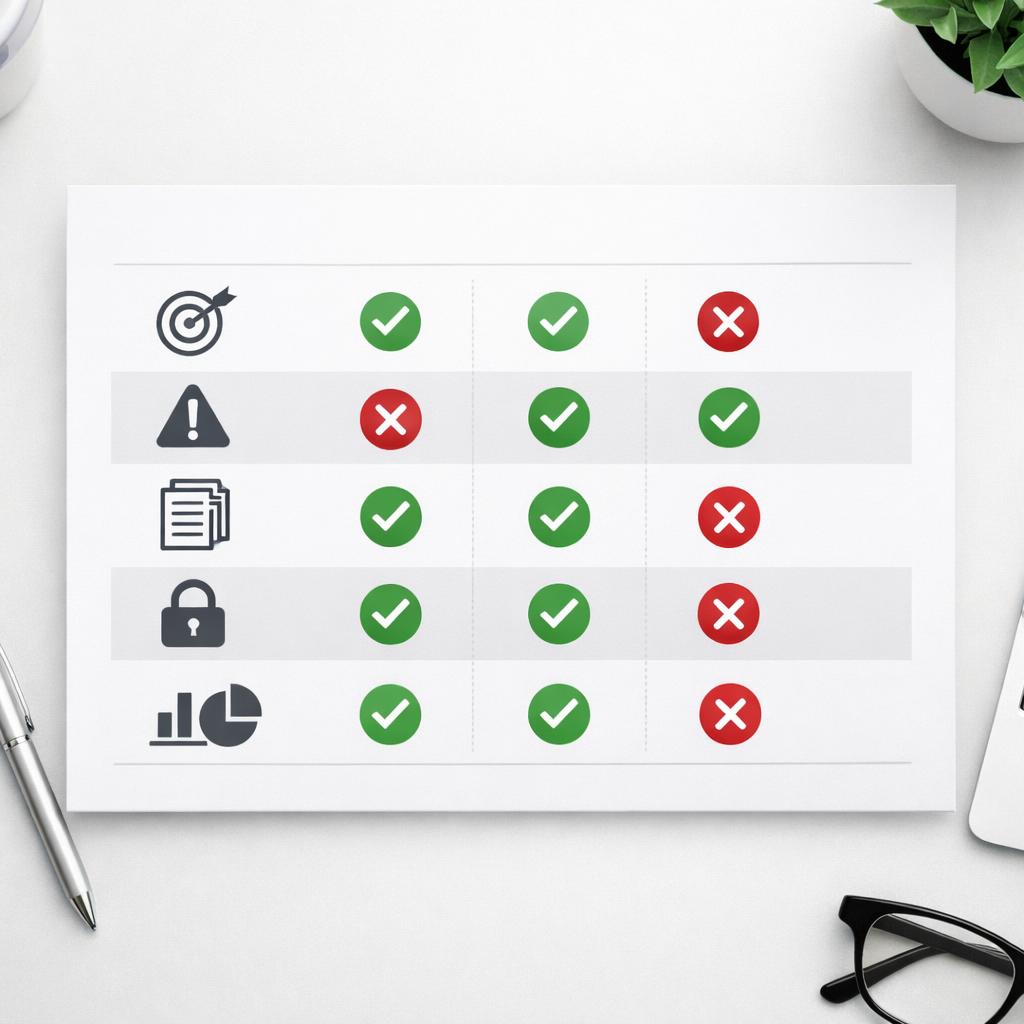
No detector gets everything right, so agencies should focus on risk management instead of headline accuracy claims. False positives are especially important because they can create tension with writers and clients when human-written work is flagged after heavy edits, templated structures, or repetitive formatting. A smart way to test is to build a sample set of known human-written, machine-assisted, and mixed-origin content, then review results over several rounds. The goal is to find a tool that gives useful signals without damaging trust inside the editorial team. In practice, the strongest content detection tool checklist for seo teams includes score consistency, explanation quality, low false positive risk, and easy interpretation by reviewers.
How to Compare Tools for Agency Workflows
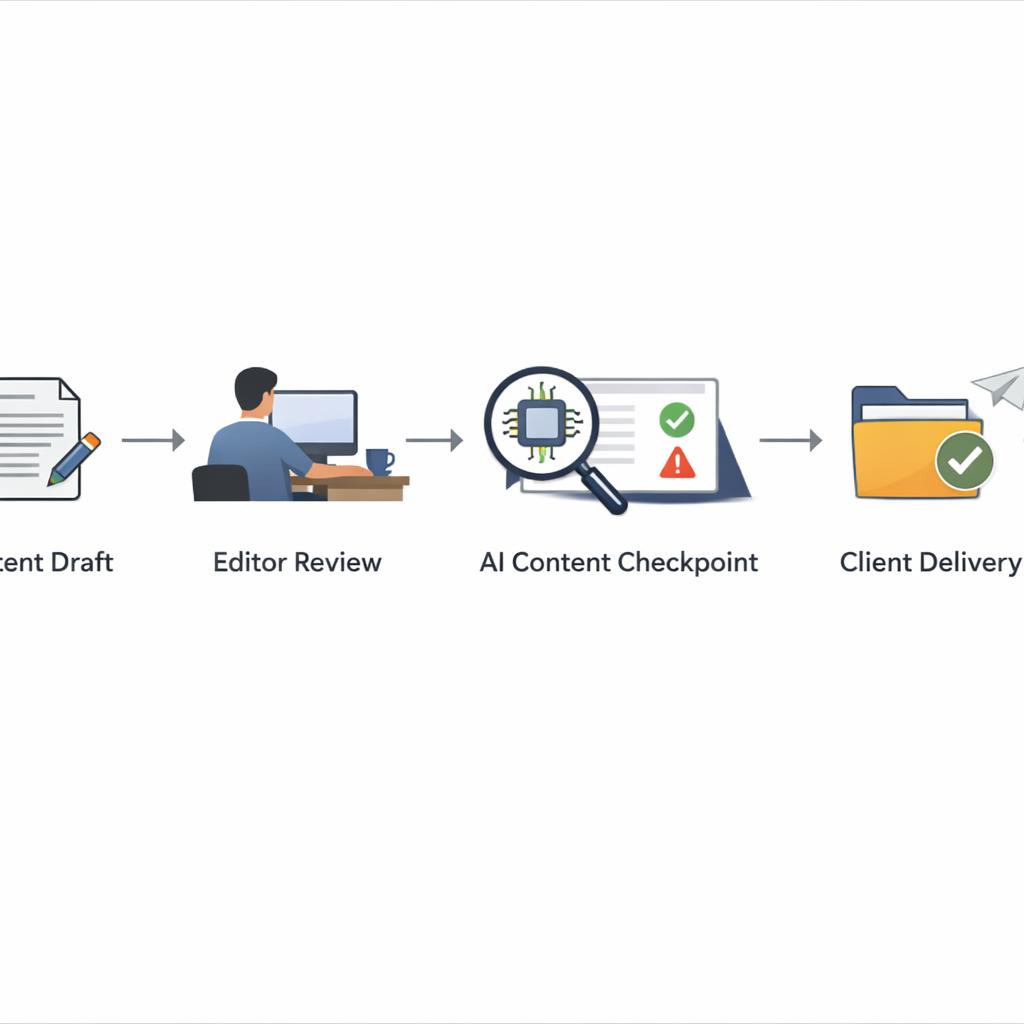
Once a detector passes the trust test, the next question is whether it works in a real agency setting. Many teams review content in batches, move drafts through multiple editors, and need a clean handoff before client delivery. That is why content detector features for agency workflows should include bulk checks, simple user access controls, easy exports, and a visible history of checks by document or reviewer. If editors have to paste every article one by one or cannot track who reviewed what, adoption usually drops fast. The detector should fit into your existing process rather than create a separate one.
Bulk reviews, client reporting, and team access
Reporting matters just as much as detection. Internal findings often shape client conversations, so teams need a way to document results, add editorial notes, and separate internal quality checks from client-facing explanations. If your agency already follows an editorial workflow guide, compare each tool against that process step by step. Access settings also deserve close attention. Operations leads may need account-wide visibility, while editors need practical access without exposing every client file to the whole team. A useful evaluation should cover batch handling, permissions, saved histories, exports, and whether reports support client reporting best practices without creating confusion or extra admin work.
Conclusion
The best smart content detector for seo agencies is the one that helps your team make better editorial decisions with fewer disputes and smoother client delivery. Accuracy matters, but so do false positives, reviewer confidence, permissions, batch handling, and reporting clarity. The smartest approach is to compare tools using real content, realistic workflows, and a written policy for how results will be used. That keeps detector output in the right role: a support signal inside a broader quality process. If your team wants a practical way forward, use a checklist, run a pilot, and judge each option by long-term fit instead of sales claims. That is usually how agencies choose a detector their editors will actually trust, adopt, and use consistently.

FAQ
What should SEO agencies prioritize when comparing content detectors?
Start with consistency, false positive risk, and how easy the score is to interpret. After that, review workflow fit, team permissions, and reporting options. A detector that looks strong in a demo but disrupts editing or creates unclear results will be hard to use at scale.
How accurate are content detectors for client-ready content?
Accuracy varies, and no detector should be treated as final proof on its own. Client-ready content often includes revisions, templates, and mixed drafting methods, all of which can affect scores. That is why agencies should combine detector checks with human review and a clear internal policy.
Can a content detector replace manual editorial review?
No. A detector is most useful as a screening and documentation tool. Editors still need to review quality, originality, tone, compliance, and fit for the client brief. Human judgment remains essential for final approval.
What is the best way to test a detector before rollout?
Run a short pilot using several content types, multiple reviewers, and known sample documents. Track score consistency, time required, reviewer trust, and whether outputs support internal notes or a client reporting template. A structured trial usually reveals much more than a feature list.