
If you are looking for an smart checker for college papers and discussion posts, you probably want a simple way to review your draft before you submit it. Most students are trying to catch problems early, improve clarity, and feel more confident about grammar, tone, and citations. A checker can help with that final review, but it works best as a support tool, not as a replacement for learning the material or following your instructor’s directions.
The strongest results usually come from combining a checker with your own editing process. Before you paste in coursework, review your class rules and the service’s privacy terms. It also helps to pair a tool with practical habits, such as learning how to proofread a college paper before submission. Whether you are revising a research paper, reflection, or weekly discussion post, the goal is the same: make clearer choices before your work reaches the course portal.
Why students use a checker before submitting academic work
College writing usually needs more than a quick spellcheck. Essays, response papers, and discussion posts all have different goals, but they share the same basic needs: clear structure, readable sentences, steady tone, and fewer avoidable mistakes. For students with packed schedules, a checker can create a useful pause between finishing a draft and hitting submit.
A checker for discussion board posts and assignments can also help students stay consistent across different types of coursework. A discussion reply may be much shorter than an essay, but it still needs focus, relevance to the prompt, and polished wording. That is why many students searching for the best checker for college essays and discussion posts want one option that can handle both longer papers and quick class responses. The most helpful tools do more than flag issues. They present feedback in a way that helps you decide what to change, what to keep, and where your writing already works.
Common review needs for essays, response papers, and discussion posts
Across assignments, students usually want help with grammar, awkward phrasing, repetition, transitions, and paragraph flow. In longer papers, they may also want to see whether the thesis stays clear, whether body paragraphs support the main claim, and whether quoted material is introduced smoothly. In shorter discussion posts, the focus is often narrower: direct response to the prompt, clear wording, and a tone that sounds engaged but still academic.
Source handling is another common concern. Even if a checker is mainly used for readability, students should still check citations and source use before submitting. This matters in formal papers, but it can also matter in discussion boards when course readings or outside materials are mentioned. A good checker can help you notice what deserves a second look, but the final responsibility still belongs to you.
What to look for in a checker for college writing
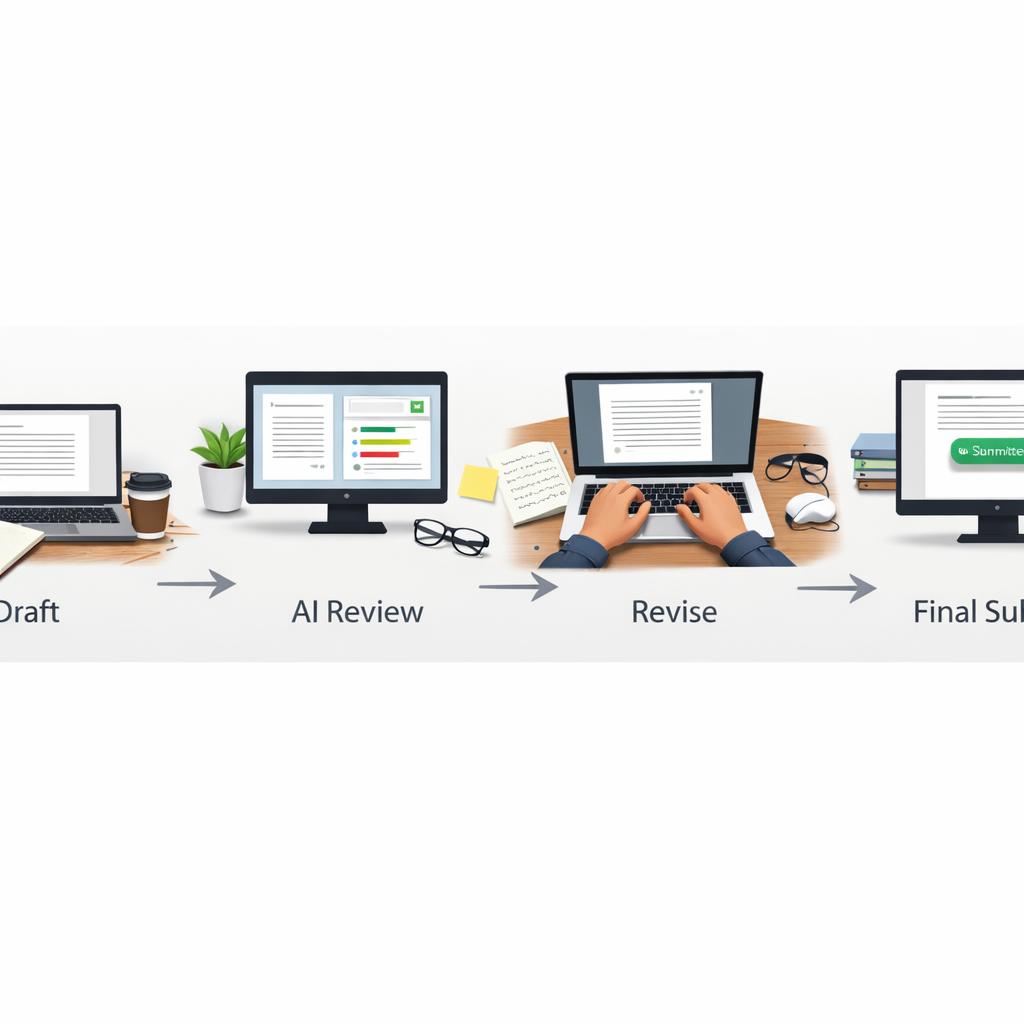
When comparing options, start with feedback quality. A useful checker should catch common problems without burying you in suggestions that are hard to interpret. Clear wording matters just as much as the number of features. If feedback is vague, cluttered, or overly aggressive, the tool may slow down your revision process instead of helping it. Students wondering how to check a college paper before submission should look for a tool that makes next steps obvious.
Privacy should be part of the decision too. Coursework can include personal reflections, original analysis, or research notes you do not want stored without clear consent. Look for a privacy-safe checker for student writing that explains storage, sharing, and deletion practices in plain language. Practical features also matter: support for pasted discussion posts, readable comments, and some help spotting citation trouble areas. Still, no checker is perfect. It should support your judgment, not replace it.
Accuracy, privacy, citation support, and readable feedback
Accuracy matters because weak suggestions can create more work than they save. If a tool repeatedly misreads your meaning or recommends edits that make your writing less precise, it may do more harm than good. Reliable feedback should help you sharpen your draft, not flatten your voice.
Privacy matters because students deserve to know what happens to their text after upload. Before using any service, check whether your writing is stored, how long it stays there, and whether it may be reused. Citation support is also valuable, especially for assignments that require careful attribution. A checker will not confirm every style rule for you, but it can help you spot places that need manual review. The best feedback is simple enough that you can revise in your own words and actually learn from the process.
How to use a checker responsibly in college settings
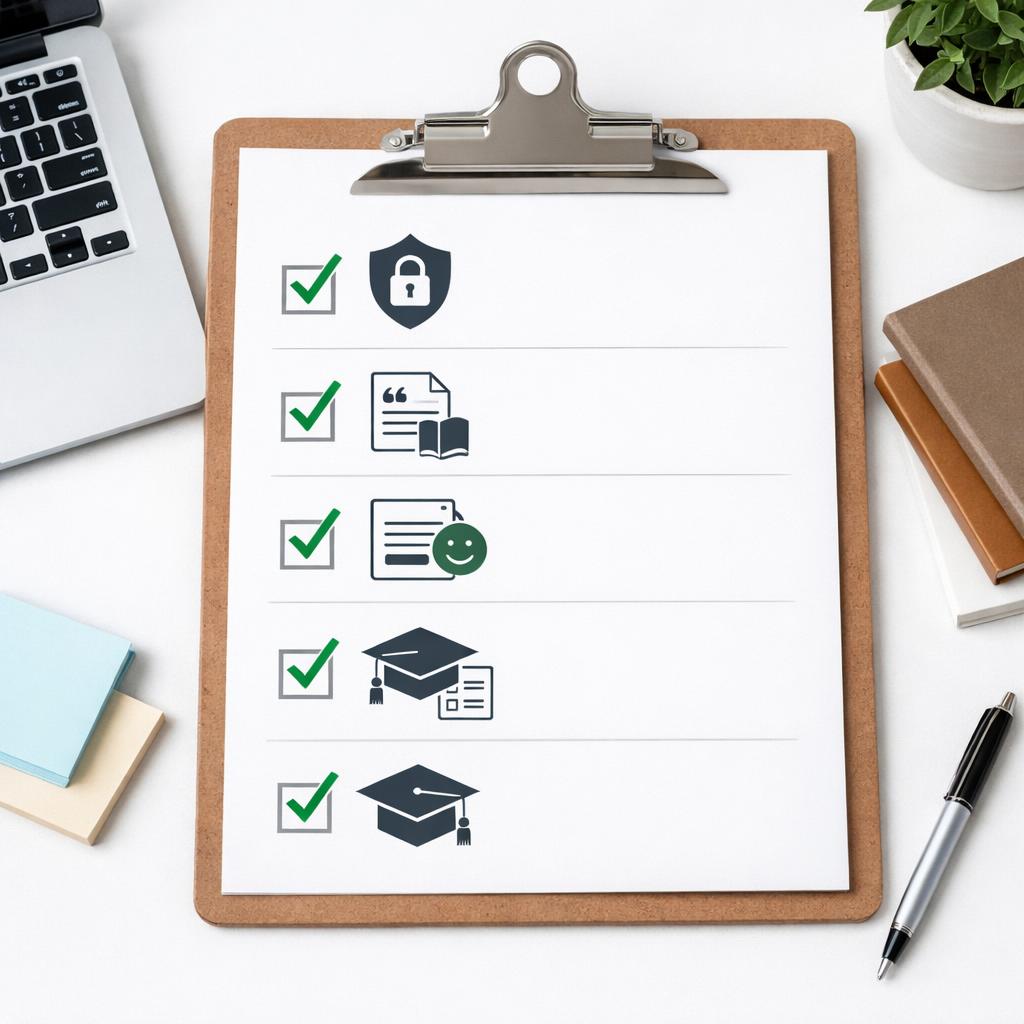
Responsible use starts with your course policy. Some instructors are fine with outside help for grammar and readability, while others place limits on what students can use before submission. If the policy is unclear, ask. This matters even more when you use an smart checker for college papers and discussion posts on graded assignments, since expectations may vary by class, department, or school.
Once you get feedback, treat it as a review guide rather than a list of automatic fixes. Read each suggestion carefully and compare it with your assignment goals. If a recommended change weakens your meaning, ignore it. If a comment touches citations or source use, verify it yourself. The point is to improve your work while keeping authorship, accuracy, and academic integrity in your hands.
Review results, revise in your own words, and follow course policies
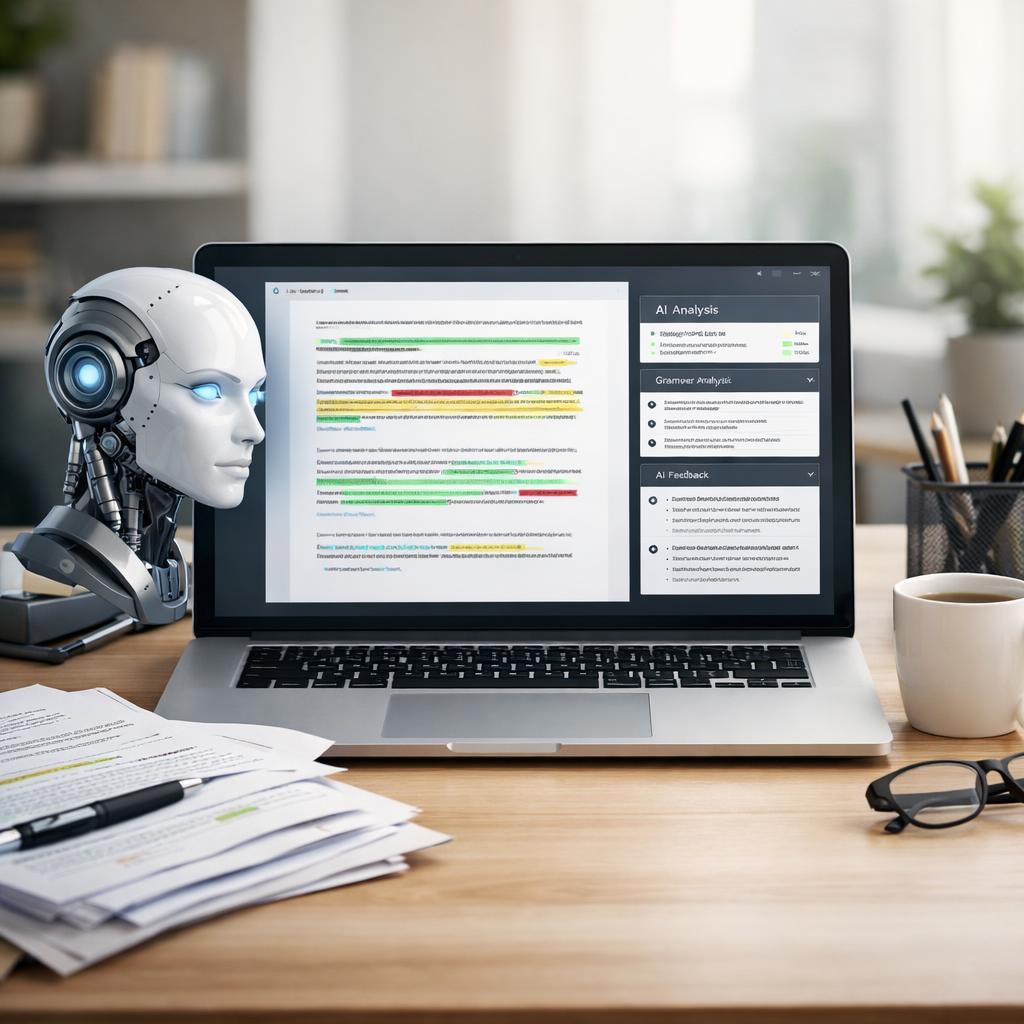
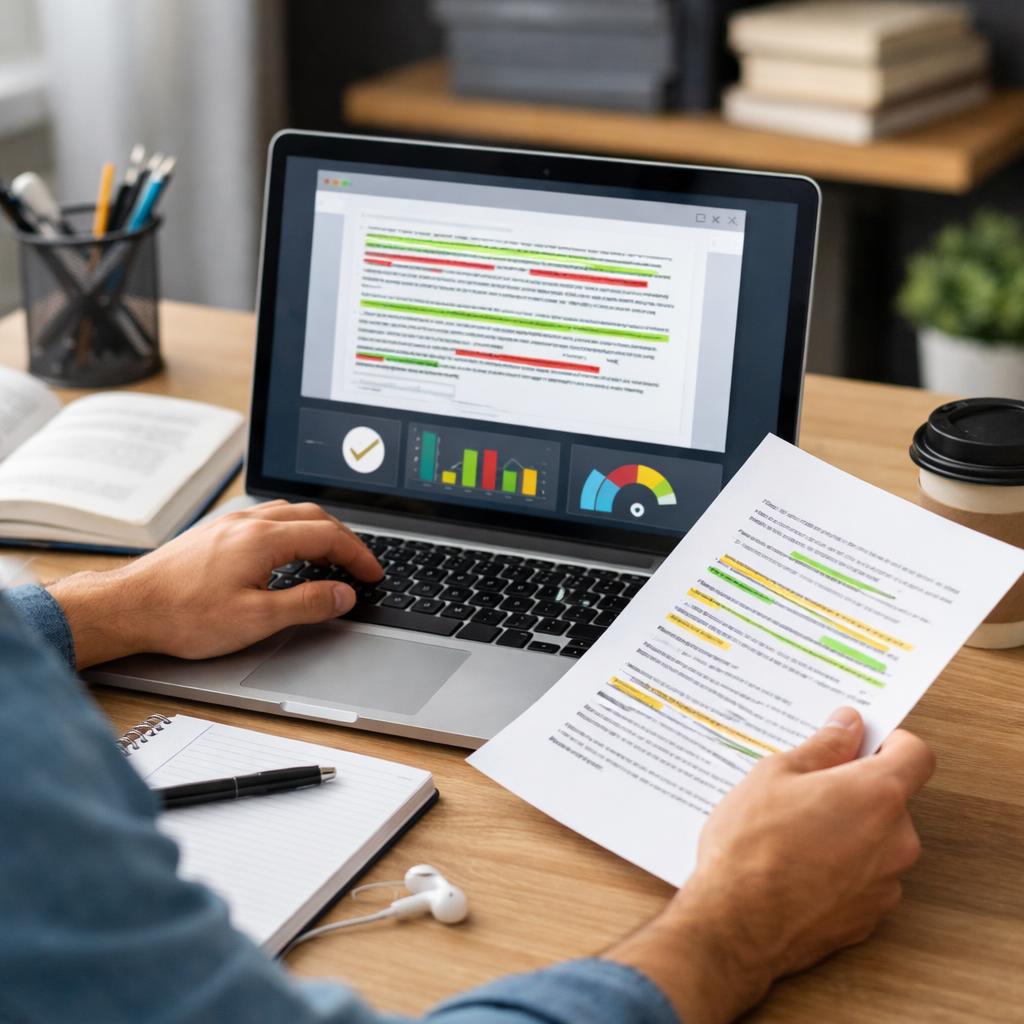
A practical workflow is straightforward: draft first, review second, revise third, and do one final read before you submit. This keeps the checker in a supporting role and prevents you from overediting too early. For discussion posts, that process may take only a few minutes. For longer papers, it gives you time to notice patterns instead of reacting to every single flag.
Keep your revisions intentional. Do not accept changes just because they appear on screen. Ask whether each edit improves the argument, matches the reading, and fits the assignment prompt. Used this way, a checker can support better decisions and cleaner writing without taking control away from the student writer.
Conclusion
Choosing an smart checker for college papers and discussion posts comes down to finding a review tool that fits real academic writing needs. The best option should offer clear feedback, respect privacy, and help you catch problems in both essays and discussion posts without pushing you away from your own voice.
Most students get the best results when they use a checker carefully: review the comments, revise in your own words, confirm citation details, and follow instructor policies every time. When you treat it as one step in a larger editing process, a checker can make submission feel more organized and less stressful.
FAQ
What should a student checker look for in a college paper?
A student checker should look for clarity, grammar, sentence flow, organization, tone, and possible citation concerns. It should also explain feedback clearly so the writer can decide what to revise without losing the paper’s original point or voice.
Can a checker help with discussion posts as well as essays?
Yes. Many students use the same review process for both. In discussion posts, the main benefits are clarity, concision, tone, and direct response to the prompt. In essays, the review often extends to structure, transitions, and source handling.
Is it safe to upload college assignments to a checker?
It depends on the service. Before uploading coursework, read the privacy policy carefully to understand storage, sharing, and deletion practices. If your class has limits on outside tools or your draft includes sensitive material, check with your instructor first.
Can a checker replace proofreading before submission?
No. A checker can support your review, but you should still read the draft yourself before submitting. Final proofreading helps you catch prompt-specific issues, verify citations, and make sure the writing still sounds like you.


