
In today's competitive software development landscape, protecting your original code has never been more critical. Whether you're an educator evaluating student assignments, a developer safeguarding intellectual property, or a business ensuring code authenticity, a reliable code plagiarism checker is essential. At aigcchecker.com, we understand the unique challenges of detecting copied programming work, and we're here to help you maintain integrity in your coding projects.
Code plagiarism goes beyond simple copy-paste actions. It includes subtle modifications like variable renaming, comment removal, structure reorganization, and even cross-language translations. Traditional plagiarism detection tools designed for text often fail to identify these sophisticated techniques. This comprehensive guide explores everything you need to know about code plagiarism checkers, their importance, how they work, and why aigcchecker.com stands out as your go-to solution.
What Is a Code Plagiarism Checker and Why Do You Need One?
A code plagiarism checker is a specialized software tool designed to analyze source code and identify similarities with other codebases. Unlike standard text plagiarism detectors, these tools understand programming syntax, logical structures, and algorithmic patterns across multiple programming languages including Python, Java, C++, JavaScript, PHP, and more.
The Growing Problem of Code Theft
Software development communities face increasing challenges with code plagiarism. Academic institutions report that up to 30% of programming assignments show signs of unauthorized collaboration or copying. In professional settings, code theft can lead to intellectual property disputes, legal battles, and damaged reputations. Open-source projects, while collaborative by nature, still require proper attribution and licensing compliance.
The consequences of undetected code plagiarism include:
- Academic dishonesty undermining educational integrity
- Intellectual property violations leading to legal consequences
- Compromised software quality and security vulnerabilities
- Unfair competitive advantages in hiring and promotions
- Damage to professional credibility and reputation
How Code Plagiarism Checkers Work: Advanced Detection Techniques
Modern code plagiarism checker tools employ sophisticated algorithms that go far beyond simple text comparison. Understanding these methodologies helps you appreciate the complexity of accurate code analysis.
Token-Based Analysis
This technique converts source code into tokens (smallest meaningful units) and compares token sequences. It effectively detects plagiarism even when variable names, formatting, or comments have been changed. The checker analyzes the fundamental structure of the code rather than superficial appearance.
Abstract Syntax Tree (AST) Comparison
AST-based detection parses code into its structural representation, creating a tree diagram of the program's logic. This method identifies semantic similarities regardless of syntactic variations, making it highly effective against sophisticated plagiarism attempts like code obfuscation or restructuring.
Fingerprinting and Hashing
Advanced checkers create unique fingerprints or hash values for code segments. These condensed representations enable rapid comparison across massive databases containing millions of code samples from repositories like GitHub, GitLab, and academic archives.
Machine Learning and AI Detection
Cutting-edge tools like aigcchecker.com leverage artificial intelligence and machine learning algorithms trained on vast code repositories. These systems recognize coding patterns, authorship styles, and even AI-generated code, providing unprecedented accuracy in plagiarism detection.
Key Features to Look for in a Code Plagiarism Checker
Not all code plagiarism detection tools are created equal. When selecting a solution for your needs, consider these essential features:
Multi-Language Support
A comprehensive code plagiarism checker should support all major programming languages. Different projects require different languages, and your tool should adapt accordingly. Look for support of Python, Java, C, C++, JavaScript, TypeScript, PHP, Ruby, Go, Rust, and more.
Cross-Language Detection
Sophisticated plagiarists sometimes translate code from one language to another. Advanced checkers can identify algorithmic similarities even across different programming languages, recognizing that a Python function might be suspiciously similar to a Java method.
Database Scope and Coverage
The effectiveness of plagiarism detection depends heavily on the reference database. Premium tools access billions of code samples from public repositories, academic databases, commercial codebases, and web sources. The larger and more diverse the database, the better the detection capability.
Detailed Similarity Reports
Quality checkers provide comprehensive reports showing:
- Percentage of similarity with other sources
- Side-by-side code comparisons highlighting matched sections
- Source attribution identifying where similar code originates
- Visual representations of code overlap
- Downloadable reports for documentation purposes
Batch Processing Capabilities
For educators and team leaders managing multiple submissions, batch processing saves tremendous time. This feature allows simultaneous analysis of dozens or hundreds of code files, with comparative reports identifying similar submissions within the group.
API Integration
Modern development workflows benefit from API access that integrates plagiarism checking directly into continuous integration/continuous deployment (CI/CD) pipelines, learning management systems, or custom applications.
aigcchecker.com: Your Comprehensive Code Plagiarism Solution
At aigcchecker.com, we've developed a state-of-the-art code plagiarism checker that addresses all the challenges modern developers and educators face. Our platform combines multiple detection methodologies with AI-powered analysis to deliver unmatched accuracy and reliability.
Why Choose aigcchecker.com?
Our platform offers distinct advantages that set it apart from competitors:
Featureaigcchecker.comTraditional Checkers
AI-Powered Detection | ✓ Advanced ML algorithms | ✗ Basic pattern matching
AI-Generated Code Detection | ✓ Identifies ChatGPT/Copilot code | ✗ Cannot detect AI sources
Cross-Language Analysis | ✓ 20+ languages supported | ~ Limited language support
Real-Time Processing | ✓ Results in seconds | ~ Minutes to hours
Privacy Protection | ✓ Secure, no permanent storage | ~ Varies by provider
Detecting AI-Generated Code
With the rise of AI coding assistants like GitHub Copilot, ChatGPT, and Amazon CodeWhisperer, a new dimension of plagiarism has emerged. Students and developers can generate entire programs using AI prompts, making traditional detection methods obsolete. Aigcchecker.com specializes in identifying AI-generated code patterns, helping educators and managers ensure authentic human authorship.
User-Friendly Interface
Our platform is designed for users of all technical levels. Simply upload your code files, select the programming language, and receive detailed analysis within seconds. The intuitive dashboard presents results clearly with visual highlights, similarity percentages, and source references.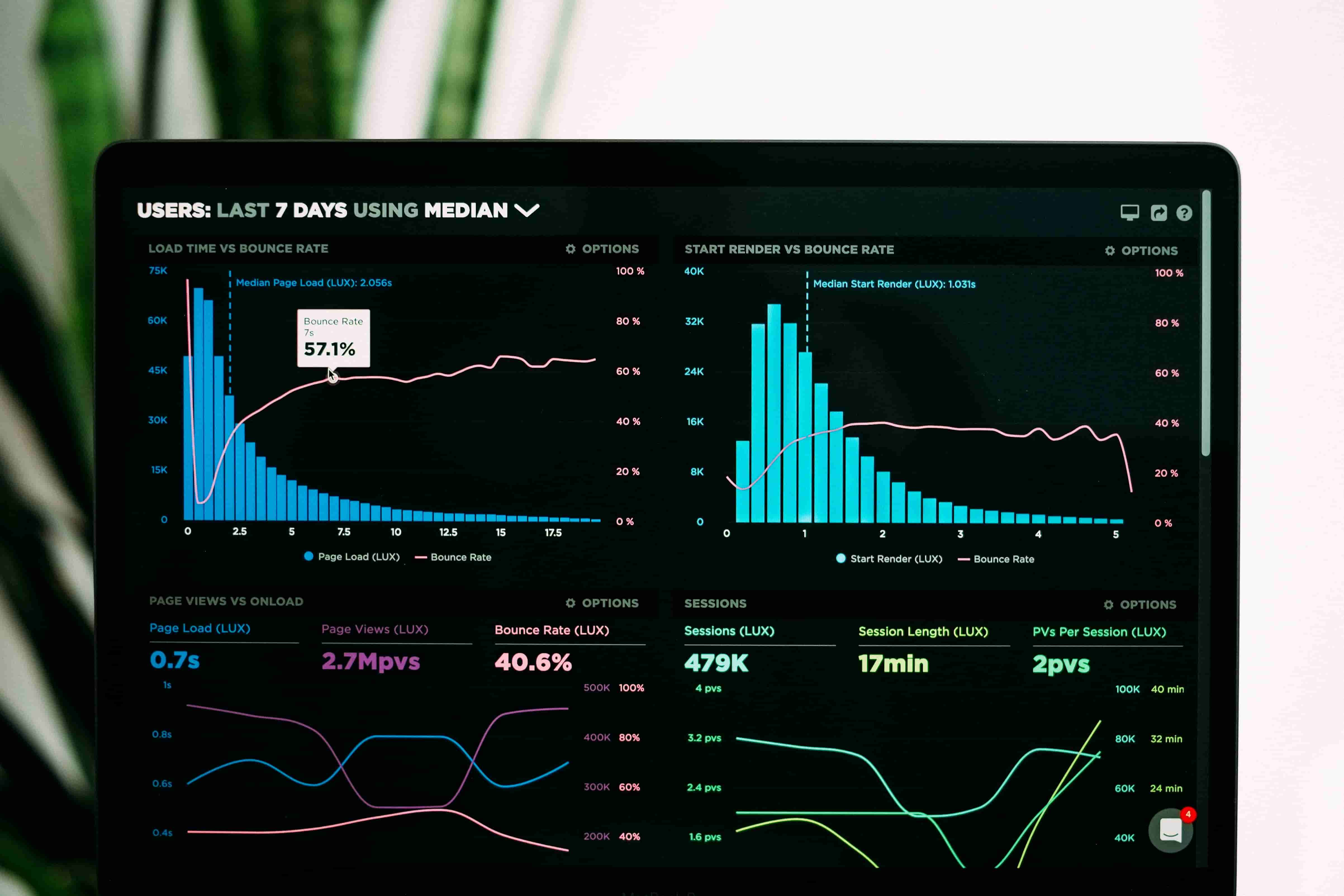
Best Practices for Using Code Plagiarism Checkers
To maximize the effectiveness of your code plagiarism checker, follow these professional guidelines:
For Educators
- Set clear expectations: Inform students about plagiarism policies and the use of detection tools before assignments
- Use as educational tool: Teach students about proper code attribution, open-source licensing, and collaborative coding ethics
- Establish thresholds: Define acceptable similarity percentages, recognizing that some overlap is normal in standard programming patterns
- Review manually: Automated tools are powerful but should complement human judgment, not replace it
- Check regularly: Consistent use deters plagiarism attempts and maintains academic integrity
For Development Teams
- Integrate into workflows: Make plagiarism checking part of code review processes
- Protect intellectual property: Regularly scan new code against public repositories to ensure originality
- Verify third-party code: Check outsourced or contracted code for unauthorized copying
- Document licensing: Ensure all borrowed code complies with licensing requirements
- Train developers: Educate team members on proper code reuse and attribution practices
For Individual Developers
- Self-check before submission: Verify your code's originality before presenting it in interviews or portfolios
- Understand common patterns: Recognize that certain algorithms and structures naturally appear similar across implementations
- Maintain good documentation: Keep records of your development process to prove original authorship if questioned
- Use legal resources: Properly attribute open-source code and comply with licensing terms
Common Code Plagiarism Techniques and How to Detect Them
Understanding plagiarism methods helps you better utilize detection tools. Here are the most common techniques plagiarists employ:
Variable and Function Renaming
The simplest plagiarism attempt involves changing variable names, function identifiers, and comments while keeping the logic identical. Token-based and AST analysis easily catch this method by focusing on structure rather than naming.
Code Restructuring
More sophisticated plagiarists reorganize code blocks, change loop structures (for to while), or reorder function definitions. Advanced checkers analyze algorithmic patterns and logical flow to identify these similarities.
Comment and Whitespace Manipulation
Removing or altering comments and changing indentation or spacing cannot fool modern checkers that normalize code before analysis, stripping away superficial formatting differences.
Language Translation
Converting code from one programming language to another (Python to Java, for example) represents a challenging plagiarism form. Semantic analysis and cross-language detection capabilities are essential for catching these cases.
AI Generation with Minimal Modification
Using AI tools to generate code then making minor edits is increasingly common. Aigcchecker.com's specialized AI detection algorithms identify the characteristic patterns and styles of machine-generated code.
Legal and Ethical Considerations
Code plagiarism intersects with complex legal and ethical territory. Understanding these dimensions is crucial for proper tool usage.
Copyright and Intellectual Property
Source code is protected by copyright law in most jurisdictions. Unauthorized copying can constitute copyright infringement, leading to legal liability. Companies must protect their proprietary code while developers must respect others' intellectual property rights.
Open Source Licensing
Open source doesn't mean copyright-free. Various licenses (MIT, GPL, Apache, BSD) have specific requirements regarding attribution, modification, and redistribution. A code plagiarism checker helps ensure compliance with these legal obligations.
Academic Integrity
Educational institutions have strict honor codes regarding original work. Code plagiarism violates these principles and can result in academic penalties ranging from failing grades to expulsion. Detection tools support fair evaluation and maintain educational standards.
Fair Use and Common Algorithms
Not all similarity constitutes plagiarism. Standard algorithms (sorting, searching), common design patterns, and boilerplate code naturally appear similar across implementations. Quality checkers and human reviewers distinguish between legitimate similarity and actual plagiarism.
Conclusion: Protecting Code Integrity with aigcchecker.com
In an era where code powers everything from mobile apps to critical infrastructure, ensuring the originality and integrity of programming work is paramount. A reliable code plagiarism checker protects educational standards, safeguards intellectual property, and maintains professional credibility across the software development industry.
The sophisticated plagiarism techniques employed today demand equally advanced detection tools. From token analysis and AST comparison to AI-powered pattern recognition, modern checkers offer comprehensive protection against all forms of code theft. The ability to detect AI-generated code adds a crucial layer of security in the age of automated programming assistants.
Whether you're an educator ensuring academic honesty, a developer protecting your original work, or a business safeguarding proprietary code, aigcchecker.com provides the comprehensive, accurate, and user-friendly solution you need. Our platform combines cutting-edge technology with practical functionality, delivering results you can trust in seconds.
Don't leave code integrity to chance. Visit aigcchecker.com today to experience the most advanced code plagiarism detection available. Protect your work, maintain standards, and ensure authenticity with confidence.
Frequently Asked Questions
How accurate are code plagiarism checkers?
Modern code plagiarism checkers like aigcchecker.com achieve accuracy rates exceeding 95% when using advanced techniques such as AST analysis and machine learning. Accuracy depends on the detection methodology, database size, and algorithm sophistication. While no tool is perfect, combining automated detection with human review provides the most reliable results. False positives can occur with common programming patterns, which is why quality tools provide detailed reports allowing reviewers to make informed judgments.
Can code plagiarism checkers detect code written by AI tools like ChatGPT?
Yes, advanced platforms like aigcchecker.com specifically incorporate AI-generated code detection capabilities. These tools analyze patterns, coding styles, comment structures, and other characteristics typical of machine-generated code. As AI coding assistants become more prevalent, this feature has become essential for maintaining code authenticity in educational and professional settings. Traditional checkers without this capability cannot effectively identify AI-generated submissions.
What percentage of code similarity is considered plagiarism?
There's no universal threshold, as acceptable similarity varies by context. Simple programs solving standard problems may legitimately show 40-60% similarity due to common algorithms and limited implementation approaches. Complex, original projects should typically show less than 20-30% similarity. Educational institutions and organizations establish their own thresholds based on assignment complexity, programming language conventions, and specific requirements. The key is examining what code matches and why, not just the percentage alone.
Is it legal to use code from online sources like Stack Overflow?
Using code from online sources is legal with proper attribution and license compliance. Stack Overflow content is licensed under Creative Commons, requiring attribution when you use substantial code snippets. Simply copying without credit constitutes plagiarism even if legally permissible. Best practices include commenting your code to identify borrowed segments, providing source URLs, and ensuring your use complies with the original license terms. A code plagiarism checker helps identify unattributed borrowed code, protecting you from accidental violations.


