
SafeAssign is best understood as an originality checker, not a dedicated tool for spotting machine-written text. If you are asking, does safeassign have an smart checker, the clearest answer is no in the strict sense. Its main job is to compare a submitted paper against published sources, internet content, and student databases to find overlapping text. The report is most useful for reviewing plagiarism concerns, citation problems, and passages that may be too close to a source. For a fuller overview of how plagiarism checkers work, it helps to separate similarity checking from questions about authorship.

That distinction matters for students, instructors, and academic support staff. Many people search for answers using phrases like does SafeAssign detect ChatGPT, what does SafeAssign check for, or can SafeAssign tell if writing is machine generated. Those questions point to the same concern, but SafeAssign does not offer a simple yes-or-no verdict on how a paper was created. A similarity score can show copied wording or source overlap, yet shifts in tone, vague evidence, or unusual writing patterns still need human review.
What SafeAssign checks and what it does not
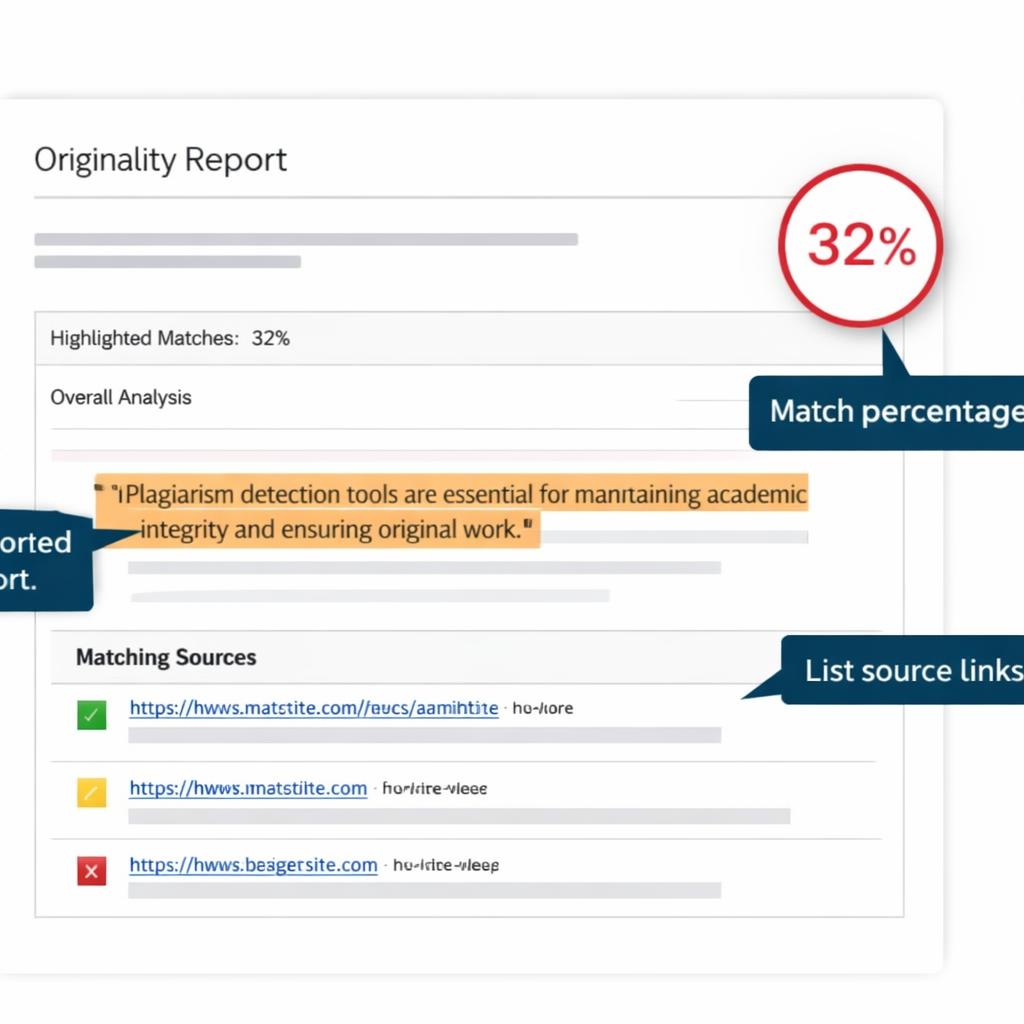
SafeAssign reviews a submission by comparing its text with available databases, web content, and previously submitted papers. It then marks passages that appear to match existing material and gives instructors an originality report with highlighted text, source links, and a similarity percentage. In practical terms, what does SafeAssign check for? It looks for copied wording, close paraphrasing, repeated phrasing, and material that may need clearer attribution.
What it does not do reliably is prove intent, authorship, or writing method. A high percentage does not automatically mean cheating, and a low percentage does not automatically mean the paper is beyond concern. Quoted passages, reference pages, assignment templates, and common academic language can all raise a score for legitimate reasons. On the other hand, text written in new wording may show little overlap at all. That is why SafeAssign should be treated as a review aid, not as final proof about where the writing came from or how it was produced.
How originality reports differ from machine-writing detection
An originality report is source-based. It asks whether parts of the paper resemble known material. Reviews of machine-written text try to answer a different question: how the text may have been produced. That is why the phrase does safeassign have an smart checker can be misleading. SafeAssign focuses on matched language and linked sources, while concerns about machine-written work usually depend on a broader reading of the assignment, the student’s usual style, and the drafting process.
- Originality report: shows matched passages and possible source overlap.
- Writing review: considers tone, consistency, evidence, and context.
- Instructor judgment: looks at drafts, citations, assignment history, and course expectations.
This is also why does SafeAssign detect ChatGPT is not a simple question. If the submitted wording closely matches an existing source, SafeAssign may flag it. If the wording is largely new, the report may show little overlap even when an instructor still has concerns.
What students and instructors should expect from SafeAssign results
Students should expect SafeAssign to identify borrowed or closely matched language, not to issue a complete ruling on whether a paper was machine generated. Instructors should expect a screening tool that supports review, not one that replaces careful reading. The most useful way to interpret a report is to examine the highlighted text, open the linked sources, and decide whether the overlap comes from proper quotations, common wording, weak paraphrasing, or missing attribution.
The percentage itself always needs context. A low score can still hide problems if ideas were copied and heavily reworded. A higher score may be harmless if the paper includes direct quotations, standard course language, or a bibliography. This is why the safeassign originality report meaning should never be reduced to a number alone. The paper, the assignment instructions, and the student’s drafting process all matter. When used well, SafeAssign starts a useful conversation about originality. When used poorly, it can create too much confidence in a score without enough human judgment.
Common reasons a paper may still raise questions
Even when overlap is low, a submission may still deserve closer review. A sudden shift in voice, polished claims with little support, generic examples, unclear citations, or work that looks very different from earlier assignments can all raise reasonable questions. None of these signs prove misuse by themselves, but they can justify follow-up discussion.
- Inconsistent voice: part of the paper sounds unlike the student’s normal work.
- Weak source use: the writing sounds confident, but the evidence is thin.
- Citation gaps: references appear in the bibliography, yet key ideas are not tied to sources in the text.
- Limited drafting evidence: there are few notes, outlines, or visible revisions.
For that reason, can SafeAssign tell if writing is machine generated is better treated as a review question than a built-in feature of the originality score.
Conclusion
SafeAssign is designed to compare submitted text against existing sources and generate an originality report. It is not a dedicated checker for machine-written text, and that is the most accurate answer to does safeassign have an smart checker. If a paper contains copied or closely matched wording, SafeAssign may highlight it. If the wording is original on the surface, the report may show very little overlap even when an instructor wants to look more closely at style, citations, or drafting history.
For students, the best preparation is simple: cite carefully, paraphrase honestly, keep your drafts, and review practical citation and paraphrasing tips before submitting. For instructors, SafeAssign works best as one part of a broader review process that includes context, assignment design, and professional judgment. When everyone understands what the tool measures and what it does not, the results are easier to interpret fairly.
FAQ
Does SafeAssign detect ChatGPT or other machine-written text?
Not directly. SafeAssign mainly checks whether submitted text matches existing sources. It may flag machine-written content only when that wording overlaps with material already available in the sources it scans.
What does SafeAssign actually scan for in a paper?
It scans for matching or closely overlapping text, including copied passages, weak paraphrasing, repeated wording, and source material that may need attribution. Instructors can then review the linked sources for context.
Can a low SafeAssign score still be a problem?
Yes. A low score can still appear alongside poor citations, unsupported claims, or writing that seems inconsistent with the student’s earlier work. The score is only one part of an originality review.
How can students prepare before submitting through SafeAssign?
Check citations, mark quotations clearly, improve paraphrasing, and save outlines, notes, and revision history. Those steps reduce accidental overlap and make it easier to explain how the paper was developed.


