
If you are comparing smart visibility checking tools, the real goal is usually straightforward: understand where your brand, pages, and content show up across search results, answer engines, and generated summaries, then choose a platform that gives your team reliable reporting. The best tools to check search visibility make it easier to track mentions, rankings, citations, and competitor presence without relying on one-off screenshots or guesswork. If you are still deciding what deserves attention, start with search visibility metrics that matter so your review stays connected to business outcomes.

This guide is for SEO managers, content marketers, strategists, founders, and publishers who want a practical way to compare options. Instead of hype, the focus here is on what these platforms actually measure, which features matter in day-to-day use, and how to choose a setup that fits your workflow and budget. Since coverage, data sources, and reporting methods differ from platform to platform, the best choice usually comes down to accuracy, exports, and whether your team can act on the data consistently.
What visibility checking tools measure and why teams use them
Visibility checking tools track how often a brand, site, author, or topic appears across search surfaces. Depending on the platform, that can include organic rankings, answer boxes, shopping or news placements, citation frequency in generated responses, branded mentions, and overall share of voice. For teams trying to understand brand visibility in answer engines, this is the main benefit: you move from isolated examples to repeatable monitoring. Instead of asking whether you appeared once, you can review patterns by query set, page type, geography, device, or competitor group.
Different teams use these tools for different reasons. In-house marketers often need clear executive reporting and early warnings when visibility drops. Agencies usually care more about segmented dashboards, exports, and the ability to handle multiple clients efficiently. Publishers may focus on topic discovery, source citations, and which content formats keep earning inclusion. A useful search visibility monitoring tools comparison should show more than raw data collection. It should reveal whether a platform helps teams turn appearances into trends, alerts, and next steps. Broad coverage sounds impressive, but it matters far less if the data is difficult to interpret or share.
Key features to compare before choosing a tool
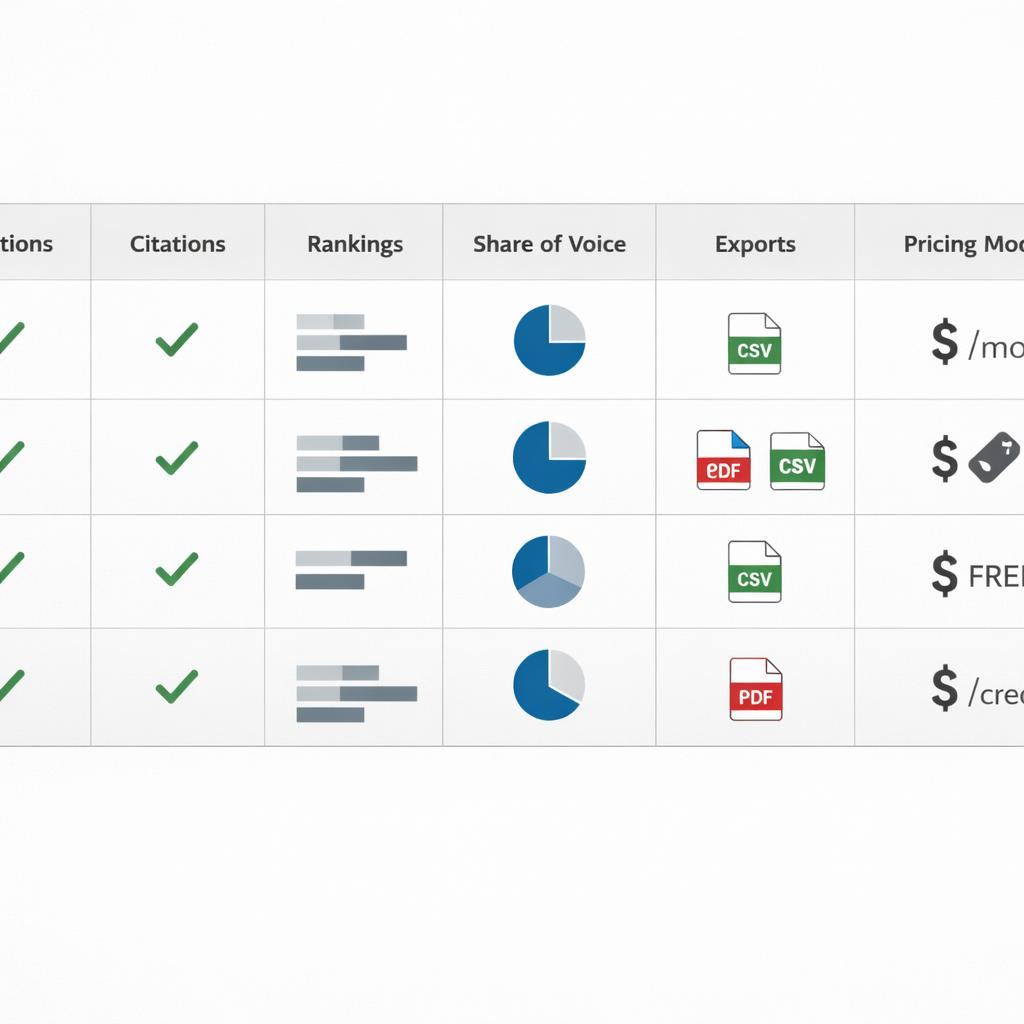
Start with coverage and definitions. Ask which search systems and answer engines are included, how often data refreshes, whether the tool separates organic rankings from generated mentions, and how localization works. Then look at workflow features such as saved query groups, competitor tracking, tagging, alerts, exports, APIs, and stakeholder-friendly dashboards. In practice, the strongest tools for share of voice and citation tracking do more than capture snapshots. They help you compare your brand against competitors over time, which is usually where the most useful insights come from.
Your evaluation gets much easier when success metrics are defined in advance. Many teams begin with mentions and rankings, but citations, prominence, and share of voice often say more in answer-led search. If leadership expects regular reporting, connect your review process to how to measure share of voice so you can judge whether a platform supports the inputs you need. Pricing also deserves close attention. Some vendors charge by seats, projects, tracked terms, or query volume. Two dashboards may look similar at first glance, yet differ sharply in historical depth, export flexibility, and data quality.
Must-have metrics: mentions, citations, rankings, and share of voice
The minimum useful metric set usually includes branded and non-branded mentions, source citations, keyword or topic rankings, and share of voice across a defined competitor list. Mentions tell you whether your brand appears at all. Citations show whether your content is referenced as a source. Rankings still matter because strong page-level visibility often supports broader discovery. Share of voice adds context by showing whether your presence is growing or shrinking relative to competitors, not just in isolation.
It also helps to look for filters by location, device, engine type, and content category. Historical trend lines matter because they help separate short-term spikes from meaningful movement. Exports are just as important. If reports are hard to share, the workflow quickly becomes manual and slow. For many teams searching for the best tools to check search visibility, these practical details end up influencing the final decision as much as headline features do.
How to pick the right tool for your workflow and budget
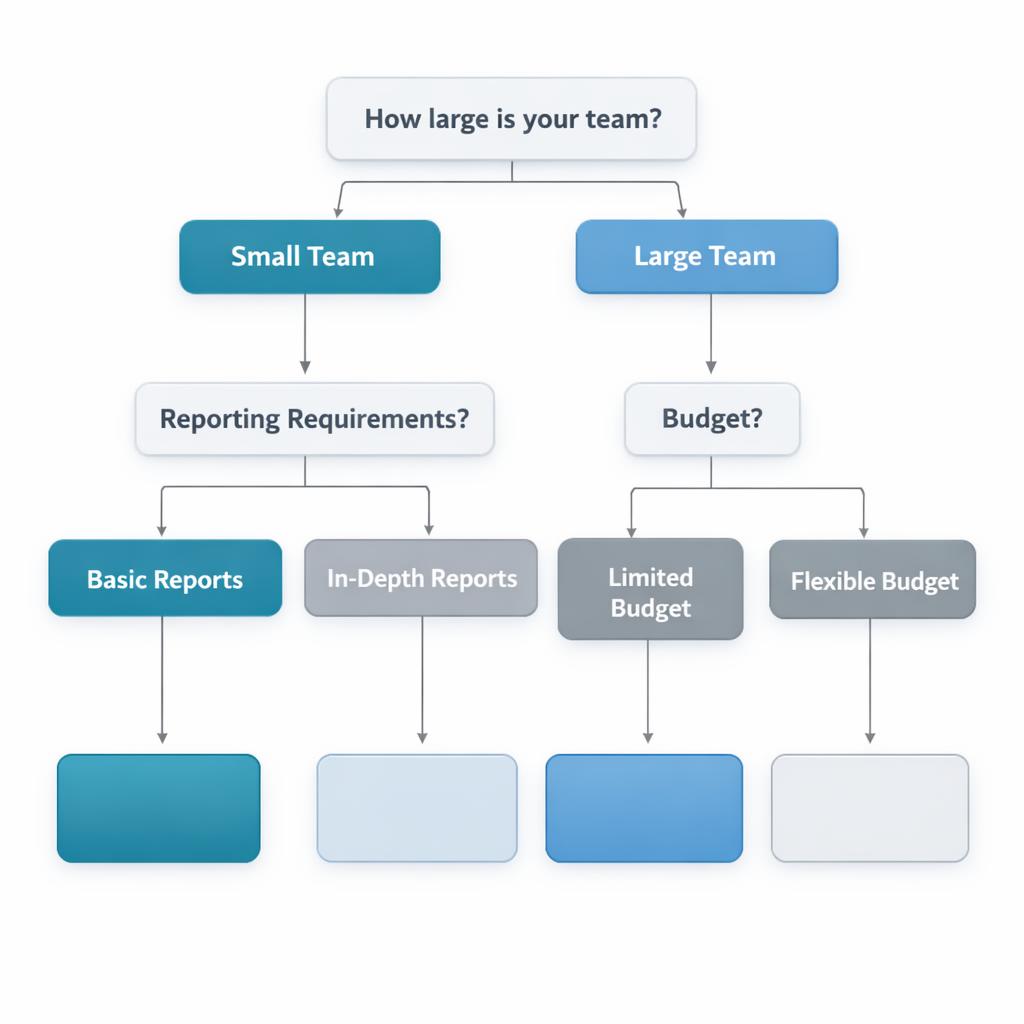
The right platform depends on how your team operates. Agencies often need multi-account management, white-label exports, permission controls, and efficient reporting across many client groups. In-house teams typically prioritize dashboards, alerts, and the ability to connect visibility changes to content updates, PR activity, or campaigns. Publishers may care most about query clustering, citation reporting, and identifying which article formats are repeatedly included. In every case, the tool should support the way your team already reviews performance, not force a reporting process that no one will actually follow.
Budget decisions should include setup time and adoption, not just monthly price. A lower-cost platform can become expensive if it requires constant manual cleanup, while a more expensive option may save time if it replaces spreadsheets and fragmented reporting. Use trials or demos to test ease of use, export quality, and metric clarity. When comparing smart visibility checking tools, choose the option that matches your reporting cadence, decision-makers, and preferred depth of analysis. The best fit is usually the one your team trusts enough to use every week.
Best-fit scenarios for agencies, in-house teams, and publishers
Agencies often benefit from platforms with client segmentation, reusable report templates, competitor benchmarking, and scalable exports. In-house marketing teams usually prefer tools with straightforward dashboards, alerting, and collaboration features so SEO, content, and leadership can work from the same numbers. Publishers tend to need stronger topic monitoring and source-level reporting to understand which sections or page types earn visibility most often.
If your team is small, simplicity and reporting clarity usually matter more than feature depth. Larger organizations may place more value on governance, permissions, and integrations. This is where a practical comparison becomes useful: the best choice is rarely universal, but the strongest shortlist becomes clear once team structure, reporting needs, and budget are mapped together.

Conclusion
Choosing among smart visibility checking tools is less about finding one perfect dashboard and more about matching platform capabilities to how your team measures search presence. Focus on what a tool can track consistently across search systems and answer engines, how clearly it reports mentions, citations, rankings, and share of voice, and whether exports support real decisions. A neutral comparison matters because coverage, reporting depth, and compatibility vary widely.
If you approach the process with clear use cases, a short list of core metrics, and a realistic budget, comparing vendors becomes much easier. For most teams, the best tools to check search visibility are the ones that make trends easy to spot, keep reporting consistent, and help you respond quickly when opportunities or gaps appear.
FAQ
What should I look for in a visibility checking tool?
Start with coverage, metric definitions, and reporting quality. You should know which search systems are included, how often data refreshes, whether the tool tracks mentions and citations separately from rankings, and how share of voice is calculated. Also review exports, alerts, competitor tracking, and the pricing model before you commit.
Can visibility tools help track brand mentions across answer engines?
Yes, many platforms are designed to monitor brand visibility beyond classic rankings, including mentions and source citations in answer engines and generated results. The exact level of support varies by provider, so confirm supported engines, geography, device coverage, and historical reporting before choosing a plan.


