
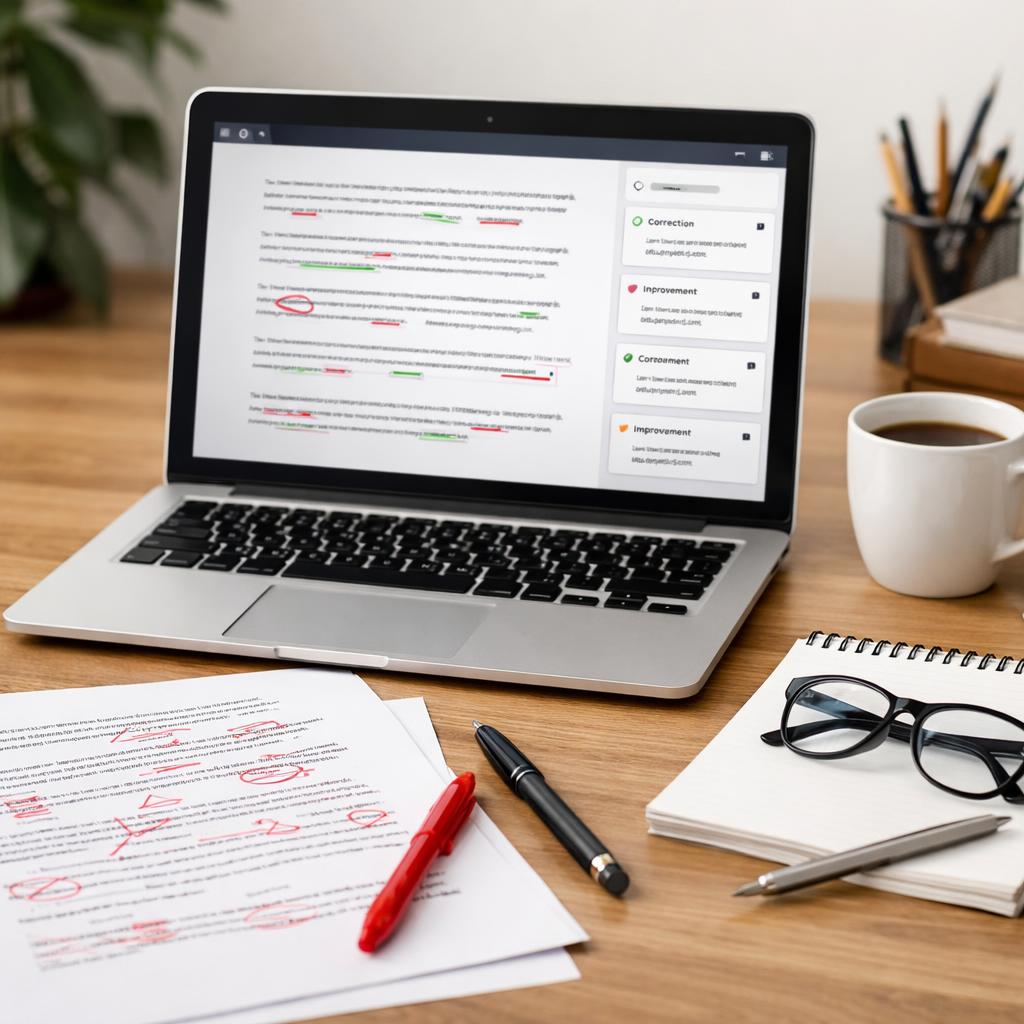
A grammar check helps you catch mistakes fast, improve readability, and polish your writing before you send, submit, or publish it. Whether you are drafting an essay, a sales email, a report, or a social post, it can spot problems that are easy to miss during a quick self-review. It is especially helpful when you want a reliable second pass on sentence structure, punctuation, and word choice without slowing down your process.
That said, a grammar check works best as support, not as a substitute for careful editing. Human review still matters for tone, nuance, and audience fit. If you want a cleaner final draft, combine your review with a proofreading checklist so you can catch formatting issues, factual slips, and context problems after technical corrections are made. For writers comparing tools online, searches such as grammar check -smart often reflect a simple goal: find practical writing help that improves a draft without taking over the writer’s voice.
What a Grammar Check Can Fix in Everyday Writing
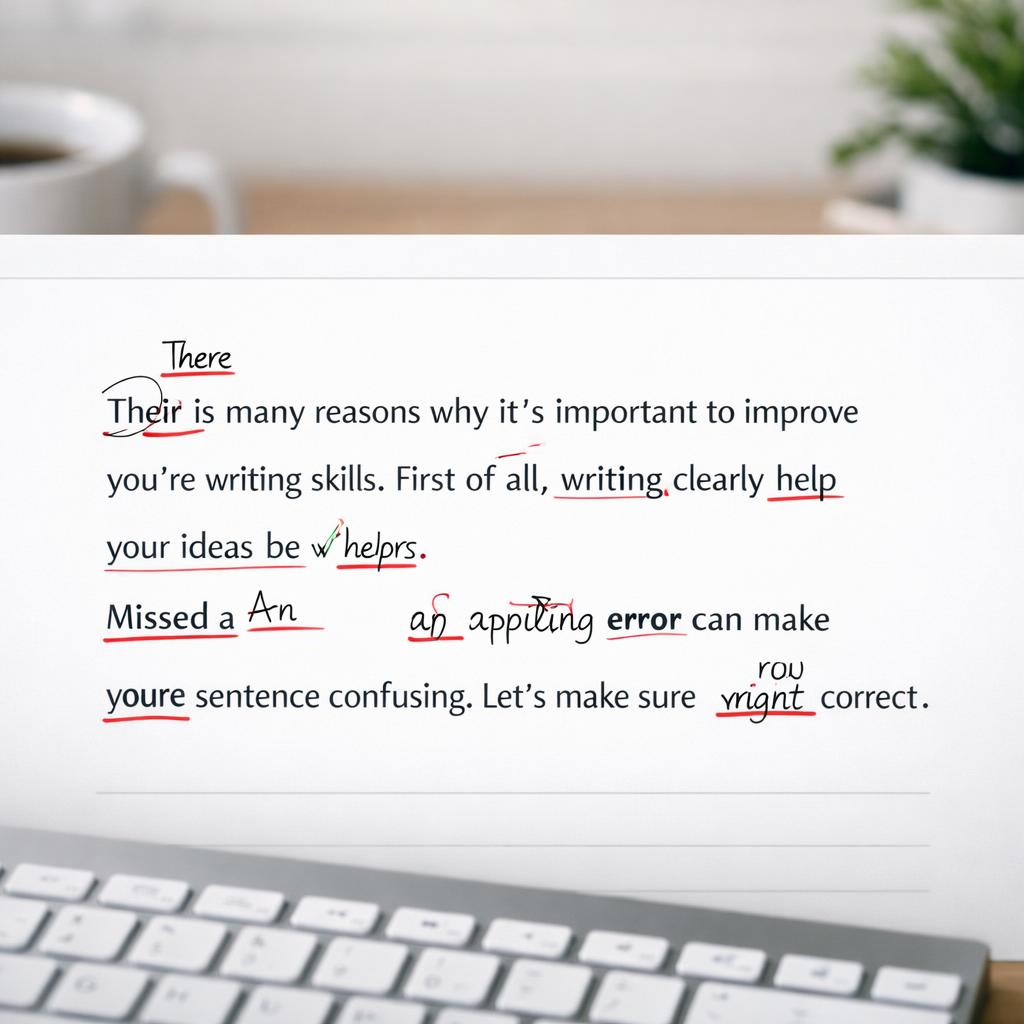
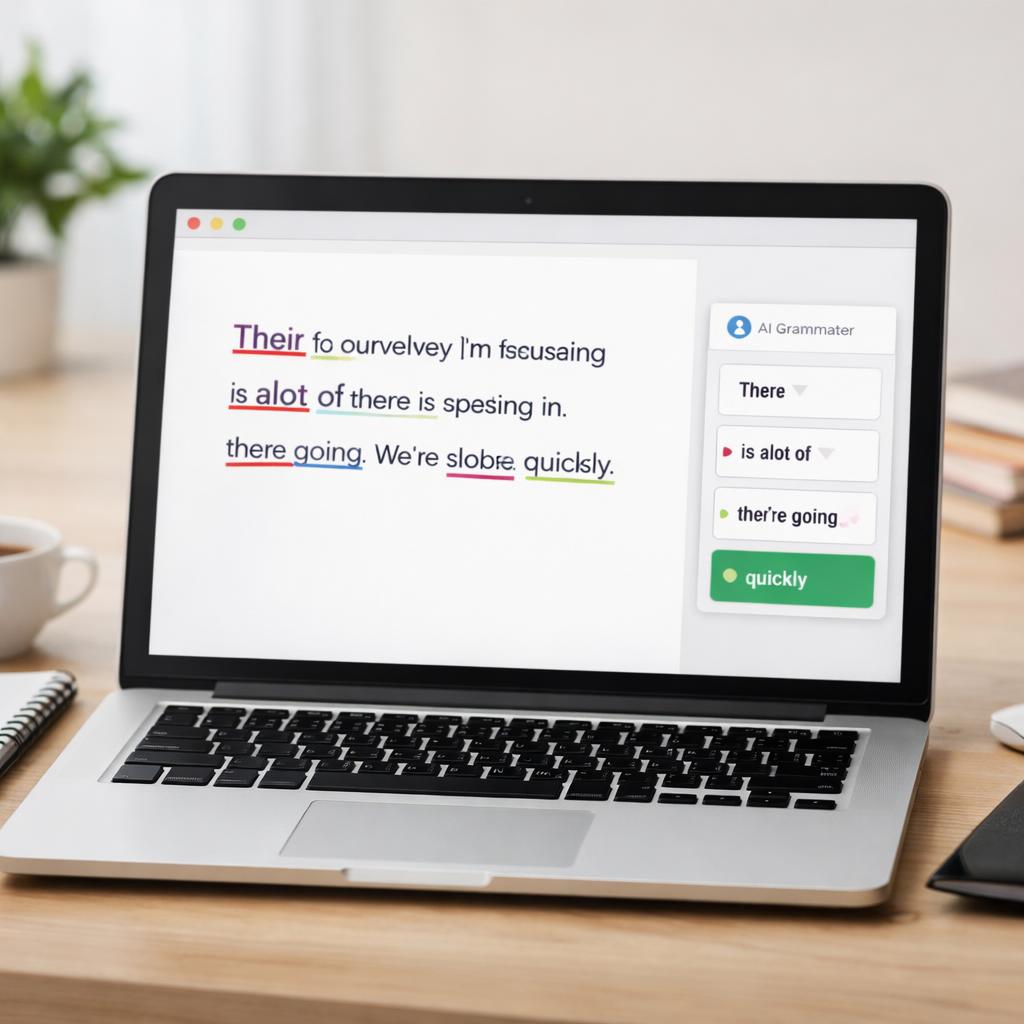
A grammar check is built to flag common writing problems that affect correctness and clarity. In day-to-day writing, that often includes subject-verb agreement, sentence fragments, repeated words, misspellings, misplaced commas, apostrophe errors, and awkward phrasing. Many people also rely on an online grammar check for punctuation because commas, semicolons, quotation marks, and capitalization rules are easy to overlook, especially when writing quickly or working against a deadline.
Common issues it catches: grammar, spelling, punctuation, and clarity
Beyond basic error spotting, a good grammar check can make writing easier to read by highlighting long sentences, unclear wording, and inconsistent style. That matters for students looking for the best grammar check for essays, professionals using a grammar check for email writing, and marketers refining website copy. It can also help you notice patterns in your writing, such as overused phrases or sentences that feel harder to follow than they need to be. Still, no tool catches everything. Industry terms, intentional voice choices, and context-specific meaning can confuse automated suggestions, so a final read-through remains a smart habit.
How to Use a Grammar Check More Effectively
The best results usually come from treating suggestions as guidance instead of automatic decisions. Start by pasting in a full draft rather than editing one sentence at a time, since complete context often leads to better recommendations. Then review changes in order of importance: grammar first, clarity second, and style last. This keeps you focused on the biggest issues before you spend time polishing smaller details.
Review suggestions carefully instead of accepting every change
Read each recommendation with your audience, purpose, and voice in mind. A suggested rewrite may be technically correct but still sound too formal, too blunt, or unlike the way you normally write. If your goal is to learn how to improve writing with grammar check tools, compare the original sentence with the edited version and ask what changed and why it reads better. Over time, this helps you build stronger self-editing habits. You can also improve future drafts by reviewing practical advice on how to write clearly, which makes your writing stronger before any tool reviews it.
It also helps to separate drafting from editing. Write your first version freely, then step away for a few minutes before running a grammar check. When you return with fresh eyes, it becomes easier to judge whether a suggestion actually improves the sentence. This small pause can help you protect your tone while still cleaning up mistakes efficiently.
How to Choose the Right Grammar Check for Your Needs
Not every grammar check fits the same kind of writer. Some work better for short messages, while others are more useful for long documents such as essays, reports, or web content. Before choosing one, compare how clearly it explains corrections, how easy it is to use across devices, and whether it works well in the places where you write most often. A tool that fits naturally into your routine is much more likely to be used consistently.
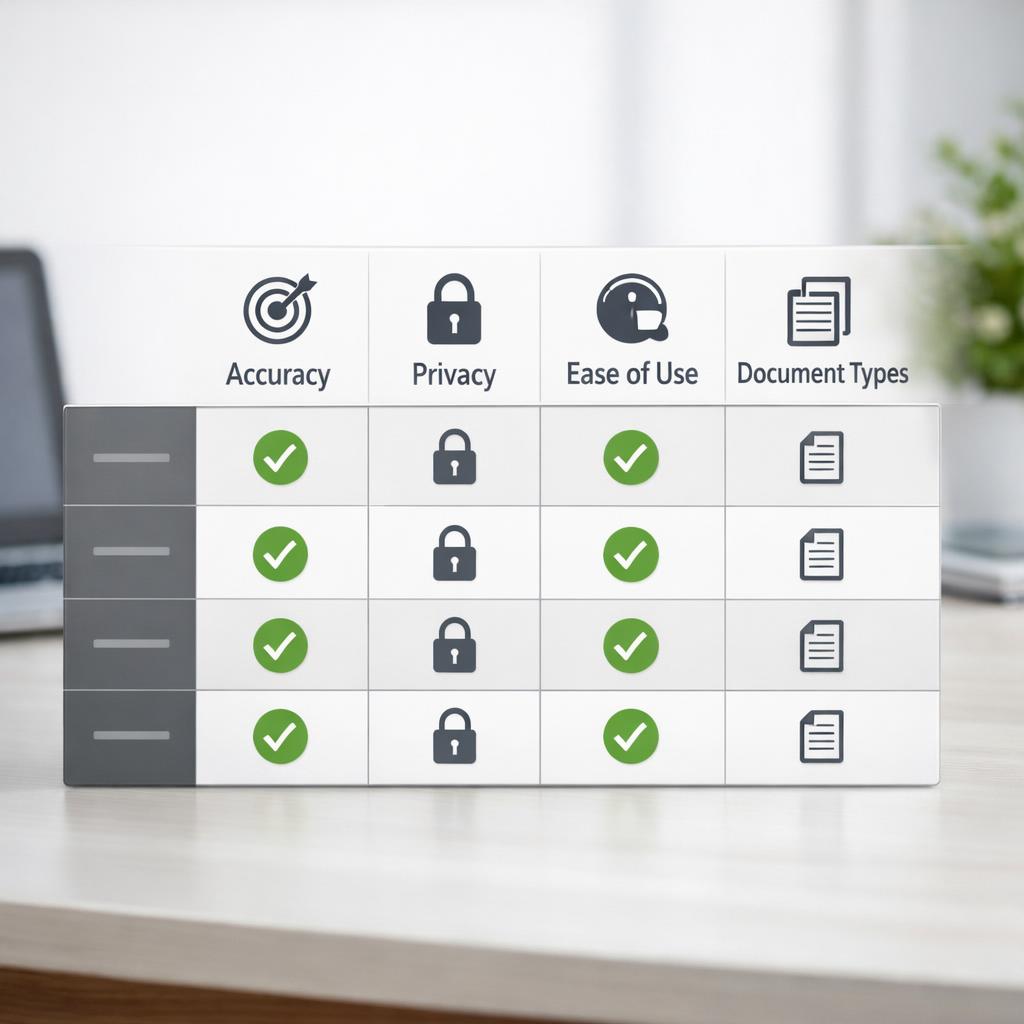
Compare accuracy, ease of use, privacy, and writing context support
Accuracy matters, but so do privacy and writing context support. If you regularly handle sensitive business, academic, or client material, check what happens to your text after it is uploaded. It is also worth seeing whether the tool handles different formats well, from essays and emails to landing pages and blog posts. No grammar check offers perfect judgment in every situation, so realistic expectations are important. Choose one that helps you work faster, explains suggestions clearly, and still leaves room for your final editing decisions.
In practice, the right choice often comes down to your writing goals. A student may need stronger support for essay structure and citation-adjacent phrasing, while a professional may care more about clean, direct business communication. If possible, test a few options using the same sample paragraph so you can compare how helpful, accurate, and readable the suggestions feel in real use.
Conclusion
A grammar check is one of the fastest ways to improve everyday writing without adding much effort to your process. It can catch grammar, spelling, punctuation, and clarity issues that weaken emails, essays, reports, and online content. For many writers, that means fewer avoidable errors and more confidence before hitting send or publish.
The most effective approach is to use a grammar check as support, not as the final authority. Review suggestions carefully, keep your audience and tone in mind, and follow up with a deliberate final read. When you combine smart tool use with steady editing habits, you get cleaner writing that still sounds like you.
FAQ
What is the difference between a grammar check and a spell check?
A spell check focuses mainly on individual word errors, such as typos and misspellings. A grammar check goes further by reviewing sentence structure, verb agreement, punctuation, word usage, and sometimes clarity. In simple terms, spell check helps you correct words, while grammar check helps you improve how those words work together in context.
Can a grammar check help improve writing beyond fixing mistakes?
Yes, it can often improve writing by pointing out confusing phrasing, wordiness, and readability issues. Still, it works best as an editing aid rather than a complete writing solution. You still need human judgment for tone, persuasion, and context, especially when writing for a specific audience, assignment, or professional setting.


