
Overviews checking tools help SEO teams and site owners see when search overviews appear, whether their pages are cited, and how visibility changes across locations, devices, and keyword sets. If you are comparing options, focus on practical coverage instead of big claims. No platform captures every result variation, and freshness can vary by country, browser setup, and search intent. These tools are most useful when they support repeatable checks, exports, and reporting you can actually use to guide content decisions.

For most teams, the goal is not just monitoring. It is finding patterns they can act on. A solid workflow combines query tracking, citation review, and page updates with broader search visibility tracking methods. If you want to know how to track overview visibility in search, start by defining the keywords, markets, and competitors that matter most. Then compare tools based on depth of data, ease of use, and whether they fit the way your team works.
What overviews checking tools help you measure
At the simplest level, overviews checking tools show whether a search overview appears for a keyword and how often it shows up over time. Better platforms also record location, device, language, and date, which makes it easier to compare meaningful shifts instead of reacting to one-off snapshots. That matters for publishers, in-house marketers, and agencies running US campaigns while also watching differences in other markets.
Many tools also show whether your domain, competitor pages, or third-party sources are referenced in those results. This helps you understand citation presence, content overlap, and topic gaps. Some smart overviews checking tools also combine overview tracking with standard ranking data, making it easier to compare page position with citation visibility. Because search overviews can change quickly, useful tools should make historical checks easy rather than forcing you into manual spot checks every time results move.
Key data points to track before choosing a platform
- Overview presence rate: How often a keyword triggers a search overview.
- Citation visibility: Whether your pages appear as cited sources and how often.
- Location and device support: US city-level checks, national views, mobile, and desktop comparisons.
- Historical change tracking: Saved snapshots, trend lines, and alerts when results shift.
- Export and workflow options: CSV exports, API access, and reporting for clients or internal teams.
How to compare tools for accuracy, coverage, and workflow fit
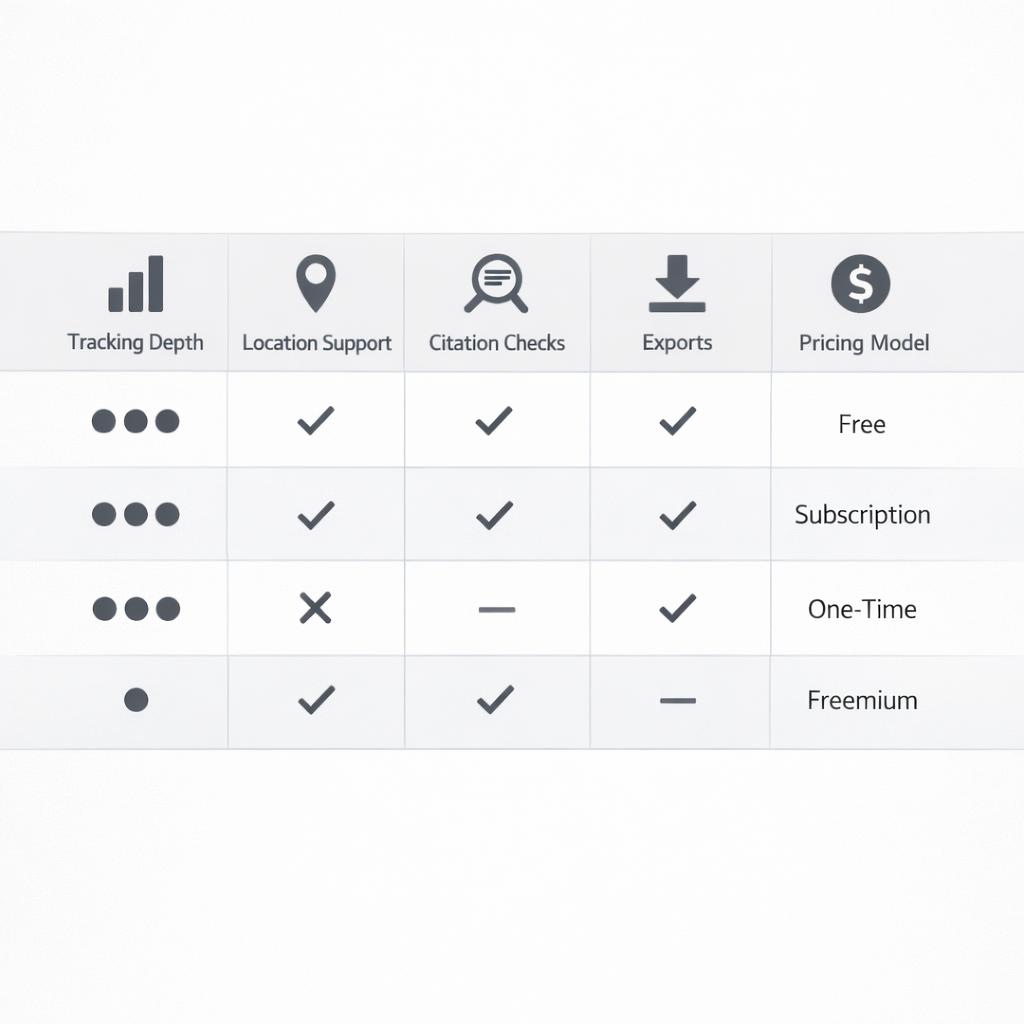
When reviewing the best overviews checking tools, accuracy should mean consistency and transparency, not perfection. Ask how the platform collects results, how often it refreshes tracked keywords, and whether it supports the countries and languages you need. Coverage matters because some tools are strong in US desktop tracking but weaker for mobile or international monitoring. Others work better for ad hoc research than for steady reporting. A useful comparison should look at tracking depth, location support, citation checks, exports, and pricing.
Workflow fit matters just as much. Agencies may need multi-user access, tagging, and client-ready exports, while solo site owners may want a cleaner dashboard and manageable keyword limits. If your team needs tools to monitor overview citations across many page groups, check that filtering and segmentation are easy to use. It is also worth confirming whether the platform lets you compare your domain with competitors over time, since trend data is far more useful than isolated examples pulled from a single day.
Features that matter most for teams and solo site owners
- Flexible keyword grouping for topics, templates, or client accounts.
- Local and global result support for US campaigns and wider market checks.
- Citation capture that clearly identifies referenced domains and URLs.
- Change history so you can see when overview presence rises, drops, or shifts.
- Clean reporting with exports that non-specialists can understand quickly.
In practice, the best choice often comes down to match, not maximum features. A large publisher may need broad tracking and detailed exports, while a small site may get more value from a simpler platform that makes weekly review fast. Before committing, test whether the tool surfaces clear answers to real questions such as which pages are cited, which keywords trigger overviews most often, and where visibility changes by location or device.
How to use these tools to turn findings into content updates
Once tracking is in place, the real value comes from using the data to improve pages. Start with queries where search overviews appear often but your site is rarely cited. Review those pages for missing subtopics, weak supporting evidence, outdated examples, or unclear structure. Then compare cited competitor pages to see what kinds of information are consistently included. This gives you a practical answer to how to track overview visibility in search while keeping the focus on content quality and search intent.
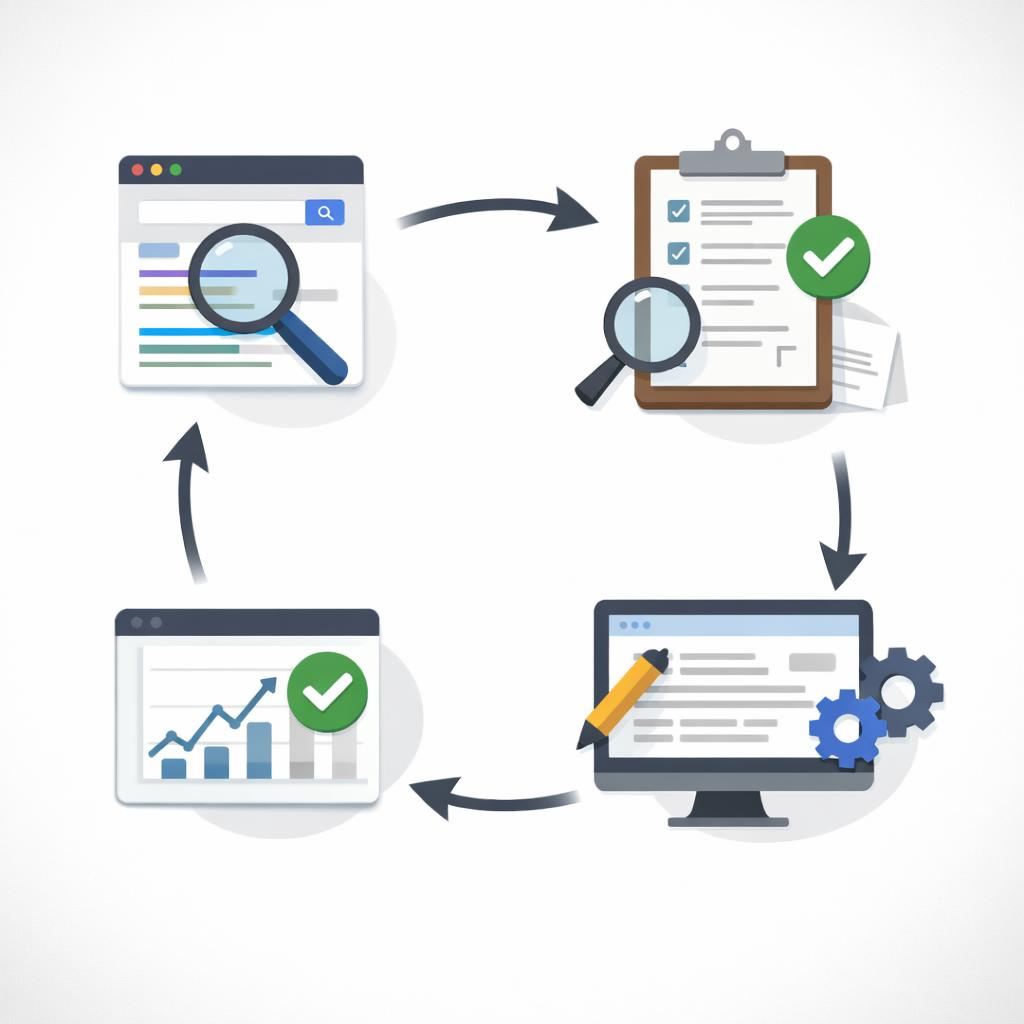
Next, build a simple refresh queue based on opportunity size. Pages that already rank reasonably well but have weak citation visibility are often the best first targets. Document what you changed, then recheck after the next tracking cycle instead of expecting immediate movement. Teams that want a repeatable process should connect monitoring with guidance on how to update pages based on SERP changes. A simple loop works well: check visibility, review citations, update content, and recheck results.
Simple review routine for ongoing visibility checks
- Weekly: Review high-value keywords for new overview appearances or citation losses.
- Monthly: Compare trend data by topic cluster, device, and location.
- Quarterly: Refresh pages with stable ranking signals but weak overview visibility.
- After updates: Recheck tracked queries and note changes in citations and overview frequency.
This process helps keep teams from chasing random fluctuations. Instead of treating every result change as a crisis, you can look for repeated patterns, prioritize pages with the clearest upside, and measure whether updates lead to better visibility over time. That is where smart overviews checking tools are most helpful: not as a source of certainty, but as a way to make smarter editorial decisions with less guesswork.

Conclusion
The right smart overviews checking tools give you a structured way to monitor search overviews, citation visibility, and result changes without relying on scattered manual searches. The best option depends on your market coverage, reporting needs, and how deeply you want to compare competitors, locations, and devices. Because result consistency can vary, it is smart to treat tool data as directional and confirm important patterns across multiple checks.
If you are evaluating the best overviews checking tools, prioritize historical tracking, clear citation reporting, and workflows that help convert findings into page updates. That mix supports better decisions for SEO specialists, publishers, and site owners who want a practical way to watch visibility over time and respond to changes with confidence.
FAQ
What should I look for in an overviews checking tool?
Look for reliable tracking of overview presence, citation capture, historical trend data, and support for the countries, devices, and languages you care about. Good tools should also offer clean exports, useful filters, and enough transparency to explain how data is collected. If you manage large keyword sets, grouping and tagging features can save a lot of time.
Can overviews checking tools help improve content performance?
Yes. They can show where your pages are missing from cited results and where competitors appear more often. That insight can guide content refreshes, topic expansion, and page structure improvements. They do not guarantee stronger performance, but they do help you prioritize updates based on visible search patterns instead of assumptions.


