

An smart overview checker helps you see whether overview-style search results appear for your most important queries, which sites or pages are cited, and how those results change over time. For SEOs, publishers, and site owners, the goal is not perfect certainty. The real value is a practical, repeatable way to review visibility so you can decide what to update next. If you are trying to match pages to search intent, a checker can quickly show whether your content lines up with the summaries people now see in search.

Treat checker data as directional, not absolute. Overview visibility can shift based on query wording, device, location, personalization, and date. That is why the best process combines tool data with manual spot checks. If you want to know how to use an smart overview checker, start with a small group of high-value queries, review the cited sources, and compare snapshots over time instead of treating one report as final.
What an smart overview checker does and when to use one
An smart overview checker is useful when you need to confirm whether overview results appear for target searches, spot common citation patterns, and see how often your pages are included or left out. This matters after content updates, traffic drops, ranking swings, or when a client asks why clicks changed even though standard rankings seem steady. In practice, the best smart overview checker for seo is usually the one that lets you review the same queries consistently and compare results without creating extra cleanup work.
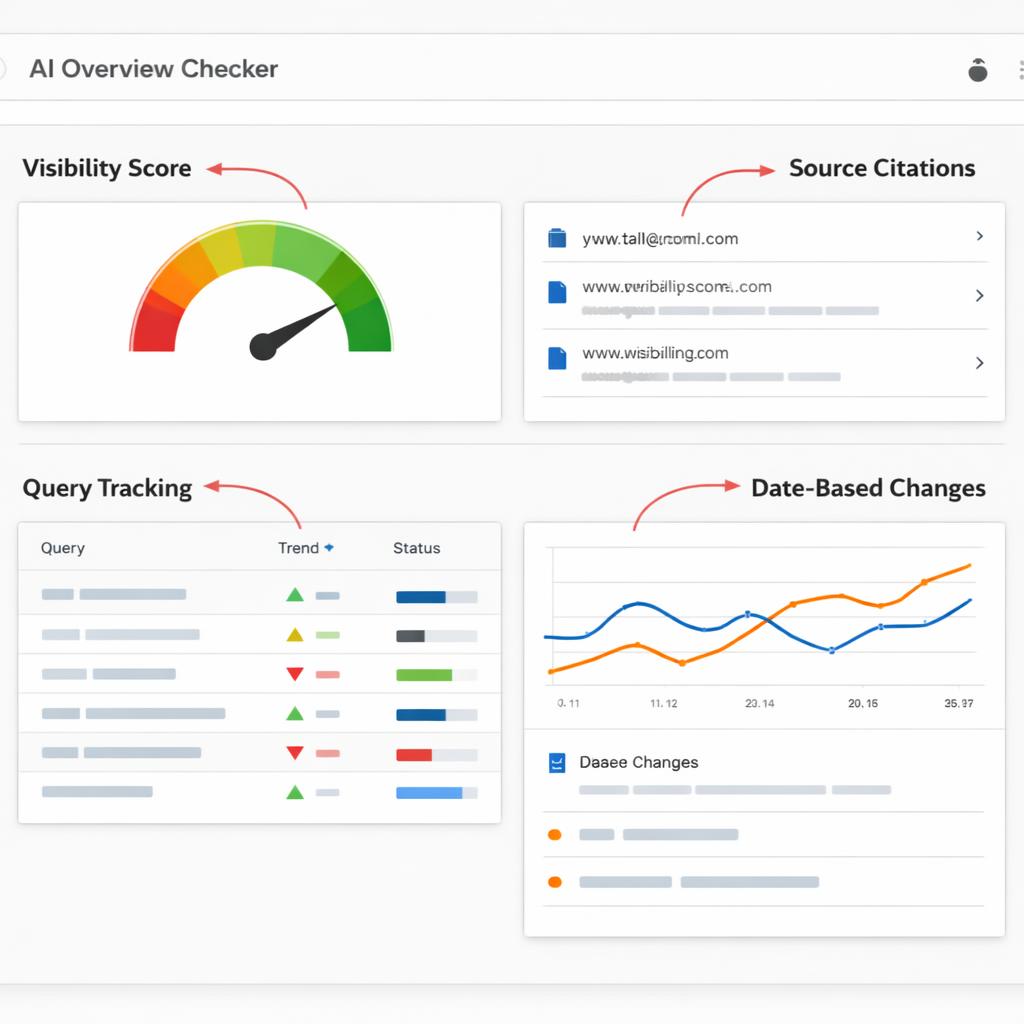
Use one during content audits, page refresh cycles, and competitor reviews. It also helps when you want to understand whether informational pages are being summarized in search instead of earning direct clicks. Keep expectations realistic: what the checker captures may differ from what another user sees at the same moment. That is normal. A useful checker reveals patterns, not guarantees. The most helpful reports usually include query coverage, citation frequency, landing page overlap, and changes by date.
Key signals to review before trusting the data
Before acting on any report, review the query list, country and device settings, snapshot date, and whether the tool separates overview presence from traditional rankings. Check whether it records cited domains, page URLs, and whether the result was seen more than once. A single appearance may be noise, while repeated observations are much more useful.
- Query consistency: Compare exact phrases instead of mixing close variants.
- Location and device: Mobile and desktop results can look different.
- Citation detail: Look for domains and page URLs, not just a yes-or-no flag.
- Date tracking: Historical snapshots tell you more than a one-time check.
How to compare checker results without wasting time
If you are comparing tools or methods, keep the process simple. Build a small benchmark list of queries by intent type, then run that same list through each checker on the same day. Note whether each one shows overview presence, cited sources, and page-level detail. This is one of the fastest ways to answer how to verify smart overview results without getting pulled into edge cases that do not change decisions. You can also track search visibility over time alongside overview reporting to see whether summary changes line up with broader search movement.
Do not compare tools only by how many overviews they detect. Compare how useful the output is for action. Can the checker group queries, export clean data, and separate branded from non-branded terms? Can it show changes by date and landing page? If your goal is to track smart overview visibility in search, the better setup is usually the one that reduces manual review and makes repeat reporting easy for your team.
Metrics that matter most for publishers and SEO teams
Focus on metrics that lead to action. Overview presence rate shows how often summaries appear for your tracked terms. Citation share shows how often your domain or competitors are referenced. Landing page overlap helps you identify which pages are tied to cited topics. Query volatility shows how much results change from week to week.
- Overview presence rate: The share of tracked queries that show an overview.
- Citation share: How often your site appears among cited sources.
- Page association: Which URLs are tied to cited topics or missing completely.
- Change over time: Trends by week, update date, or content revision.
Conclusion
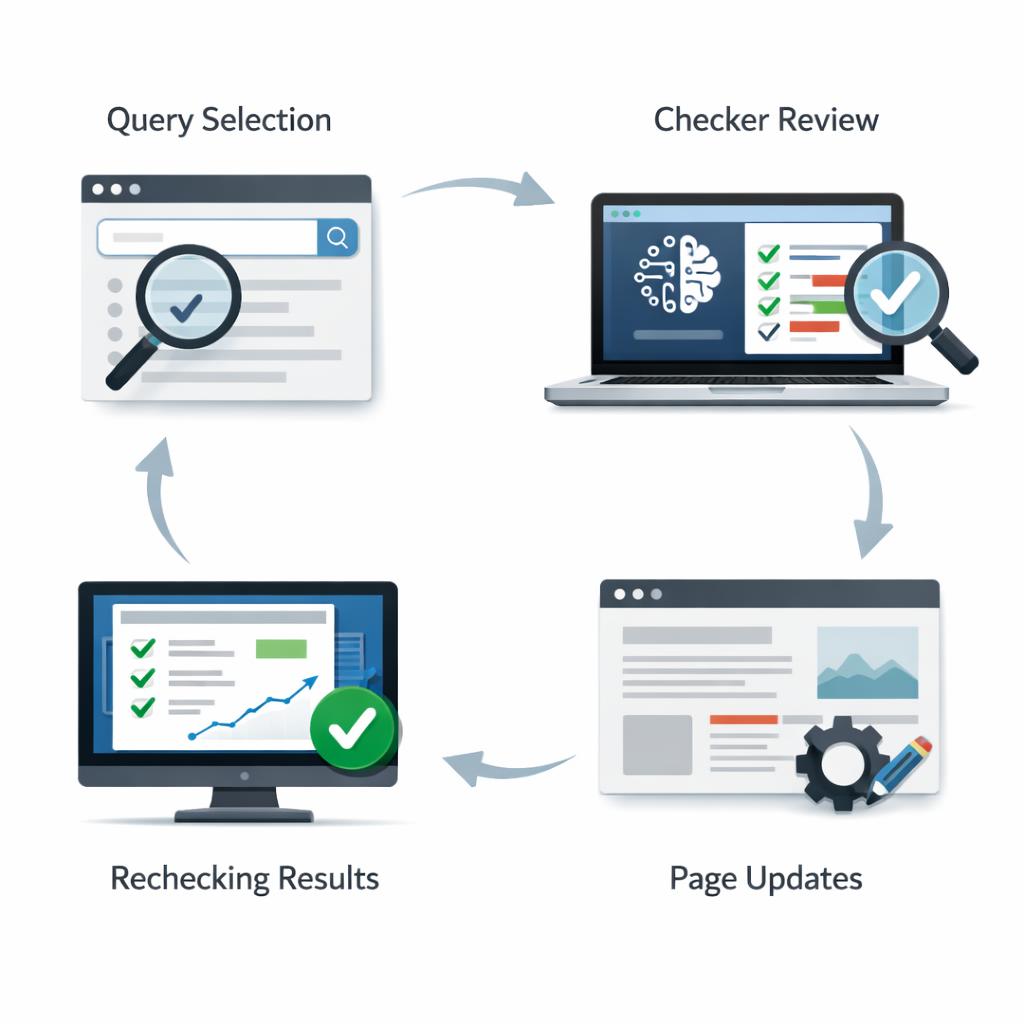
An smart overview checker works best as a practical review tool, not as the final word on search reality. It helps you confirm whether overview-style results appear, which sources are cited, and how patterns shift after updates. The most reliable workflow is straightforward: choose important queries, compare repeated snapshots, review citations and page overlap, and pair tool reports with manual checks. That approach gives you a clearer view of visibility trends without wasting time on noisy data.
Used well, this kind of checker supports smarter editorial planning. It can help you prioritize pages that need clearer answers, better structure, or stronger topic coverage. It can also show when a page is already aligned with search intent and does not need major changes. Instead of chasing every fluctuation, focus on stable patterns across your most valuable topics. That is usually the clearest answer to how to use an smart overview checker in a way that improves reporting and content decisions.

FAQ
What should an smart overview checker measure?
It should measure overview presence for tracked queries, cited domains and URLs, changes by date, and page-level overlap with your target content. Useful tools also separate device or location settings and make repeated checks easy to compare. Those details matter more than a simple yes-or-no flag because they help you judge whether a pattern is stable enough to act on.
How often should you check overview visibility?
Check weekly for competitive or fast-changing topics and monthly for stable evergreen content. It also makes sense to run checks after major page updates, traffic swings, or changes to query targeting. The key is consistency. Repeating the same query set under similar conditions gives you a far more trustworthy view than frequent one-off checks.
Can an smart overview checker replace manual review?
No. A checker saves time and helps you spot patterns, but it should not replace manual review. Search results can vary by device, location, and timing, and tools may not capture every detail that appears in a live result. Manual spot checks help confirm context, verify cited pages, and catch issues that a report may miss. The best approach is to use both together.


