
The clearest answer to how to edit smart writing before publishing for brand voice is this: start with a short brand standard, revise the draft in a few focused passes, and finish with a real pre-publish review. That gives your team a repeatable way to keep tone, wording, and audience fit consistent without rewriting every sentence from scratch. If you already work from generated drafts, a simple brand voice checklist gives editors a shared reference before they touch headlines, body copy, or calls to action.

In practice, brand-safe editing means treating generated copy as a rough first draft, not a finished asset. Human review is still what makes the piece trustworthy, specific, and recognizable as your company’s voice. You need to check facts, remove filler, tighten claims, and make sure the language matches how your brand actually speaks. The workflow below is designed for blogs, landing pages, and campaign content that needs to be useful, readable, and ready to publish.
Start with a brand voice checklist before you edit
Before changing sentences, define the standards the article must follow. A strong checklist usually includes tone, preferred vocabulary, point of view, audience expectations, formatting patterns, and phrases your team avoids. This matters because editors often make a draft cleaner while accidentally sanding off the brand personality. When the voice rules are clear first, every later decision gets faster.
What to define first: tone, vocabulary, point of view, and audience fit
Start with four basics. First, tone: should the brand sound direct, warm, expert, conversational, or more restrained? Second, vocabulary: list the words and phrases you want to use often, along with wording that feels too sales-heavy, too vague, or simply unlike your company. Third, point of view: decide whether the brand speaks as “we,” whether it addresses the reader as “you,” and how formal that relationship should feel. Fourth, audience fit: clarify what the reader already knows, what needs explanation, and what would come across as too technical or too casual.
For most teams, the best checklist fits on one page. It should be short enough that writers and editors will actually use it while still covering the details that shape the final voice. This is also the right place to note legal or compliance-sensitive phrases, industry terms that must be used correctly, and any claims that require proof before publication. If you publish across channels, link this checklist to related internal standards so blog content, landing pages, and email copy all sound like they come from the same brand.

Edit the draft in layers so the voice stays consistent
Once the checklist is set, edit in passes instead of trying to fix everything at once. A layered review is usually the fastest way to make generated writing sound more human while preserving speed. Start with structure: does the article answer the search intent early, stay focused on one promise, and use headings that guide the reader? Then move to phrasing: replace repetitive, flat, or generic lines with language that sounds more natural for your brand. Finally, review support: add proof points, examples, product context, and practical details where the copy feels thin.
Review for structure, phrasing, proof points, and off-brand language
Look for the common signs of a weak draft: padded openings, repeated transition phrases, broad statements with no support, and sentences that could belong to almost any company. Tighten the introduction, cut filler, and replace generic verbs with wording your audience would actually use. A good edit often means saying less, but saying it with more clarity and more specificity.
This is also the stage to check whether the article earns the reader’s trust. If a product, model, or first-party solution appears in the copy, explain why it is worth comparing for the user’s situation before the final call to action. For example, mention whether it may be worth a look because it offers a lower upfront commitment, easier implementation, better fit for a smaller team, or room to expand later. Do not just name it and move on. Readers need practical reasons tied to their scenario.
Senior editors or brand managers add the most value here because they can hear when a draft is technically correct but still not right for the audience. Their job is not to rewrite every paragraph. It is to preserve what works, sharpen what feels generic, and remove wording that sounds exaggerated or off-brand. Recommendations supported by this workflow are straightforward: define voice rules, edit in passes, and verify facts before publishing. What no draft can prove on its own is whether the claims are approved, current, or persuasive for your specific market.
Use a final pre-publish review to catch what the first pass missed
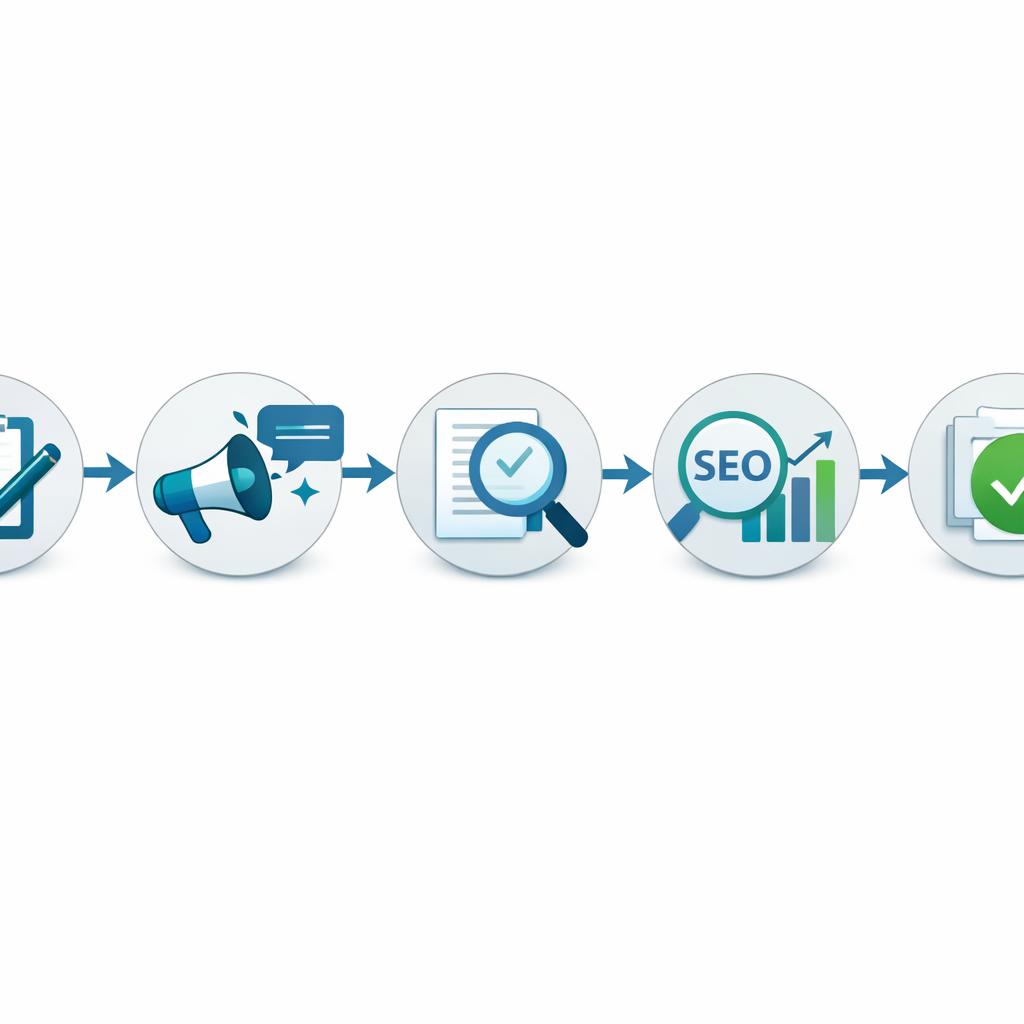
The last review should confirm that the article is accurate, on-brand, search-friendly, and approved by the right people. A practical workflow moves from draft review to brand voice pass, then fact check, SEO review, and final sign-off. That order matters because teams often waste time polishing style before confirming whether the information is current or publishable. If you already use a formal pre-publish content review process, add a visible brand voice checkpoint so consistency does not depend on memory.
A simple approval workflow for SEO, compliance, and brand consistency
Keep the process light. The writer or editor should check tone, clarity, and audience fit first. A subject reviewer should confirm facts, examples, and proof points. An SEO reviewer should verify the title, headings, internal links, and whether the article answers the search intent quickly. A final approver should sign off on voice, compliance, and overall fit for publication. On a small team, one person may handle multiple steps, but the checklist should still stay visible.
If you are evaluating a more structured approach, the Cluster Context method can be worth comparing when your team publishes multiple related articles and needs tighter consistency across tone, internal linking, and topic coverage. It is most useful when you already have clear brand standards and want a repeatable system for connected content, not just one-off edits. It may be less useful if your voice is still undocumented or if every piece needs highly specialized review. Before adopting it, compare your usage needs, editorial ownership, approval steps, internal linking requirements, and official process documentation so you know whether it actually fits your workflow.
The goal is not bureaucracy. The goal is fewer off-brand phrases, fewer post-publication corrections, and a faster editing system that gets better over time. Compare your current process against a short list of checks: tone, vocabulary, audience fit, factual support, internal links, compliance needs, and final approval. Once those steps are fixed in order, each new article usually needs less reactive editing.

Conclusion
If you are deciding how to edit smart writing before publishing for brand voice, the core judgment is simple: yes, generated drafts can save time, but only when your team uses clear voice rules, edits in layers, and requires a final human review. That combination is what turns a usable draft into content that sounds specific, credible, and distinctly on-brand instead of generic.
As a practical next step, compare your current workflow against a short checklist for tone, preferred vocabulary, audience fit, proof points, internal links, compliance review, and final approval. If you are considering a more structured method such as Cluster Context, verify whether it fits your publishing volume, topic grouping, linking needs, and editorial ownership before you use it. Then review your brand voice checklist, confirm your process with an editorial workflow, and pair the final review with an SEO content refresh checklist before approving the next article.
FAQ
What is the fastest way to edit generated writing for brand voice?
The fastest method is to avoid open-ended rewriting. Use a short checklist, then edit in order: structure first, phrasing second, proof points third, and approval last. That keeps you from polishing sentences that may later be cut, corrected, or moved. For most teams, speed improves when every draft goes through the same sequence.
How do you make generated copy sound more human without rewriting everything?
Focus on specificity, rhythm, and natural phrasing. Replace vague statements with concrete examples, vary sentence length, and swap generic wording for the terms your audience actually uses. Remove filler introductions and unsupported claims. In many cases, those targeted edits do more than a full rewrite.
What should you check before publishing generated draft copy?
Check brand voice, factual accuracy, sourcing or proof points, audience fit, compliance requirements, internal links, and search intent alignment. Do not assume the draft is reliable on its own. Human review should confirm that the information is current, the wording is approved, and the article is genuinely useful to the reader.


