
The short answer is yes, Google may spot patterns often found in machine-written text even after a person revises it, but that is not the issue most publishers should focus on. What matters more is whether the final page is accurate, original, useful, and written for people instead of search manipulation. If you take rough automated drafts and revise them against strong helpful content standards, the bigger question becomes quality, not whether the source can be labeled with certainty.

For teams asking can google tell if content was written by smart after editing, the safest answer is that no simple detector should guide your strategy. Google has consistently emphasized helpfulness, trust, expertise, and originality. Human editing can strengthen a weak draft, but light rewriting does not automatically turn thin content into something worth ranking. When the finished article adds fresh insight, verifies claims, and matches search intent, it stands in a much better position than a lightly cleaned-up draft that says nothing new.
The short answer: detection is less important than content quality
Many site owners imagine Google scanning a page and assigning a hidden machine-written score. That idea is too narrow. Search systems assess many signals connected to usefulness, quality, and overall site trust. So when people ask whether human editing removes detection risk, the better answer is that editing only matters if it genuinely improves the page. Swapping words, changing sentence order, or smoothing grammar will not fix weak ideas, thin evidence, or a structure copied from dozens of similar posts.
What Google evaluates instead of relying on a simple detection label
Google is more likely to reward pages that answer the query clearly, reflect real understanding, and show signs of careful review. That includes factual accuracy, original examples, strong organization, and a clear reason for the page to exist. A machine-written draft can become useful if an editor adds firsthand knowledge, checks claims, removes filler, and tailors the piece to the audience. In practice, how Google evaluates edited automated content is much closer to a quality review than a simple source check.
This is why search performance usually comes down to whether the page helps someone solve a problem. If readers land on your article, find specific answers, and feel they learned something trustworthy, that sends a much stronger signal than polished but generic writing. A practical next step is to compare every draft against your best-performing content and your editorial checklist before it goes live.
What human editing changes and what it does not fix
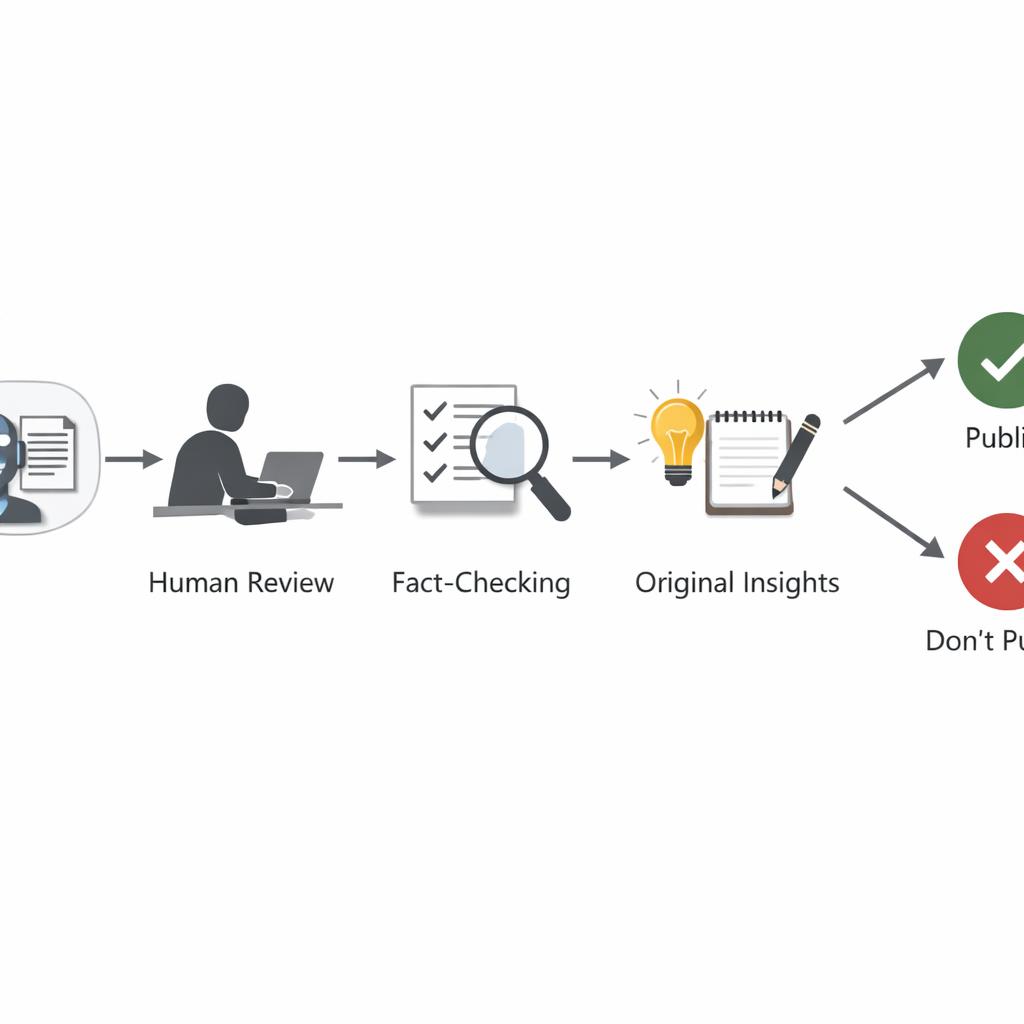
Human editing can substantially improve a draft when the editor does more than tidy the wording. Strong edits clarify intent, replace vague statements with verified facts, correct outdated information, remove filler, and add examples that reflect real experience. They also improve readability by matching tone to the audience and making the article easier to scan. If someone asks is smart generated content okay if reviewed by humans, the honest answer is yes, sometimes, but only when that review materially improves the final page.
Edits that improve originality, accuracy, and reader value
Editing does not solve every problem. If a draft is built on false assumptions, stitched together from common web summaries, or written without subject knowledge, rewriting it may still leave it unhelpful. A page can read smoothly and still offer no unique value. The strongest revisions add something readers cannot get from twenty nearly identical articles: expert context, tested advice, relevant examples, better sourcing, or a clearer answer to the query. That is why rewriting machine-written text does not automatically improve rankings. Better rankings usually follow stronger value, not cleaner phrasing.
A simple way to judge the difference is to ask what changed after editing. Did the article gain specific examples, data, clearer recommendations, and verified claims? Or did it just become more polished? Surface edits can make content sound more natural, but they rarely make it more useful on their own. If your team wants to reduce risk, focus less on hiding the draft source and more on adding depth, accuracy, and perspective that readers can actually use.

How to publish edited drafts without creating search risk
The safest workflow is editorial, not mechanical. Start by deciding whether the draft deserves to exist at all. Then review every key claim, validate sources, cut repetition, and identify places where you can add perspective or evidence. Before publishing, compare the article with top-ranking results and ask what your version contributes that they do not. A strong process should require factual review, clear intent match, and a final read for usefulness, not just grammar.
A practical pre-publish checklist for trust and usefulness
Use a direct test before anything goes live. Is the page accurate? Is it original enough to justify indexing? Does it answer the reader quickly? Does it avoid padded wording and unsupported claims? Is the advice current, specific, and trustworthy? If the answer to any of these is no, keep editing or do not publish. For teams wondering can google detect smart content after human editing, this is the real takeaway: reduce search risk by improving substance, not by trying to disguise a weak draft.
It also helps to build internal review habits. Assign one person to fact-check, another to check search intent, and another to read strictly as a user. If the article fails any of those checks, it needs more work. Over time, that process creates a library of content that is more likely to earn trust, links, and repeat traffic because it is genuinely helpful, not just technically clean.

Conclusion
So, can google detect smart content after human editing? Possibly in some cases, but that should not be your main decision point. Google is far more concerned with whether the finished page is helpful, accurate, original, and satisfying for readers. Human editing helps when it adds judgment, fact-checking, structure, and insight. It does very little when it only rewrites generic text.
If you use automated drafts, treat them as a starting point rather than a finished asset. Review every important claim, improve the article with specifics, and make sure the page adds something worth indexing. Teams that focus on value, clarity, and trust are much better aligned with search expectations than teams trying to hide how a draft began.
FAQ
Can Google tell if a person edited machine-written content?
Google may notice patterns often associated with machine-written text, but it is more useful to think of this as an overall quality assessment rather than a single detector. If a person substantially improves the content, the page is more likely to be judged by usefulness, accuracy, and originality than by how the first draft was created.
Does rewriting machine-written text make it rank better?
Not by itself. Rewriting can improve readability, but rankings are more likely to improve when edits add verified facts, stronger structure, closer alignment with search intent, and original insight. Cosmetic rewrites alone usually do not turn a weak page into a strong one.
Should you disclose that a draft started with automated writing?
In most cases, disclosure matters less than editorial responsibility, unless your industry, client, or publication policy requires it. What matters most is whether the final article is accurate, trustworthy, and genuinely useful to readers.
What is the safest way to use automated drafts for SEO?
Use them for outlining or early drafting, then apply expert review, source validation, originality checks, and reader-focused editing before publication. If the draft cannot be improved into something genuinely helpful, it is better not to publish it.


