
If you are searching for how to lower smart detection score after using chatgpt, the safest answer is not to chase gimmicks or quick fixes. A better approach is to treat any ChatGPT-assisted draft as a rough starting point, then revise it until it clearly reflects your knowledge, judgment, and voice. Detection tools often react to generic wording, stiff structure, repeated transitions, and broad claims with no real support. Careful editing improves readability for people first, and that often leads to a more natural result overall. If you need a practical place to begin, review this editing checklist for clearer writing before you publish or submit anything.
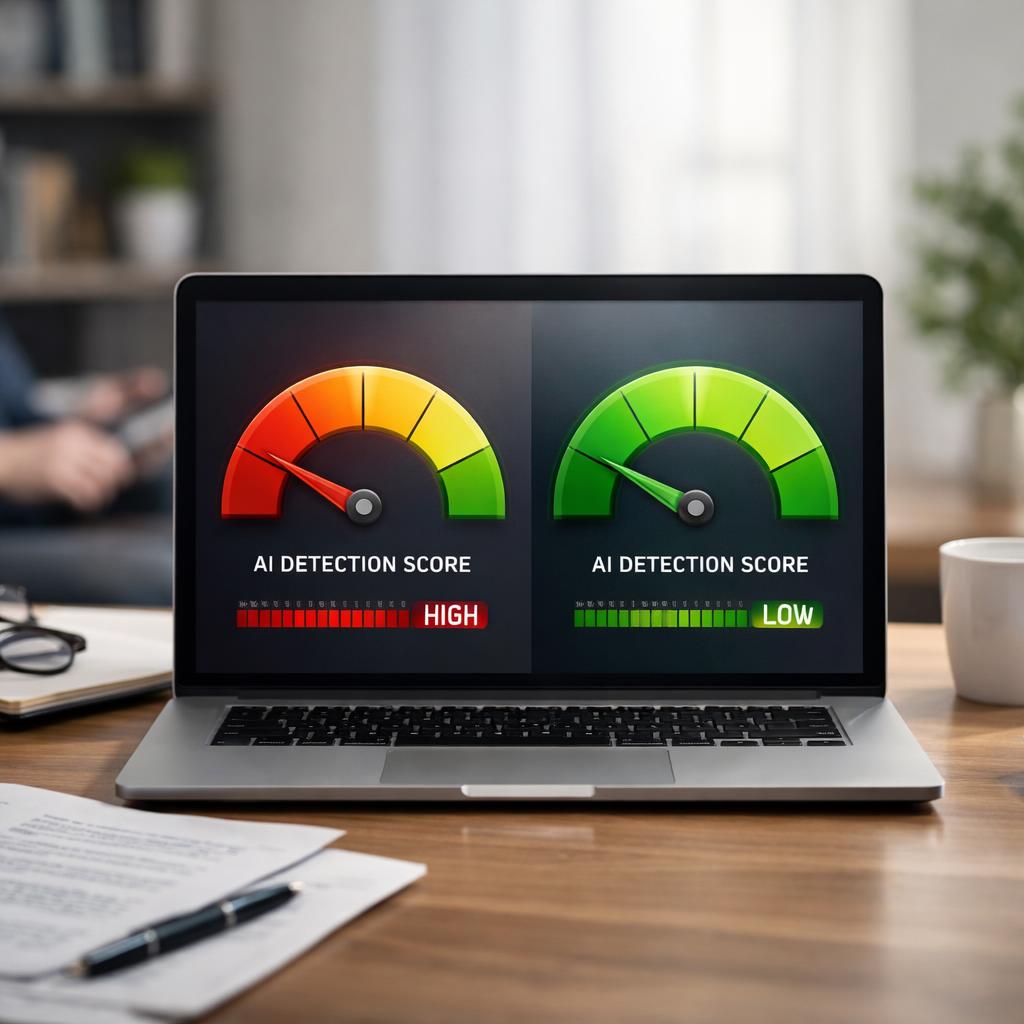
This guide explains why ChatGPT drafts often get flagged, how to revise them in an ethical way, and what to review before the final version goes live. You will also see how to make chatgpt writing sound more human by adding specifics, replacing vague language, and varying sentence flow. The goal is simple: stronger writing that feels credible, original, and useful to the reader.
Why ChatGPT drafts get flagged in the first place
Most detection tools do not judge writing the way an editor, teacher, or customer would. They tend to look for patterns that show up often in machine-generated text. ChatGPT-assisted drafts may rely on safe wording, evenly sized paragraphs, familiar transitions, and polished but distant phrasing. The result can read smoothly at first while still feeling generic. That mismatch is one reason chatgpt content gets flagged.
Patterns detectors often notice: repetition, flat phrasing, and predictable structure
Common signals include repeated sentence openers, stock phrases, and paragraphs that move with the same rhythm from beginning to end. Drafts may also avoid concrete details, local context, strong opinions, or real-world limitations. When every sentence sounds equally formal and every paragraph follows the same shape, the piece can feel manufactured instead of written by a person with a clear point of view. That is why editing matters more than simple word swapping.
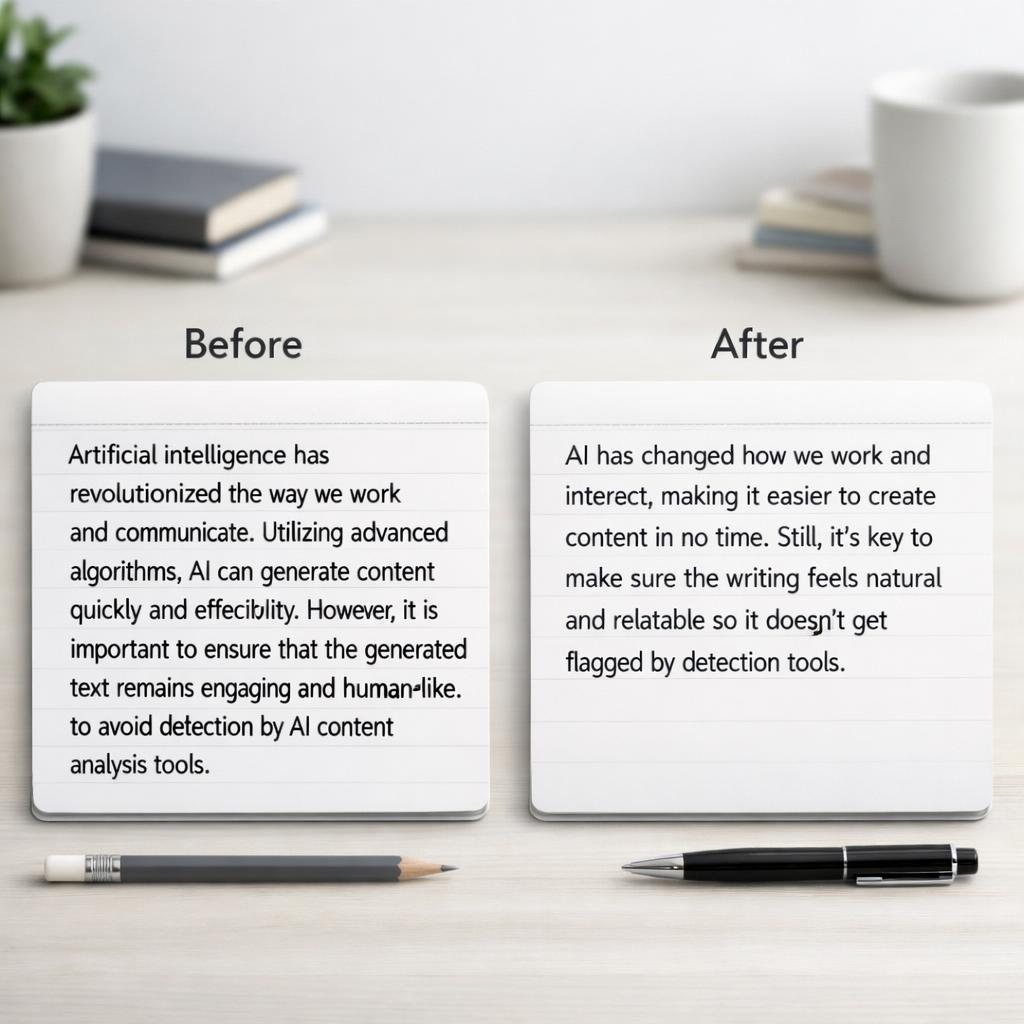
Before: “Businesses can benefit from content optimization in many ways. It is important to focus on quality, clarity, and consistency to achieve better engagement.” After: “When I revise a landing page, I usually cut vague claims first. A sharper headline, one useful example, and less filler often improve engagement faster than adding more copy.”
The second version works better because it sounds observed rather than assembled. It gives a concrete action, a real priority, and a more natural rhythm. Those are the kinds of changes that make a draft feel owned by the writer instead of merely cleaned up.
How to revise a ChatGPT draft so it reads naturally
The best way to edit chatgpt text before publishing starts with ownership. Read the draft slowly and mark every sentence you would never say in real life. Then replace broad wording with examples, preferences, and conclusions that come from your experience or research. If a point relates to your work, studies, or audience, say so directly. Even one specific detail can make a paragraph feel more grounded. This is also a good time to review how to improve tone and readability so the final version feels consistent rather than patched together.
Use your own examples, opinions, and sentence rhythm
Mix short and long sentences instead of keeping everything evenly paced. Replace broad claims with observations that show what you actually mean. If the draft says “brands should focus on value,” explain what value looks like in practice: faster onboarding, clearer pricing, fewer support tickets, or better retention. You can also move paragraphs around if the logic feels too neat or generic. These changes help reduce detection score on chatgpt content because they break predictable structure while making the writing more useful.
Cut filler, vary transitions, and fact-check every claim
Filler is one of the biggest weaknesses in ChatGPT-assisted drafts. Delete phrases that add length without adding meaning, such as “it is important to note” or “in today’s fast-paced world.” Next, review transitions. If every paragraph begins with “however,” “moreover,” or “in addition,” the writing starts to sound formulaic. Finally, verify names, dates, studies, numbers, and quotes one by one. A draft that sounds more human but includes weak facts still fails the reader. Strong revision is not just style work. It is also accuracy work, which is the ethical way to improve trust and originality.
A simple editing workflow before you publish or submit
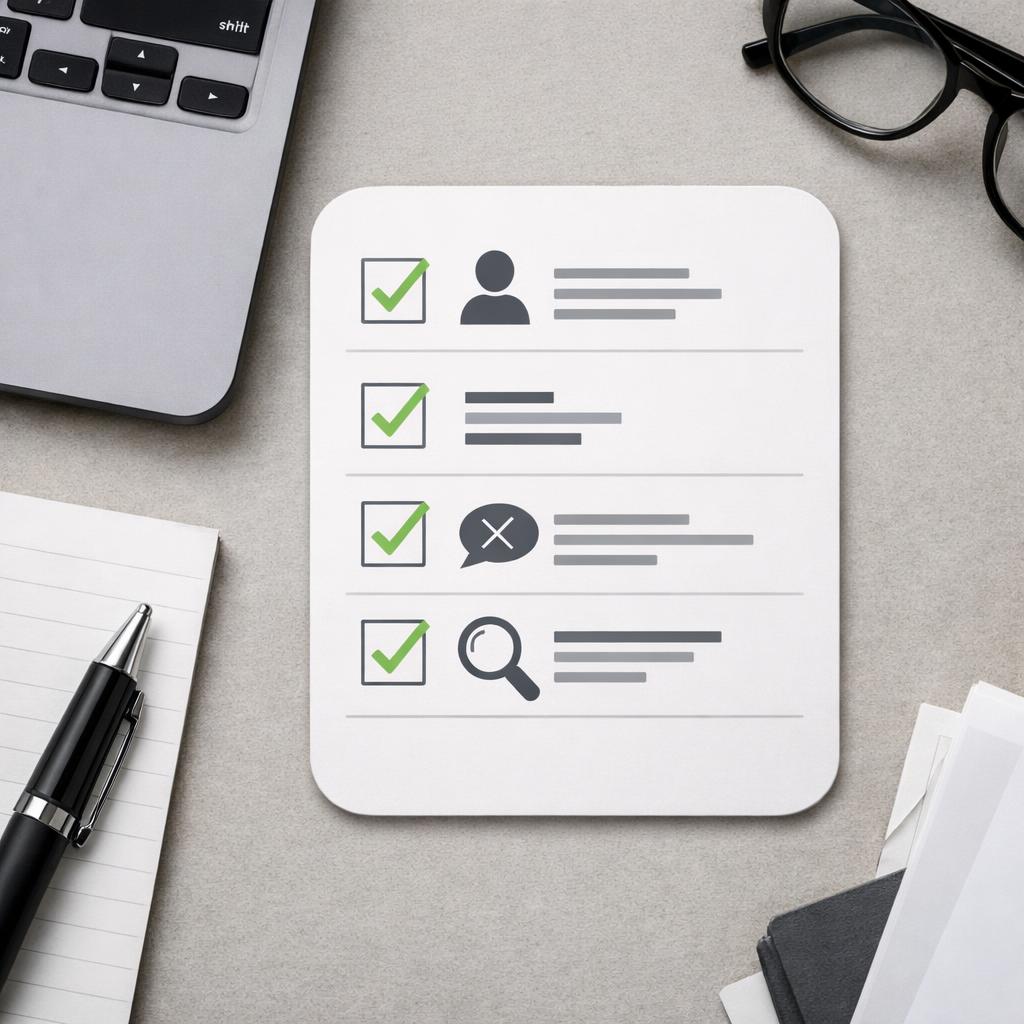
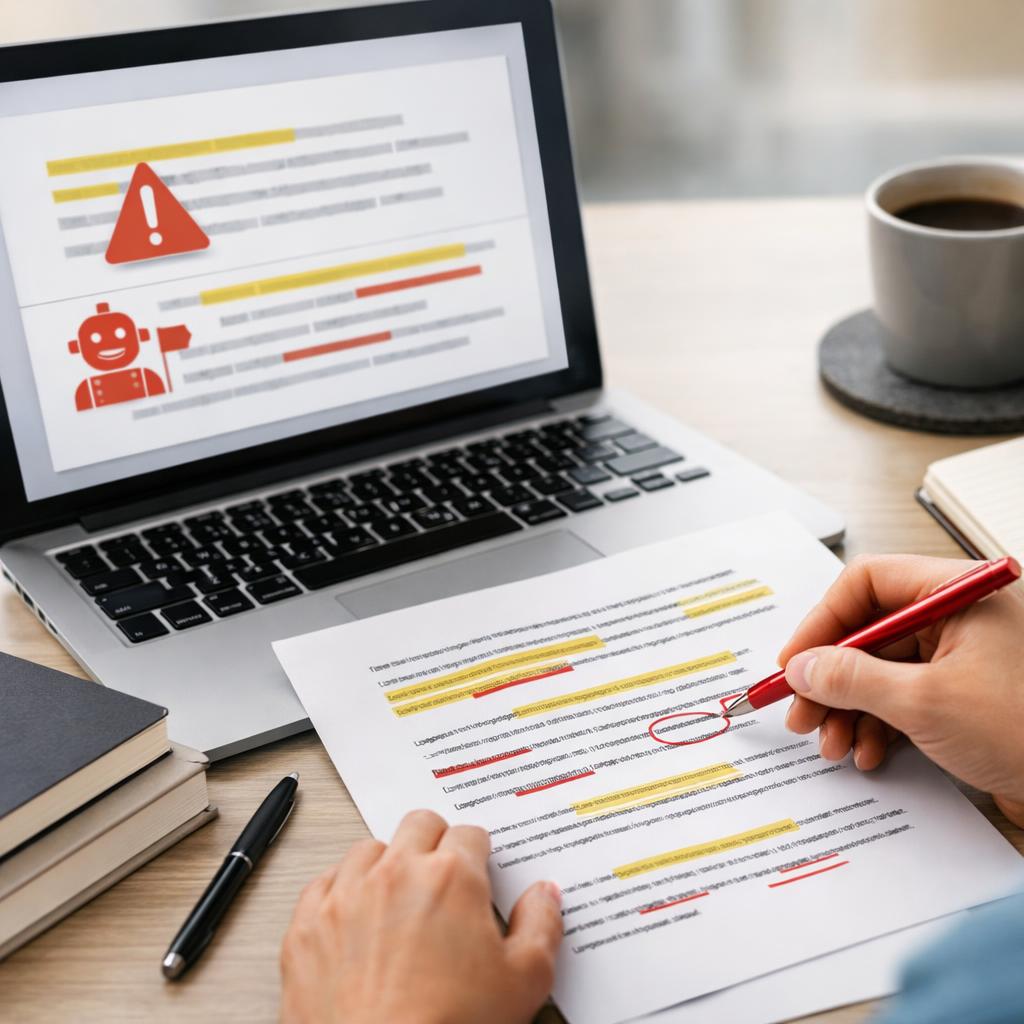
Use a repeatable process so you are not relying on instinct alone. First, step away from the draft for a few minutes or a few hours. Distance makes weak phrasing easier to spot. Second, read once for meaning and once for sound. Third, highlight anything vague, repetitive, or too polished to feel believable. Fourth, add details only you would know, such as a real example, a useful limitation, or a clear recommendation. Fifth, trim filler and vary sentence length. Sixth, confirm every factual claim. Seventh, make sure the piece still matches the audience and purpose.
Quick workflow checklist:
- Add one or two specific examples from your own work, study, or research.
- Replace generic phrasing with direct, concrete wording.
- Break repetitive sentence rhythm and overused transitions.
- Remove filler that does not improve meaning.
- Fact-check all claims, names, numbers, and sources.
- Read the final version aloud for tone, flow, and clarity.
This process will not guarantee any score, and it should never be used to disguise weak or borrowed writing. Its real purpose is to help you produce clear, original work that reflects human judgment. If your draft still feels bland after one pass, do a deeper revision at the paragraph level instead of polishing sentences one by one. That usually leads to a much stronger final result.
Conclusion
If you want to know how to lower smart detection score after using chatgpt, focus on revision quality instead of shortcuts. ChatGPT-assisted drafts are more likely to get flagged when they sound generic, repetitive, and detached from real experience. The most reliable fix is thoughtful editing: add your own examples, vary sentence rhythm, remove filler, and verify every fact. Those changes make the writing more natural for readers and less dependent on patterns detectors often notice.
The point is not concealment. The point is better writing. When you use ChatGPT as a drafting tool and take full responsibility for clarity, originality, and accuracy, the final piece is usually stronger in every way. That is the standard worth aiming for whether you are writing for school, work, or publication.
FAQ
Why do detectors flag ChatGPT writing even after edits?
Light edits often leave the original structure in place. If the draft still includes repetitive transitions, uniform sentence length, generic claims, or a flat tone, detection tools may continue to react to those patterns. Stronger revision usually means reordering ideas, adding specific detail, and changing the overall sound of the piece.
Does rewriting sentence by sentence help lower detection scores?
Sometimes, but not by itself. Swapping words line by line can still leave the draft feeling mechanical. A better approach is to revise at the paragraph and document level, adding your own examples, clearer opinions, and stronger logic. That tends to produce a more believable result than surface-level rephrasing.
How much of a ChatGPT-assisted draft should I change?
Change enough that the final version clearly reflects your thinking, your fact-checking, and your voice. In some cases, that means modest edits. In others, it means rewriting entire paragraphs, especially when the draft is too vague, repetitive, or broad for your audience.
Can reading the draft aloud really make a difference? Yes. Reading aloud exposes awkward rhythm, filler, repeated phrasing, and sentences that do not sound like you. It is one of the fastest ways to spot where a ChatGPT-assisted draft still needs real revision before you publish or submit it.


