
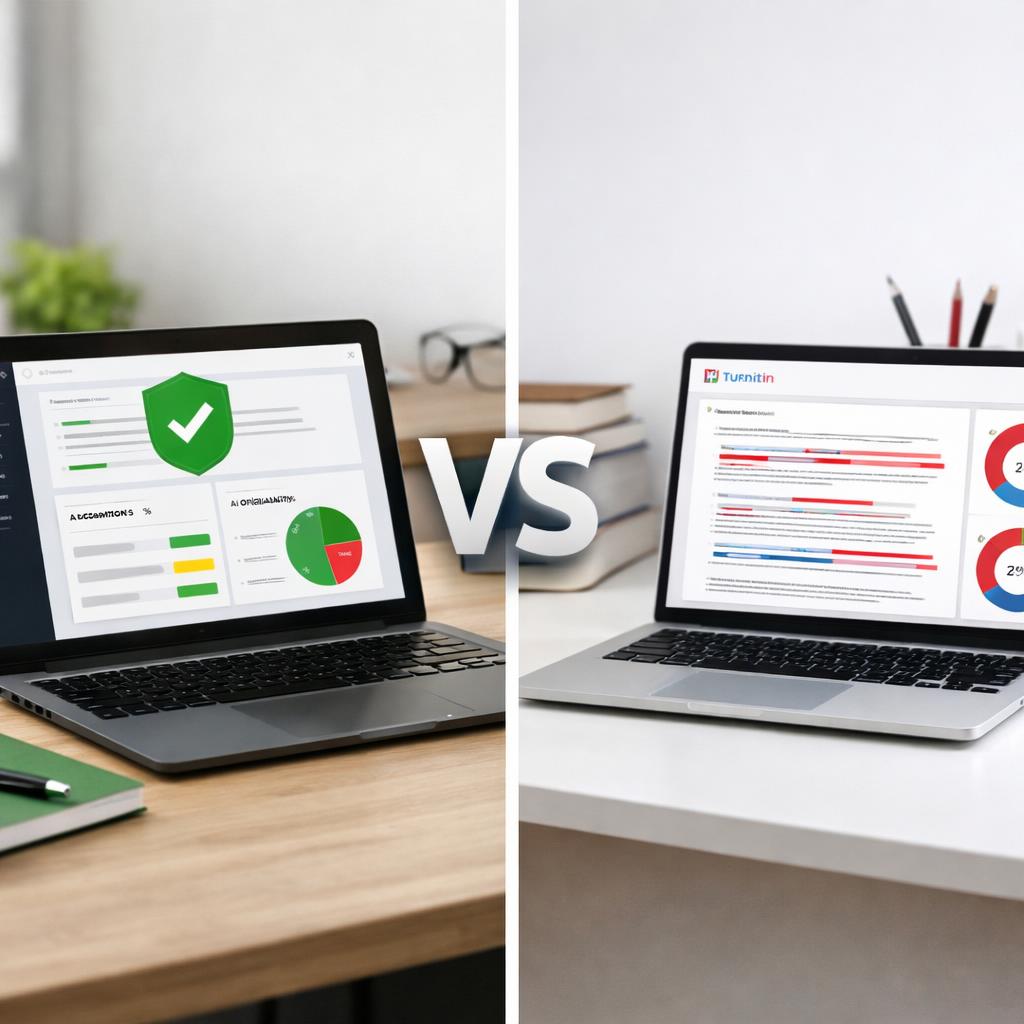
If you are comparing safeassign smart checker vs turnitin smart detector, the real question is not which tool sounds more advanced. It is which one fits your course setup, review process, and school policy. Both are used in education to flag matching text and support originality review, but they are not identical in daily use. They differ in where students submit work, how reports appear, who can access them, and how easy it is for instructors to review results in context. If you want more background before choosing, see how originality reports are interpreted in academic settings. This guide gives a practical, neutral comparison so students, instructors, and administrators can make a clearer decision without treating any detector result as automatic proof of a problem.
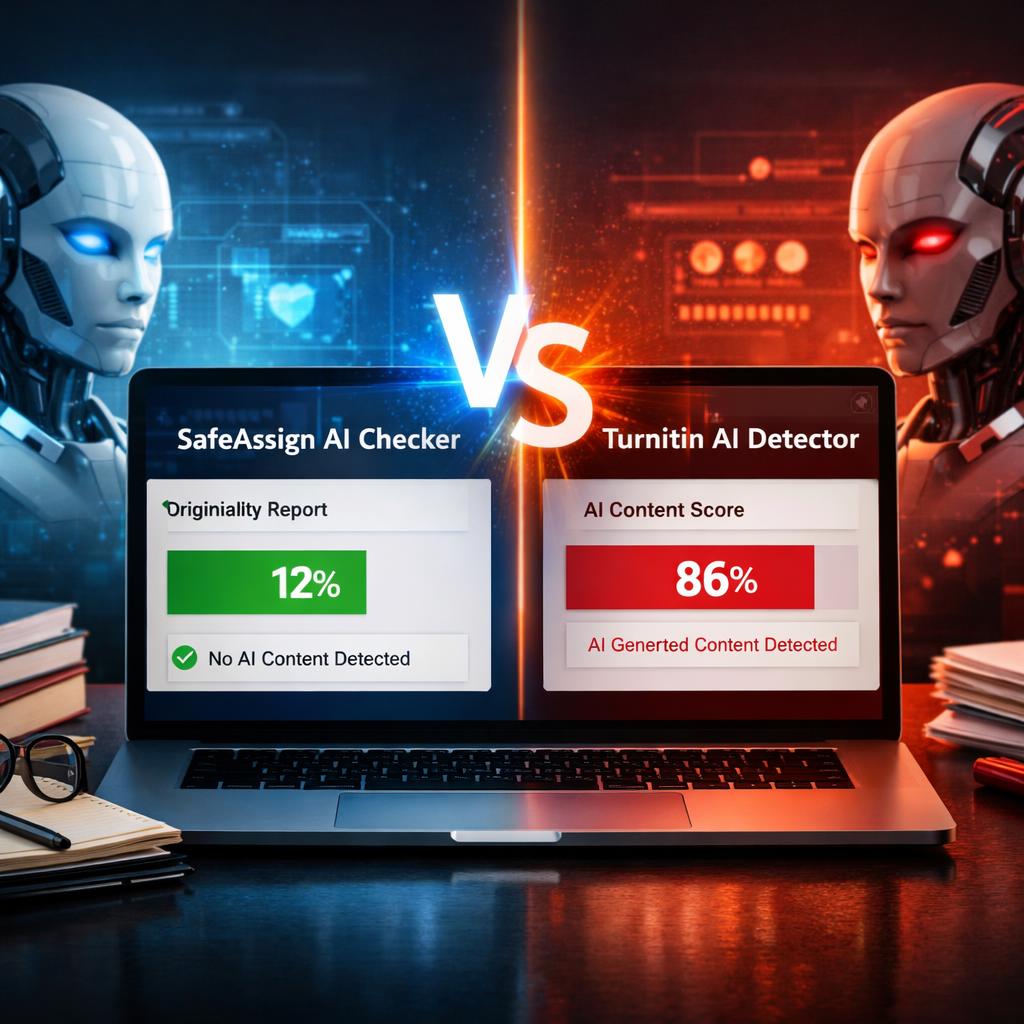
How SafeAssign and Turnitin detector tools differ at a glance
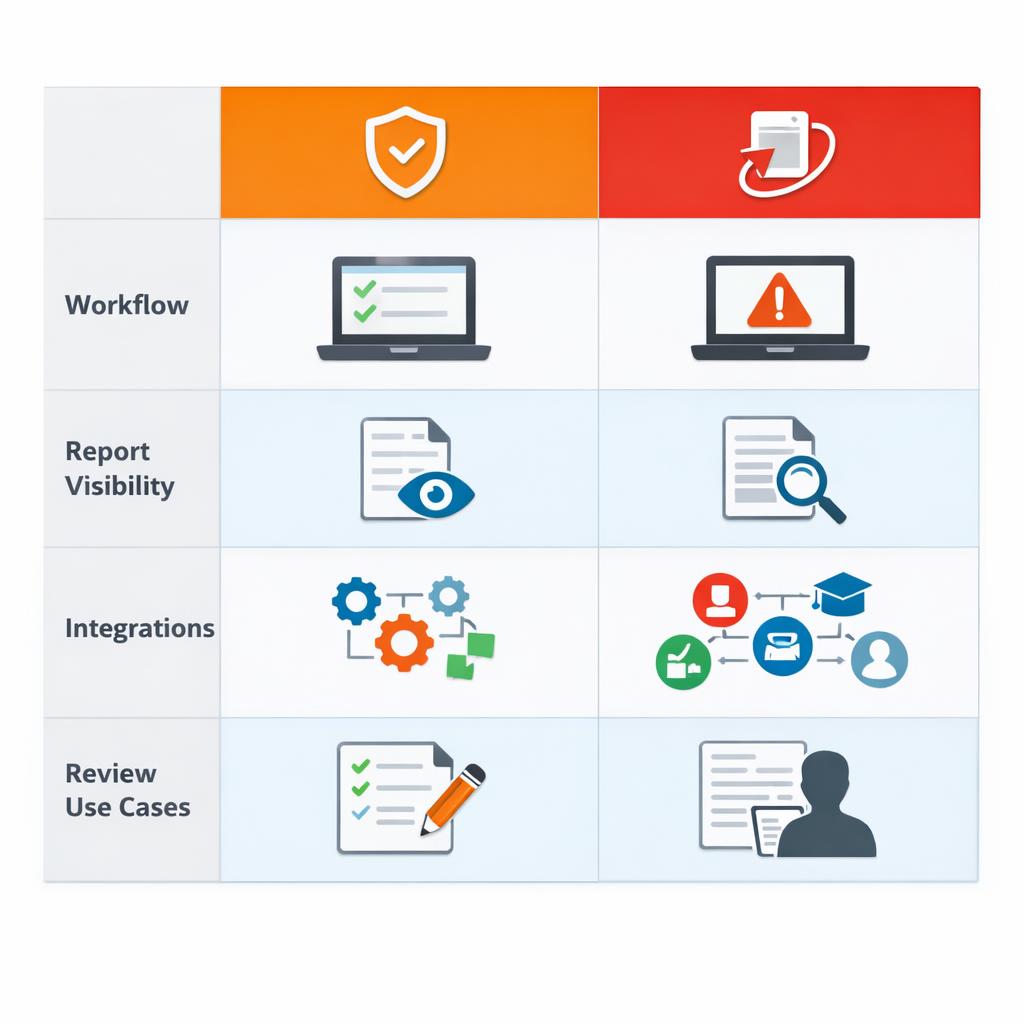
In the safeassign vs turnitin detector differences discussion, workflow is usually the biggest separator. SafeAssign is closely linked with Blackboard-based coursework, so it often feels simpler in schools that already use Blackboard for submissions, grading, and course management. Turnitin is more commonly used across multiple learning systems and is often chosen when institutions want a wider rollout and more consistent review practices across departments. That does not make one universally better. It simply means the better fit depends on the teaching environment already in place.
Report experience also matters. When looking at safeassign compared with turnitin for plagiarism checks, instructors often care less about branding and more about whether the report is easy to read, whether source matches are clear, and whether the results can be explained to students without confusion. Some schools use these reports as a learning tool during drafting, while others use them only as part of a formal integrity review. In both cases, a report should be read alongside assignment instructions, citation style, draft stage, and instructor judgment.
Submission flow, report access, and classroom workflow
Submission flow shapes adoption more than many schools expect. In Blackboard-heavy courses, SafeAssign can be attractive because originality review is built into an existing assignment path. That can reduce extra setup and keep the process familiar for instructors. Turnitin is often preferred when courses run across different systems or when the institution wants one review approach used more broadly. For support teams and administrators, this can affect training, troubleshooting, and policy enforcement as much as day-to-day convenience.
Report visibility is another practical difference. In some classes, students may see a version of the report before the final deadline and use it to revise. In others, only instructors can view the full report. That choice can influence student stress, revision habits, and appeal processes. If your school is asking which is better safeassign or turnitin detector, a useful first step is deciding whether the tool should mainly support student learning, instructor review, or a mix of both depending on the assignment.
What to compare before trusting detector results
No detector should be treated as perfect. A highlighted passage may reflect common wording, quoted material, reference lists, shared prompts, or properly cited overlap rather than misconduct. That is why safeassign and turnitin accuracy limitations matter more than promotional claims. Schools should compare how easy it is to inspect sources, exclude quoted text, account for drafts, and keep a fair review record. In many cases, the stronger system is not the one that produces more flags, but the one that helps instructors interpret results carefully.
Policy matters just as much as the interface. Schools need clear rules on whether a report leads to a conversation, a revision request, or a formal conduct review. They also need consistency across courses so students are not judged differently by department or instructor. If your institution is creating expectations, connect tool use with best practices for fair academic review so instructors have a framework for handling citation mistakes, early drafts, template-heavy assignments, and multilingual writing. Clear policy language often prevents more problems than stricter settings alone.
Accuracy limits, false positives, and policy considerations
False positives are a major reason to slow down before making decisions. Lab reports, discussion posts, template-based assignments, and topics with narrow vocabulary can all create overlap that looks more serious than it is. False negatives can happen too, especially when wording changes hide borrowed structure or ideas. That means neither SafeAssign nor Turnitin should replace instructor judgment. They are review tools, not final decision-makers.
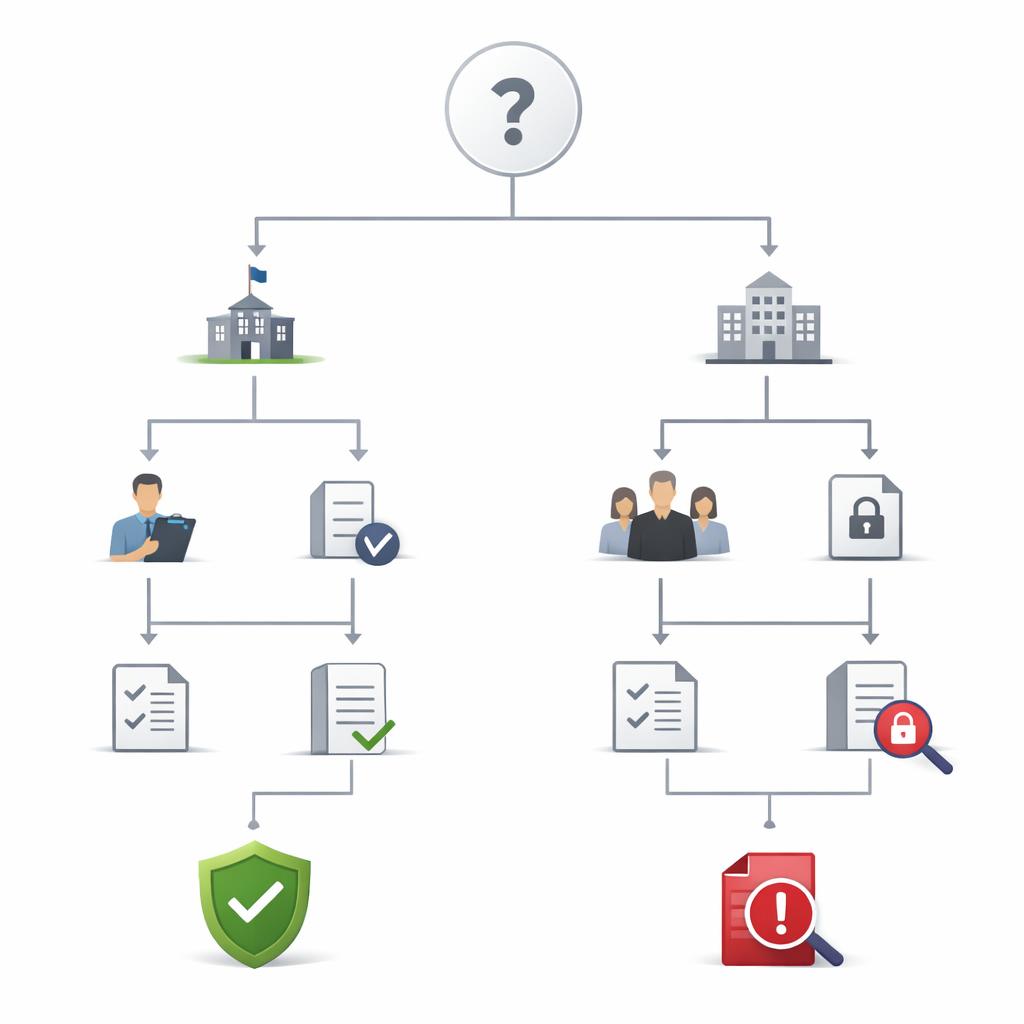
For institutions, process is the best safeguard. Decide who reviews reports, what documentation is required, whether students can respond before penalties are considered, and how draft submissions are handled. Students should also be told what originality review can and cannot show. In the comparison of safeassign smart checker vs turnitin smart detector, the safer long-term choice is usually the one your school can explain clearly, apply consistently, and support with realistic training.
Conclusion
The core difference in safeassign smart checker vs turnitin smart detector is not just the report itself. It is the mix of platform fit, report access, review controls, and policy support behind the tool. SafeAssign often makes sense in Blackboard-centered classrooms where instructors want a simpler, built-in workflow. Turnitin may be a better fit for institutions that need broader use across courses or departments and want more standardized review practices. Both can help with originality review, and both have limits that require human interpretation. If you compare them based on workflow, transparency, false-positive handling, and fairness standards, you will make a better decision than if you focus only on scores or brand recognition.
FAQ
What is the main difference between SafeAssign and Turnitin detector tools?
The biggest difference is usually workflow and institutional fit. SafeAssign is often more closely tied to Blackboard course processes, while Turnitin is commonly used across a wider range of classroom and campus setups. Report style, visibility settings, and administrative consistency can differ as well.
Can students see the same reports that instructors see?
Not always. Access depends on course settings and school policy. Some instructors allow students to view results for revision, while others limit full report access to teaching staff. Schools should explain those rules before assignments are submitted so students know what to expect.
Are detector scores enough to prove misconduct?
No. A score or highlighted match only shows overlap that needs interpretation. Quotes, references, common phrases, and assignment templates can all affect results. Instructors should review the full context before making decisions.
Which option is better for institutions with strict academic review policies?
The better option is the one that matches your platform, staff training, and review process. A strict policy works best when the chosen tool supports consistent report handling, clear documentation, and a fair chance for students to respond before any penalty is applied.


