
Yes, but usually not through a simple one-time scan after you are admitted. In most cases, colleges only revisit an essay after acceptance when something else raises concern, such as a mismatch between your application essay and your later writing, factual problems in the essay, or a policy review tied to admissions integrity. So if you are asking whether can colleges detect chatgpt essays after acceptance, the practical answer is yes, but detection is often indirect and based on context rather than a single tool.

That distinction matters. Most schools are not sitting around rechecking every accepted student’s personal statement for no reason. The bigger risk is whether your essay stays consistent with your real voice, your record, and the writing you submit later. If you want more background on detection tools, see what smart detector do colleges use. For most admitted students, though, the real issue is credibility over time.
Direct Answer: Yes, but detection after acceptance is usually indirect
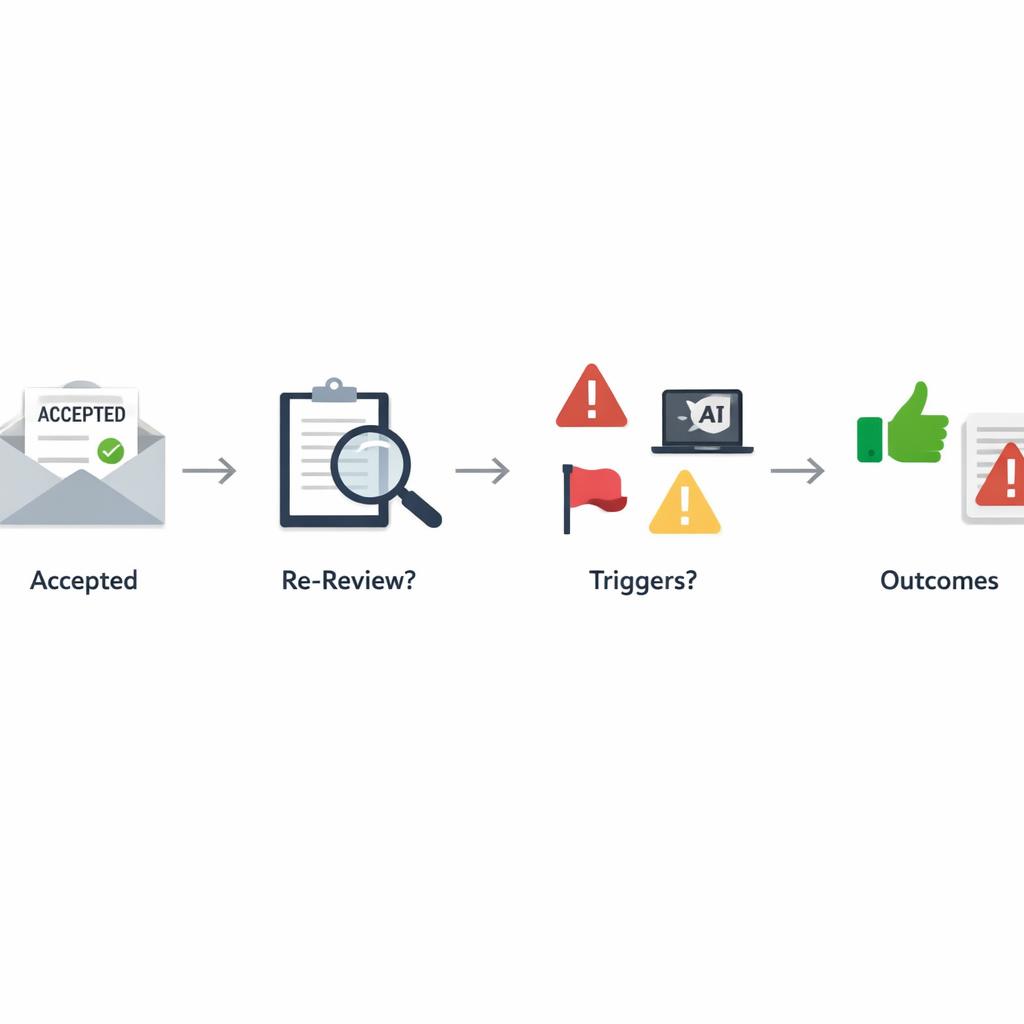
Colleges can review an essay after acceptance, but they usually do so only when there is a trigger. Admissions offices do not automatically re-audit every file. A later review is more likely if a school receives conflicting information, notices a sharp change in writing quality, investigates an honor code issue, or compares your application with newer writing such as scholarship responses, placement essays, enrollment forms, or even emails.
When people ask whether colleges can tell if you used ChatGPT on your essay, the most useful answer is: sometimes, but rarely from a detector result alone. A flagged report may raise a question, yet many schools place more weight on human review, side-by-side writing comparison, and fact checking. In other words, post-acceptance risk is usually a consistency issue first and a tool issue second.
What colleges may actually review after an admission decision
After admission, a college may revisit your file if a scholarship committee asks follow-up questions, if a reviewer notices unusual claims, or if later writing looks very different from the original essay. They may compare tone, sentence structure, vocabulary, grammar habits, and the level of personal detail across documents. They may also verify activities, awards, work history, or life experiences if parts of the essay seem exaggerated or unclear.
This is where how colleges verify essay authenticity becomes relevant. In practice, colleges usually look for a pattern, not one suspicious phrase. Concern grows when polished writing appears alongside vague facts, inconsistent storytelling, or an inability to explain the essay naturally in later communication.
What can trigger concern about an essay later
The most common trigger is a style mismatch. If your application essay sounds deeply reflective, unusually polished, and highly structured, but your later timed writing is far weaker or clearly different, that gap can invite questions. Another trigger is unsupported detail. Essays that include inflated achievements, invented anecdotes, or fuzzy specifics may attract attention if a school later checks records or asks you to expand on what you wrote.
This is why people ask whether colleges check essays for ChatGPT after admission. The answer is yes, but usually because something else created doubt first. A school may take a closer look during scholarship reconsideration, enrollment verification, disciplinary review, or a rescission process tied to honesty rules. In those situations, a detector may be one piece of information, but it is rarely the whole case.
Common signals: style mismatch, false details, and follow-up writing
Several signals tend to matter most:
- your essay sounds unlike your later writing samples
- key facts, dates, roles, or awards do not hold up
- the prose sounds polished but generic, with little real personal detail
- you cannot explain your own ideas or story when asked later
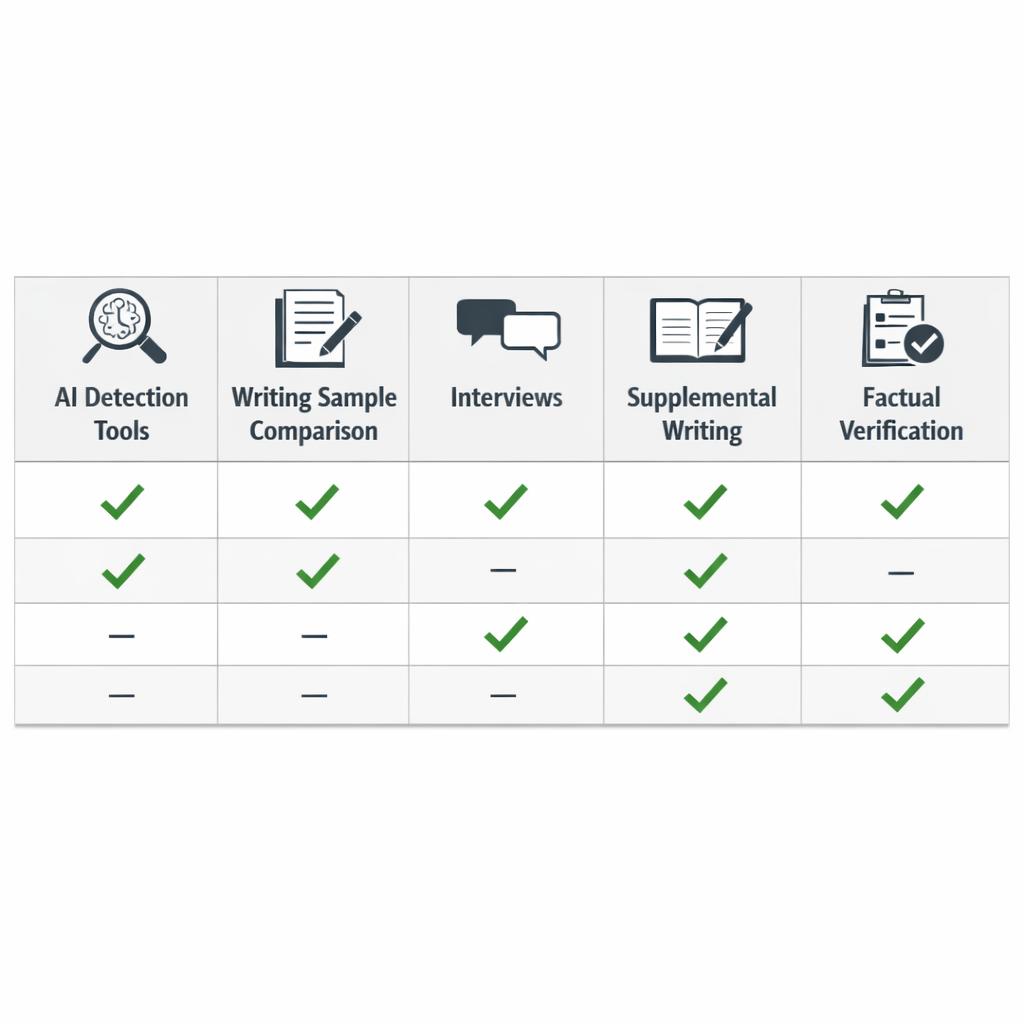
If you are wondering how colleges verify application essay authenticity, think in terms of comparison and credibility. Schools may compare the essay with supplements, portal responses, interview answers, first-semester writing, or communication sent after admission. They may also look at whether the essay matches your transcript, activities, recommendations, and stated goals. Detection tools can support that review, but they do not settle it by themselves because false positives and false negatives are possible.
What students should do if they are worried
If you have already been accepted and are worried, start with a calm review of your essay. Ask yourself three basic questions: Is every major claim accurate? Does the tone sound like me? Could I explain each paragraph clearly if someone asked? If the answer to any of those is no, the next step is not panic. It is to compare the essay with your real writing history, your school’s integrity rules, and any materials you may still submit.
That is also why what smart detector do colleges use is worth comparing before you jump to conclusions. It helps clarify what these tools can and cannot show, which matters for your situation because schools often combine tool results with human judgment. For an admitted student, the useful comparison points are straightforward: style consistency, factual accuracy, policy language, and whether later writing supports the same level of voice and detail.
How to check your own essay for authenticity and consistency
Use a simple checklist. Make sure every story, date, role, and achievement is true and could be supported if questioned. Read the essay aloud, then compare it with your normal emails, school assignments, and short-form writing. Look at your vocabulary, sentence length, and emotional detail. If the essay feels unlike your normal voice, that mismatch may matter more than any label from a detector.
It also helps to separate what is known from what is uncertain. It is reasonable to say colleges may use detectors as one signal. It is also reasonable to say many schools rely more on inconsistencies, follow-up writing, and human judgment. What remains unclear is whether a specific college will recheck accepted essays without any trigger. If you are concerned, review the school’s admissions integrity or rescission policy and make sure your future writing stays honest and consistent with your application.

Conclusion
So, can colleges detect ChatGPT essays after acceptance? Yes, but usually only when something else prompts a closer look. A college may question an essay later because of a style mismatch, unsupported details, conflicting later writing, or a broader integrity review. Tool-based detection can play a role, but human comparison, factual verification, and school policy usually matter more than a standalone score.
If you are already admitted and worried, take one practical next step: compare your essay against your real writing style, verify every factual claim, and review your school’s integrity and rescission policies. Then compare the limits of tools and review methods in what smart detector do colleges use so you can check the right things next: writing consistency, factual support, policy language, and how later writing may be evaluated in context.
FAQ
Can a college revoke admission over a ChatGPT-written essay?
Yes, that can happen if the school decides the essay involved misrepresentation or broke an admissions integrity rule. Revocation is more likely when the writing issue appears alongside false claims, contradictory follow-up writing, or other signs of dishonesty. Most colleges would look at the full context, not just one detector result.
Do colleges run accepted students' essays through detection tools later?
Sometimes, but not always. Many schools do not appear to rescan every accepted essay as a routine step. Later checks are more likely when a concern comes up during scholarship review, placement, enrollment, or another integrity process. That is why context matters more than assuming every accepted file gets retested.
Can colleges tell if you used ChatGPT on your essay if your grades are strong?
Strong grades do not remove the risk. A college may still notice that your essay sounds very different from your other writing or includes claims you cannot support. Good academic performance can support your general ability, but it does not prove you personally wrote a specific essay.
When is the pillar topic what smart detector do colleges use a logical option to review?
It makes sense when you want to compare detector tools, understand their limits, and see why colleges may combine them with human review. It is useful for broader background, but less useful if you need legal advice or a school-specific answer. For that, check the college’s published integrity policy first, then compare detection limits, review methods, and verification steps in the pillar article.


