
Finding the best free smart detector for students in 2026 is really about choosing a practical writing checker that fits how students actually work. Most students are not looking for a perfect score. They want something free, fast, easy to read, and safe enough to use on a draft before turning in an assignment. Parents and teachers usually want the same thing: a simple way to spot passages that may need another look without treating the result like final proof. If you are comparing tools, focus on the basics that matter most in school use: accuracy, privacy, word limits, and whether the report clearly explains what needs review. For a broader pre-submission process, it also helps to use this final essay review checklist alongside any detector. In most cases, that combination is more useful than relying on one score alone.

A good free detector for college students should fit a normal essay workflow, avoid confusing labels, and help you review sections that may need revision. It should be used as guidance, not as evidence. That matters even more for students whose writing is naturally formal, heavily researched, or polished over multiple drafts.
What Students Should Look for in a Free Detector
When students search for the best free smart detector for students in 2026, the first priority should be useful results, not big promises. A strong free writing detector for school assignments gives passage-level feedback, works without unnecessary setup, and offers limits that are realistic for essay drafts. Many students also prefer a student detector with no sign up, especially when they need a quick check before class or before a deadline. Still, free access often comes with tradeoffs, including lower word caps, fewer uploads, or simpler reports, so it helps to know which limits matter for your assignment.
Accuracy, false flags, and why no result is final
No detector gets everything right. Original student writing can be flagged by mistake, especially when the draft is polished, repetitive, technical, or built around standard academic phrasing. Citation-heavy papers can also produce confusing results because quoted material and formal structure may sound less personal than a reflective essay. That is why every result should be treated as a reason to review wording, source use, and clarity rather than a final judgment. A good detector helps you ask better questions about your own draft. It should never decide honesty or authorship on its own.
How to Compare Free Options Without Picking the Wrong Tool
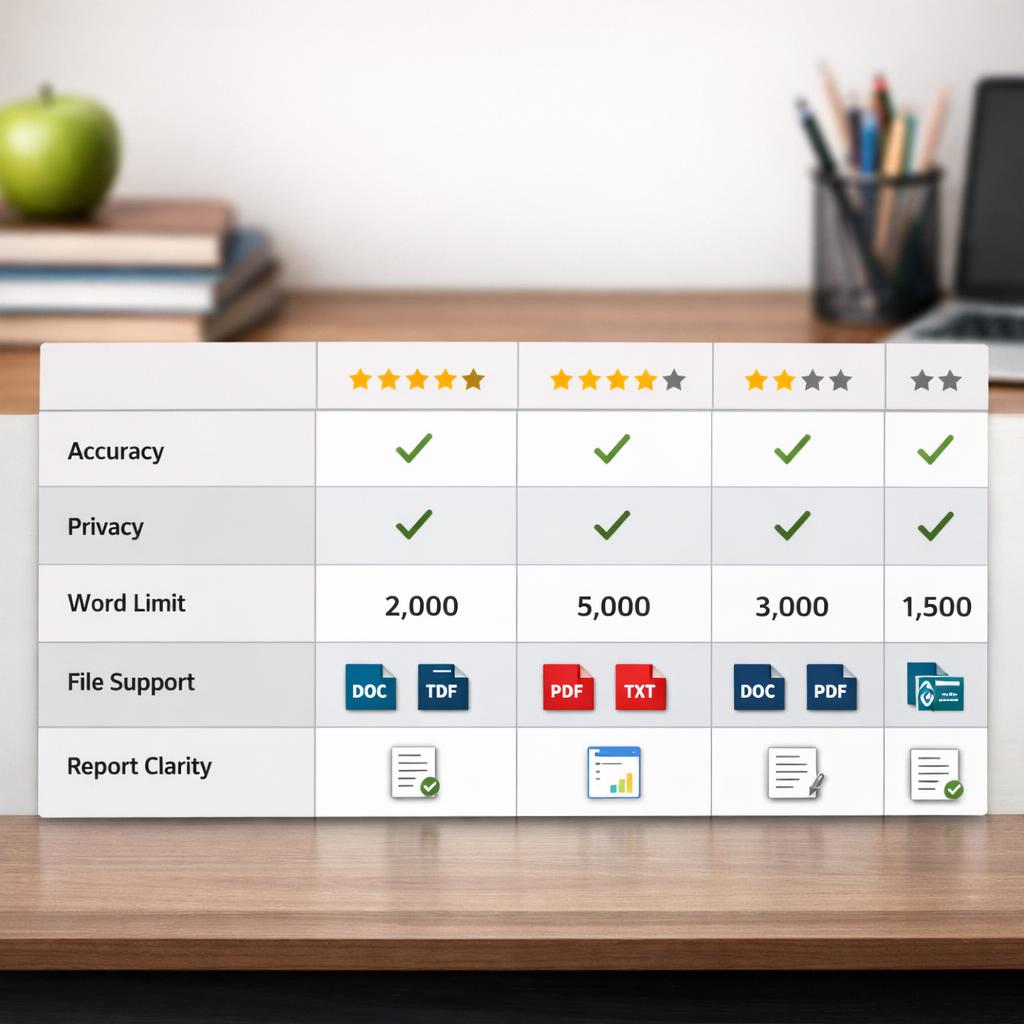
If you are trying to choose a free detector for essays, start with a short checklist. First, read the privacy policy before pasting school work into any tool. Some services may store text, keep usage records, or use submitted writing in ways students do not expect. Second, test the word limit. A checker may be free, but if it only accepts short passages, it may be frustrating for longer assignments. Third, look at report clarity. The best free options do more than show a vague percentage. They point to specific sections that may need review so you can actually revise your draft.
Check privacy, word limits, report clarity, and file support
It is also worth comparing day-to-day usability. Can you paste text only, or upload common file types? Does the checker handle citations, headings, and references cleanly, or does the formatting break? Are flagged sections highlighted clearly enough to fix under deadline pressure? For research papers and source-based assignments, pair your review with advice on how to cite sources correctly. A detector can support revision, but citation quality, attribution, and final editing still matter more than any automated score. In practice, the best option is the one that gives students clear next steps instead of causing more confusion.
Conclusion
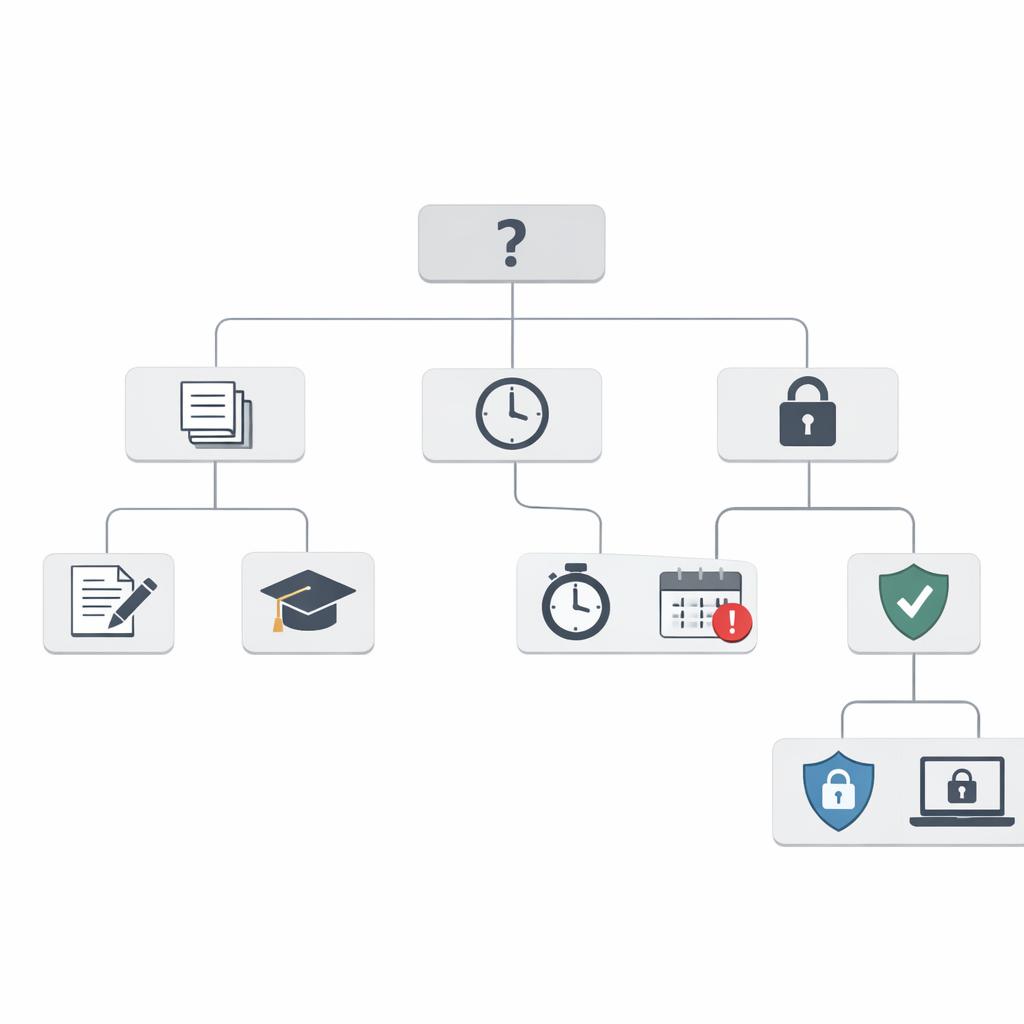
The best free smart detector for students in 2026 should be judged by practical, student-friendly standards: accuracy, privacy, realistic limits, report clarity, and ease of use when deadlines are close. Free tools can be helpful for draft review, but they should never be treated as final proof of how a paper was written. The safest approach is to use a checker as one part of a broader review process that includes editing, source checks, and citation review. Students, parents, and educators all benefit when expectations stay realistic.
If you need a free detector for college students or a quick free writing detector for school assignments, choose the option that fits your essay type and your privacy comfort level. A student detector with no sign up may work best for a fast last-minute check, while another free option may be better for longer drafts or more detailed reports. Pick the tool that helps you revise with confidence, not the one that makes the biggest promise.

FAQ
Are free detectors accurate enough for student essays?
They can be useful for spotting sections worth reviewing, but they are not fully reliable. Accuracy changes based on essay type, length, formatting, and writing style. Use them as revision support, not as final judges.
Can a detector wrongly flag original student writing?
Yes. A formal tone, repeated academic phrasing, heavy editing, and source-based structure can all lead to false flags. That is why students should manually review marked passages before changing anything.
Should students avoid pasting full school assignments into free tools?
It depends on the privacy terms. Before using any checker, confirm whether submitted text is stored, shared, or retained. If the policy is vague, avoid uploading sensitive, personal, or graded work.
What matters most when comparing free options in 2026?
Focus on privacy, word limits, report clarity, file support, and whether the results are easy to act on. The best tool is the one that helps you revise responsibly and fits your assignment type.


