
If you are comparing options for the best smart detector for graduate school personal statements, the smartest choice is rarely the tool with the loudest warning or the highest-looking score. Graduate applicants, consultants, and admissions reviewers need something more practical: a detector that spots suspicious patterns without treating polished human writing as a problem. Strong personal statements are often formal, carefully edited, and concise, so a useful tool should help you review your draft, not scare you into unnecessary rewrites. If you also want help strengthening your essay itself, see graduate school personal statement tips.
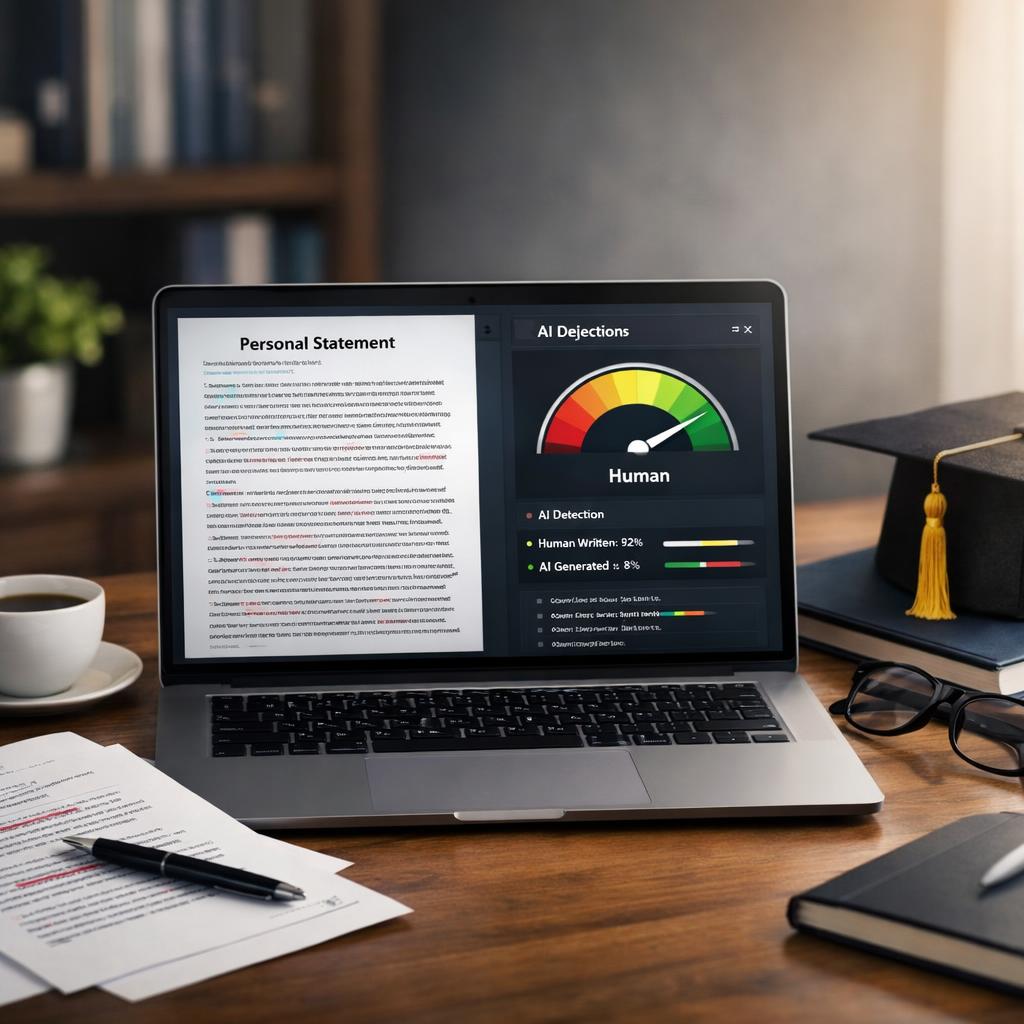
A better way to compare options is to focus on false-positive risk, report clarity, privacy practices, file handling, and whether the feedback actually helps you revise. For admissions writing, authenticity matters more than a dramatic dashboard. The best option is one that helps you identify passages that sound generic, over-smoothed, or inconsistent with the rest of your voice while still respecting the fact that serious applicants often write in a polished style.
What the best detector should check before you submit
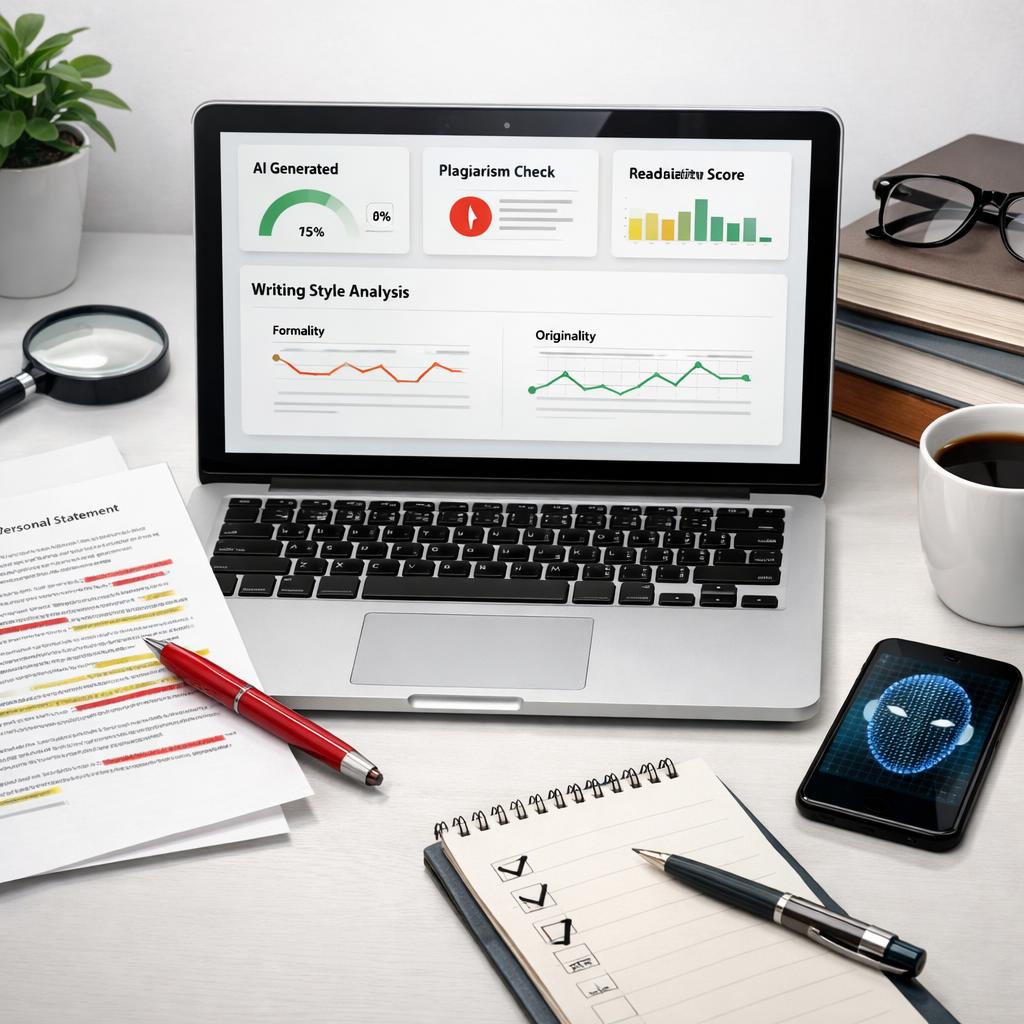
Before you submit, the best detector for graduate school personal statements should flag patterns that deserve a closer look instead of making sweeping claims. In practice, that means identifying repetitive sentence rhythm, vague achievement language, generic transitions, or sections where the tone suddenly becomes flatter or less personal. For applicants asking how to check a graduate school personal statement for machine-written text, the most helpful reports point to exact lines and explain what feels formulaic so you can decide whether to revise.
That matters because the most accurate detector for admissions essays is not always the one that is most useful in real life. A score by itself does not tell you what needs work. The stronger tools explain why a paragraph was flagged, show how confident the tool is, and give enough context to help you rewrite only what truly sounds generic. This is especially important for reducing false alarms, since graduate statements often share traits with highly edited prose.
False positives should be one of your top concerns. Personal statements commonly use clear structure, formal wording, and concise paragraphs, all of which can resemble automated patterns. If a detector treats every neat paragraph as suspicious, it is not helping you make a sound submission decision. Look for reporting that is easy to read, uses plain language, and makes its criteria visible. That level of source transparency is essential if your goal is how to reduce false positives in statement screening without flattening your own style.
How to compare tools for privacy, file handling, and revision workflow
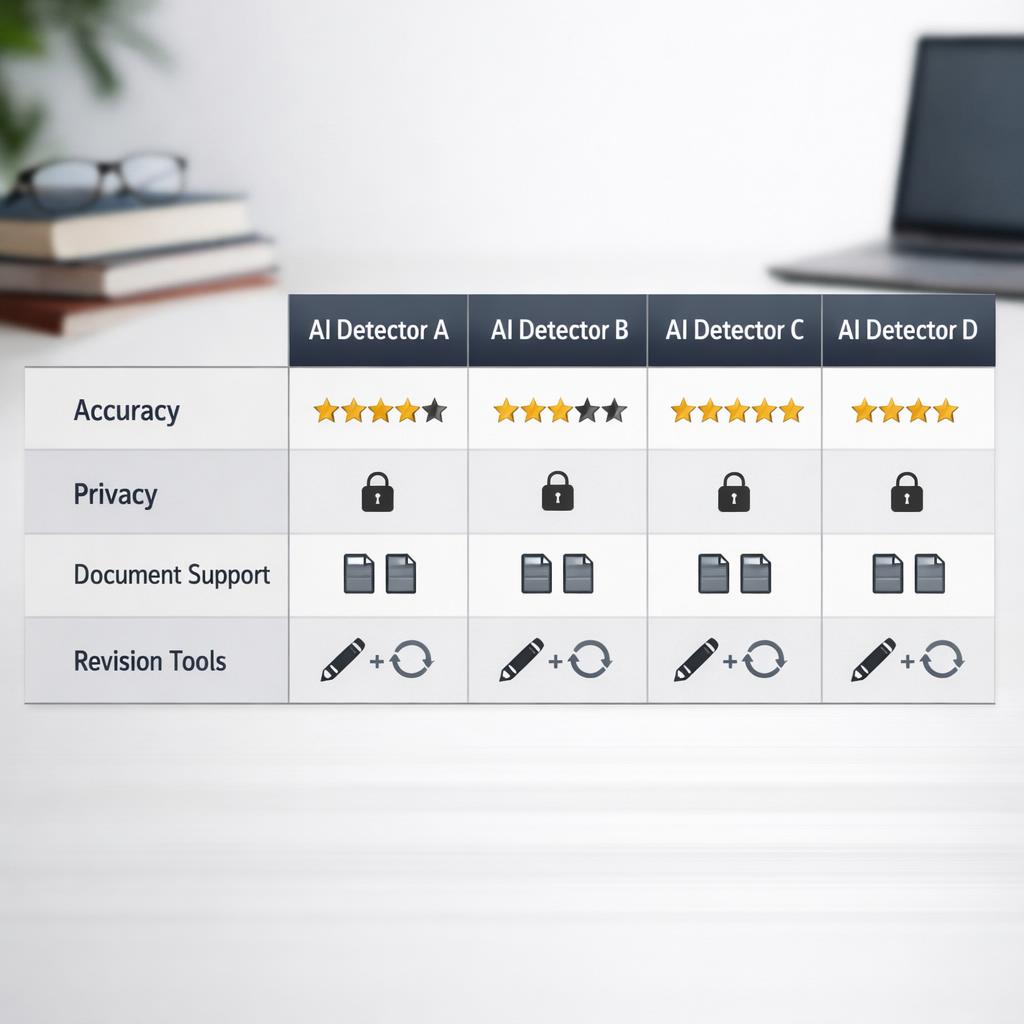
Privacy should carry real weight in any comparison because personal statements often include sensitive information: academic struggles, family obligations, health context, immigration history, or career goals. A privacy-safe detector for personal statements should clearly state whether files are stored, how long text is retained, whether uploads are used for training, and how you can delete content. If those answers are hard to find, the convenience may not be worth the risk.
File handling matters just as much. Some applicants want to paste a single paragraph, while others need support for a full essay, multiple drafts, or side-by-side revisions. A practical tool should let you scan, revise, and rescan without losing track of what changed. That workflow is especially helpful for writing centers, admissions consultants, and applicants revising under deadline. You want a review process that is repeatable, not one isolated score with no clear next step.
Graduate applicants are not uploading random writing samples. They are sharing documents tied to identity, education, and future plans. Strong document controls reduce the chance that an old draft lingers on a server or is reused outside the review process. Clear retention rules, limited storage, deletion options, and basic export controls are often just as important as detection performance. If a tool cannot explain how it handles your document, that uncertainty should factor into your decision.
How to use results without flattening your personal voice
A detector should support revision, not push every statement toward the same bland style. If a passage is flagged, first ask whether it truly sounds machine-written or whether it is simply too broad. In many cases, the real issue is not authorship at all. It is that the paragraph relies on general claims instead of lived detail. Stronger personal statements usually improve when you replace abstract lines with specific motivations, concrete examples, and reflection that only you could write.
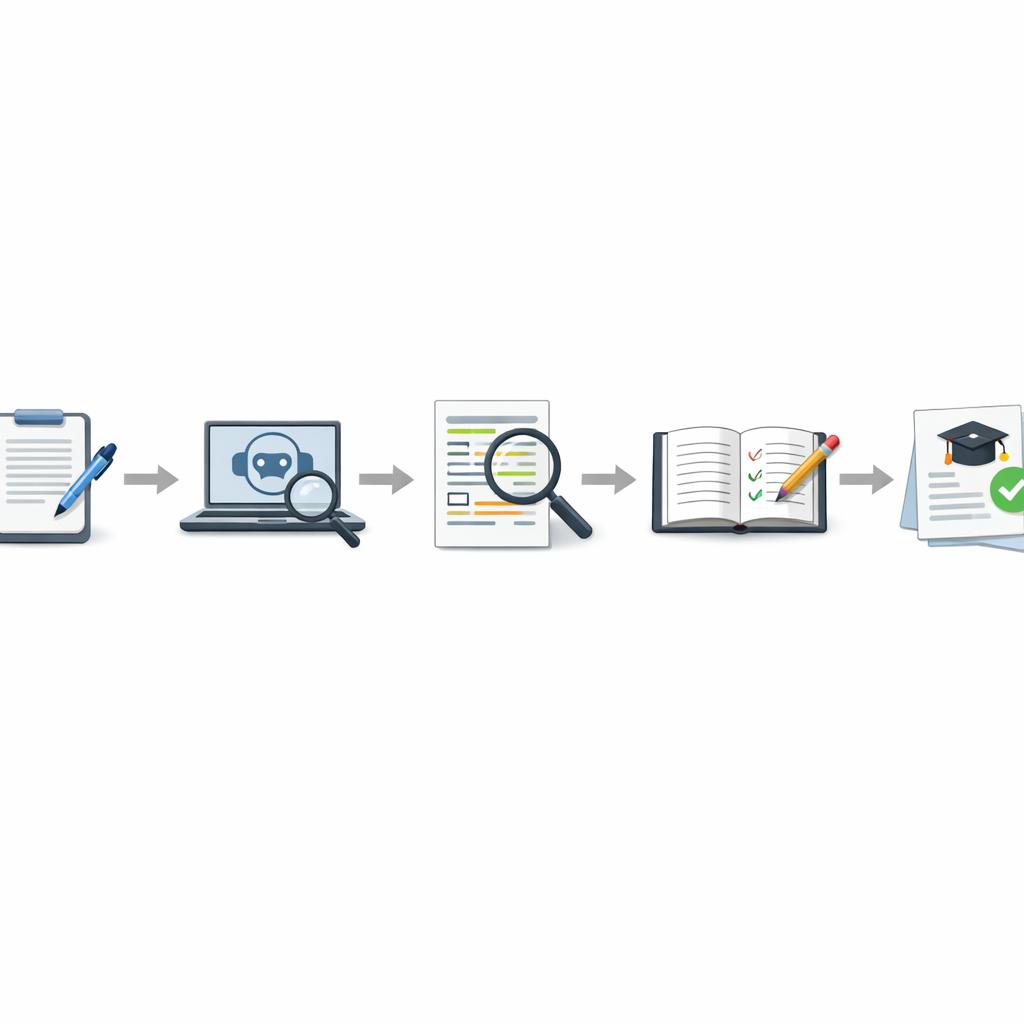
One simple workflow works well: draft, scan, interpret the report, revise selectively, then do a final human proofread. In that process, the best smart detector for graduate school personal statements is the one that helps you notice where your language has become too generic and gives you a chance to sharpen it. Use the results to improve tone, detail, and consistency, then read the essay again as a person would. Check whether it sounds honest, specific, and aligned with the program you are applying to.
Revise tone when your writing feels too uniform or detached from your real experience. Revise specificity when you make broad claims about wanting to create impact without naming the project, question, mentor, or turning point that shaped your goals. Revise narrative detail when an important experience is summarized so quickly that it could belong to almost anyone. But do not chase a lower risk label at the expense of truth. If a sentence is accurate, personal, and sounds like you, keep it unless the wording is genuinely stiff or repetitive.
Conclusion
The best smart detector for graduate school personal statements is not the one with the most dramatic warning. It is the one that balances accuracy, low false-positive risk, strong privacy practices, practical file handling, and feedback you can actually use. For applicants and reviewers alike, the smartest approach is to compare tools against your workflow and comfort level rather than assume a single score can judge a personal narrative.
Use a detector as one review layer, then rely on human judgment to decide what truly needs revision. That combination is usually the safest path to a statement that sounds polished, personal, and credible. Before submitting, it can also help to work through a final statement review checklist so your essay stays consistent in tone, detail, and presentation.
FAQ
Can detectors mislabel an original graduate school personal statement?
Yes. Formal tone, strong editing, and concise structure can all trigger false positives. That is why results should be treated as prompts for review, not proof that a statement is machine-written.
Should I run my personal statement through a detector before applying?
It can be useful if you want to catch passages that sound generic, over-smoothed, or oddly inconsistent with the rest of your draft. Just choose a tool with clear privacy practices and use the report to guide light revision rather than rewriting everything.
What should I do if a detector flags only one paragraph?
Review that paragraph for vague wording, repetitive rhythm, or missing personal detail. If the content is truthful and sounds like you, revise lightly. A single flag is often a sign to clarify, not a reason to overhaul your whole essay.
Are detector scores enough to judge whether a statement is ready?
No. A score cannot measure honesty, reflection, program fit, or whether your story leaves a strong impression. Final readiness still depends on careful proofreading and human review.


