
If you are looking for the best deepseek smart detector for essays, the goal is not to find the tool with the biggest promise. It is to choose one that helps you review essays fairly, spot text that may have been generated by a system, and avoid mislabeling original student work. In most academic settings, the best option is the one that supports careful screening, clear evidence, and a sensible next step when something looks off.

A practical comparison starts with classroom use, not marketing language. That means checking detection consistency, false-positive behavior, privacy terms, and whether reports are easy to read during an essay review checklist. This guide explains what matters most, how to review DeepSeek-style writing in essays, and why manual judgment should always have the final say.
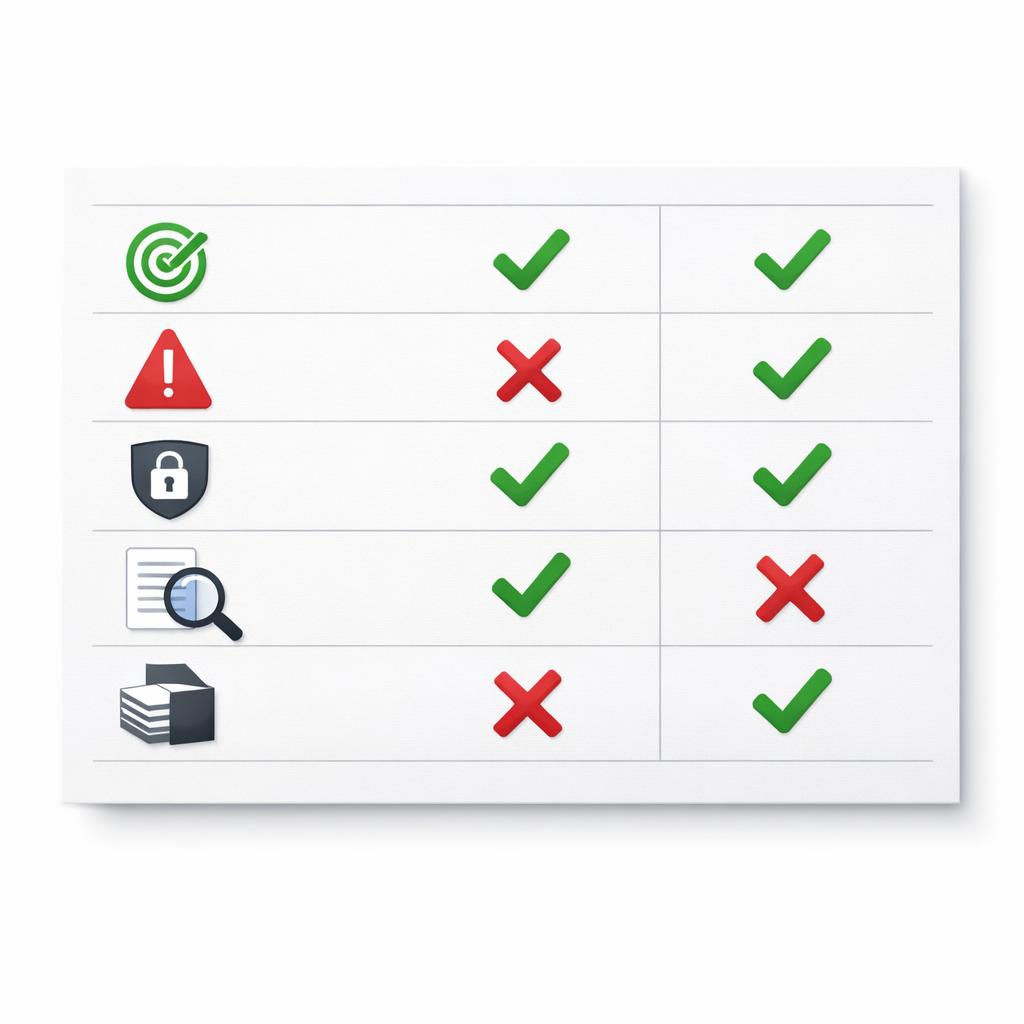
Comparison checklist graphic: accuracy, false positives, privacy, report clarity, and file limits for essay review.
What makes a DeepSeek essay detector worth using
A detector is only useful if it does more than return a vague score. For essay review, the strongest tools highlight passages that may be machine-written, explain why those sections were flagged, and present results in plain language. That makes it easier for a teacher, editor, or reviewer to study the context instead of treating a percentage as a verdict. When comparing options, focus on fit for student writing rather than broad claims about catching every possible case.
The most important signals are straightforward: steady results across different essay types, low false positives on human writing, and reports that support follow-up questions. Essay detector accuracy and false positives matter more than flashy dashboards. A useful detector should also handle common school formats without requiring heavy cleanup first. In practice, the best choice for student essays usually supports longer documents, marks likely problem areas, and gives enough detail to justify a second review.
Key signals to review: accuracy, false positives, and readable reports
Accuracy should be tested under realistic conditions. A dependable tool should review polished essays, rough drafts, personal narratives, and research assignments without overreacting to formal structure or common academic phrasing. False positives deserve special attention because strong student writing can sound polished, concise, and consistent. If a detector regularly flags honest work, it creates extra disputes and weakens trust in the process.
Readable reports matter just as much. Reviewers need clear labels, highlighted passages, and short explanations that support follow-up. Good reports make it easier to discuss why a section looks unusual and how teachers review suspected machine-written essays without reducing the process to a single score. If a detector cannot explain its flags in plain English, it is much harder to use confidently in essay evaluation.
How to compare detectors for essays without relying on brand claims
The safest way to compare detectors is to test them on the same group of essays and review the outputs side by side. Include clearly human-written papers, clearly system-assisted samples, and mixed drafts with edited sections. This gives you a more honest picture of whether a tool notices suspicious patterns while staying cautious with authentic student work. That type of review is far more useful than trusting broad performance claims.
You should also check privacy terms, upload rules, document length limits, and whether the workflow fits your academic integrity review. Some detectors work better for teachers because they support batch review, readable exports, or quick copy-and-paste checks for short essays. Others are more useful for editors who want line-level detail. When choosing the best deepseek smart detector for essays, workflow often matters as much as the detection result itself.
Check privacy, document length limits, and teacher-friendly workflows
Privacy matters because essays may contain personal details, grades, or unpublished student work. Before using any detector, review whether uploads are stored, whether submitted text is reused, and whether users can request deletion. In education, transparent data handling is not optional. It should be part of every serious comparison, especially when a school needs documentation for policy compliance.
Length limits also affect real-world usefulness. A tool that performs well on short samples may struggle with full essays, while strict caps can create extra work for staff. Teacher-friendly workflows include simple sharing, highlighted excerpts, and reports that support consistent review across classes. If people are asking which features matter most in a school setting, privacy, file handling, and ease of review belong near the top.
Conclusion
The best deepseek smart detector for essays is not simply the one with the strongest claim. It is the one that delivers consistent screening, keeps false positives low, protects student privacy, and fits a fair review process. For teachers, editors, and academic reviewers, the smartest approach is to compare tools using real essay samples, readable reports, and workflows that make follow-up easier.
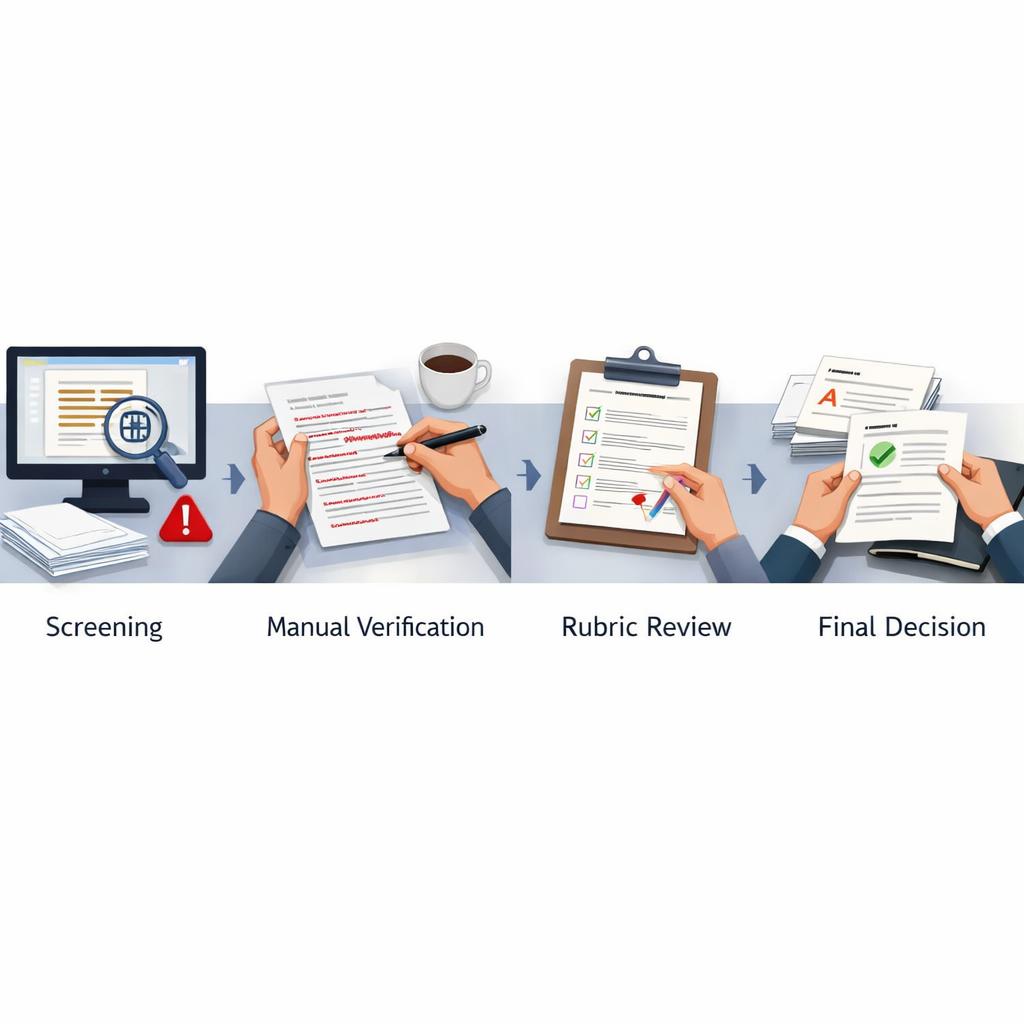
For dependable results, use detectors as part of a larger process rather than as final proof. Screen first, then confirm concerns through rubric-based analysis, prior writing samples, and clear follow-up questions. That balance helps protect academic standards while also protecting students who wrote their work honestly. If you need a next step after screening, move into manual verification steps before making any formal decision.

FAQ
Can a detector reliably tell if an essay was written with DeepSeek?
Not with complete certainty. A detector can flag writing patterns that suggest machine-generated text, but the result should be treated as an indicator rather than proof. Reliable decisions come from combining screening with assignment context, drafts, and human review.
What features matter most when choosing a detector for school essays?
Look for strong accuracy, low false positives, privacy protection, clear reports, and support for full essay length. A useful school workflow should also make it easy to review flagged passages, compare results across assignments, and document decisions fairly.
How should teachers review suspected machine-written essays?
Teachers should start with detector output, then compare the essay against the rubric, prior submissions, notes, and citation quality. Follow-up questions, draft checks, or revision history can help confirm whether the writing process matches the final submission.
Is a detector enough for academic integrity decisions?
No. Detectors work best as screening tools, not final judges. Formal decisions should include manual verification, policy-based review, and consistent documentation so that evidence is clear and students are treated fairly.


