

Essay detectors can sometimes spot patterns that seem machine-written, but they are far from perfect when applied to college essays. In real campus settings, most schools use them as one signal among several, not as automatic proof of misconduct. If you are wondering what smart detector do colleges use, the better question is how much confidence any school should place in a detector score. The short answer is: some value, but not enough to treat the result as certain.

That is why so many students, families, and instructors ask, are smart detectors accurate for college essays? The answer depends on the writing sample, the detector being used, the prompt, the amount of revision, and the school’s review process. A score can point reviewers toward a closer look, but it cannot confirm authorship on its own. For high-stakes decisions, context and human judgment still matter most.
What essay detectors can and cannot tell colleges
Essay detectors are built to estimate whether a piece of writing resembles machine-generated text. They usually look for traits such as predictability, repeated phrasing, uniform sentence patterns, and a polished but generic style. In some cases, that can help colleges identify papers that deserve a second review. They are often more useful when paired with draft history, in-class writing, source quality, and whether the submission sounds like the student’s normal voice.
Still, there are clear limits. These tools do not watch a student write. They cannot reliably measure intent, prove authorship, or explain how a draft was shaped by tutoring, peer feedback, translation help, or heavy editing. A polished essay may be honest work. A suspicious-looking essay may still have been written by the student. That is why detector results should be treated as indicators, not conclusions.
Why a score is not the same as proof
A high score does not prove cheating, and a low score does not prove the writing is fully original. College essays often go through multiple revisions, and that process can blur the patterns detectors rely on. Students may use templates, follow strict assignment structures, or write in a formal style that appears more predictable than their natural voice. Those factors can raise suspicion even when the work is legitimate.
For colleges, the safest approach is to use a detector score as a prompt for further review, not as a final judgment. Instructors should compare the paper with earlier work, examine the student’s argument and sources, and ask reasonable follow-up questions before making any claim. Without that extra review, schools risk treating an uncertain estimate as if it were hard evidence.
What affects accuracy in college essay reviews
Accuracy changes from one essay to another because college writing is not all the same. A personal statement, a first-year composition paper, a lab summary, and a reflective journal entry each create different language patterns. Some assignments naturally sound more formulaic, especially when students follow a rubric closely. That helps explain why legitimate work can sometimes be flagged even when nothing improper happened.
Writers who use English as a second language may also be affected. So can students who rely on structured outlines, grammar correction, or careful sentence-by-sentence revision. Even strong academic writing can look overly smooth or repetitive to a detector. At the same time, lightly edited generated text can sometimes slip through. If you want a deeper look at that issue, see more on false positives in essay detection.
Common reasons for false positives and false negatives
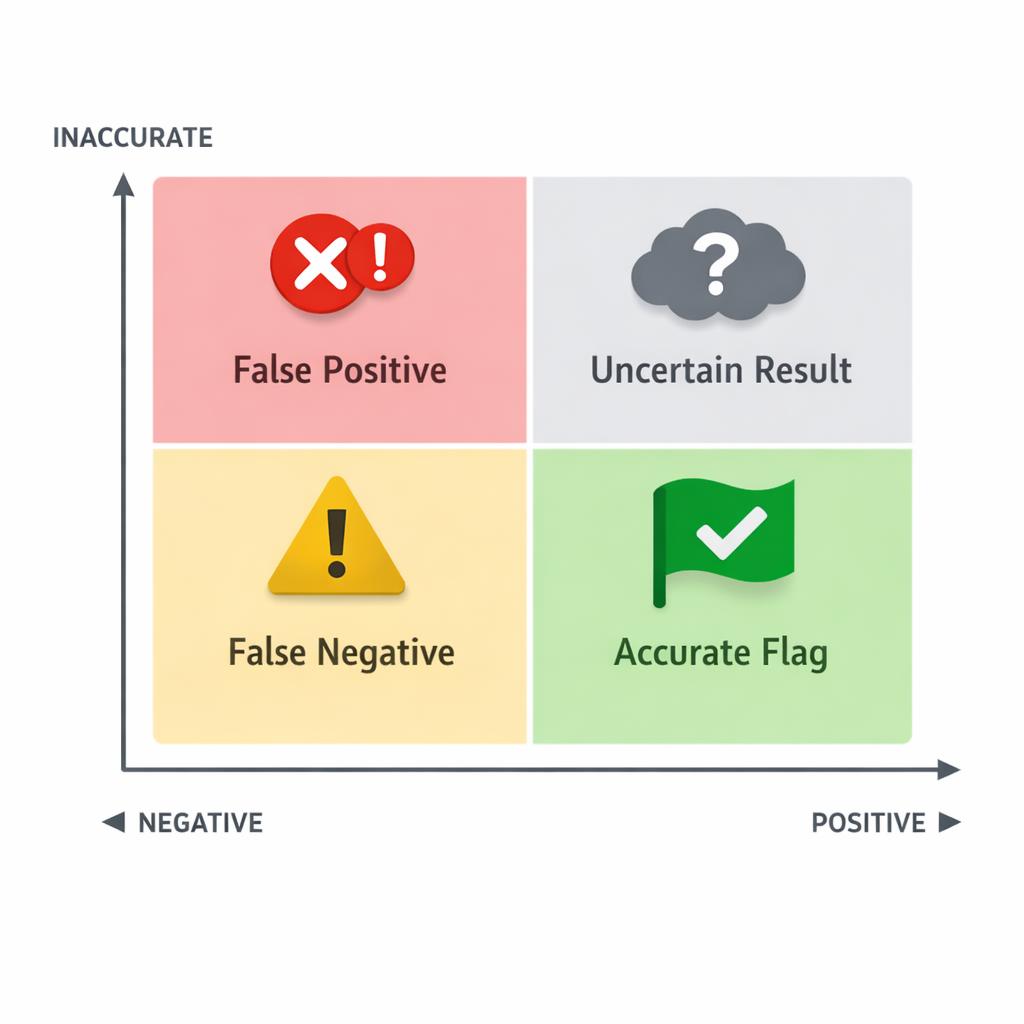
False positives happen when original student writing is labeled as machine-written. False negatives happen when generated text is missed. Both outcomes are common enough to make detector-only decisions risky. Short samples are especially hard to judge because there is less writing to analyze. Broad topics and standard academic phrasing can also confuse the system.
On the other side, writing that has been lightly revised by a student may no longer match the patterns a detector expects. That can lower the score even if large parts of the text were not originally written by the student. These tools are making classification guesses under uncertainty, not delivering courtroom-level proof. That is the key point colleges should remember before acting on a percentage or label.
How students and colleges should use detection results responsibly
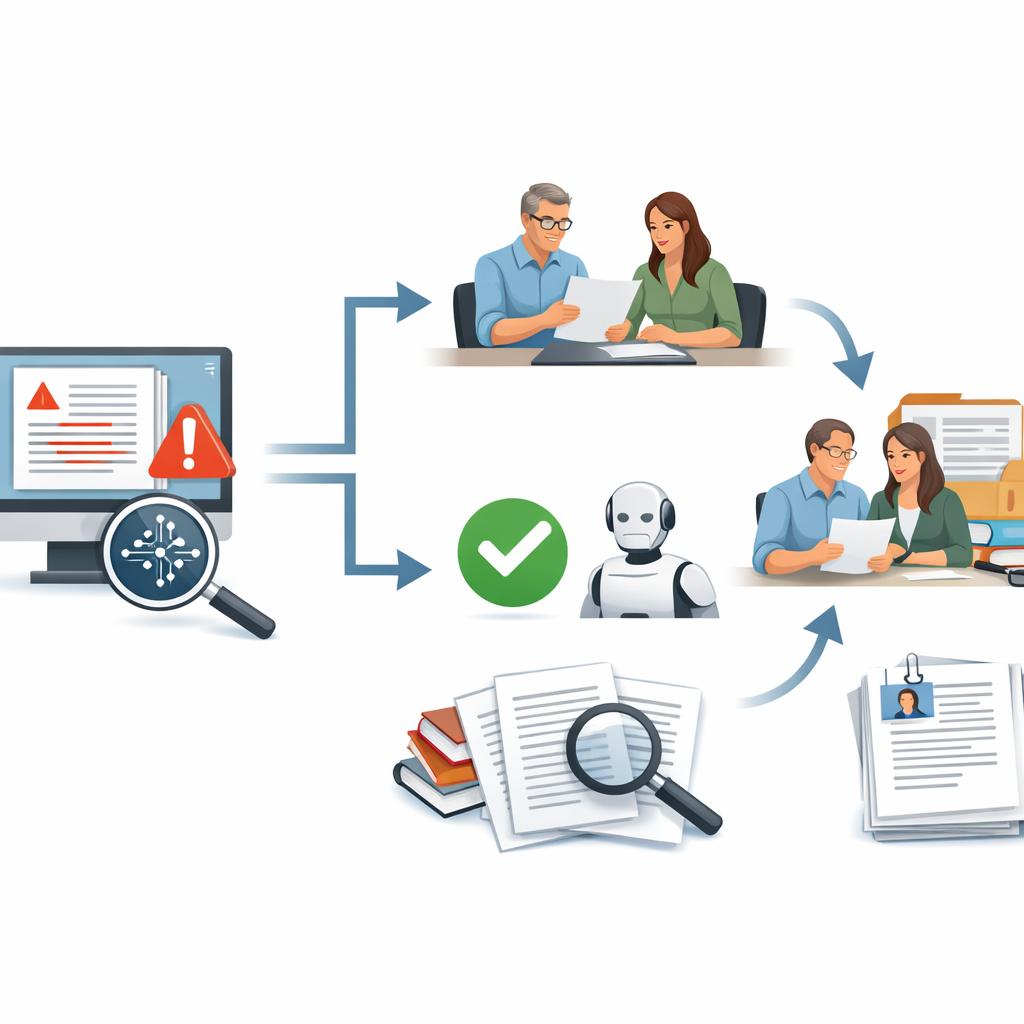
Responsible use starts with process, not panic. If an essay is flagged, the result should lead to questions rather than conclusions. A fair review might include checking draft history, looking at version timestamps, comparing the submission with prior in-class work, and asking the student to explain how the paper developed. These steps are far more reliable than relying on one dashboard score.
Schools should also make sure instructors understand the limits of detectors. Clear policies matter. Faculty should know what counts as acceptable support, what evidence is required before an academic integrity referral, and how students can respond if a concern is raised. Good policy protects both fairness and trust in the review process.
Best practices before making an academic integrity decision
Before taking formal action, colleges should document multiple forms of evidence and follow published procedures. That may include drafts, notes, source checks, writing samples completed in class, and a conversation with the student. Looking for inconsistencies in argument, citation use, or course-specific knowledge is often more useful than focusing on a single detector score.
Students can help protect themselves by saving outlines, research notes, revision records, and cloud-based version history. If questions come up, those materials can show how the essay took shape over time. For anyone asking whether colleges should rely on detector scores alone, the answer is no. Better decisions come from human review, corroborating evidence, and a full understanding of the assignment context.
Conclusion
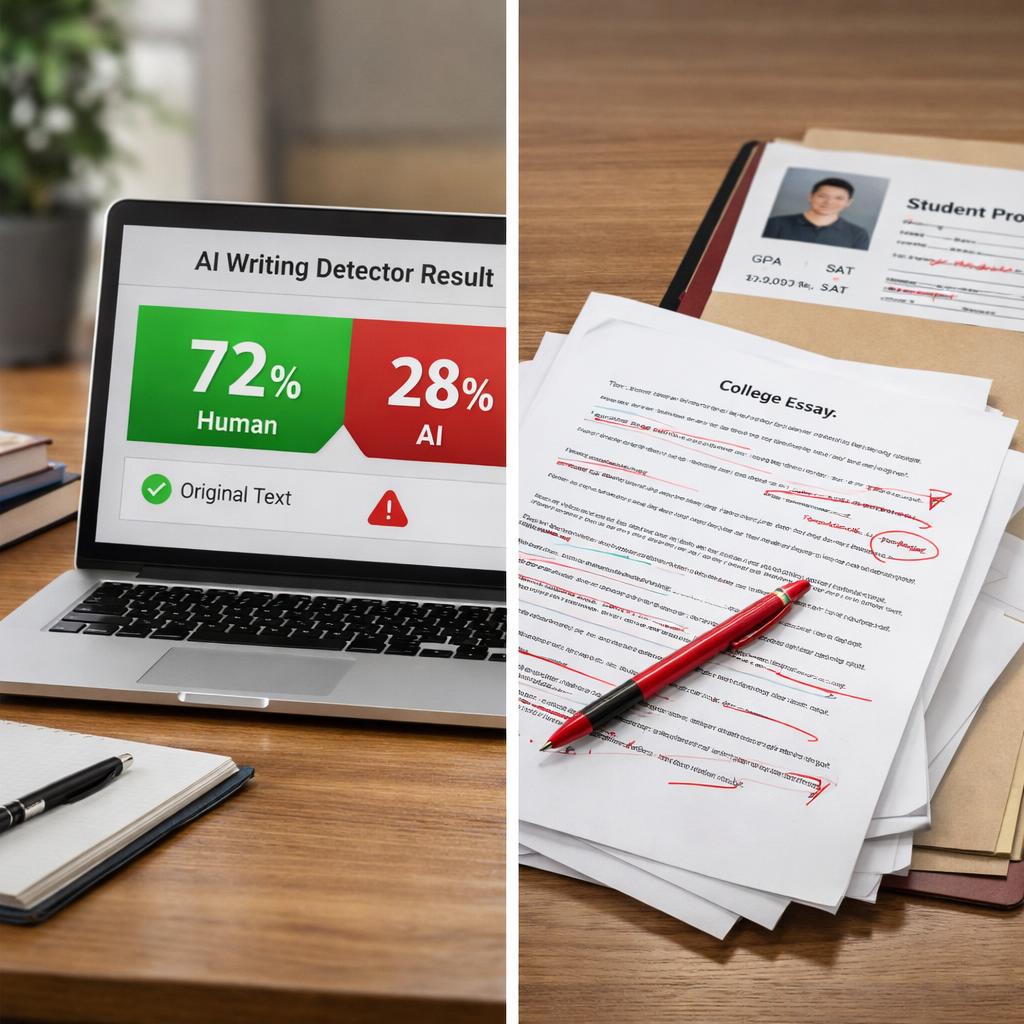
So, are smart detectors accurate for college essays? They can be somewhat useful as screening tools, but they are not accurate enough to serve as stand-alone proof in serious academic cases. Results can shift based on essay type, tone, length, revision history, and the detector itself. That means both false alarms and missed cases are possible.
Colleges should use these tools carefully, with human review and clear policy standards. Students, meanwhile, should keep drafts and writing records that show their process. The most reliable approach is not blind trust in a score, but a careful review of the complete academic picture.
FAQ
Can a college essay be falsely flagged as machine-written?
Yes. Strong grammar, standard structure, short samples, and formal academic tone can all cause legitimate essays to be flagged. That is one reason detector results should never be treated as final proof on their own.
Do colleges use detector scores as final proof of misconduct?
Responsible colleges should not. A score should start a review, not end one. Better decisions include drafts, assignment context, earlier writing samples, and a conversation with the student.
What should a student do if their essay is flagged?
Stay calm and collect evidence of your writing process, such as outlines, notes, draft history, and timestamps. If asked about the paper, explain how you built your argument and revised the essay over time.
Are some college essays harder for detectors to judge accurately?
Yes. Personal statements, reflective writing, and heavily revised essays can be harder to classify consistently. Accuracy often changes based on genre, length, tone, and how much editing the piece has gone through.


