
Academic integrity and smart writing tools is a practical concern for students, teachers, and families across U.S. schools. The real issue is not whether digital writing support exists, but whether its use matches the assignment, the course policy, and the student’s actual learning. Used carefully, writing tools can help with planning, proofreading, and revision. Used poorly, they can blur authorship, hide outside help, or make submitted work look more independent than it really was. A smart place to begin is with a responsible drafting workflow that keeps the student’s ideas at the center and treats any tool as limited support.
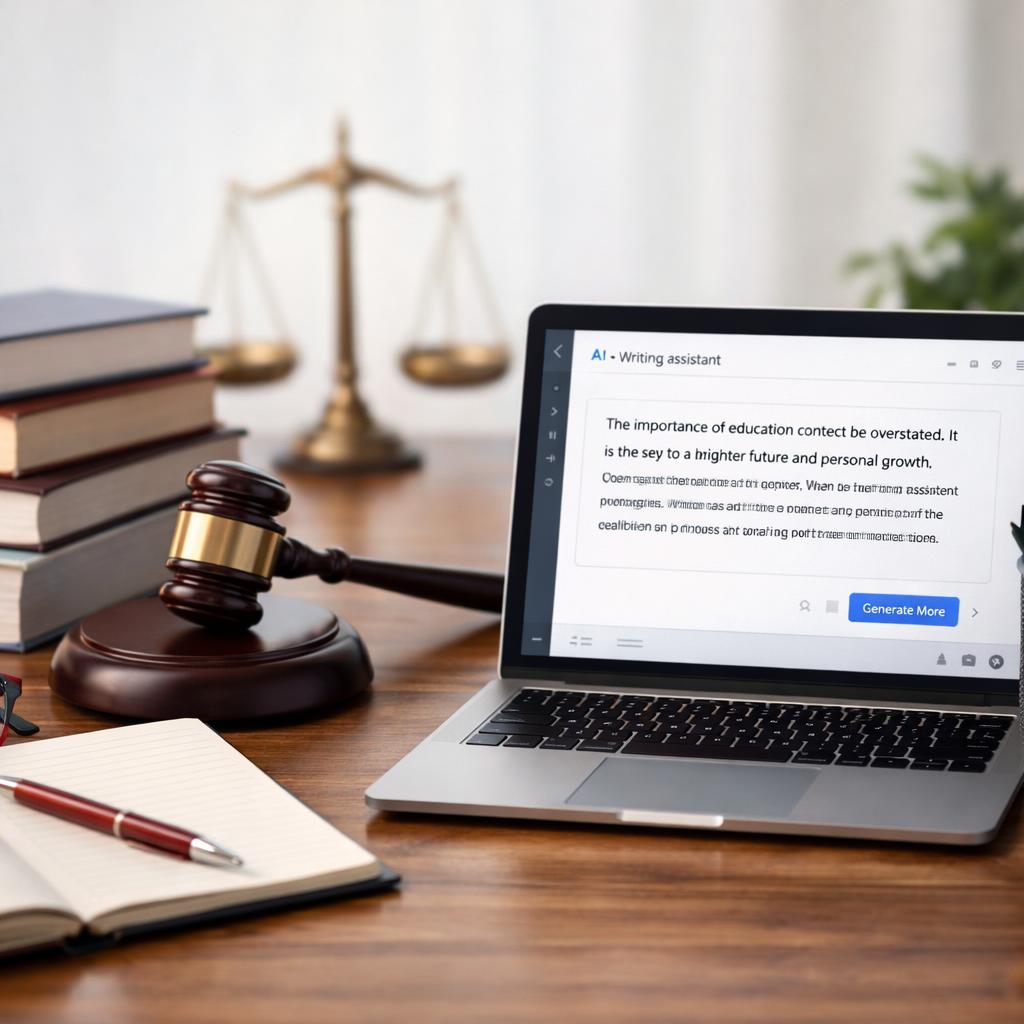
In most classrooms, acceptable use depends on instructor permission, disclosure rules, and whether the final paper truthfully reflects the student’s own thinking. This guide explains where editing help can turn into misconduct, how students can stay within policy, and how educators can reduce confusion with clearer expectations.
What academic integrity means when using writing tools
In school, academic integrity is about honesty, fairness, and accurate authorship. If a student turns in work that appears to show reading, analysis, drafting, or wording they did not actually produce, the concern is not just tool use. It is misrepresentation. Schools already apply this standard to tutoring, parental help, translation support, and copied online models. Writing tools fall into the same category: some support may be acceptable, but hidden substitution for the student’s own work usually is not.
Where editing help ends and misrepresentation begins
Minor support may be allowed when class rules permit it. That can include catching typos, pointing out awkward sentences, or helping a student notice where a paragraph is unclear. Problems start when a tool rewrites large sections, creates thesis statements the student could not have developed alone, or produces a polished response ready to submit. A useful test is simple: can the student explain the ideas, sources, structure, and wording as their own? If not, the help may have moved from editing into authorship.
This is why assignment-specific rules matter more than assumptions. A proofreading check on a final draft may be acceptable in one class, while a take-home essay in another course may require fully independent writing. Students should never assume that because a tool can help, its use is automatically allowed.
How students can use writing tools without crossing policy lines
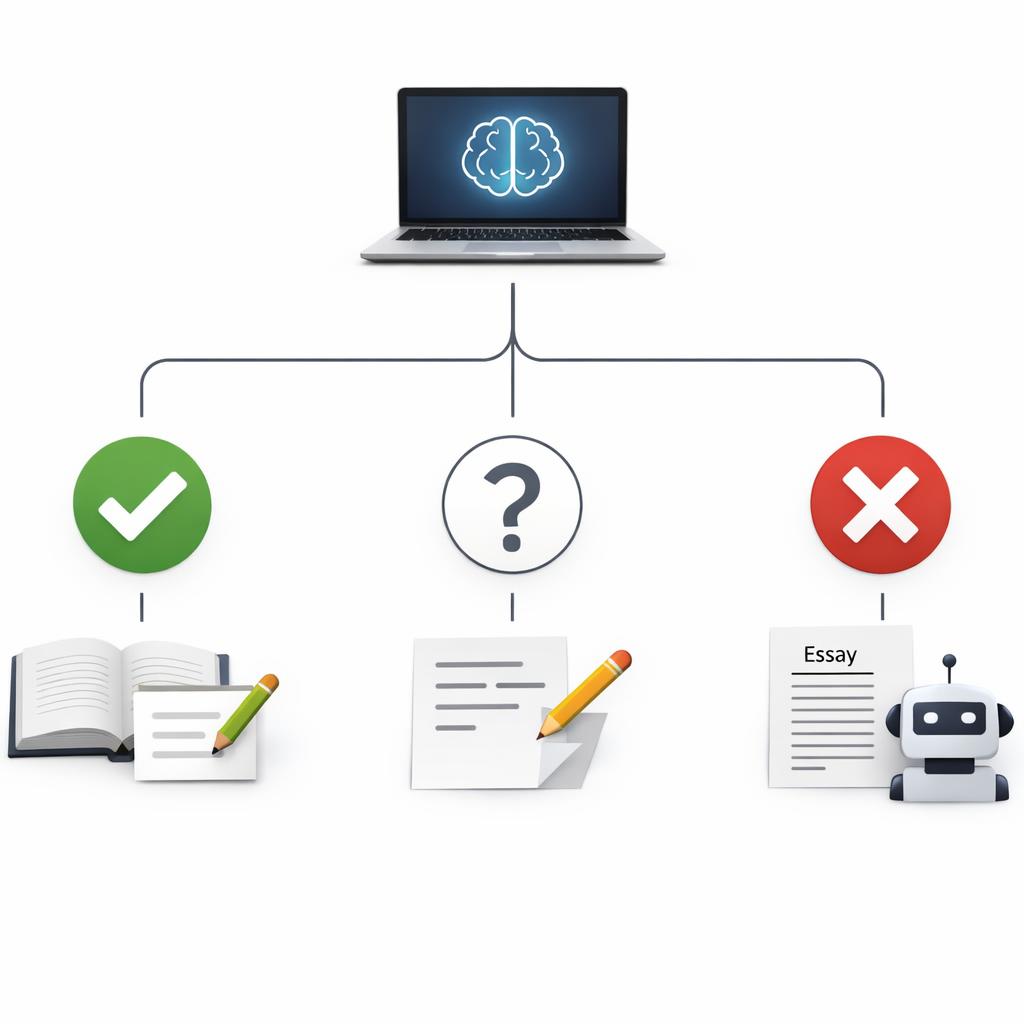
Students who want to stay within school rules should begin with the syllabus, assignment prompt, and any teacher guidance before using digital writing support. If the policy is unclear, ask directly and keep a record of the answer. In many classes, lower-risk uses may include generating study questions, reviewing grammar after a draft is complete, or identifying places where an argument feels confusing. Higher-risk uses include creating a full draft, rewriting source-based analysis, or producing discussion posts, reflections, and lab explanations that are submitted as original work.
Disclosure, citation, and assignment-specific permission
When in doubt, disclose. For students wondering how to disclose writing tool use in college papers or high school assignments, the safest approach is to follow the exact method required by the instructor or school. Some teachers may want a brief note explaining the kind of help used, such as proofreading, outline feedback, or revision suggestions. Others may ban outside writing assistance for certain assignments altogether.
If a tool affects wording, structure, or research direction, students should review school documentation rules and connect them with citation best practices. Disclosure does not automatically make the use acceptable, but it does show honesty and gives the instructor context for evaluating the work fairly.
A practical habit is to draft independently first, save notes, and keep revision history when possible. That way, if questions come up, the student can show how the paper developed. This protects honest students and makes it easier to prove that the final submission reflects real learning rather than hidden substitution.

How educators can set clear rules and reduce confusion
Students often make poor choices when policies are vague, inconsistent, or explained only after an assignment is submitted. A clear classroom policy for writing assistance should say what is allowed, what must be disclosed, and what is prohibited. It should also separate rules by assignment type. For example, grammar checks may be fine on a final draft, while timed reflections, discussion posts, and source-based essays may require fully independent work. Specific examples help far more than broad warnings because they give students a usable boundary.
Simple classroom policy language and fair review practices
Educators can reduce disputes by using plain statements such as: students may use writing tools for proofreading and clarity suggestions unless the assignment says otherwise; students must disclose substantive help with wording, structure, or idea development; students may not submit generated text as their own work. Clear policy language supports both accountability and fairness.
Review practices matter too. Instead of relying on suspicion alone, instructors can ask students to show notes, drafts, source lists, revision history, or a short explanation of their process. These steps support learning, protect honest students, and keep enforcement tied to evidence rather than guesswork. Schools may also want to align classroom rules with writing center guidance, honor codes, and department policies so students hear a consistent message.
When expectations are clear, conversations about academic integrity and smart writing tools become more productive. Students understand the boundary, instructors spend less time resolving preventable disputes, and the focus stays on authorship and learning rather than confusion.

Conclusion
Academic integrity and smart writing tools should be understood as a question of authorship, transparency, and course rules, not panic or hype. For students, the safest path is to do the intellectual work yourself, ask permission when a tool may shape the content, and disclose use when required. For educators, the most effective response is a policy that is specific, teachable, and tied to the purpose of the assignment.
In practice, responsible use means the student remains the true author of the work and can explain each claim, source choice, and revision. If a use hides outside assistance or replaces the student’s thinking, it likely conflicts with academic integrity. Clear expectations, simple documentation rules, and consistent review practices help schools uphold standards while still giving learners useful guidance.
FAQ
Is using a writing tool always considered cheating?
No. Whether it is acceptable depends on the assignment, instructor permission, and school policy. Limited proofreading or clarity support may be allowed in some classes, while drafting or rewriting content may be prohibited.
Should students disclose when they use a writing tool?
Yes, if the instructor, department, or school requires it, and disclosure is often the safest option when the rules are unclear. Honest disclosure shows what kind of help was used and whether it stayed within course boundaries.
What if a school policy does not mention writing tools at all?
If the policy is silent, students should not assume every use is allowed. Ask the instructor before submitting work, especially if the tool affects ideas, organization, or wording beyond basic proofreading. Parents can also support responsible use at home by encouraging students to draft independently first, keep notes, and follow assignment rules.


