
If you are asking what AI is best for writing essays, the honest answer is that the best tool depends on what kind of help you need. Some AI tools are great for brainstorming topics and building outlines, while others are better for polishing grammar, improving flow, or strengthening weak arguments. For most students, professionals, and academic writers, the most useful option is not one perfect platform but a smart mix of drafting help and careful editing. This guide breaks down the main differences so you can choose a tool that fits your writing process.

What AI Is Best for Writing Essays? Key Factors to Compare
When comparing essay-writing tools, pay attention to writing quality, factual reliability, ease of use, and revision features. Some platforms are strong at creating fast first drafts, while others are much better at sentence-level editing and cleanup. If you are searching for what ai is best for writing essays with citations, check source handling closely, because citation support and accuracy still vary a lot between tools.
How accuracy, tone, citations, and editing support affect essay quality
A good essay AI should stay on topic, match your intended tone, and organize ideas in a logical way. Accuracy matters because AI can still produce vague wording, weak examples, or even incorrect references. Strong editing support also makes a big difference, especially in academic writing where clarity, structure, and smooth transitions are just as important as the main argument.
Best AI Tools for Writing Essays and What Each One Does Best
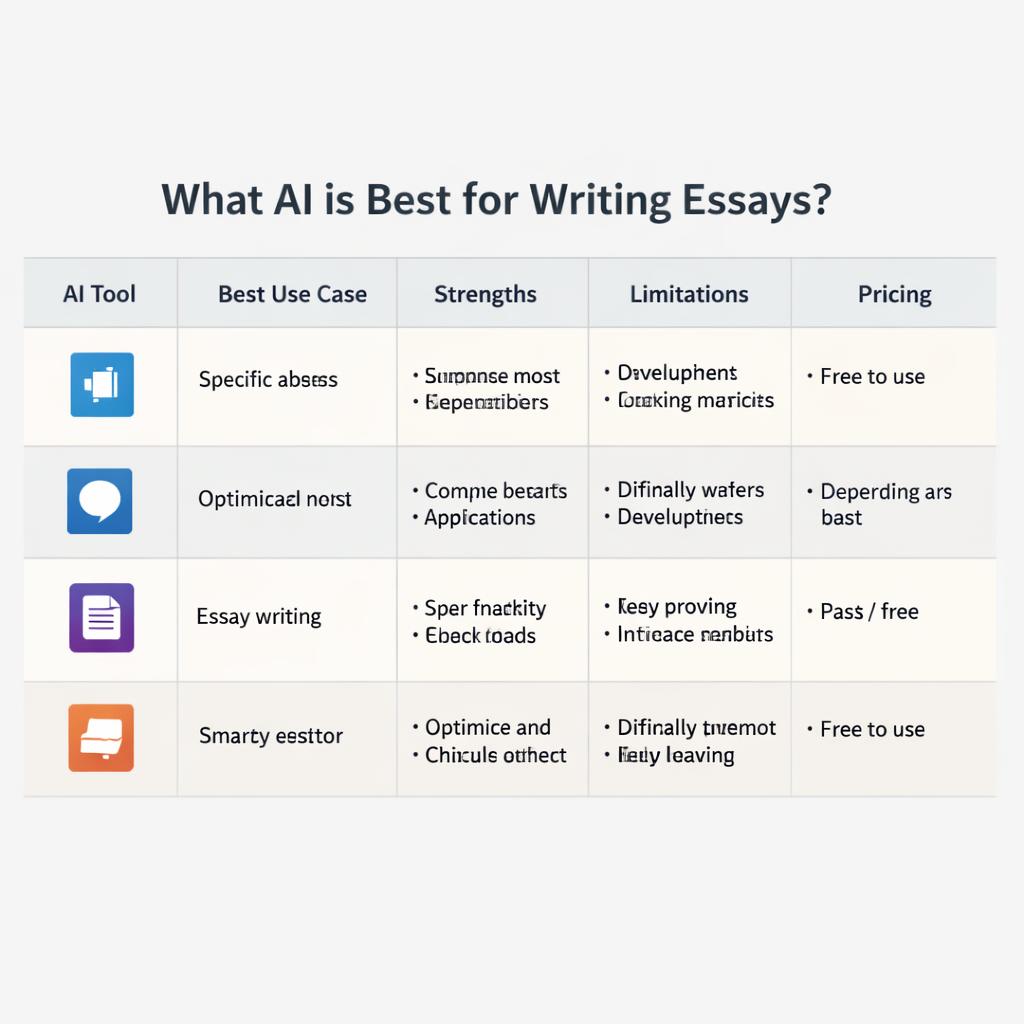
In any best ai for essay writing comparison, two types of tools usually stand out. General AI assistants are often best for idea generation, thesis development, outlines, and rough drafts. Editing-focused tools work better for grammar correction, sentence clarity, and final refinement. In practice, many writers get the best results by using both.
Best for drafting full essays, refining arguments, and improving clarity
Conversational AI tools are usually the strongest choice for building essay structures, generating thesis statements, expanding body paragraphs, and testing counterarguments. They are especially useful for what ai is best for writing essays for students who need help getting started or organizing their thoughts. These tools can also rewrite sections in a more formal, persuasive, or academic tone.
Best for grammar checks, rewriting sentences, and polishing final drafts
Editing tools are most helpful after a draft already exists. They can tighten awkward wording, reduce repetition, improve transitions, and catch grammar mistakes that are easy to miss. If you want the best ai tool for writing essays and editing drafts, choose one that gives detailed style suggestions instead of only basic spellcheck.
How to Choose the Best AI for Your Essay Type and Workflow
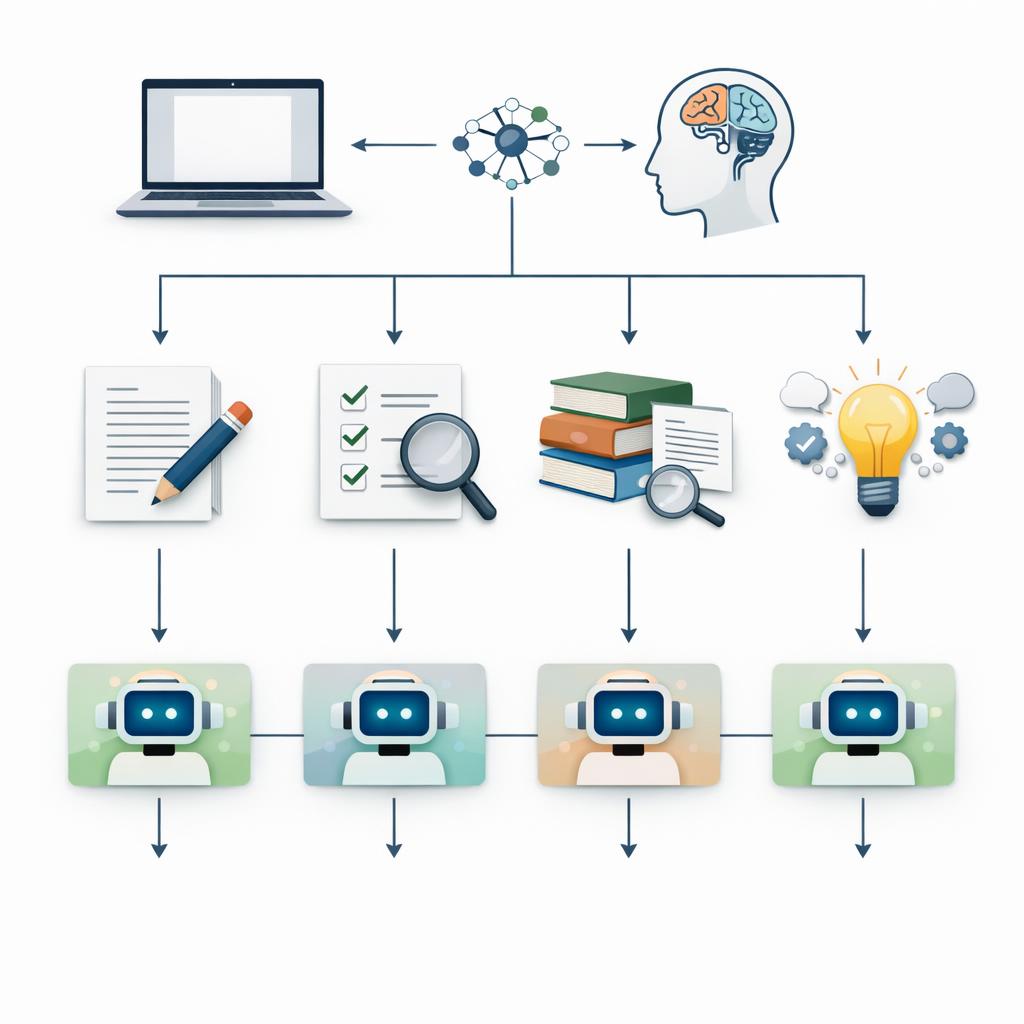
The right tool depends on your assignment. For research essays, prioritize tools that help summarize sources carefully and support citation review. For persuasive writing, look for AI that can improve logic, evidence flow, and counterarguments. For timed assignments, speed, simplicity, and easy prompting often matter more than advanced features.
Picking the right tool for research essays, persuasive essays, and timed assignments
If you regularly write complex academic papers, choose AI that supports outlining, topic refinement, and revision. If you mostly need quick help under deadline pressure, a simple drafting assistant may be enough. Many writers work more effectively with one tool for brainstorming and another for editing, rather than expecting one platform to do everything well.

Pros, Limits, and Ethical Tips When Using AI for Essay Writing
AI can save time, reduce writer's block, and make writing more readable. It can also help non-native English speakers communicate ideas more clearly. Still, it has clear limits. AI may invent facts, smooth out your personal voice, or oversimplify complex arguments. That is why human review is still essential for originality, logic, and academic honesty.
How to use AI responsibly without sacrificing originality or critical thinking
Use AI as a support tool, not a substitute for your own thinking. In most cases, it is more responsible to use it for brainstorming, outlining, revising, and proofreading than to submit unedited AI text. Always fact-check claims, rewrite ideas in your own voice, and follow your school, workplace, or publication rules for AI-assisted writing.
- Best use cases: brainstorming, outlining, revision, grammar improvement
- Main risk: inaccurate claims or overly generic writing
- Best practice: review everything carefully and keep your own ideas at the center
Final Verdict: What AI Is Best for Writing Essays?
So, what AI is best for writing essays? For most people, the best option is an AI assistant that helps with ideas and draft structure, combined with an editing tool that improves clarity and grammar. Students may prefer simplicity and quick feedback, while advanced writers may need better citation support and deeper argument refinement. The best choice is the one that improves your process without replacing your judgment.
FAQ
What AI is best for writing essays for students?
For students, the best AI tool is usually one that helps with brainstorming, outlines, and draft improvement while remaining easy to use. Strong editing support is also useful for polishing grammar and clarity before submission.
Can AI write a full essay that sounds natural?
Yes, AI can create a natural-sounding essay draft, but it usually needs revision. Human editing is important for adding originality, fixing weak reasoning, and making the tone sound real rather than generic.
Is it okay to use AI for brainstorming and editing essays?
Often yes, but it depends on your school or employer's policy. Using AI for brainstorming and editing is generally more acceptable than turning in fully AI-written work without review, revision, or disclosure.


