

If you want to learn how to humanize smart content for affiliate articles, the goal is straightforward: turn a flat, generic draft into useful copy that feels edited by a real person who understands what readers need before they buy. For affiliate publishers, that usually means sharper opinions, concrete examples, honest drawbacks, and a cleaner structure that still supports search visibility. A strong article should be optimized, but it also has to feel credible enough to earn clicks and conversions.

This works best when you treat generated text as a draft, not a publish-ready asset. Careful editing, fact-checking, sensible disclosures, and clearer product positioning can change how trustworthy the page feels. If you are refining a broader content workflow, you can also review our guide to best smart humanizer for seo article rewriting for related rewriting tactics that support this topic.
Why Human-Like Affiliate Writing Improves Trust and Conversions
Affiliate readers can spot generic review copy fast. Repetitive phrasing, broad praise, and unsupported claims make an article feel thin, even when the facts are mostly right. More natural writing feels stronger because it reflects real buying concerns: who a product fits, where it falls short, what setup is involved, and which tradeoffs matter most. That kind of clarity builds trust and keeps readers engaged longer.
Trust directly affects conversions. People are more likely to click when a recommendation sounds thoughtful instead of automatic. Rather than calling every option “great,” explain why one tool works for beginners, why another is better for bigger budgets, or why a certain feature matters in everyday use. When you humanize review content, you improve both the reading experience and the page’s usefulness for search.
Signals readers notice: tone, specificity, and honest product framing
Tone is often the first giveaway. If the copy sounds stiff, emotionally flat, or strangely repetitive, readers lose confidence quickly. A better style is conversational without being sloppy: varied sentence length, natural transitions, and direct answers to obvious questions. Specificity matters just as much. Instead of saying a product has “excellent performance,” explain what that means in practice, such as easier setup, fewer limits at the entry plan, or a steep renewal price after year one.
Honest framing is another trust signal many affiliate sites overlook. Strong pages do not pretend every product is perfect, and they do not imply personal testing where none happened. If you used the product, say what you tested. If you relied on documentation, customer feedback, or public pricing pages, phrase that clearly. This is one of the most reliable ways to make affiliate content sound more human: replace exaggerated praise with measured observations that help readers compare options realistically.
How to Humanize a Draft Without Losing Search Intent
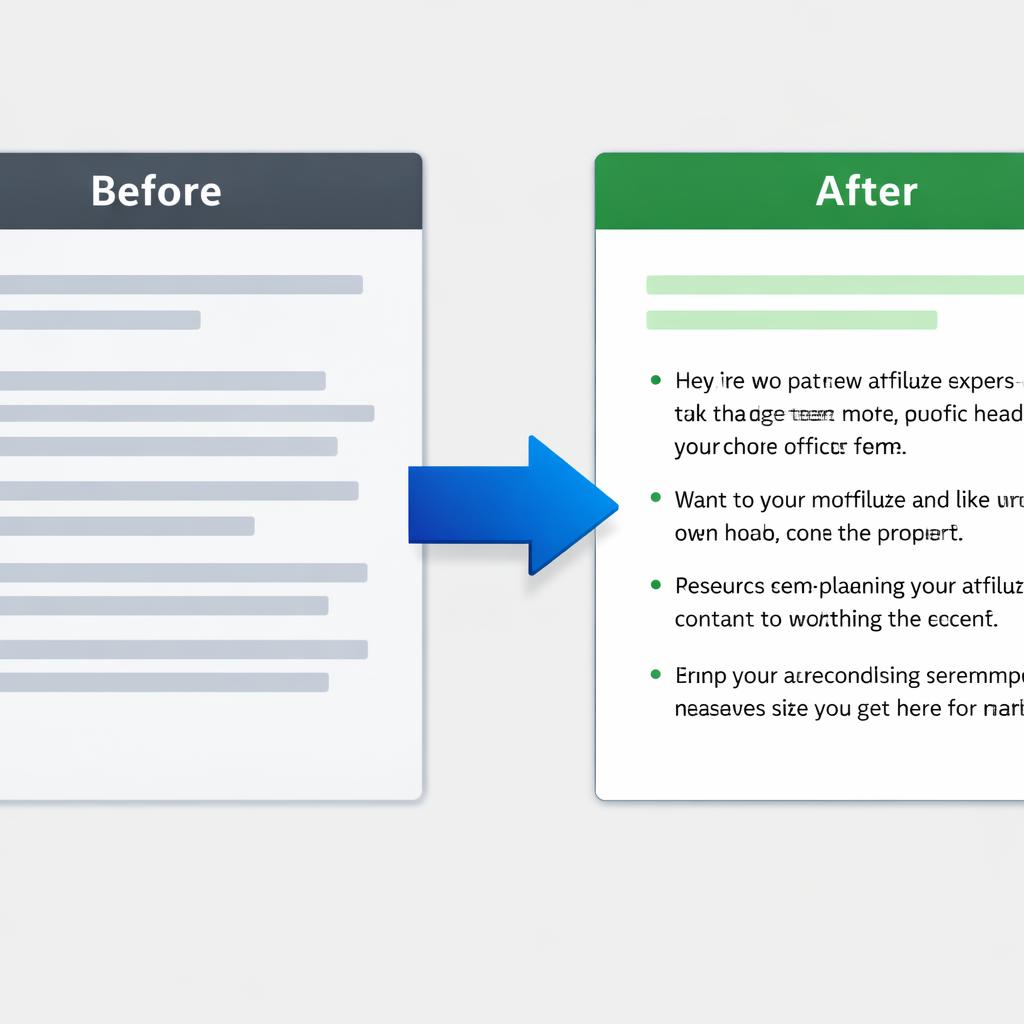
Start by preserving the page’s main keyword targets and original purpose, then improve the writing around them. Keep the core headings aligned with what searchers expect, but rewrite body copy line by line. Remove filler introductions, simplify awkward transitions, and break up sentences that feel crowded. If you need a practical editing order, start with the introduction, product summaries, comparisons, and calls to action, because those sections usually reveal the most generic wording.
Next, add believable context. Mention who a product may work for, what problem it solves, and what readers should verify before purchasing. Use examples that feel grounded rather than dramatic. For example, if you review email software, explain that a solo creator may care more about deliverability and templates than advanced automation. If you review hosting, mention migration difficulty, support response times, or renewal pricing. Details like these make the article more useful without changing its intent.
It also helps to smooth out the page structure. Short paragraphs are easier to scan, and direct language tends to outperform padded copy. Keep internal links natural by pointing readers to related resources only where the next step makes sense, such as a disclosure guide, a methodology page, or a product comparison they would likely want next. That approach supports SEO readability without making the article feel over-optimized.
Edit for first-hand language and believable examples
First-hand language does not mean pretending you tested every product yourself. It means writing in a grounded way that mirrors how real people evaluate options. Say “for most beginners, the setup looks manageable” instead of making inflated promises. Use transitions that guide the reader from problem to comparison to recommendation. Believable examples are especially helpful because they show why a feature matters instead of just listing it. This is a practical part of how to humanize smart content for affiliate articles: keep the keyword intent, but make the advice sound informed, restrained, and genuinely useful.

Conclusion
Learning how to humanize smart content for affiliate articles comes down to better editing decisions. Keep the search intent, but improve the structure, add realistic examples, and frame products honestly. Avoid overblown claims, place disclosures where readers will actually see them, and make each recommendation feel supported by the article rather than inserted to force a click.
In most cases, the biggest improvements come from stronger tone, more specific comparisons, and a final editorial review before publishing. Read the page out loud, verify key claims, and check that your internal links help rather than distract. Over time, this process makes affiliate articles easier to trust, easier to read, and more likely to convert.

FAQ
What makes affiliate content sound unnatural to readers?
The most common issues are repetitive wording, vague praise, forced keywords, and claims that sound too certain. Readers also notice when every product is described almost the same way. Specific use cases, clearer limitations, and better sentence flow usually make the article feel more credible.
How much should you rewrite a draft before publishing?
Rewrite enough that the final page reads like an edited original instead of a lightly cleaned template. In practice, that often means reworking the intro, product summaries, comparisons, and conclusion, then checking facts, disclosures, and links before the article goes live.
Can humanized affiliate content still rank well?
Yes. Better readability, clearer intent matching, and stronger trust signals can support performance as long as you keep the core keyword focus and organize the page around useful questions. Good editing improves clarity without removing optimization.
What should you verify before adding affiliate links?
Check disclosure placement, pricing references, product claims, destination URLs, and whether the recommendation is actually supported by the surrounding copy. Make sure the offer matches reader needs and that the article does not promise results you cannot verify.


