
A chatgpt detector for college application writing can help, but only if you use it as one review signal instead of a final verdict. In admissions essays, the goal is not to “catch” every case of generated text. The better goal is to lower risk, flag essays that deserve a closer read, and create a review process that is fair to students. If you are comparing tools, start with criteria that fit admissions writing, then review the broader guide to the best essay detector for college application essays for a deeper comparison.
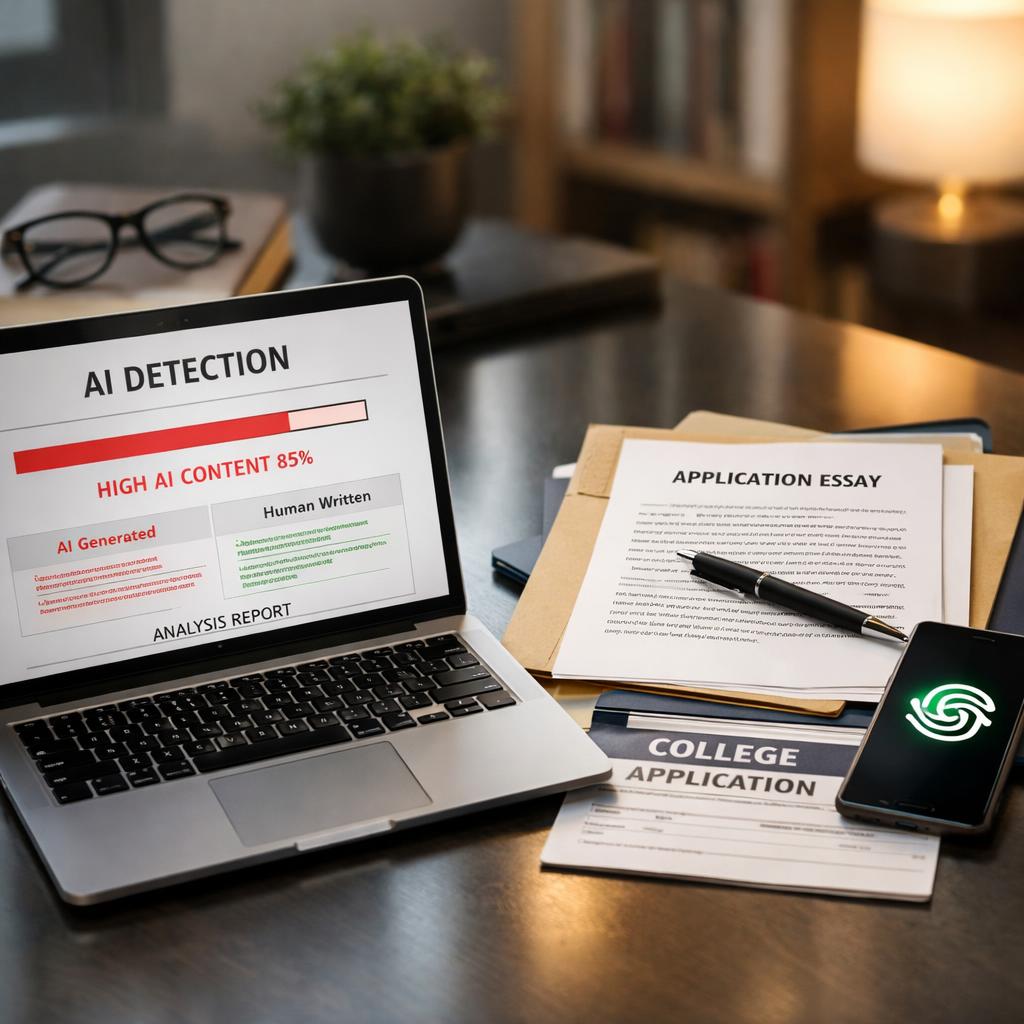
This matters because college essays are personal, short, and often revised many times with help from counselors, teachers, tutors, or family members. Those conditions make score-only tools less dependable than many people assume. So if you are asking for the best chatgpt detector for college application essays, the more useful question is this: which option creates the fewest false alarms, explains its findings clearly, and fits a human review workflow without pushing reviewers toward unfair conclusions?
Direct answer: can a ChatGPT detector help with college application writing?
Yes, but only in a limited way. A detector can flag patterns that look machine-written, point reviewers to passages worth checking, and add consistency when several people are reading essays. That makes it useful for first-pass screening, counselor review, or support teams that want one more signal before asking follow-up questions. It can also help answer a practical need: how to check college essays for generated text without relying only on instinct.
The catch is that admissions essays often include polished language, familiar structure, and repeated revision. Those same traits can produce misleading scores. In other words, how accurate a detector is for admissions writing depends on the sample, the context, and whether the tool shows evidence beyond a percentage. The safest conclusion is conditional: detectors can help with triage and consistency, but they are not reliable enough to decide authorship on their own.
Where detectors can help and where they can mislead
Detectors are most useful when several concerns appear at once. Examples include a sudden shift in voice, wording that feels detached from the student’s personal details, large differences between drafts, or no visible revision history when one would normally exist. In those cases, a detector score may support a closer manual review and give the reviewer a clear reason to ask questions.
They become misleading when one score is treated as proof. A strong writer, a heavily coached applicant, or a student using conventional admissions language can all be flagged unfairly. That is why false positives matter so much in this setting. A detector should support review, not replace reading for voice, checking draft progression, or asking the student to explain their ideas and revision choices.
How to evaluate a detector for admissions essay review
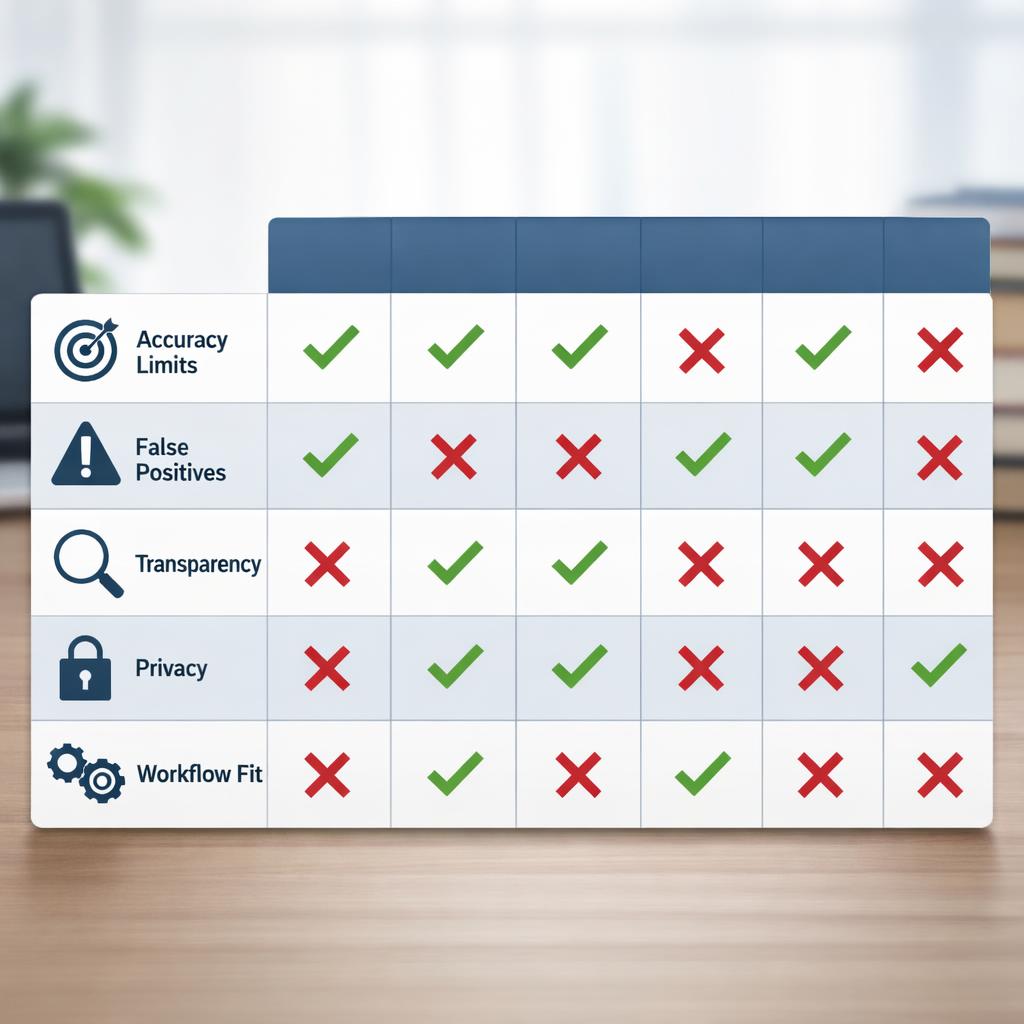
Start with false-positive risk. For college applications, avoiding weak accusations matters more than aggressive flagging. A good tool should explain why a passage was marked instead of only assigning a score. Passage-level detail helps reviewers tell the difference between predictable essay structure and something that truly deserves attention. Privacy matters too, since application essays often include sensitive family details, personal experiences, educational records, and health-related topics.
Next, look at workflow fit. The right detector should support a simple and defensible process: paste or upload text, review passage-level findings, compare them with draft history, and document the next step. If a tool encourages overconfidence or makes it hard to record context, it is a poor fit even if the interface looks impressive. In practice, the strongest options for this use case usually combine lower false-positive risk, clearer explanations, careful privacy handling, and easy use inside a human review process.
Key criteria: false positives, transparency, and review workflow
- False positives: Ask how often polished but authentic essays might be flagged.
- Explanation quality: Prefer passage-level reasons over one overall percentage.
- Transparency: Look for clear limits and cautious language, not certainty claims.
- Privacy handling: Verify how essays are stored, processed, and retained.
- Workflow fit: The tool should support manual review rather than replace it.
- Evidence boundaries: The available evidence supports comparison and screening, not guaranteed detection across all admissions essays.
It also helps to separate use case from marketing. A detector may be worth comparing if you need a structured way to review many essays or build internal review guidelines. It is not automatically suitable for final admissions decisions. That distinction matters when people compare products or shortlist a first-party option. For example, if you are considering a solution framed as Best smart Detector for College Essays, it is worth comparing only because it can serve as a decision framework for evaluating tools in this scenario, not because any single score can prove authorship. Before moving forward, check whether it gives usable explanations, respects privacy, and fits your review process.

Best-fit scenarios, alternatives, and next steps
A detector makes the most sense when you need structured screening across many essays, when a review team wants a consistent second opinion, or when a passage already seems unusual and you want a documented reason to escalate. It is less useful when the essay is very short, heavily revised through coaching, or clearly supported by draft history and direct discussion with the student. In many admissions cases, manual review should still come first because context matters more than a score.
If you want a safer process, pair any detector with a broader checklist: voice consistency, draft progression, source use, and whether the student can explain specific phrasing choices. That kind of layered review is usually more dependable than chasing a perfect detector. A practical alternative is to rely first on close reading and revision evidence, then use a detector only when something needs a second look.
When manual review or a broader essay-check process is the better choice
Manual review should lead when the stakes are high and the evidence is mixed. A counselor, tutor, or admissions support team can often learn more by comparing drafts, discussing revisions, and reading for authentic personal detail than by relying on a detector score. This is especially true for personal statements and supplemental essays shaped by substantial coaching.
If you are deciding between tools, compare them against the factors that actually matter in this scenario: false-positive risk, explanation clarity, privacy terms, and how easily results can be checked against drafts and student discussion. Then use a broader college essay review checklist to keep decisions fair, consistent, and easier to document.
Conclusion
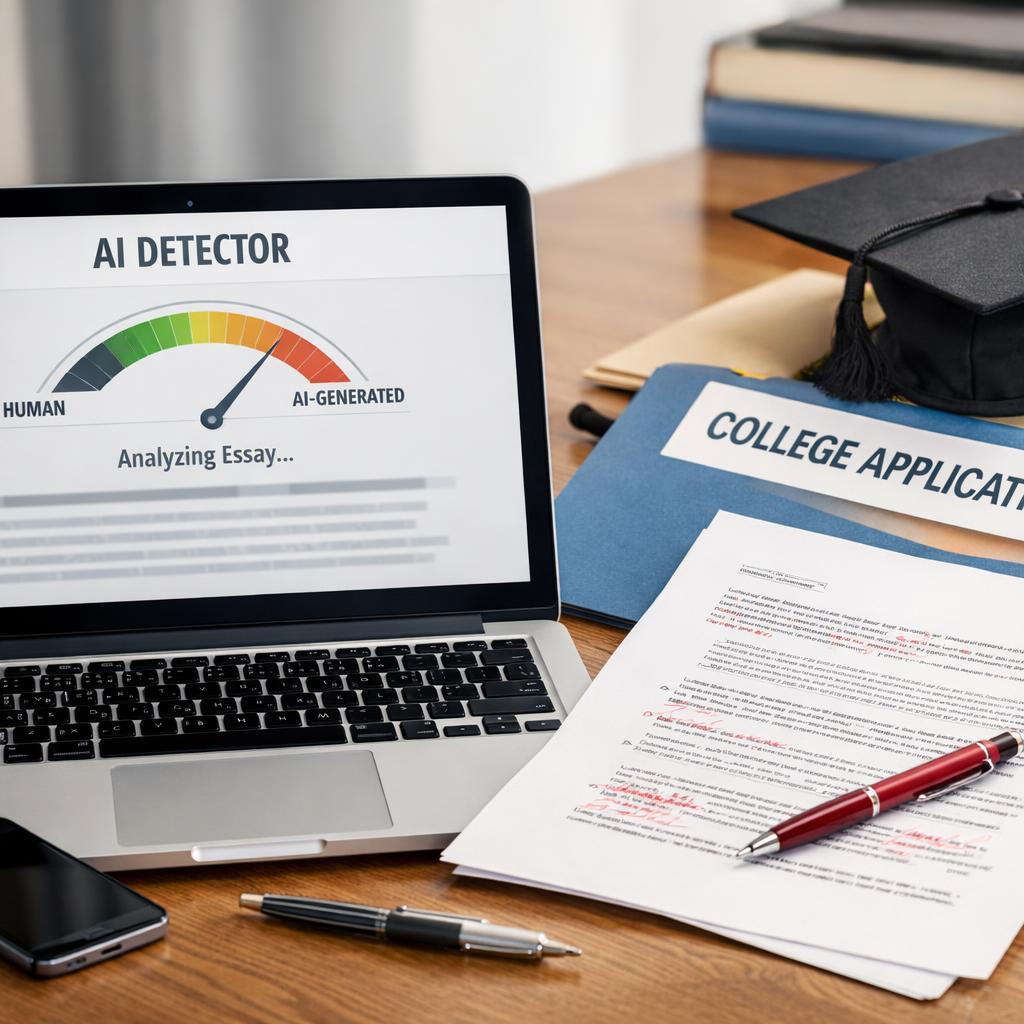
A chatgpt detector for college application writing can be useful, but only as one signal inside a careful review process. For admissions essays, the most important factors are not bold claims or high-level scores. They are false-positive risk, explanation clarity, privacy handling, and whether the tool supports a fair manual workflow. The most accurate answer is therefore conditional: yes, a detector can help, but only when it guides closer reading instead of making the decision for you.
If you need to choose a tool, compare your shortlist on four points next: how often it may flag genuine student writing, how clearly it explains flagged passages, how it stores and retains essay data, and how well it fits draft review and follow-up conversations. Then cross-check those results with the guide to the best essay detector for college application essays and your internal essay review checklist before setting a policy.
FAQ
Can a ChatGPT detector reliably identify college application writing?
Not in every case. It can surface patterns worth reviewing, but college essays are short, polished, and often revised with help. Those conditions increase uncertainty, so the tool works best for triage rather than proof.
What causes false positives in college admission essays?
Common causes include polished phrasing, familiar essay structure, repeated revision, and writing shaped by coaching. Personal statements may also sound unusually refined because students edit them many times, which can resemble generated-text patterns.
How should schools or counselors check college essays for generated text?
Use a layered process: read closely, compare drafts, review revision history when available, and ask the student to explain major wording choices. If you add a detector, treat its output as a prompt for follow-up rather than a final decision.
When is Best smart Detector for College Essays a logical option?
It makes sense when you need a comparison framework for selecting among detector tools for admissions essay review. It is less suitable if you want certainty from one score. Before using it, verify privacy practices, explanation quality, false-positive risk, and how well it supports a manual review workflow.


