

If you are comparing terms in the smart humanizer guide cluster, the short answer is simple: an smart bypasser usually refers to edits meant to make text seem less machine-written, while a humanizer focuses on making writing clearer, smoother, and more natural for actual readers. The terms are often used as if they mean the same thing, but in practice, they point to different goals.

That distinction matters for students, marketers, editors, business owners, and anyone publishing online. The search query what is an smart bypasser and how is it different from a humanizer is really about purpose, quality, and risk. In most cases, a humanizer is the more useful option when your real goal is readability, trust, and a stronger final draft, not just changing how the text appears at a glance.
What an smart bypasser is and why people look for one
An smart bypasser usually describes a rewrite process that changes wording, sentence length, and phrasing patterns so a draft feels less predictable. When people ask what does an smart bypasser do, they generally mean that it reshapes common signals of machine-written copy, such as repetitive wording, flat rhythm, generic transitions, or an overly even tone. The focus is often surface-level change first: make the text look or sound less formulaic.
People look for that kind of help for different reasons. Some want rough drafts to sound less stiff before they revise them. Others hope to reduce false flags from review systems or make a quick draft more conversational. Still, the term can carry baggage because it is often framed around “getting past” a check rather than improving the writing itself. That is the main limitation. A bypass-style rewrite may alter the appearance of the text, but it does not automatically make the content clearer, more accurate, more original, or more useful to readers.
How a humanizer differs in purpose, output quality, and risk
A humanizer is generally centered on reader experience. Instead of treating the draft as a pattern problem alone, it works to improve flow, tone, sentence variety, clarity, and specificity. If you are wondering is an smart humanizer the same as an smart bypasser, the practical answer is no. Some edits may overlap, but the intent is different. A humanizer tries to make writing feel natural and readable, not merely less detectable based on surface cues. For a broader definition, see what is an smart humanizer.
This difference shows up quickly in output quality. Humanized text is more likely to sound like something a real person would publish, submit, or approve. It usually preserves the original meaning while improving tone and coherence. A bypass-first rewrite, by contrast, can introduce awkward word swaps, diluted claims, or strange sentence shifts if it pushes too hard on variation. That is why the difference between smart bypasser and humanizer is not just technical. It affects how credible, polished, and trustworthy the final piece feels.
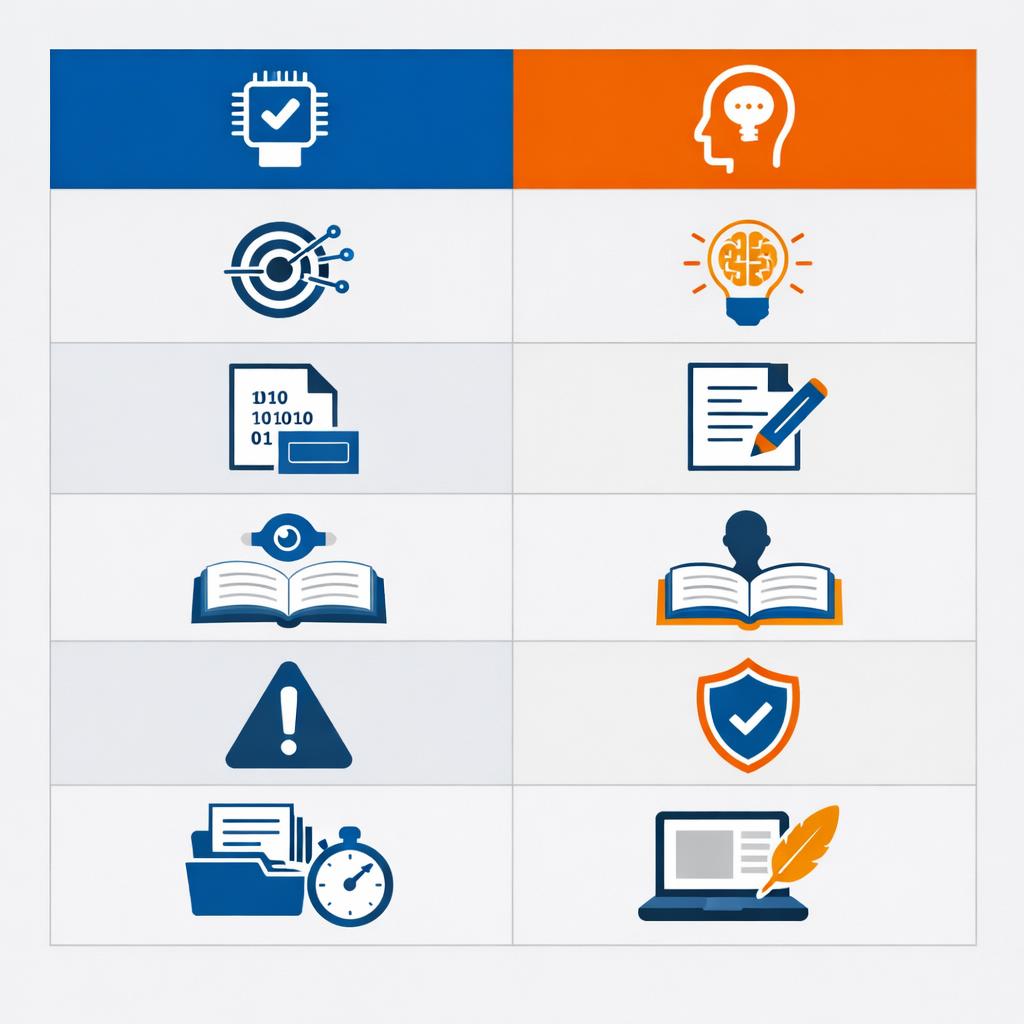
A simple side-by-side comparison: intent, edits, and likely results
Intent: a bypasser aims to reduce machine-like signals, while a humanizer aims to improve readability, voice, and audience fit. Edits: bypass-style changes often focus on swapping words, breaking up predictable sentence patterns, and adding variation. Humanizer edits usually go further by clarifying ideas, tightening logic, cutting filler, and shaping the tone for the reader. Likely results: bypassed text may look different on the surface, but humanized text is more likely to feel credible, clear, and ready to publish.
- Best fit for bypass-style editing: rough internal drafts that need quick variation before a full review.
- Best fit for humanizing: blog posts, landing pages, essays, newsletters, and brand content where trust and clarity matter.
- Main caution: neither label replaces fact-checking, source review, or careful editing.
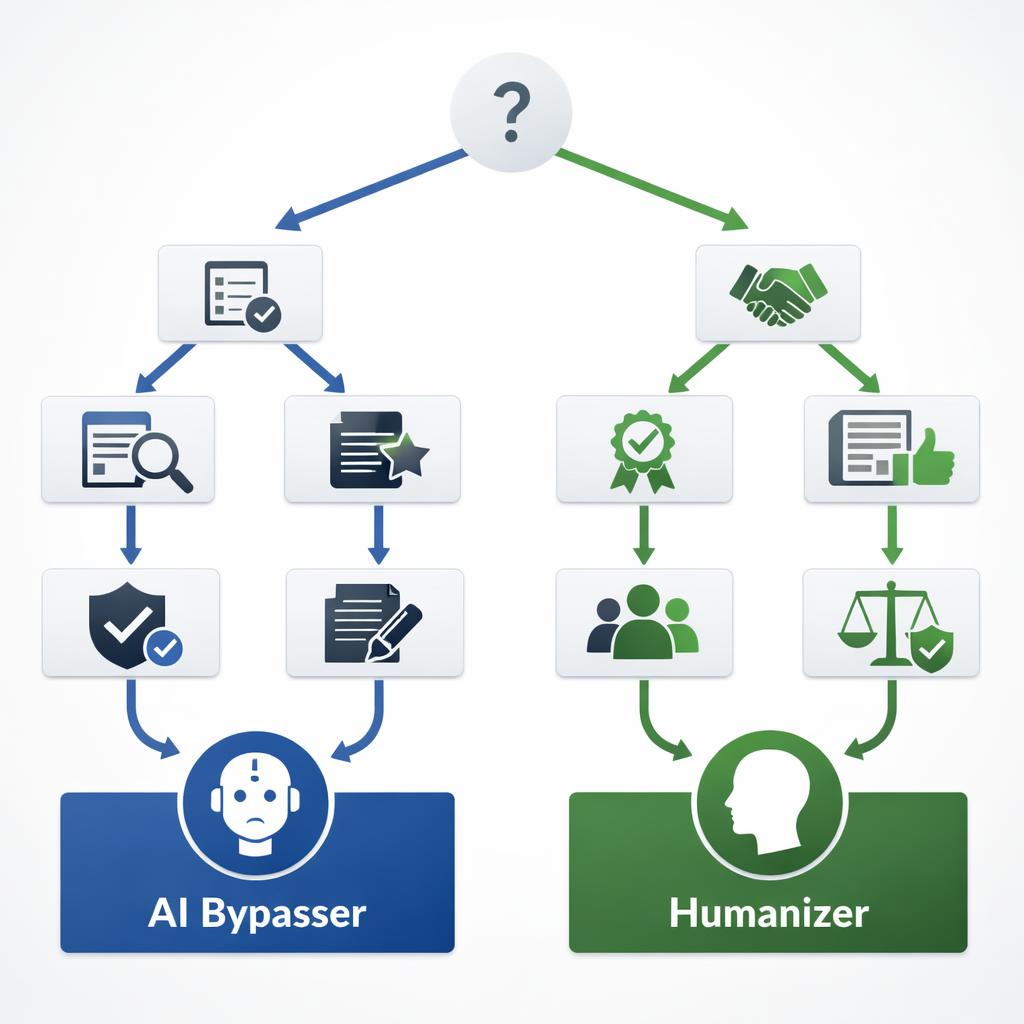
How to choose the right approach for readability, trust, and compliance
When deciding when to use a humanizer instead of an smart bypasser, start with the real purpose of the draft. If the content is meant for customers, readers, instructors, or stakeholders, readability and trust should come first. A humanizer is usually the better fit when you need cleaner structure, better transitions, stronger specificity, and a tone that sounds like a real person or brand. It also fits more naturally into a revision process that includes proofreading, originality checks, and policy awareness. For related guidance, see improve readability and natural tone.
If a draft feels generic, repetitive, or stiff, a bypass-style rewrite might seem like the faster answer, but it can leave the deeper weaknesses untouched. Humanizing is usually the stronger long-term approach because it improves communication, not just appearance. In most professional settings, the best workflow is straightforward: revise for clarity, verify facts, tighten language, and polish the voice until the piece earns trust on its own.

Conclusion
To answer what is an smart bypasser and how is it different from a humanizer, think about the goal behind the edit. A bypasser usually focuses on changing patterns that make text feel machine-like. A humanizer focuses on making the writing genuinely better for people who will read it. While both may increase sentence variety or smooth out awkward phrasing, the better long-term choice is usually the one built around readability, accuracy, and trust.
That is why these terms should not be treated as perfect synonyms. If your goal is stronger publishing, better brand voice, or more credible communication, a humanizer is usually the more practical framework. It supports editing that helps the message land with real readers, rather than just changing the surface shape of the wording.
FAQ
What does an smart bypasser do to text?
It usually rewrites wording, sentence structure, and phrasing patterns so the text appears less uniform or less machine-like. That can make a draft feel less stiff, but it does not automatically improve clarity, accuracy, or overall quality.
Is a humanizer the same thing as an smart bypasser?
No. They can overlap in some of the edits they use, but a humanizer is generally focused on readability, tone, flow, and audience fit, while a bypasser is usually described in terms of changing detectable patterns.
Which option is better for blog posts and website pages?
For content that will be published, a humanizer is usually the better fit because it supports clearer communication, a more natural tone, and stronger trust with readers.


