
If you are searching for the best smart bypasser alternatives for safer rewriting, the safest move is not trying to slip past checks. It is using methods that make writing clearer, more natural, and easier to verify before you publish, submit, or send it to a client. For many writers, that starts with learning how an smart humanizer can support a careful editing process. The goal is simple: improve readability, keep the original meaning intact, and stay in control of tone, structure, and final wording. Whether you write for school, work, or your website, stronger rewriting habits usually lead to better results than quick shortcuts.

Why safer rewriting alternatives matter
Most people looking for rewriting help do not actually want a loophole. They want cleaner sentence flow, a more human voice, and fewer issues with quality checks, editorial review, or content standards. A strong rewrite should make text easier to understand, not just more different on the surface. That is why safer alternatives focus on better structure, sharper word choice, and careful review instead of fast changes with little visibility.
In practice, a humanizer works best as a support step, not as a substitute for judgment. The most reliable process usually combines source review, selective rewriting, and a final human edit. That keeps nuance in place, protects facts, and lowers the chance of awkward or exaggerated phrasing. If your priority is safer publishing or client-ready work, accountability matters more than speed.
What do users usually want instead of a bypasser? In most cases, they want four things: clearer flow, a tone that fits the audience, enough originality to avoid repetitive phrasing, and confidence that the rewrite still means the same thing. They also want control. That means being able to shorten, simplify, or personalize sections instead of accepting a full rewrite that feels generic or off-brand.
This is why practical comparison criteria matter more than hype. Ask whether a method helps you rewrite with lower risk, whether it supports line-by-line edits, and whether it improves readability without flattening the message. For students, marketers, editors, and site owners, safer options are the ones that support revision, fact-checking, and final responsibility.
How to compare alternatives for clarity, tone, and risk
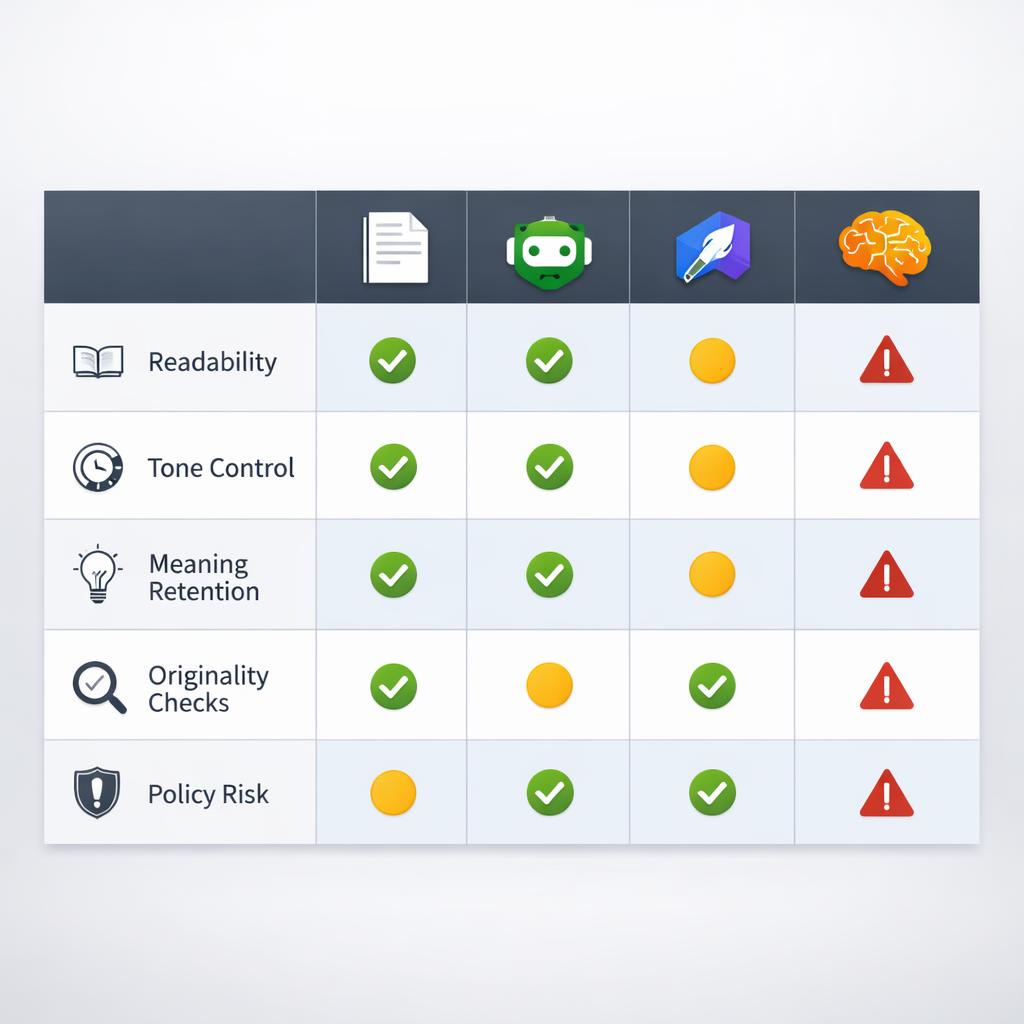
If you want to choose a lower-risk rewriting option, start with a few simple checks. First, test readability. Read the new version out loud and listen for stiff phrasing, odd transitions, or sentences that sound overworked. Next, look at tone control. Can the wording shift between formal, friendly, expert, or conversational styles without losing consistency? Then review edit visibility. A useful method should let you inspect and refine changes instead of hiding everything in one large rewrite.
Meaning retention should come next because a smoother sentence is not better if it changes the original claim. Compare key lines such as product promises, statistics, thesis statements, or policy wording against the source. If the new version sounds better but becomes broader, weaker, or more certain than the original, treat that as a warning. Accuracy should always come before novelty.
Originality and edit control also matter. Originality is not about random word swaps. It is about producing phrasing that sounds fresh, audience-aware, and natural in context. Edit control matters because you need a clear way to accept, reject, or refine individual changes. The best options support partial rewrites, custom instructions, and final manual polishing. If you are comparing methods side by side, a simple checklist with readability, tone control, meaning retention, originality, and policy risk is often enough to separate safer choices from risky ones.
Policy risk is worth considering too. A safer workflow encourages careful authorship, accurate attribution, and truthful claims. It should help you improve writing quality, not create distance from responsibility. If a method makes it harder to review facts or explain where wording came from, it is probably not the right fit for important work.
Conclusion
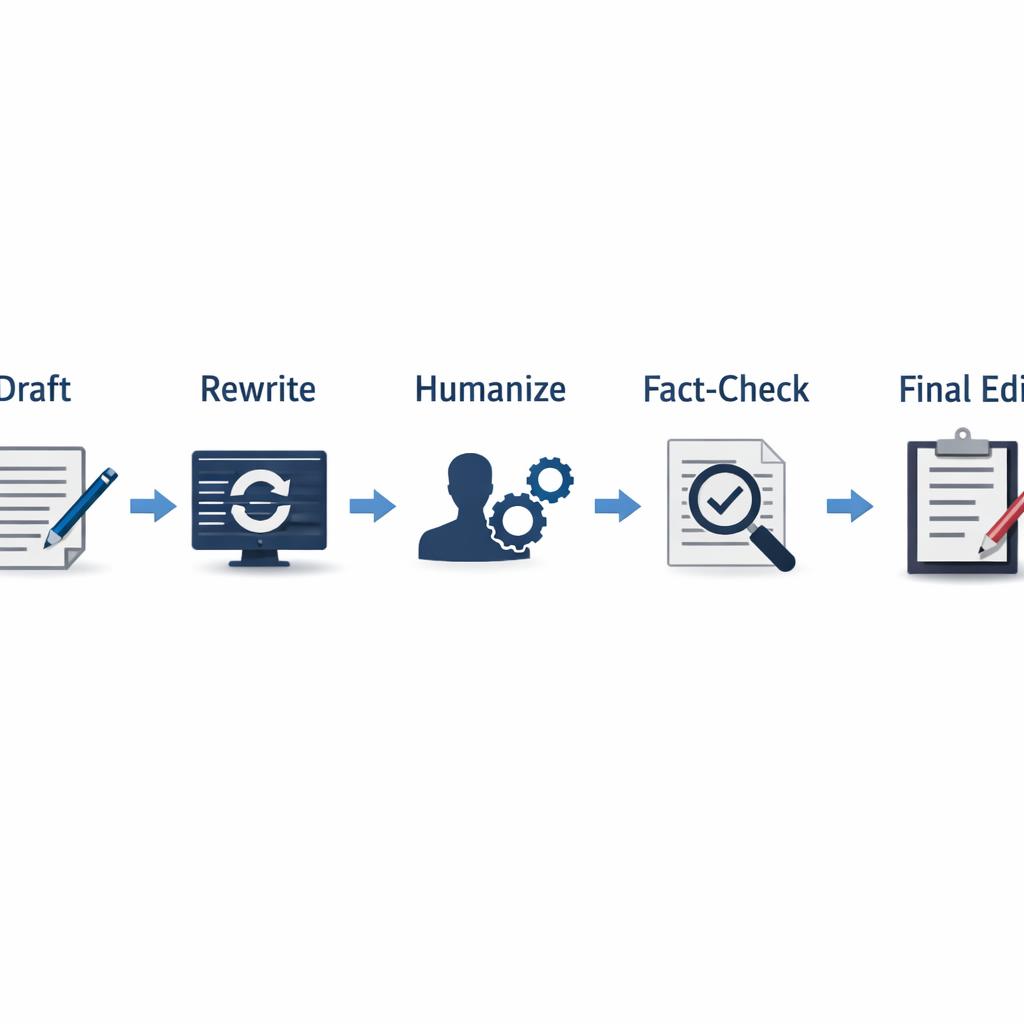
The best smart bypasser alternatives for safer rewriting are not shortcuts. They are practical methods that improve clarity, preserve meaning, and give you real control over tone and final edits. In most cases, the safest path is a layered workflow: review the source, rewrite only where needed, smooth the wording with a humanizer if helpful, verify facts, and finish with human judgment. That process creates cleaner, more credible content and reduces the risk of awkward phrasing, factual drift, or avoidable quality issues. If you want a dependable next step, explore internal resources like the smart humanizer guide to build a process that fits your audience and your standards.

FAQ
What makes a rewriting alternative safer than a bypasser?
A safer alternative focuses on clear editing, meaning retention, and reviewable changes. It helps you improve readability while keeping the original message intact. Instead of pushing a fast transformation with little oversight, it supports responsible revision and gives you a chance to check facts, tone, and structure before the text is used.
Can a humanizer help preserve meaning during rewriting?
Yes, if you use it carefully. A humanizer can improve flow, reduce stiffness, and make transitions sound more natural, but it should not be treated as the final step. You still need to compare the rewritten version with the source, especially around numbers, names, claims, and nuance. It works best when the draft is basically accurate and only needs better phrasing.
How do I know if rewritten text sounds natural enough?
Read it aloud and check whether it sounds like something a real person would say to the intended audience. Look for repeated sentence patterns, vague wording, abrupt transitions, or phrases that feel overly polished in an unnatural way. Natural writing is usually specific, consistent in tone, and easy to follow from one idea to the next.
When should I rewrite manually instead of using a tool?
Manual rewriting is the better choice when precision matters most, including academic analysis, legal-style wording, sensitive claims, and brand messaging. In those cases, even small wording shifts can change meaning or create risk. Tools can still help with early drafting or light cleanup, but final wording should be reviewed and refined by a person who understands the context.


