
If you are asking why did an smart detector flag my own writing, the short answer is simple: these tools do not verify authorship. They look for language patterns and estimate whether a passage resembles text that feels overly uniform or highly predictable. That means a completely original draft can still be mislabeled if it sounds formal, repetitive, or stripped of personal detail. If you are new to what is an smart detector, the most important thing to know is that the score is only an estimate, not proof.

This matters to students, freelancers, marketers, editors, and business owners alike. A false positive can create stress, especially when you know every sentence is yours. The better question is not only why original writing gets flagged, but also how to judge whether the result is trustworthy and what to do next. Below, you will find the most common triggers, practical ways to review a flagged result, and smart steps to protect your work.
Why human writing gets flagged in the first place
Most detectors are built to spot statistical signals linked with highly predictable writing. Human work can match those signals by accident, especially in school essays, product descriptions, executive summaries, and search-focused website copy. If your wording is clean, neutral, and repetitive, a detector may decide it looks machine-written even when you drafted it yourself. That is one major reason original writing gets flagged so often.
Context also matters more than many people realize. A short sample gives the tool less evidence, so a single polished paragraph can produce a misleading score. Heavy editing can also flatten your voice. If you remove personal examples, swap vivid phrasing for safer wording, or force everything into a rigid template, your draft may become too even in tone and rhythm. These systems can be wrong because they measure patterns, not intent, writing history, or real authorship.
Common patterns that can trigger a false positive
Some features appear again and again when human writing is mislabeled. One is repeated sentence structure, where too many lines begin the same way or follow the same rhythm. Another is low variation in sentence length, which can make a passage feel unnaturally steady. Generic transitions, broad statements, and a lack of concrete detail can also make a draft seem less personal and more formulaic.
- Predictable phrasing repeated from paragraph to paragraph
- Sentences that are all similar in length and complexity
- Coverage that stays broad instead of getting specific
- Very little first-hand detail, opinion, or lived context
- Template-style introductions and conclusions
None of these signals prove the writing is not yours. They simply increase the chance of a false positive, especially in academic, corporate, or SEO-focused writing where consistency is often encouraged.
How to check whether the result is actually reliable
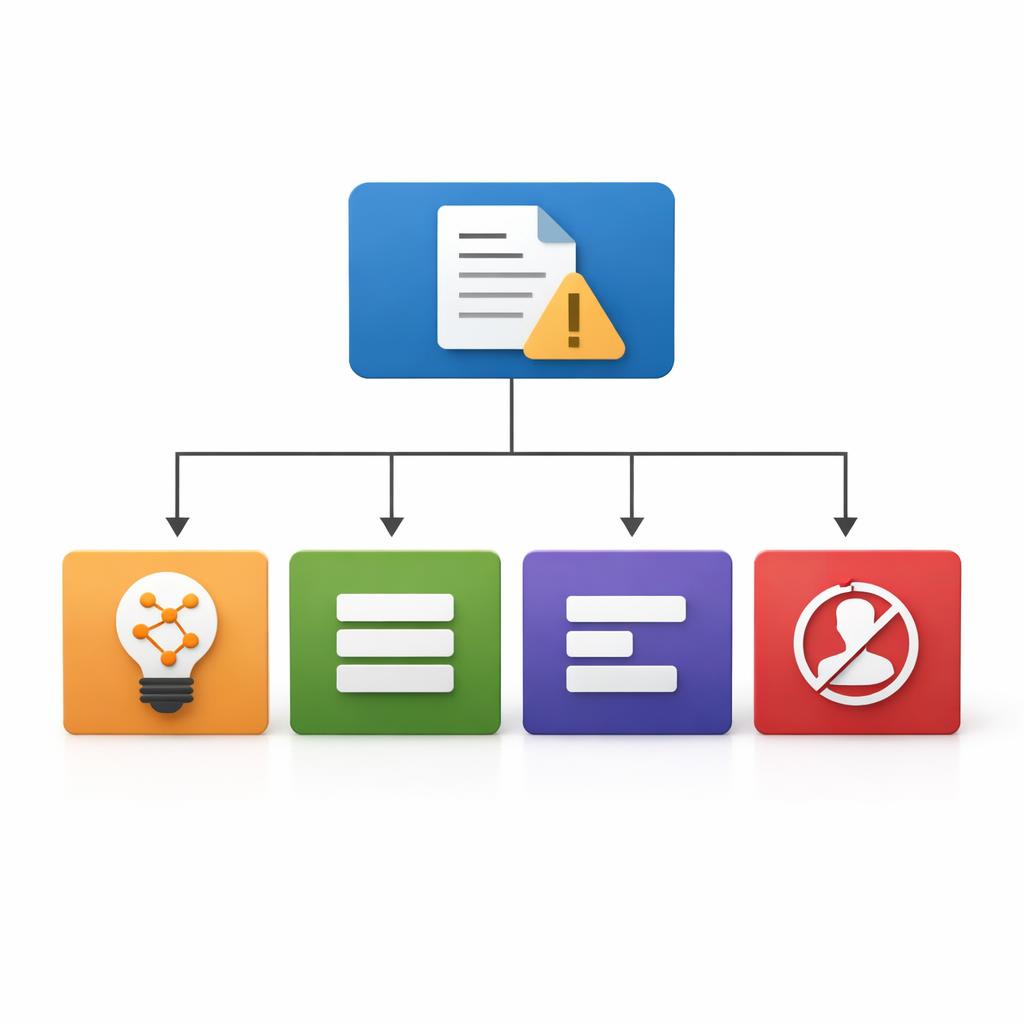
A detector score only becomes useful when you look at the full context. Start by checking how much text was tested, whether the passage included quotations or citations, and whether the sample had been heavily edited before it was pasted in. Then compare the result across more than one tool. If one checker flags your work and another does not, that disagreement alone shows why a single score should never be treated as hard evidence. This connects closely with detector accuracy and false positives.
It also helps to consider the kind of writing being tested. These tools are usually less dependable with short passages, technical explainers, formulaic assignments, boilerplate copy, or tightly optimized web content. In those situations, the output is best treated as a prompt for review rather than a final judgment. Before anyone makes a serious decision, there should be a human read-through and a look at whether the draft matches your normal voice and process.
Signals to review before you trust the score
If you need to decide whether a flagged result deserves attention, review the basics first. Was the text pasted correctly? Did formatting changes alter the sample? Did the tool test only one section instead of the whole draft? Was the writing intentionally simple because the assignment called for plain language? Small details like these can affect results more than people expect.
- Sample length and whether it represents the full draft
- Quotes, source material, or repeated boilerplate inside the text
- Whether the tool explains confidence or just gives a raw label
- Consistency across multiple detectors
- Draft history, notes, timestamps, or tracked revisions
If these signals are mixed or weak, be cautious. In many cases, the better question is not whether the score looks official, but how to show that your writing process supports your claim of authorship.
What to do if your original draft was mislabeled
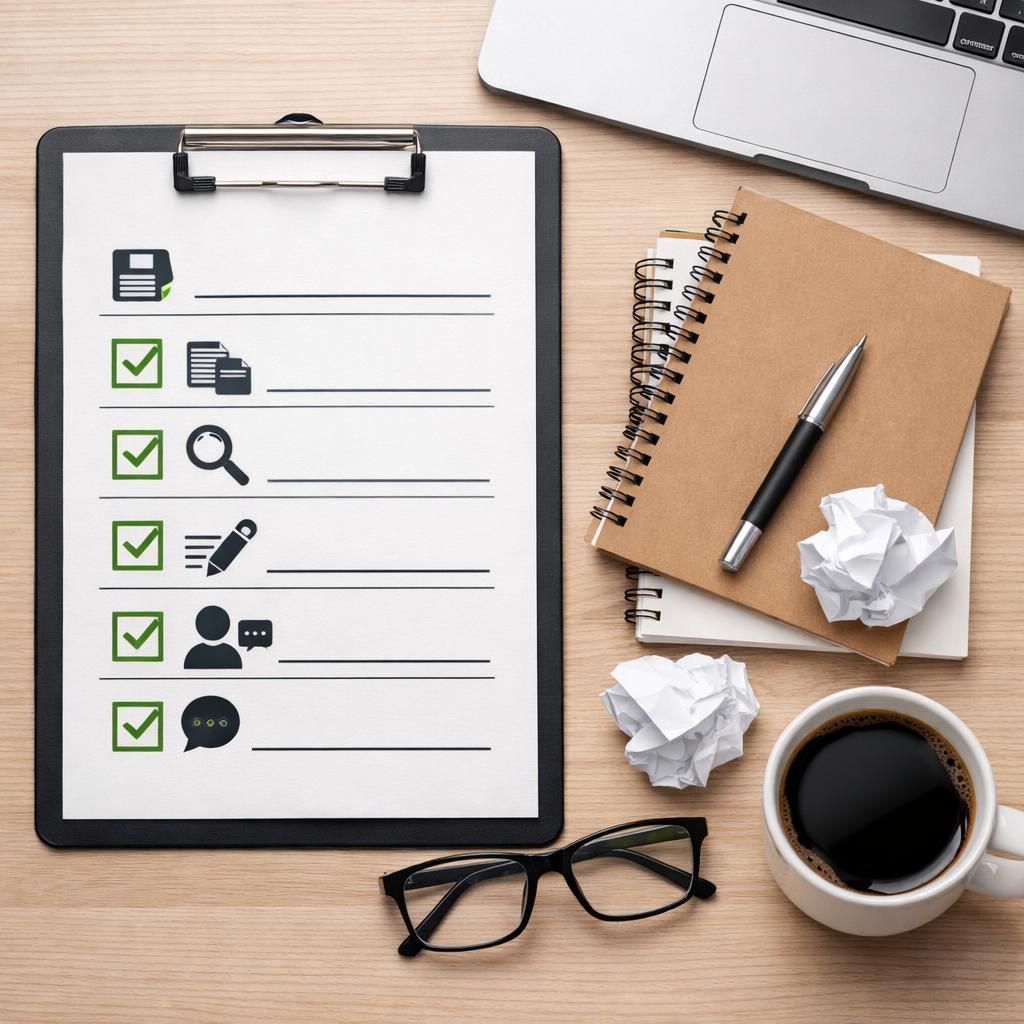
First, do not panic and do not delete your evidence. Save outlines, notes, research files, screenshots, and version history that show how the piece developed. If you wrote in a cloud-based editor, keep the revision timeline. If you worked offline, save dated copies of the file. When you need to prove authorship to a teacher, client, editor, or manager, that process record is often more convincing than arguing about the score itself.
Next, revise for readability, not for gaming the tool. Add concrete examples, clearer facts, and natural phrasing that sounds like you. Vary sentence length and openings if too many lines follow the same pattern. Replace filler transitions with wording that moves the point forward. If the label affects a real decision, ask for a manual review and explain calmly that false positives happen. A measured response backed by drafts and timestamps is usually far more persuasive than trying to debate the detector output alone.
Simple edits and proof you can keep
The most useful edits are usually modest. Replace vague claims with specifics, restore a phrase that sounds more natural, and add one or two original observations where appropriate. These changes improve the article for readers while also reducing the features that often trigger a false positive.
- Keep outlines, rough notes, and earlier drafts
- Save timestamps, tracked changes, and version history
- Add specific examples and clear personal context where relevant
- Vary sentence rhythm and paragraph openings
- Request a human review when the result has consequences
For many people, that is the real answer to why did an smart detector flag my own writing. The issue usually comes down to pattern matching, not dishonesty. Strong documentation and a few targeted edits address both sides of the problem.
Conclusion
If you are still wondering why did an smart detector flag my own writing, remember that these tools judge pattern similarity, not who actually wrote the words. Human drafts are more likely to be flagged when they are short, highly uniform, heavily edited, or light on specifics. That does not make the result true. It only means the output needs context.
The safest next step is to keep your draft history, revise for specificity and natural variation, compare results carefully, and request human review when the stakes are high. In the broader discussion around what is an smart detector, that is the key takeaway: a detector score may start a conversation, but it should never end one by itself.
FAQ
Can a detector really mistake human writing for machine-written text?
Yes. False positives happen because these tools rely on pattern matching. A polished, predictable, or highly structured passage can be flagged even when a person wrote every line.
What writing patterns are most likely to trigger a false positive?
The most common triggers are repeated sentence structure, low variation in sentence length, generic transitions, broad claims without examples, and writing that feels too templated or over-edited.
How can I show that the writing is mine?
Keep your outlines, notes, drafts, timestamps, and version history. If needed, share those materials and ask for a manual review. Process evidence is often stronger than any single detector result.
Should I rewrite everything if I get flagged?
No. Start with focused edits that improve the draft for real readers: add specifics, vary the rhythm, and bring back natural phrasing where needed. If the result still affects an important decision, ask a human reviewer to assess the full context.


