
An automated writing detector is a tool that estimates whether a passage may have been produced by a machine rather than written entirely by a person. In simple terms, it scans wording, sentence patterns, and other language signals, then returns a score or label that suggests how likely machine-written content may be. If you are wondering what is an smart detector and how does it work, the short answer is this: it compares text against patterns often found in generated writing and provides an indicator, not proof.
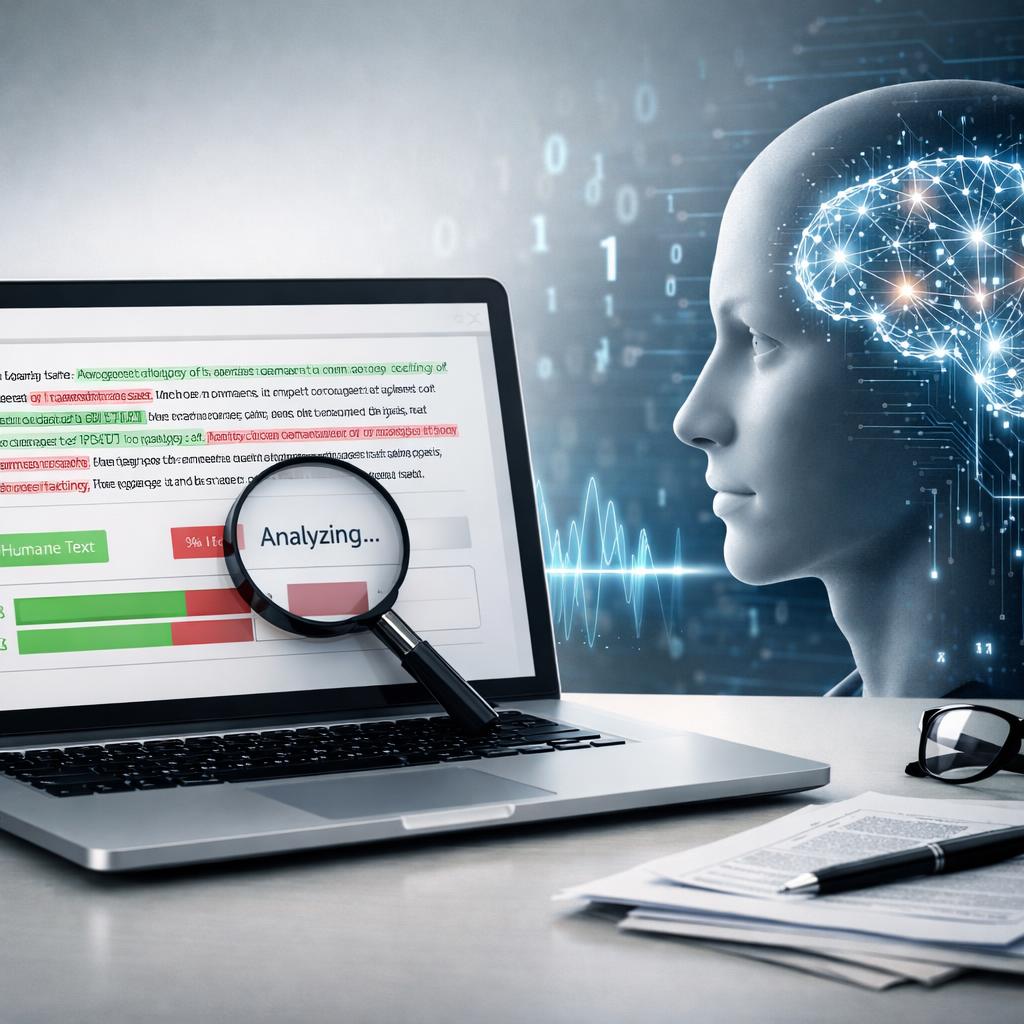
These tools can be useful for educators, editors, publishers, and content teams, but they need careful interpretation. A score alone cannot confirm authorship, intent, or misconduct. Before relying on any result, it helps to understand machine-generated content basics, what detector scores actually mean, and why human review should always be the final step.
What an smart detector is and what it is designed to do
A detector for machine-written text is built to flag writing that appears statistically similar to content produced by large language systems. It does not understand intent, originality, or authorship the way a person does. Instead, it evaluates style markers and predicts whether the text resembles patterns often seen in generated output. That is why these tools are usually best used as screening aids rather than final judges in academic, editorial, or compliance settings.
In practice, a text detection tool may be used to review essays, articles, marketing copy, product descriptions, or support documents. Some tools return a percentage score, while others use labels such as low, medium, or high likelihood. If you ask what do smart detector scores mean, the safest answer is that they reflect probability based on observable patterns, not certainty. That distinction matters because strong human writing can sometimes look formulaic, while edited machine-written text can sometimes appear more natural.
How smart detectors review text and produce a score
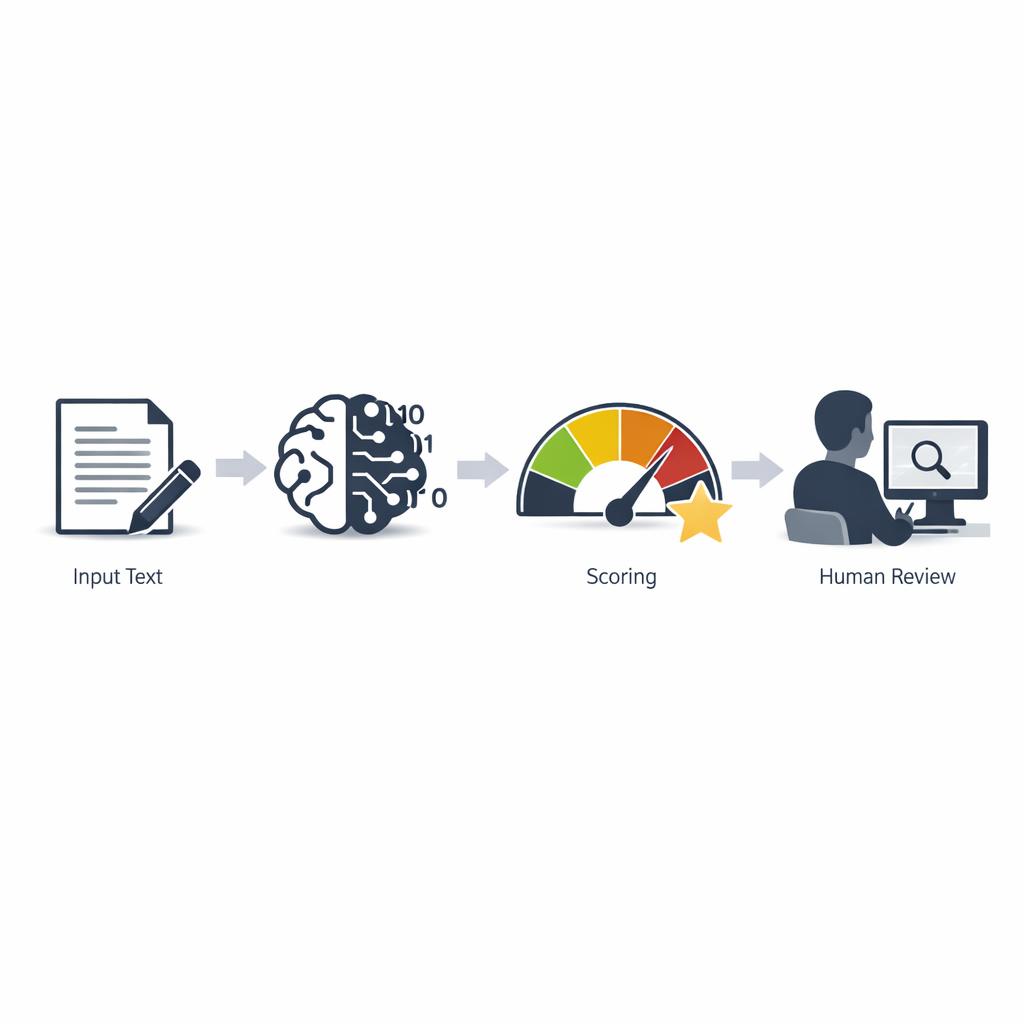
To understand how does an smart detector work, think of it as a pattern-review process. The tool takes input text, breaks it into smaller units, and examines features such as word predictability, sentence length, repetition, transitions, and overall consistency. It then compares those features with writing profiles associated with human and machine-written content. The output is usually a score, confidence range, or category that signals how closely the text matches one pattern or another.
Many systems also weigh context, including passage length, formatting, and whether the text appears heavily edited. Short samples are often harder to classify because there is less evidence to evaluate. That is one reason a detector should never be treated as a direct authorship test. No tool can reliably prove who wrote something just by scanning the words on a page.
Common signals these tools look for in writing patterns
Common clues include unusually even sentence structure, predictable vocabulary, repeated phrasing, smooth but generic transitions, and a lack of specific detail or personal perspective. Some detectors also look for low variation in rhythm or a polished tone that remains highly consistent from start to finish. None of these traits automatically means a passage is machine-written, but together they can influence a score.
This is also where misunderstandings happen. Skilled human writers can produce clean, structured prose that raises suspicion, while rough or heavily revised generated text may avoid detection. That is why are smart detectors accurate is such a common question. Accuracy depends on the tool, the length of the text, the amount of editing, the genre, and the threshold used to label a result.
When detection results are useful, limited, or misleading
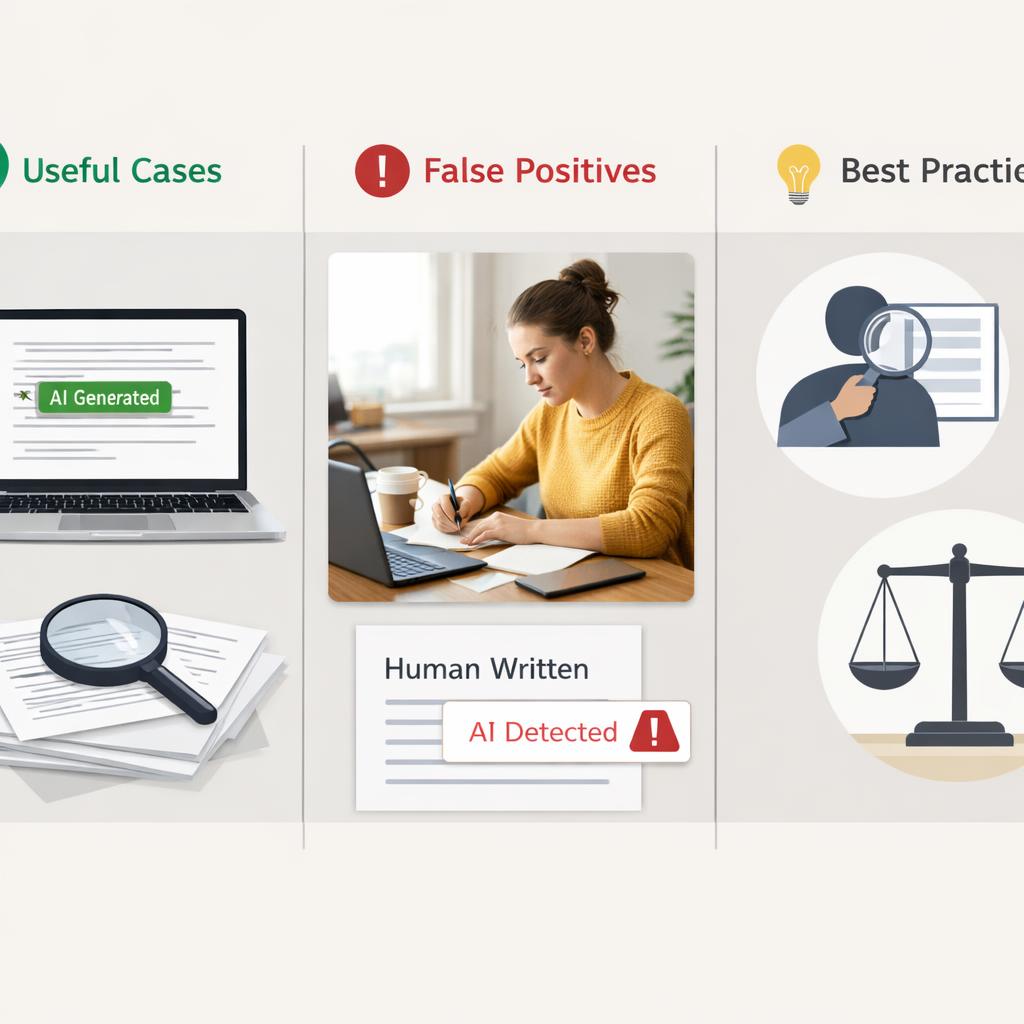
Detection results are most useful as an early warning sign. For example, an editor may use a score to decide whether a draft needs closer review, or a teacher may compare a flagged passage with a student’s earlier work. They are much less useful when used alone to make serious decisions. False positives can affect non-native English writers, highly structured academic prose, or content that follows a standard template. False negatives can happen when generated text is rewritten, shortened, combined with human edits, or tailored to sound less uniform.
If you want to know how to use an smart detector correctly, treat the output as one clue among several. Review the source, compare drafts, check citations, and consider the broader context before drawing conclusions. For a stronger editorial process, readers may also want practical guidance on how to review content quality. The goal is not to let a score make the decision, but to use it to guide a more careful review.

Conclusion
If you started with the question what is an smart detector and how does it work, the key takeaway is simple: it is a text evaluation tool that looks for patterns associated with machine-written content and returns an estimate, not a verdict. These tools can support screening, triage, and quality review, but they cannot establish authorship with certainty.
The best approach is balanced use. Read scores as indicators, consider the text type and length, and always include human judgment before making academic, editorial, or compliance decisions. When used carefully, detectors can be helpful. When treated as proof, they can be misleading. Understanding that difference is the most important part of using them responsibly.
FAQ
How accurate are smart detectors?
Accuracy varies widely by tool and by the kind of text being tested. Longer samples usually provide better signals, while short passages often lead to less reliable results. Editing can also change outcomes significantly. Because of this, scores should be treated as probabilities rather than hard facts.
Can smart detectors tell if text was fully written by a person?
No tool can confirm with certainty that a text was fully written by a person. It can only estimate whether the writing resembles patterns commonly linked to machine-generated output. Human review is still necessary before making any serious judgment.
Why do human-written passages sometimes get flagged?
Some human writing is formal, repetitive, or highly structured, especially in academic, legal, or business settings. That can resemble the patterns detectors look for. Writers who use templates, simple sentence forms, or consistent phrasing may also be flagged even when they wrote the content themselves.
Should schools or publishers rely on a score alone?
No. A score should never be the only basis for a penalty, rejection, or compliance action. The safer approach is to combine the result with draft history, source checks, writing samples, and direct human evaluation before making a decision.


