
If you are wondering should i check my college essay with an smart detector, the short answer is: maybe, but only as a limited final review step. A detector can sometimes show whether your draft has patterns that a screening tool might read as overly uniform, generic, or heavily processed. What it cannot do is tell you whether your essay is honest, personal, thoughtful, or right for a specific college. That is why a score should never be treated as a final judgment. For most applicants, the better question is how to review a college essay before submitting so it sounds specific, credible, and true to your own experience. If you want help refining voice first, read make your essay sound like you.
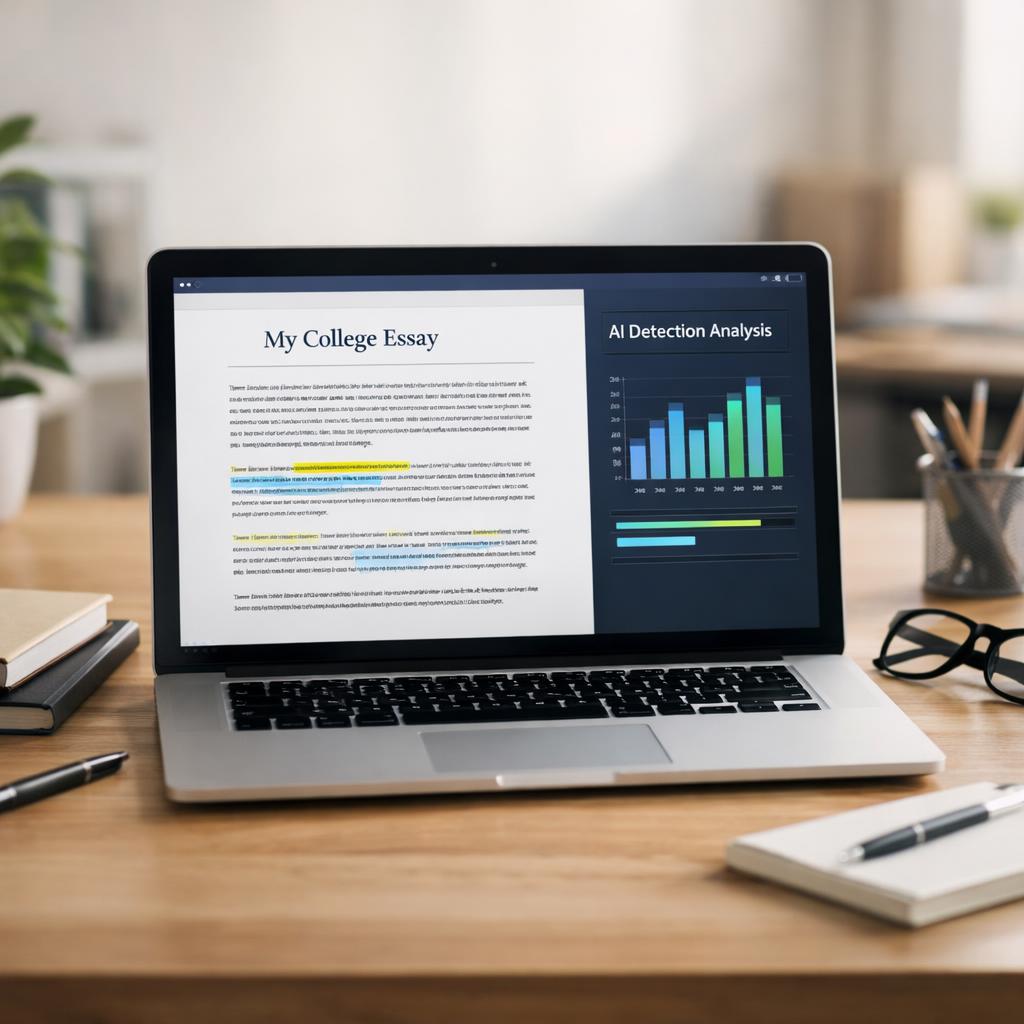
Used carefully, a detector may help you notice places where the essay sounds less natural after too many edits. Used carelessly, it can create unnecessary stress and push you to rewrite strong sentences just to chase a lower score. Colleges also vary in how they review writing, so always follow each school’s application and originality policies. Most important, detector scores are not proof of misconduct, and they should not outweigh your actual writing process.
What a detector can and cannot tell you before submission
A detector can offer a rough signal, not a verdict. If your essay relies on flat phrasing, repeated sentence structure, or broad claims with little personal detail, a screening tool may react strongly. In that limited sense, checking your draft can help you spot places where the writing feels distant from your real voice. Students who ask whether they should use a detector are often really asking whether the essay sounds human, specific, and believable. A detector cannot reliably answer all of that.
What it cannot tell you matters even more. It cannot verify your intent, your drafting process, or whether a teacher, counselor, or parent simply helped you polish wording. It also cannot predict exactly what an admissions reader will notice or care about. Are college essay detectors accurate? Not enough to be treated as proof. A score is best used as one small data point beside careful manual review, not as a reason to panic or throw out a thoughtful essay.
Why false flags happen with polished or heavily edited writing
Yes, detectors can wrongly flag college essays, and that happens more often than many students expect. Personal statements are usually revised several times for clarity, grammar, and flow. After those rounds of editing, your draft may sound cleaner, more formal, and more evenly structured than a first draft. A screening tool can mistake that polished style for suspicious writing patterns, especially if your essay avoids slang and uses concise, efficient sentences.
False flags also happen when essays lean on familiar admissions language such as “I learned the value of resilience” without enough concrete detail. That does not mean the writer did anything wrong. It usually means the draft sounds broad or conventional. Instead of changing strong lines just to satisfy a score, ask whether the essay includes vivid moments, specific people, and reflection that only you could provide. Those changes usually help real readers too.
When checking your essay may help and when it may create more stress
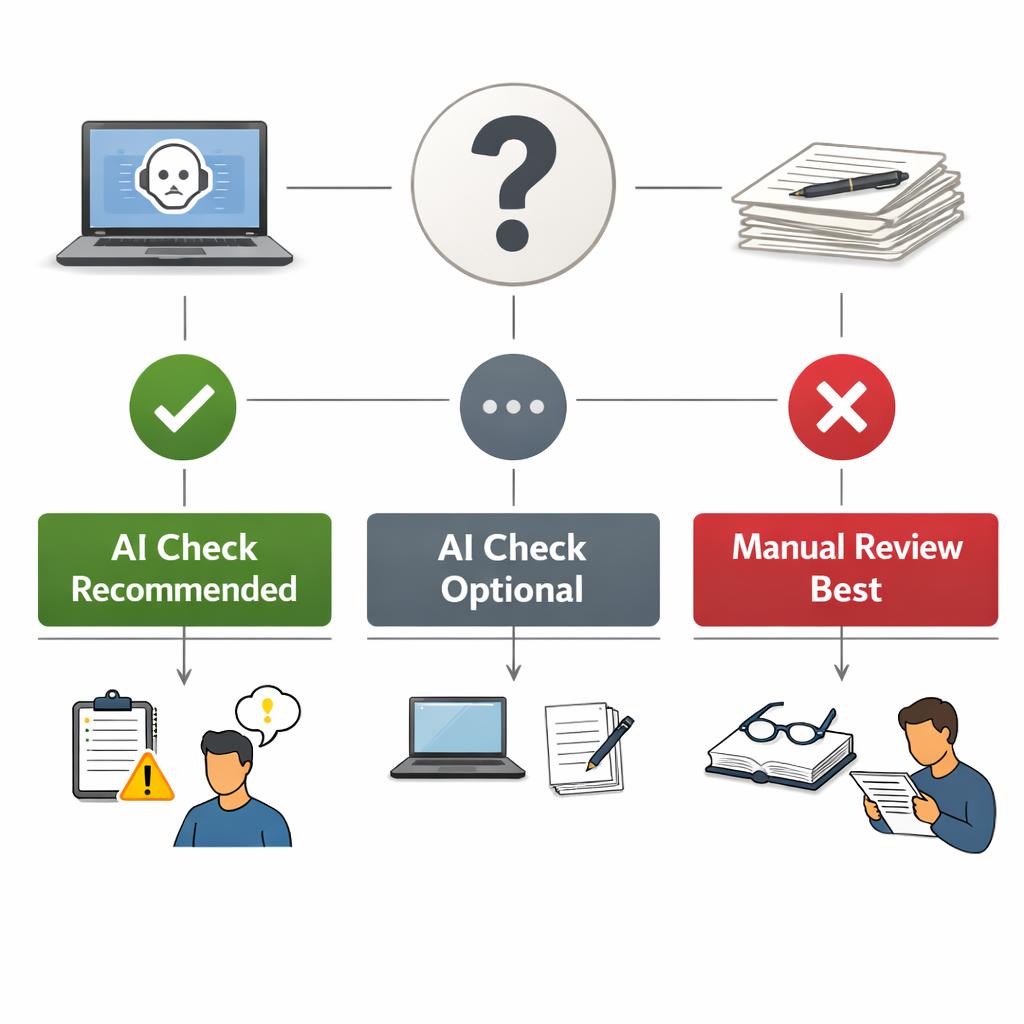
A detector check may help near the end of revision if you already have a solid draft and want one more signal before submission. It can be useful when your essay has been heavily edited by several people, when you combined material from multiple drafts, or when you worry the piece sounds too generic. In those situations, the result may prompt a smart reread rather than a full rewrite.
But for many applicants, repeated checks create more stress than value. A changing score can tempt you to keep adjusting sentences that are already clear and personal. If you find yourself revising mainly to please a tool, stop. Focus instead on whether the essay answers the prompt, reflects your perspective, and stays accurate to your experience. That is usually a far better use of time than obsessing over a percentage that may vary from one tool to another.
Questions to ask before revising based on a score
- Does this sentence sound like me when I write at my best?
- Am I removing clarity just to make the score change?
- Does the essay include specific moments, people, and details from my life?
- Did adult edits improve grammar but flatten my voice?
- Would a trusted reader say the draft feels honest and personal?
If your answers point to real authenticity problems, revise. If the only problem is the score itself, be careful. The goal is a strong college essay, not a perfect screening result.

A safer final review process for authenticity, clarity, and policy fit
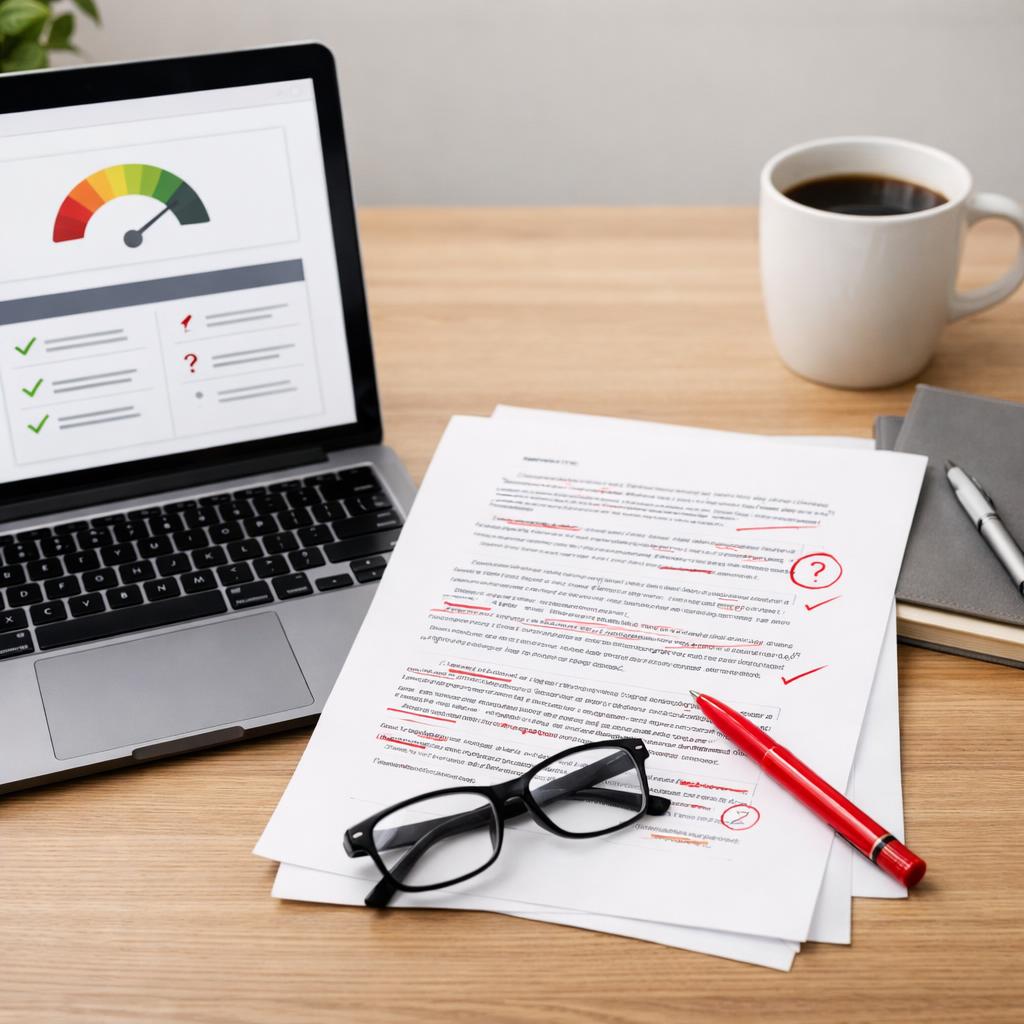
A safer process starts with manual review. Read the essay aloud once for voice, once for clarity, and once for accuracy. Check that the opening sounds like a real person, that each paragraph includes concrete detail, and that your conclusion offers genuine insight instead of a generic lesson. Then compare the draft against the college prompt and any school-specific originality guidance. If you want a practical companion resource, use this college essay proofreading checklist before you submit. For most students, that is a better answer to how to review a college essay before submitting.
If a school ever raises questions, your drafting history matters. Save outlines, earlier drafts, dated notes, and comments from teachers or counselors. Keep copies that show how the essay developed over time. That kind of record can help explain your process if concerns come up. It is also smart to note where you received feedback and how you revised. If you still choose to run a detector check, do it once near the end, treat the result cautiously, and remember that a score is never proof by itself.
Conclusion
So, should i check my college essay with an smart detector? You can, but only as a limited final check and never as the main test of whether your essay is ready to submit. A detector may highlight places that sound generic or overedited, yet it cannot judge honesty, context, or admissions fit. That is why students asking should i check my college essay with an smart detector should focus first on personal detail, clear storytelling, and each college’s published policies. If your essay sounds like you, answers the prompt, and is supported by your own draft history, you are in a much stronger position than any score alone could show.
FAQ
Can a college essay be wrongly flagged by a detector?
Yes. Polished writing, common admissions phrasing, and heavy editing from teachers or family can all lead to false flags. A result like that does not prove anything on its own.
Will colleges automatically reject essays based on detector scores?
Usually not. Schools use their own review practices, and a screening result alone should not be treated as automatic proof of wrongdoing. Always follow each college’s published application and originality rules.
Should I change good writing just because a detector gives a high score?
No. Revise only if the score points you toward a real writing issue, such as vague language, generic statements, or loss of personal voice. Do not weaken clear, effective sentences only to chase a different result.
What is the best final step before submitting my essay?
Read it aloud, confirm it answers the prompt, verify facts and details, and ask a trusted reader whether it sounds like you. That process is usually more reliable than repeated detector checks.


