

If you are searching for how to respond to an smart detector false positive in college, start with one key point: a flagged paper is not automatic proof of misconduct. In many colleges, these screening tools are only one piece of information, and instructors are still expected to review the assignment, your sources, and the surrounding context before making a decision.

Your job is to respond calmly, quickly, and with evidence. That usually means showing how your paper developed from notes to outline to draft to final submission. Save anything that documents your work, including revision history, source records, assignment instructions, and messages from your professor. If you need help pulling that together, review how to prove your writing process. Students who stay organized and follow the school’s academic integrity process are often in the best position to clear up a false flag.
What to Do Right Away After You Are Flagged
Pause, review the claim, and save your proof
Do not reply in anger, and do not delete anything. Read the professor’s message closely, note any response deadline, and save copies of the submitted paper, course prompt, grading rubric, and related emails. If the concern appears in a course platform, take screenshots. A measured first step helps keep the issue focused on facts rather than emotion.
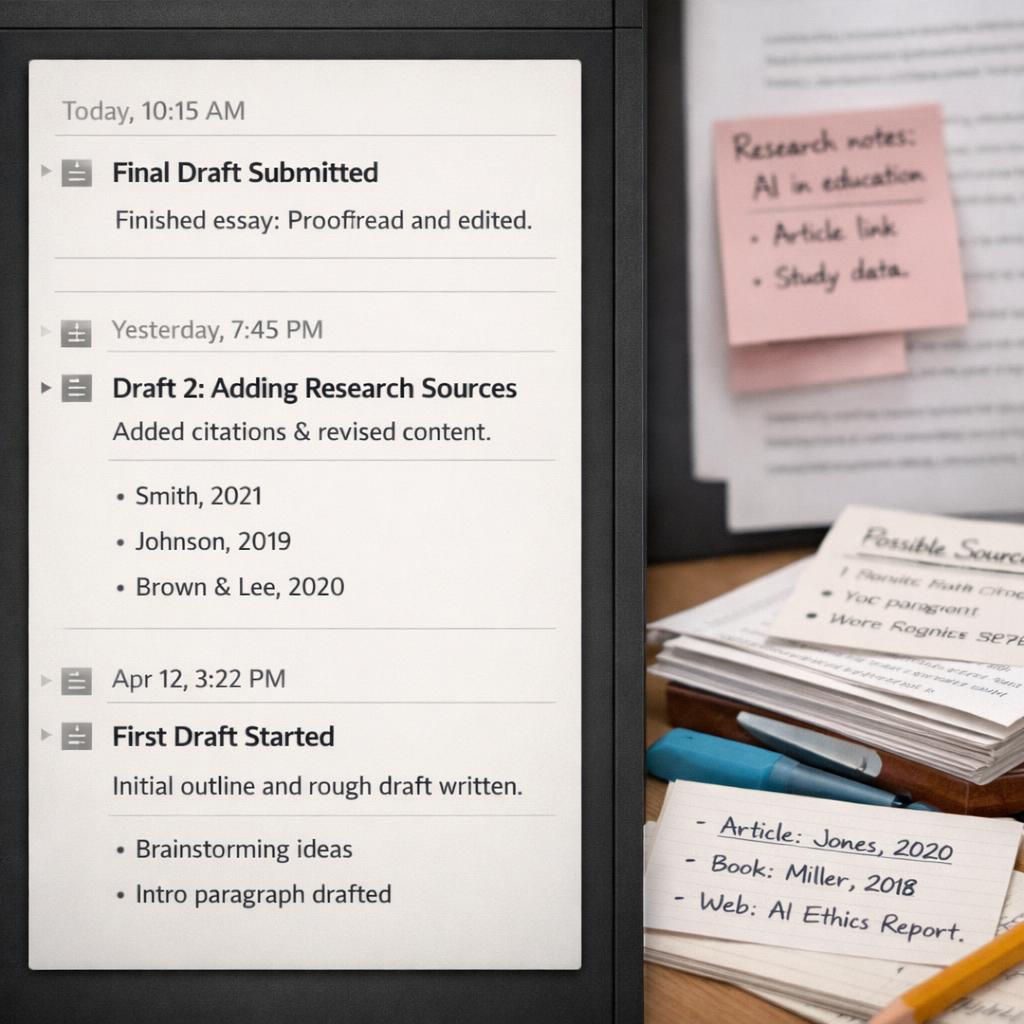
Next, build a basic timeline of your writing process. List when you picked the topic, made an outline, drafted key sections, revised your argument, and added citations. This matters because evidence to prove you wrote your own essay is strongest when it shows normal progress over time. If you used Google Docs or Word, export version history or screenshots that show edits on different dates. Also save research notes, library searches, bookmarked sources, and citation manager entries. Those details can connect the final paper to your actual study habits and make your explanation more credible.
It also helps to review the exact wording of the accusation. Was the concern about originality, tone, or a detector score? Ask for clarification if needed. You are not admitting fault by asking questions. You are simply making sure you understand what needs to be addressed before you respond.
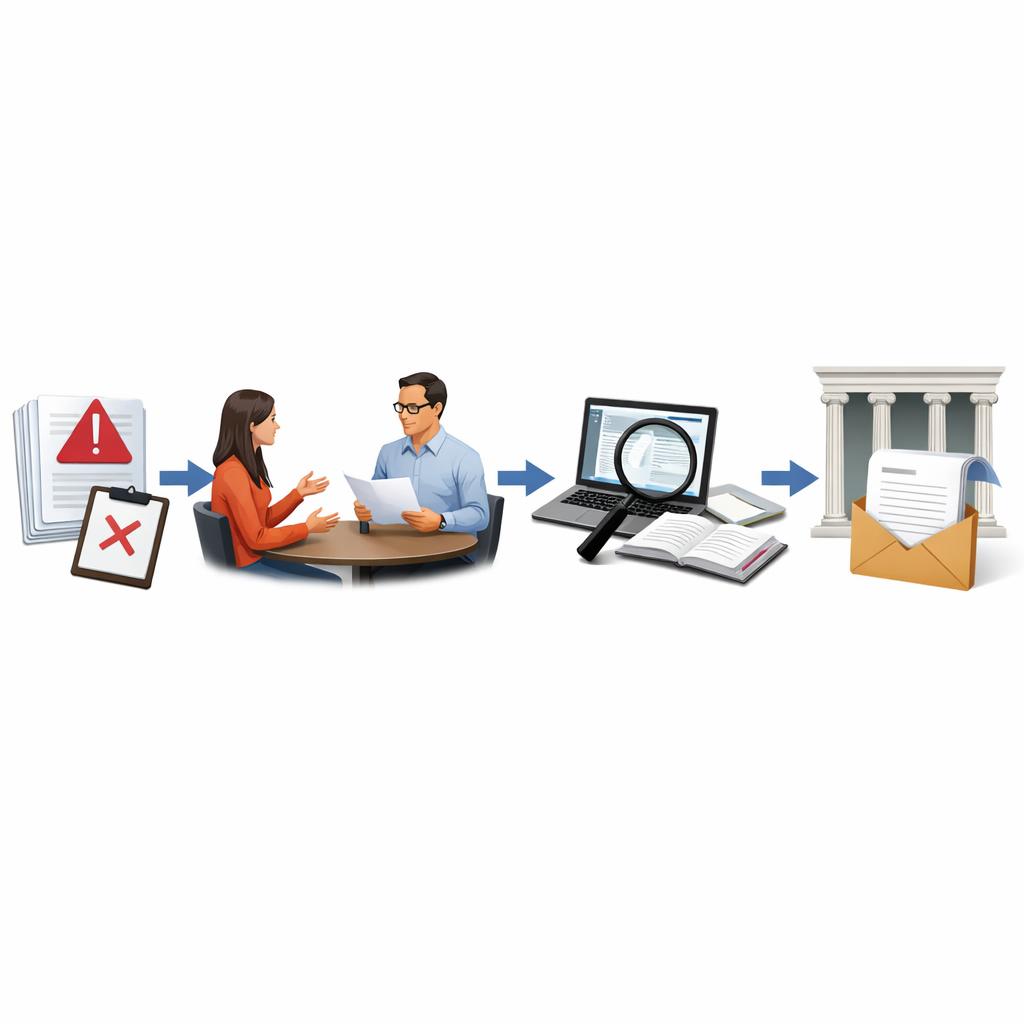
How to Build a Clear, Credible Response
Use drafts, revision history, notes, and citations to support your case
Your response should be respectful, specific, and easy to review. State that you wrote the assignment yourself, that you take the concern seriously, and that you would like the paper reviewed alongside your supporting materials. Then present your evidence in a clear order: earliest notes, outline, first draft, later drafts, revision timestamps, source list, and any writing center or peer feedback. This is one of the most effective ways to answer how to appeal a detector result at college without sounding defensive.
Keep the tone professional. Avoid broad claims like “these tools never work.” Instead, explain what you can verify. For example, you might note that the attached drafts show your thesis changing over time, your citations being added during revision, and your wording becoming more polished after feedback. Concrete details are more persuasive than general complaints.
If you are not sure how to frame that message, see sample appeal email for a flagged assignment. In serious cases, ask for a meeting as well. A short email creates a written record and shows you responded on time, while a meeting gives you space to walk through your work step by step. If you meet with your professor, bring your materials in order and be ready to explain how the paper developed. Showing your outline beside the final draft can be especially useful because it makes your thinking process visible.
It may also help to point out anything unusual that affected your writing style. For instance, if you used detailed lab notes, translated ideas from another language, or revised heavily with help from a tutor, say so. Those factors can make a paper look different from earlier work, but they do not mean the work is dishonest. The goal is not to over-explain every sentence. It is to show a reasonable, documented path from your initial idea to the version you submitted.
How to Escalate Respectfully if the Issue Is Not Resolved
Follow course policy, department process, and student conduct procedures
If your professor is not satisfied after reviewing your evidence, move to the next step listed in the syllabus, department handbook, or student conduct policy. Depending on your college, that might mean contacting a course coordinator, department chair, dean of students, or academic integrity office. Keep your message focused on process and documentation, not personal accusations. The strongest escalation usually explains what happened, what evidence you already provided, and what review you are requesting under school policy.
When you escalate, organize everything into one clean file or folder: assignment prompt, submitted paper, detector report if available, draft history, notes, source records, and the email chain. Add a short timeline at the front so a reviewer can understand the sequence quickly. If you need a practical checklist, review academic integrity appeal steps. Many schools give students the right to notice, a chance to respond, and an appeal path, but deadlines can be short, so act promptly.
If a zero has already been entered or a misconduct notice has been issued, do not assume the matter is final. Check the handbook right away and follow the listed appeal steps exactly. Submit only relevant evidence, label files clearly, and keep copies of everything. This article is informational, not legal advice, and your school’s written policy should guide your next move.

Conclusion
Knowing how to respond to an smart detector false positive in college can make a stressful situation feel much more manageable. The most practical approach is simple: pause, save your evidence, respond clearly, and follow the official process if the issue continues. A screening result should be treated as a starting point for review, not a final judgment.
When you can show drafts, revision history, notes, and citation work, you give your professor or appeal reviewer a fuller and more accurate picture of how the assignment was written. If this is happening to you now, act quickly but stay professional. A calm, well-documented response is often your strongest tool for protecting your academic standing.
FAQ
What evidence should I show if my paper is falsely flagged?
Show anything that documents your writing process over time: outlines, rough drafts, version history, cloud timestamps, handwritten notes, research logs, citation manager records, and feedback from a writing center or classmate. The best evidence usually connects your topic choice, research, drafting, and revision in a clear timeline.
Should I email my professor or ask for a meeting first?
Usually, send a short email first so you respond promptly and create a written record. In that message, ask for a meeting to review your evidence together. That combination is often the clearest and least confrontational way to address a disputed result.
What should I avoid saying when I challenge the result?
Avoid angry language, personal attacks, or vague statements like “the detector is always wrong.” Focus on facts instead: your drafts, your notes, your sources, and your willingness to follow course policy. A steady tone makes it easier for the reviewer to focus on your evidence.
Can I appeal if I already received a zero or misconduct notice?
In many colleges, yes, but deadlines may be short. Check your syllabus, department rules, and student handbook immediately. If a formal notice was issued, follow the listed appeal steps exactly and submit your evidence in an organized packet with dates, documents, and a concise explanation.


