
If you want a free smart checker for blog posts before publishing, you probably want one thing: a cleaner draft before it goes live. The right checker helps you catch awkward wording, repeated ideas, grammar mistakes, weak flow, and possible originality concerns without adding a long editing delay. For bloggers and small teams, that matters because every extra step can slow publishing.

The most useful setup is simple. Use a free checker near the end of your workflow, then do a short human review to confirm tone, accuracy, and audience fit. That combination helps you polish a post quickly while keeping your judgment in the process. If you already follow a pre-publish blog checklist, adding a final checker can make approvals easier and reduce avoidable errors.
What a free pre-publish checker should review
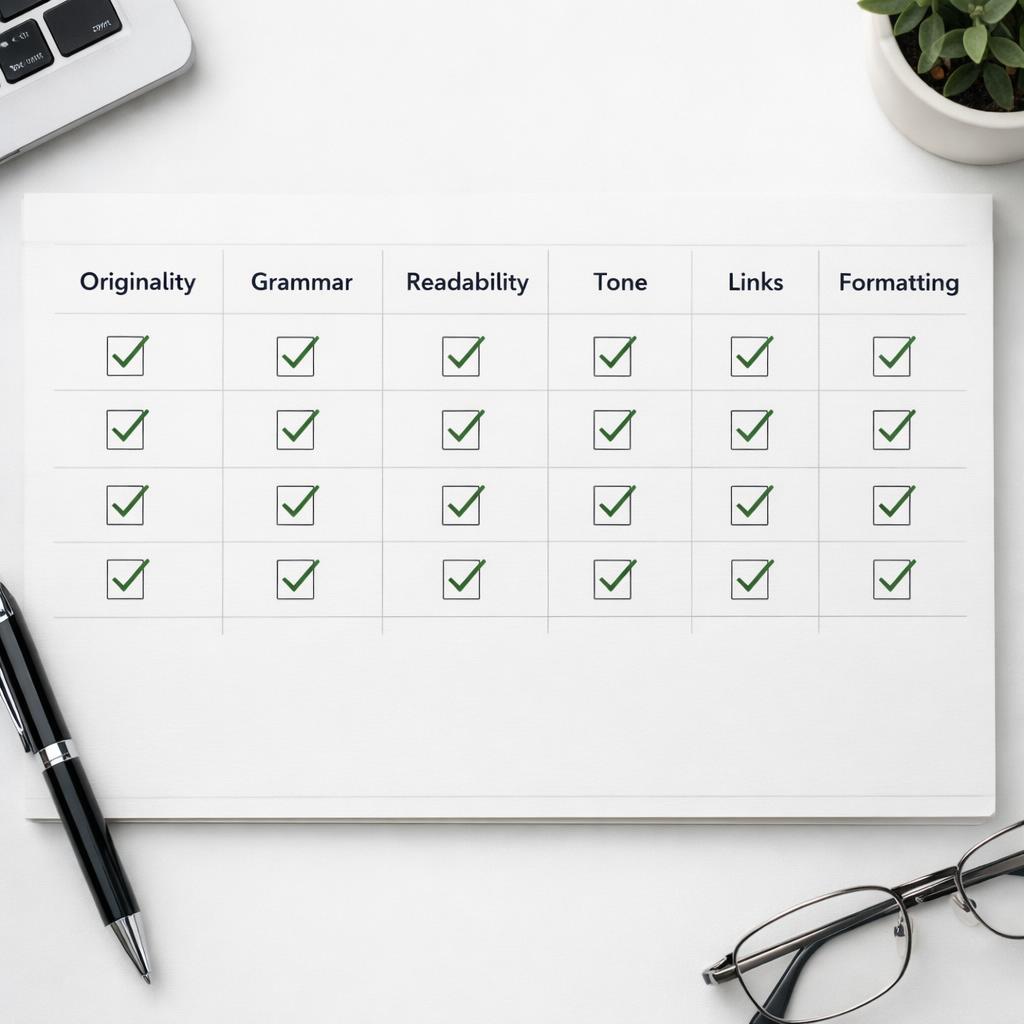
A solid free checker should focus on issues that affect quality after publication. That usually means grammar, spelling, sentence clarity, readability, tone consistency, formatting, link quality, and originality signals. It should also help you notice vague headings, repeated keywords, and sections that do not answer the reader’s question clearly. For content teams, these checks create a repeatable standard before a post moves to final approval.
Core checks: originality, clarity, grammar, and tone
Originality checks can point out wording that feels generic or too close to common source material. Clarity checks help surface sentences that are dense, vague, or harder to read than they need to be. Grammar and punctuation review fix the small mistakes that can make a post feel rushed. Tone review is just as important because even a technically correct article can miss the mark if it sounds off-brand or too stiff for the audience.
Readability deserves extra attention, especially for mobile readers. Short paragraphs, clear subheads, and direct sentences make a post easier to scan and understand. If your draft feels heavy, it can help to review a guide on how to improve blog readability before publishing.
- Originality: Spot overused phrases and sections that need fresher wording.
- Clarity: Cut filler, repetition, and overly long sentences.
- Grammar: Fix spelling, punctuation, and tense issues.
- Tone: Keep the voice consistent with your readers and brand.
How to review blog posts before publishing without slowing your workflow
The fastest time to run checks is when the draft is nearly final. If you do it too early, you may end up fixing the same issues more than once after structural edits. For solo bloggers, a short review can take less than ten minutes. For teams, it can serve as a clean handoff between writer and editor. The goal is not to inspect every sentence forever. It is to catch the highest-impact issues before scheduling.
A simple 5-step pre-publish checklist for faster approvals
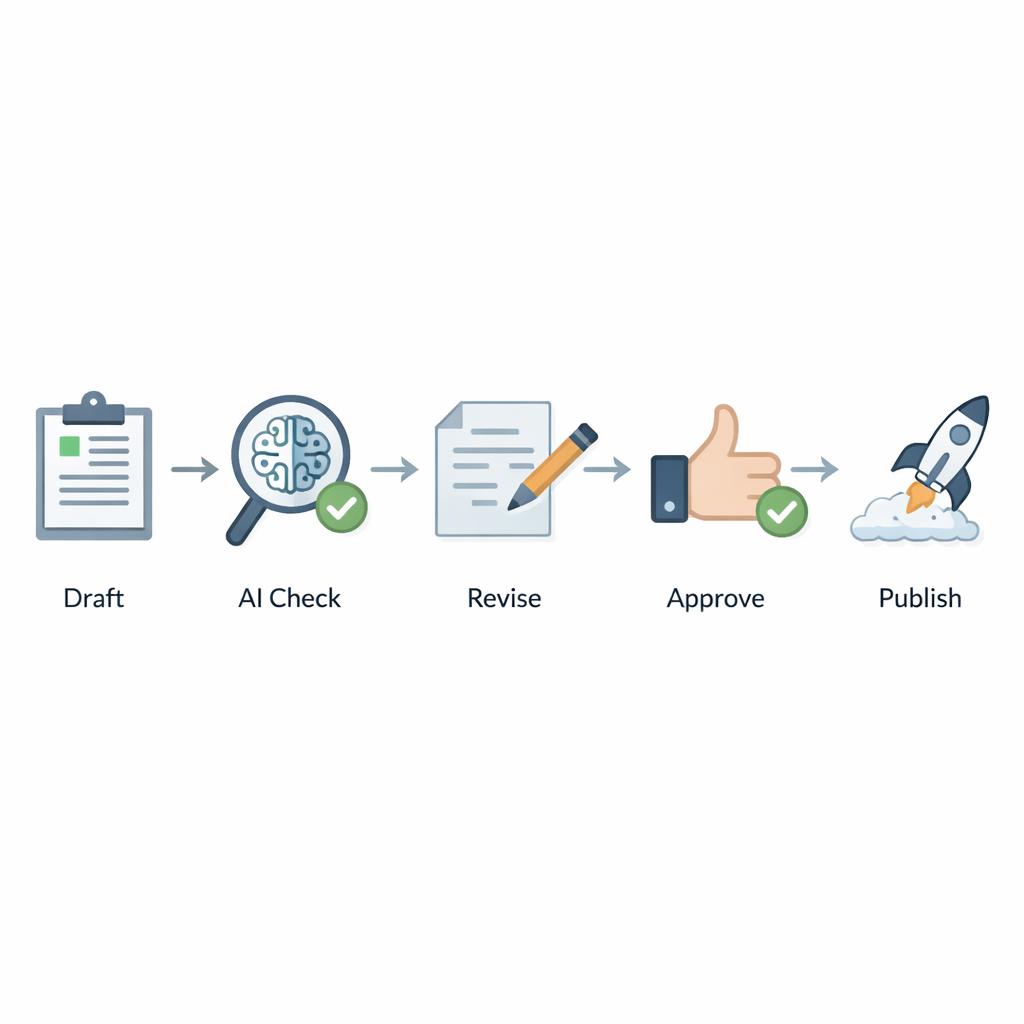
Start with the title and introduction. Make sure they match search intent and clearly tell readers what the post will deliver. Next, scan for grammar problems, awkward phrasing, and sentences that slow the reader down. Then review originality warnings and rewrite any sections that sound generic or too familiar. After that, test links, headings, and formatting so the article is easy to scan. Finish with one human read-through for tone, accuracy, and context.
This workflow works well because it keeps the checker in a support role. It helps you move faster, but it does not replace editorial judgment. If you want a practical routine, use the tool once, fix the strongest warnings, and then approve the post with a final manual pass.
- Step 1: Confirm the title, keyword focus, and reader intent.
- Step 2: Fix grammar, spelling, and sentence flow.
- Step 3: Review originality warnings and rewrite weak passages.
- Step 4: Check links, headings, formatting, and images.
- Step 5: Do a final human review before publishing.
Conclusion
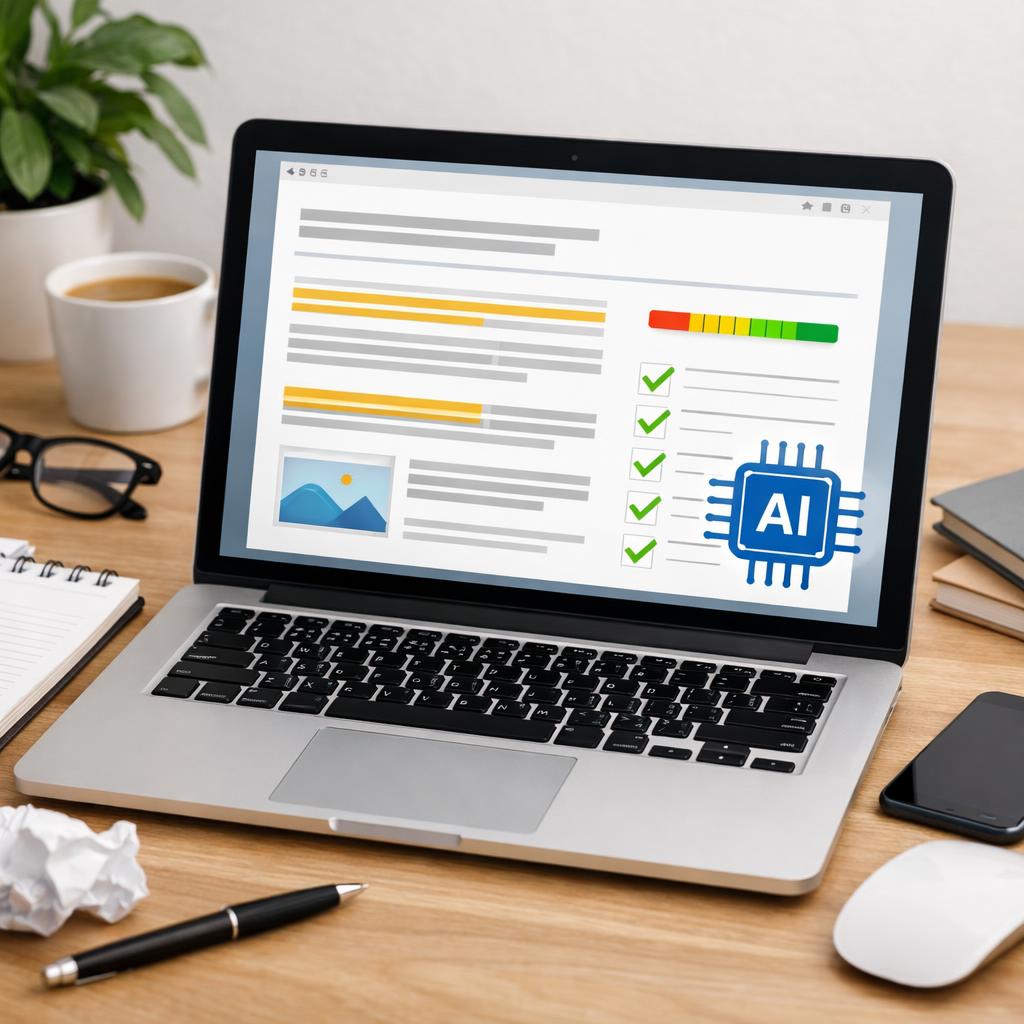
Using a free smart checker for blog posts before publishing is a practical way to improve draft quality without making your workflow harder. A good checker can help you spot grammar slips, repetitive phrasing, readability problems, weak links, and formatting issues before readers ever see them. When you pair those checks with a quick manual review, you get a process that is both efficient and more reliable.
For bloggers, freelancers, and lean editorial teams, consistency is the real benefit. A free checker gives you a repeatable way to review each post before it goes live, while human review protects nuance, accuracy, and brand voice. For higher-stakes articles, it is smart to add a stronger editorial review process. For everyday publishing, though, a lightweight checker plus a short checklist is often enough to prevent the most common mistakes.
FAQ
What should I check in a blog post before publishing?
Review the headline, intro, keyword fit, readability, grammar, spelling, links, formatting, tone, and originality. Make sure the article answers the main search intent quickly and is easy to read on mobile. A final manual read is still important for context and accuracy.
Are free blog post checkers accurate enough for publishing?
They are helpful for finding common issues, but they are not perfect. They can misread brand names, technical terms, quotations, and tone. For routine blog content, they are often good enough for a final polish, but important posts still benefit from human review.
Can a free checker help improve readability?
Yes. Many checkers highlight long sentences, repeated words, unclear phrasing, and formatting issues that hurt scannability. That makes them useful for bloggers who want cleaner structure and easier reading before a post goes live.
How often should I use a checker in my publishing process?
Use it when the draft is close to final, after major revisions are done. Running checks too early can create extra work because you may need to fix the same areas again later. In most cases, one final pre-publish pass is the most efficient approach.


