
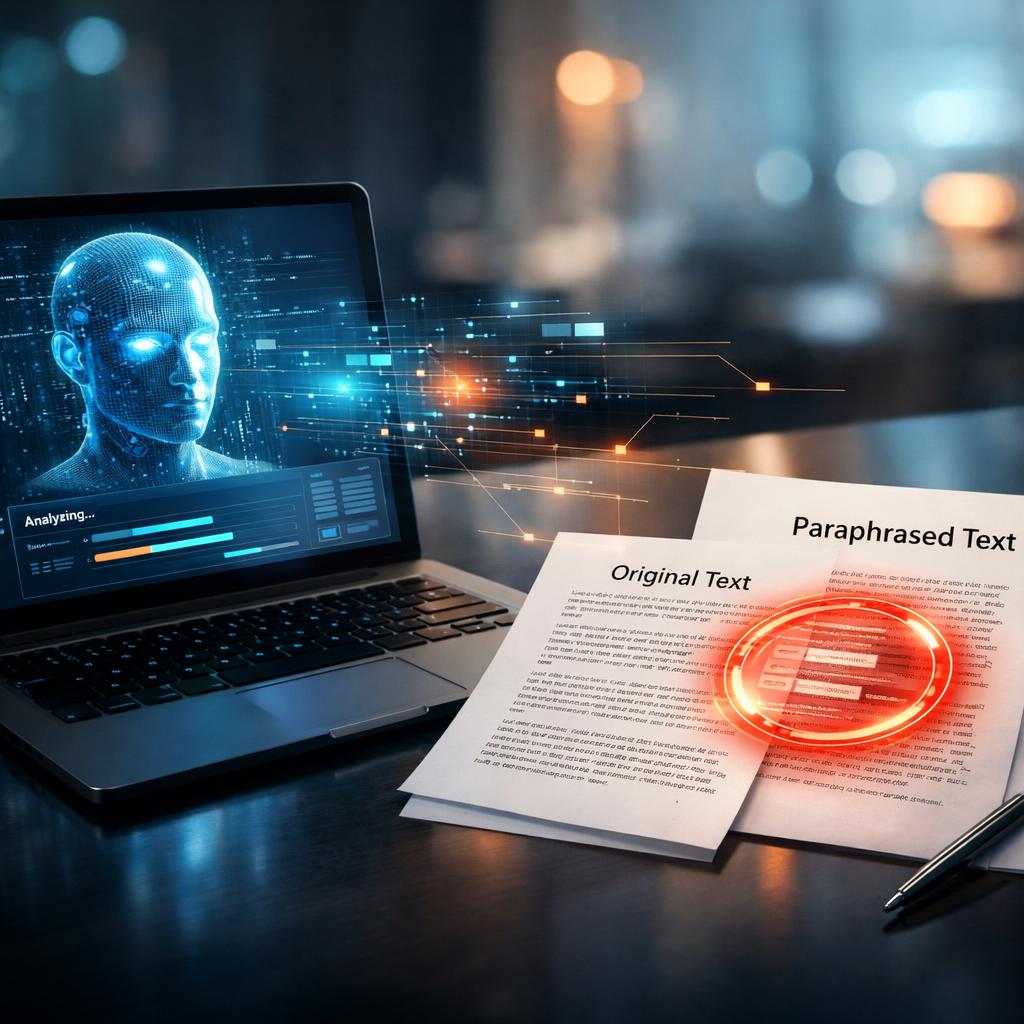
Yes, detectors can sometimes identify paraphrased ChatGPT text, but the results are uneven and should never be treated as proof by themselves. Rewriting changes many of the language cues these tools look for, so one passage may be flagged while another slips through. If you are asking can detectors detect paraphrased text, the most accurate short answer is this: they can offer a probability signal, not a final verdict. That distinction matters for students, teachers, editors, publishers, and content teams that need a fair way to review questionable copy.
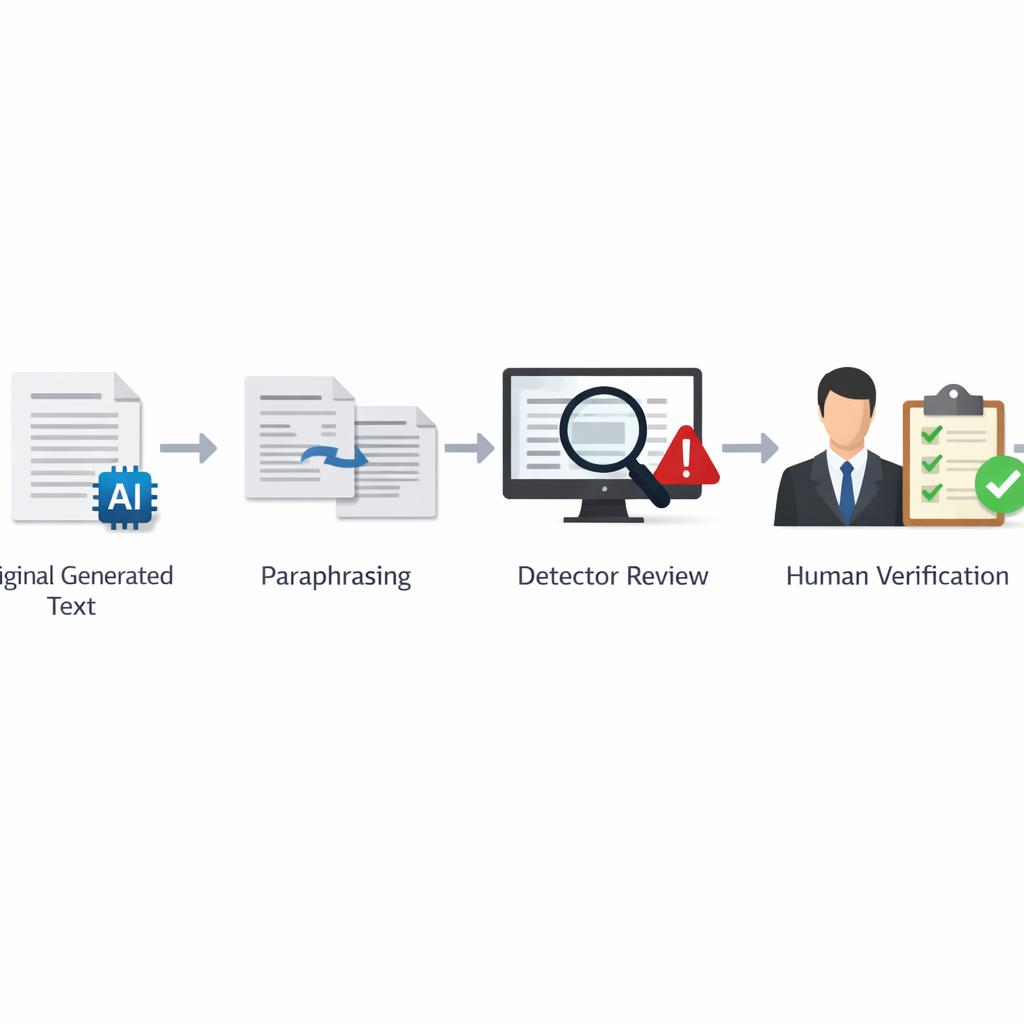
This article explains what changes when generated text is paraphrased, why some checks still catch it, and where false positives can create real problems. It also outlines a more responsible way to review flagged writing before making academic, editorial, or policy decisions.
How well detectors identify paraphrased ChatGPT text
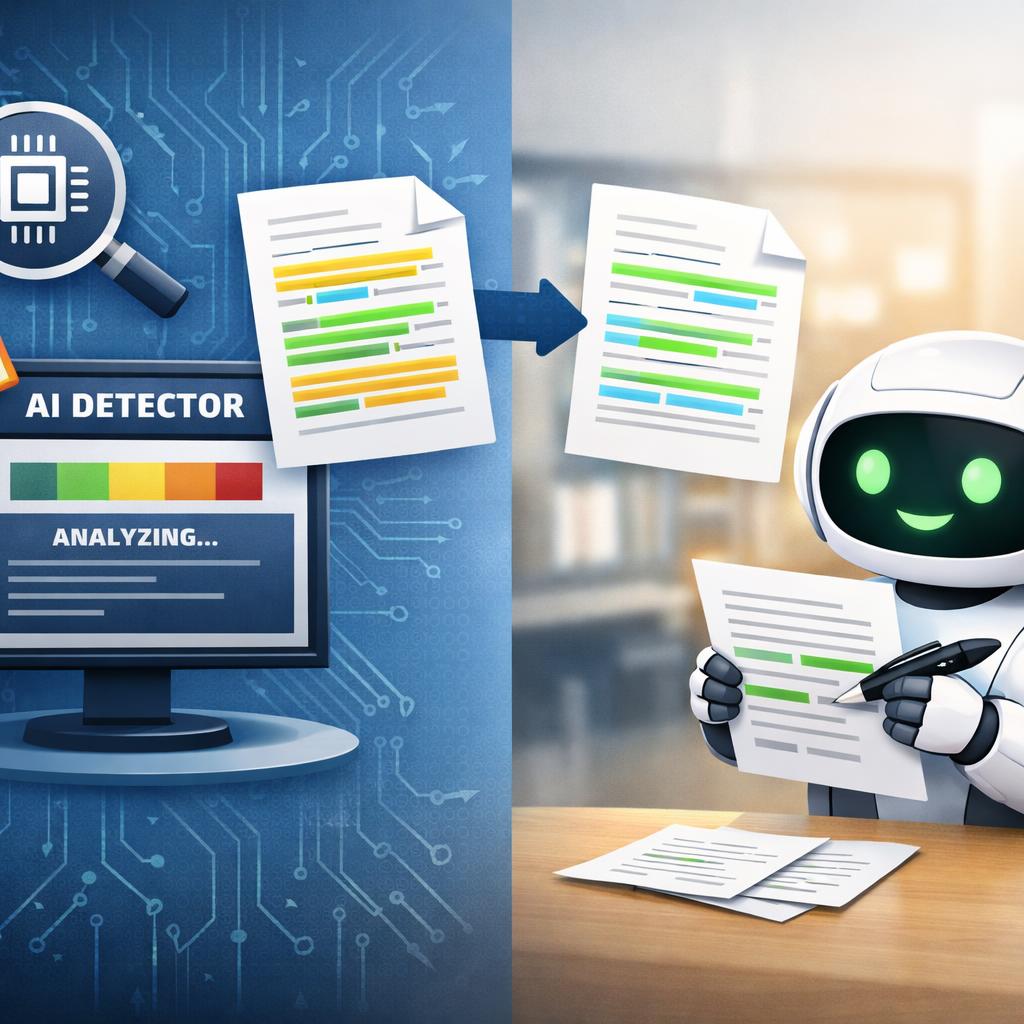
Detectors usually perform better on lightly edited machine-written text than on deeply revised text. If someone keeps the same sentence order, familiar transitions, repeated phrasing, and overall rhythm, a tool may still notice patterns linked to generated output. That is why some reviewers see detectors catch rewritten ChatGPT content when the paraphrasing is shallow rather than meaningful.
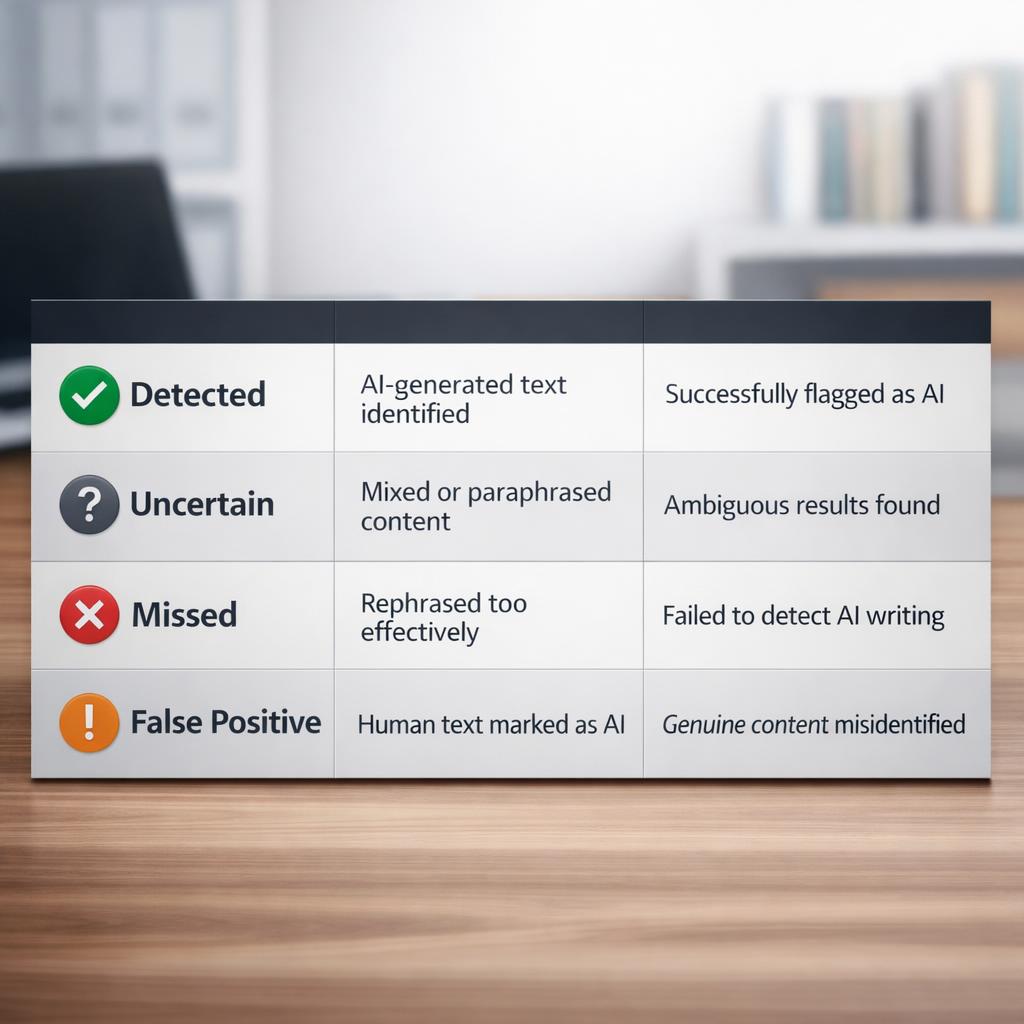
Accuracy drops when the rewrite changes vocabulary, sentence length, structure, tone, and emphasis. In real use, the same passage can receive different scores across platforms because each tool weighs language signals differently. So when people ask whether detectors can detect paraphrased ChatGPT text accurately, the honest answer is only sometimes. A tool may flag a suspicious pattern, return an uncertain score, miss it completely, or wrongly label original human writing.
Why paraphrasing changes the signals detectors rely on
Most detectors look for traits such as predictability, repetition, steady syntax, and a highly uniform flow. Paraphrasing disrupts those traits. A rewritten passage may swap common wording for more specific phrasing, vary sentence openings, remove stock transitions, and add examples or personal context. Even modest edits can weaken the consistency many tools depend on.
That helps explain why paraphrased ChatGPT text sometimes passes detection. The tool is not reading intent or authorship directly. It is comparing surface features of language and estimating likelihood. Once those features change enough, confidence often falls. This is also why strong human revision can make generated text much harder to separate from ordinary edited prose.
What affects accuracy, false positives, and missed detections
Several factors shape the result: how much rewriting was done, the quality of the original draft, the topic, and the style expected in that field. Short samples are harder to judge because there is less text to analyze. Technical or academic writing can also confuse detectors because direct wording and repeated terms may appear more uniform than conversational or narrative writing. These limits make broad claims about certainty unreliable.
False positives matter just as much as missed detections. Human writers can be flagged because they write clearly, summarize efficiently, or use standard academic phrasing. On the other side, missed detections happen when machine-written text has been heavily revised, blended with human drafting, or adapted to match a specific voice. That is why no score should be used on its own for discipline, rejection, or misconduct claims. Detector output works best as one review signal among several.
How editing depth and human revision change results
Light editing often means changing a few words, trimming sentences, or adjusting punctuation. That kind of revision may leave enough of the original structure behind for a detector to respond. Deeper editing changes the order of ideas, sentence patterns, emphasis, examples, and overall voice. Those changes can lower confidence scores or produce mixed outcomes across tools.
Human revision also adds features that make text look less standardized. A writer may include lived experience, subject knowledge, uneven sentence lengths, or sharper opinions. Those details create natural variation, which can make a passage appear more human even if it started from an automated draft. This is one reason detector results become less dependable as revision gets more substantial.
Conclusion
So, can smart detectors detect paraphrased chatgpt text? Sometimes, yes, but not consistently enough to treat the result as proof. Lightly rewritten text may still be caught, while heavily revised text may be missed. At the same time, original human writing can trigger false alarms. The core limitation is simple: detectors estimate probability from language patterns rather than confirming who wrote a passage.
For educators, editors, and content teams, the practical takeaway is to use detector scores carefully and review context before acting. Check revision history, source notes, citations, and whether the writer can explain the material clearly in their own words. It also helps to compare style across sections and review how to interpret detector results before making a decision. Detectors can support a review process, but they should not replace human judgment.
FAQ
Can paraphrasing ChatGPT text make it undetectable?
It can make detection harder, but not always impossible. A shallow rewrite may still keep enough of the original structure and phrasing for a detector to notice. A deeper revision, especially one that changes organization, tone, and examples, can lower confidence or avoid detection entirely. Results depend on both the tool and the extent of the rewrite.
Why do detectors flag human writing as machine-generated?
This often happens when human writing is very predictable, polished, or formulaic. Academic, technical, and business writing can share some of the same traits detectors associate with generated text, such as clear structure and repeated terminology. Because of that overlap, false positives are possible even when the work is fully original.
Do detectors catch rewritten ChatGPT content better in longer samples?
Often, yes. Longer samples give detectors more patterns to compare, which can make results seem more stable. Still, a longer passage does not guarantee accuracy. If the text has been substantially revised by a person, the added variation can still reduce the tool’s confidence or lead to inconsistent scores.


