

Finding the best smart humanizer for essays and reflection papers usually comes down to one practical goal: making stiff, mechanical writing sound natural without changing what you mean. Students, tutors, academic writers, and non-native English speakers often want help with tone, flow, and readability, but they still need the final draft to stay accurate and appropriate for class. The most useful tools are not the ones that completely remake a paragraph. They are the ones that preserve your ideas, improve clarity, and let your own voice come through. If you also want to improve essay clarity and flow, it helps to know what separates a helpful humanizer from one that simply rewrites too much.

This guide takes a brand-neutral approach. Instead of listing competitors, it shows how to evaluate options based on natural tone, structure, meaning retention, grammar control, and academic fit. That makes it easier to choose a tool for college essays, reflection papers, and similar assignments where credibility matters.
What Makes a Humanizer Good for Essays and Reflection Papers
Key traits to look for: natural tone, structure, and meaning retention
A strong humanizer for academic writing should make your draft easier to read without flattening your ideas or filling the page with vague wording. The first thing to check is whether the result sounds natural for the assignment. Essays usually need clear topic sentences, direct claims, and smooth transitions. Reflection papers often need a more personal rhythm, but they still have to sound thoughtful and organized. If a tool makes every sentence feel generic, it may weaken the paper instead of improving it.
Meaning retention matters just as much as readability. The best humanizer for college essays should keep your argument, evidence, and intended tone intact. It should preserve structure, protect key terms, and avoid shifting your position. Good options also fix awkward phrasing and grammar problems while keeping your style recognizable. A simple comparison checklist can help: tone naturalness, readability, meaning retention, grammar quality, and academic fit. If a humanizer performs well in all five areas, it is far more likely to support essays and reflection papers responsibly.
It is also worth checking how the tool handles detail. In academic writing, small wording changes can alter a claim, weaken evidence, or make a personal reflection sound less sincere. A useful humanizer should smooth language, not blur meaning. The closer the revised text stays to your original purpose, the more reliable it is for classwork.

How to Choose the Best Option for Your Writing Goals
When you need academic clarity versus a more personal reflective voice
The right choice depends on the kind of assignment you are writing. For analytical or research-based essays, prioritize clarity, precision, and paragraph flow. In that setting, the best smart humanizer for essays and reflection papers should strengthen topic sentences, improve transitions, and reduce robotic phrasing without making your claims broader or less specific. This matters even more when you are working with complex academic material and need to humanize an essay without changing meaning.
Reflection papers call for a slightly different balance. You may want a tool that keeps emotional nuance, first-person voice, and personal insight while still sounding polished. If the output becomes too formal, your reflection can lose authenticity. If it becomes too casual, it may feel underdeveloped. One practical test is to run one reflective paragraph and one analytical paragraph through the same tool, then compare how well each version preserves purpose and voice. That side-by-side check often reveals whether the tool can handle both academic clarity and a more personal style. For more help with that process, you can write stronger reflection papers by combining careful revision with the right text rewriter.
You should also think about how much editing you want to do afterward. Some tools make light improvements that save time during final polishing. Others produce heavier rewrites that require closer review. If you want consistency with your original draft, a lighter-touch option is often safer for school assignments.
Best Practices for Using a Humanizer Responsibly in Academic Writing
Editing tips to keep your paper authentic, accurate, and submission-ready
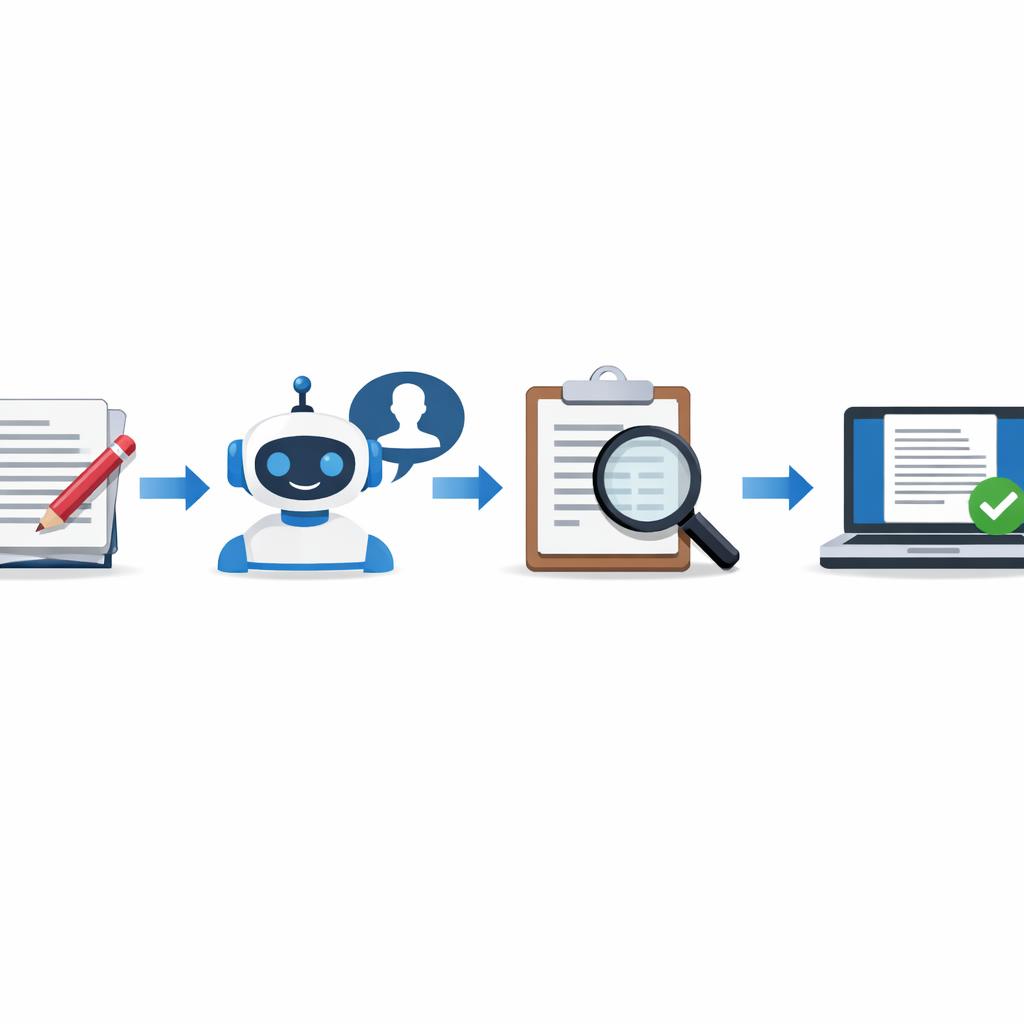
Use a humanizer as a revision aid, not as a replacement for your own judgment. A simple workflow usually works best: write your ideas clearly, humanize only selected sections, review every change, and then finalize the paper in your own voice. This process helps you catch subtle meaning shifts, over-smoothed phrases, or wording that no longer fits the assignment. It also keeps the paper grounded in your actual thinking rather than generic sentence patterns.
Before you submit, read the revised draft aloud and check four areas: accuracy, tone, consistency, and evidence. Make sure your examples still support the same point, your terminology remains precise, and your personal reflections still sound like you. If a sentence feels polished but vague, rewrite it manually. If a paragraph sounds too uniform, bring back some of your natural rhythm. The best results usually come from combining a humanizer for academic writing with careful final editing by the writer.
It also helps to revise one paragraph at a time instead of processing the entire paper at once. That makes it easier to compare the original and revised versions and spot where a claim has become softer, a detail has disappeared, or a reflection sounds less personal. Instructors usually value clarity and authenticity more than flashy wording, so your last review should focus on whether the paper still feels honest, specific, and academically appropriate.

Conclusion
The best smart humanizer for essays and reflection papers is the one that improves natural tone, readability, and structure without distorting your meaning or weakening your voice. For essays, that usually means stronger clarity and smoother organization. For reflection papers, it means preserving personal insight while keeping the writing polished and suitable for class. A useful tool should support your goals, not overwrite them.
If you compare options by tone quality, meaning retention, grammar control, and academic fit, you will make a better choice than if you focus only on speed or dramatic rewriting. The safest approach is simple: draft honestly, humanize selectively, and edit carefully. That is how you get natural-sounding writing that still feels authentic, accurate, and ready to submit.
FAQ
What is the best humanizer for essays and reflection papers?
The best option is the one that keeps your meaning intact while improving tone, flow, and readability. For academic use, look for strong meaning retention, clean grammar, natural sentence rhythm, and output that still sounds appropriate for class. A brand-neutral comparison based on those points is usually more useful than choosing a tool just because it promises dramatic rewriting.
Can a humanizer keep my original meaning and personal voice?
Yes, but only if the tool is good at preserving structure and you review the edits closely. Better results usually come from starting with a solid draft, then checking whether the revised version still reflects your ideas, tone, and intent. Reflection papers especially benefit from a final personal edit.
How do I humanize an essay without changing meaning?
Start with clear original writing, revise one paragraph at a time, and compare the before-and-after versions. Keep key terms, evidence, and claims consistent. If the rewritten version sounds smoother but less precise, restore your original wording where needed.
Is a humanizer for academic writing useful for non-native English speakers?
Yes. It can help smooth awkward phrasing, improve sentence flow, and make ideas easier to read. It works best as a support tool for polishing tone and grammar, but the writer should still review the final version for accuracy, intent, and assignment fit.


