
Teachers searching for the best smart detector for teachers grading essays are usually not looking for hype. They want a practical way to review student writing fairly, move through submissions efficiently, and avoid damaging trust with weak or confusing flags. In most classrooms, the best choice depends less on bold claims and more on fit: accuracy, false-positive risk, report clarity, privacy safeguards, and how smoothly the tool works inside an existing grading routine. For a broader framework, see how to evaluate detection tools for schools.

This page is designed to support comparison, not crown a single winner. That approach is often more useful for schools because it helps teachers and administrators build a review process they can explain and defend. If you are comparing options, focus on what actually helps teachers make sound decisions: readable reports, usable evidence, manageable workflow, and policies that respect student rights while still supporting academic integrity.
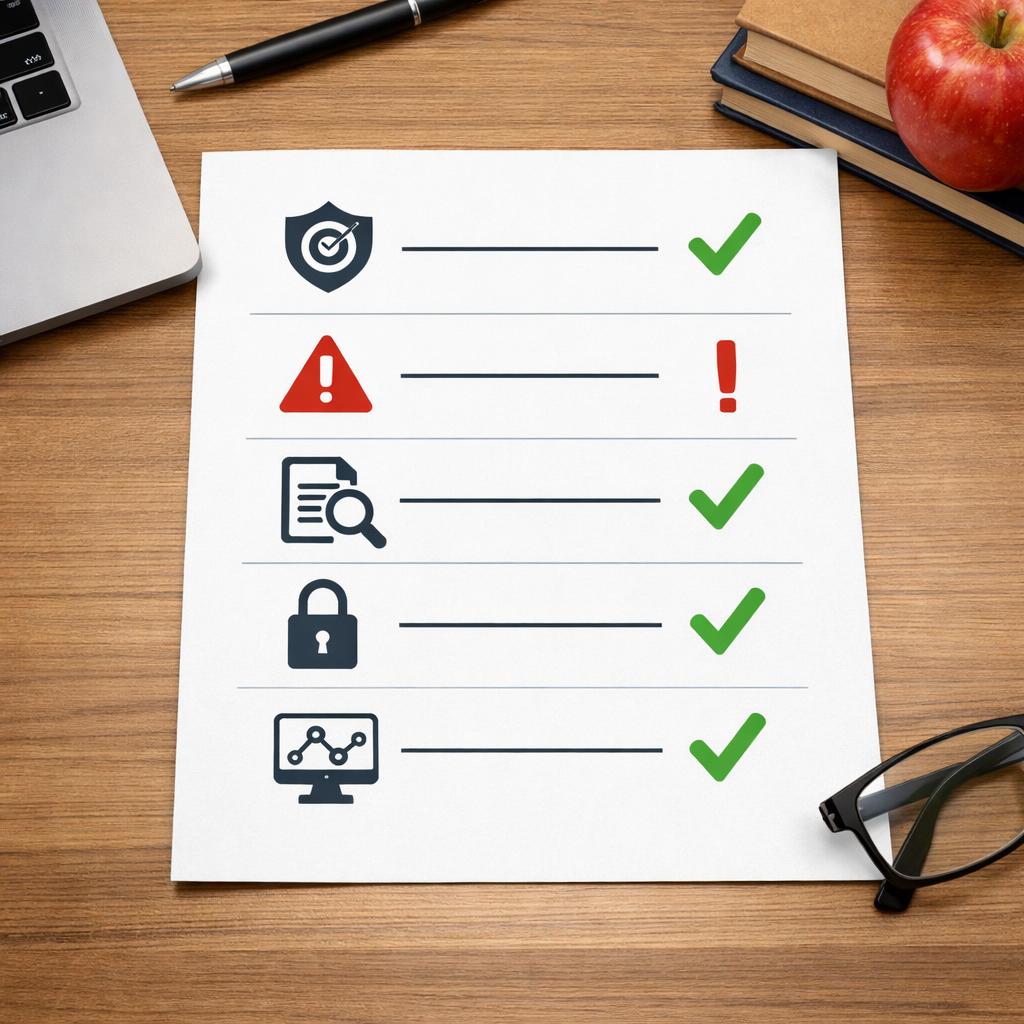
Create a simple comparison checklist graphic showing evaluation criteria such as accuracy, false positives, reporting clarity, privacy, and LMS fit.
What Teachers Need Most From an Essay Detector
When schools ask about the best smart detector for teachers grading essays, the real question is not whether a tool can generate a score. The real question is whether that score helps a teacher review essays responsibly. A strong classroom tool should reduce uncertainty, not create more of it. It should stay reasonably consistent across common writing types, give enough context for follow-up, and avoid overflagging multilingual writers, younger students, or essays that naturally use formal academic phrasing.
Focus on false positives, clear evidence, and student fairness
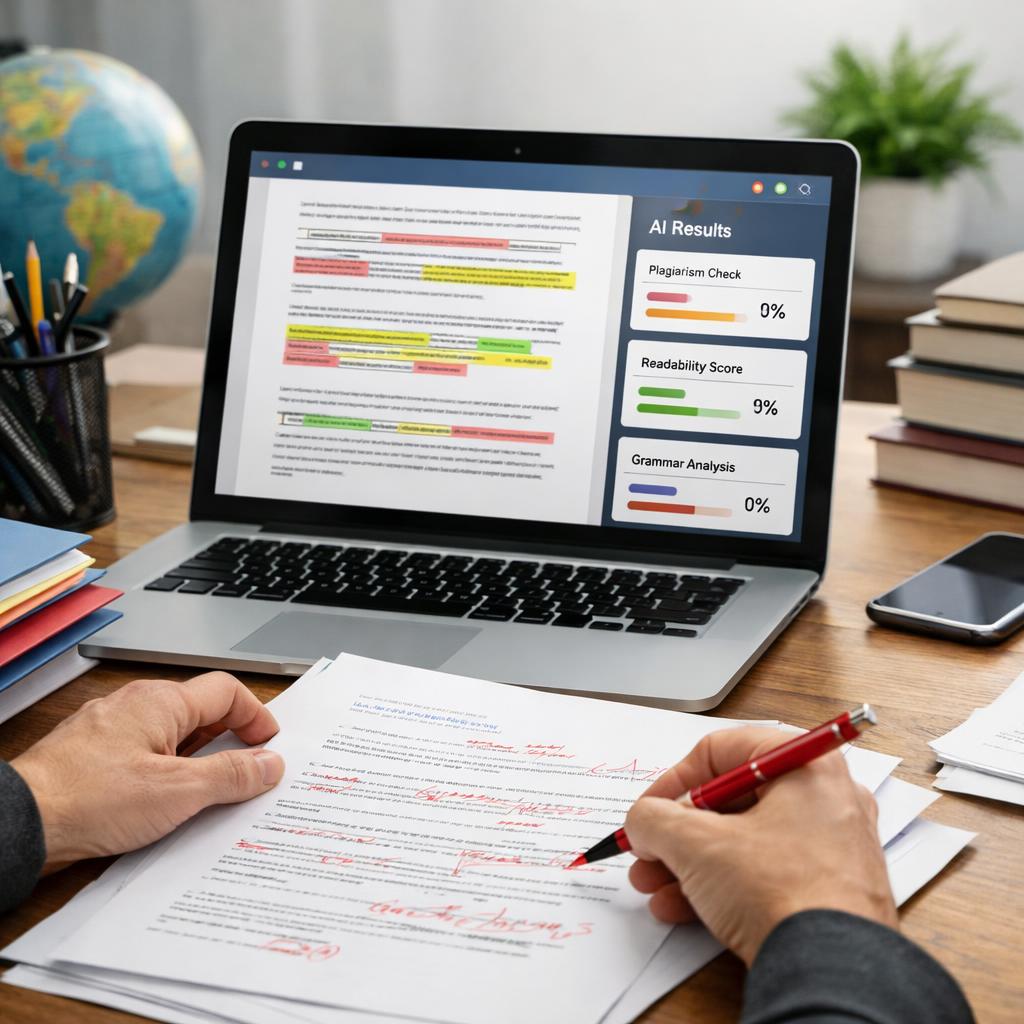
False positives matter because one inaccurate flag can quickly create conflict and weaken confidence in the grading process. Teachers comparing options should look for evidence summaries, sentence-level highlights where available, and reports that explain concerns in plain language. This is central to essay detector accuracy for classroom grading. A useful detector should help teachers ask better questions, not push them toward instant conclusions. If a report is too vague to explain to a student, parent, or administrator, it is probably not ready for everyday classroom use.
Fairness also matters because student writing varies widely. Some students write in a highly structured style, while others produce shorter, less polished responses. A detector that struggles with those differences can make grading harder instead of easier. Before adopting any tool, schools should test it against real classroom samples rather than relying only on vendor examples.
How to Compare Detector Tools for Classroom Grading
The best way to approach how teachers compare essay detectors is with a short, repeatable checklist. Start with accuracy claims, but do not stop there. Ask whether the vendor explains how testing was done, whether the tool performs reasonably well on both short and long essays, and whether reports remain easy to read when a teacher is under time pressure. In practice, best detector features for teachers often include clean dashboards, simple submission steps, and reports that match real grading conditions rather than ideal lab tests.
Check privacy rules, LMS workflow, and report readability
Privacy should be a front-line requirement, especially in K–12 and higher education settings where student work is protected. Review data retention terms, consent expectations, and whether student writing is stored, shared, or reused. Next, check LMS compatibility and ask whether the detector creates extra manual steps for teachers. Finally, open sample reports and ask a basic question: could a busy teacher understand this in under two minutes? If the answer is no, the tool may slow grading more than it helps.
It also helps to compare how easy it is to document concerns for follow-up. Teachers may need to share findings with department leads, families, or academic integrity staff, so export options and report organization matter. Neutral comparison on these points is usually more valuable than any brand ranking. For schools building a process, this kind of side-by-side review often leads to better choices than marketing-driven comparisons.
How to Use Detection Results Responsibly in Essay Reviews
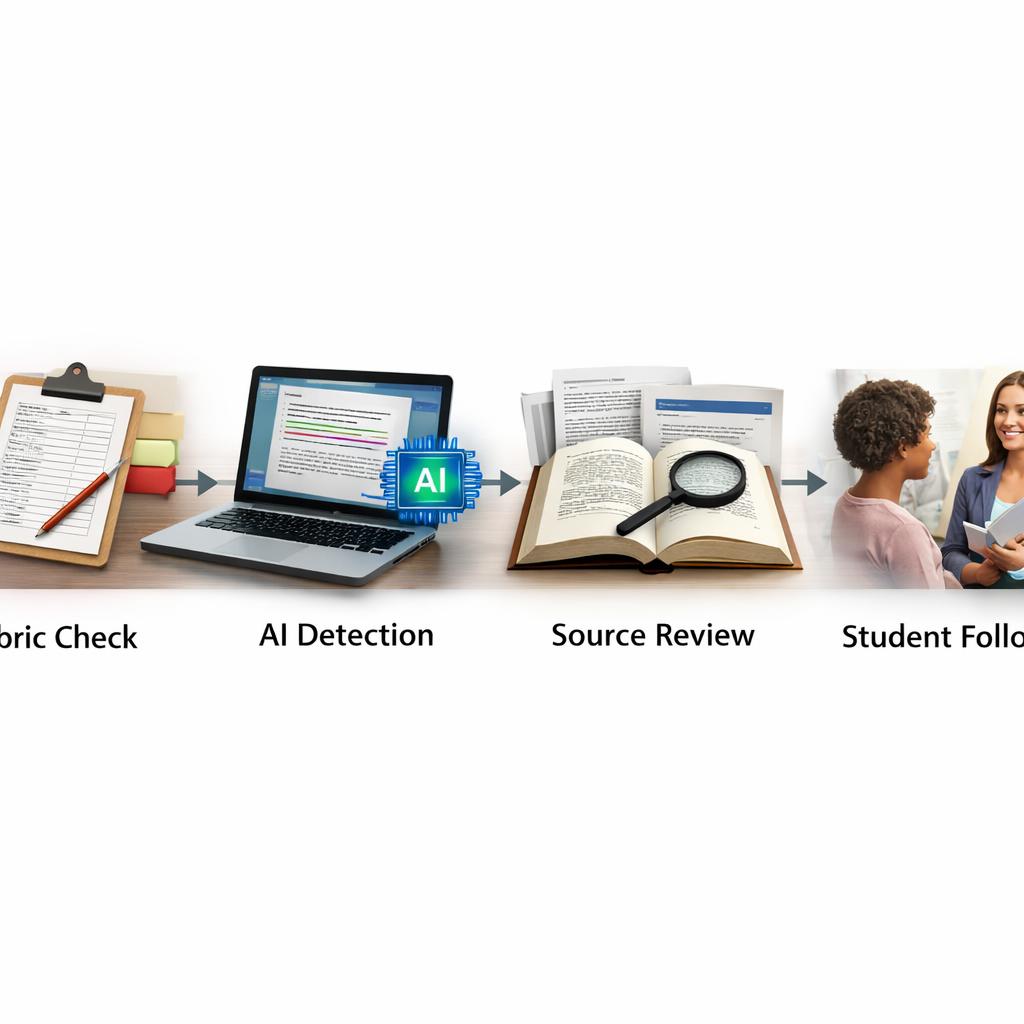
Even a strong detector should be treated as one signal inside a larger review process. In real classrooms, good decisions come from combining automated text review with rubric-based scoring, source checks, writing history, draft comparison, and direct conversation with the student when needed. This is the safest answer to how to use detector reports fairly in schools. Detection results can help identify papers that deserve a closer look, but they should never replace teacher judgment or local policy.
Treat results as signals to review, not final proof
Responsible use protects both instructional integrity and student due process. Schools should define who reviews reports, what additional evidence is required, and how students can respond before any formal action is taken. Clear procedures also help teachers stay consistent across sections and grade levels. For policy guidance, link classroom practice to fair essay review and student due process.
A simple workflow works best: review the essay with the rubric, examine the detector report, compare the submission with earlier drafts or known writing samples, and then follow up with the student if questions remain. That framing keeps the process educational, balanced, and easier to defend. Create a teacher workflow visual that shows detection as one review step alongside rubric checks, source review, and student follow-up.
Conclusion
The best smart detector for teachers grading essays is the one that supports fair, efficient review without encouraging rushed decisions. Teachers and school leaders should prioritize low false-positive risk, understandable reports, privacy safeguards, and a workflow that fits real grading demands. A strong detector does not need to serve as final proof to be useful; it only needs to help educators identify when closer review is warranted. Used carefully, it becomes one part of a broader essay review system that protects both academic standards and student trust.
For most schools, the next step is simple: build a comparison checklist, test reports using sample essays, and align tool use with local integrity procedures. That approach is usually more reliable than choosing a tool based on marketing language alone.
FAQ
What features matter most when teachers compare essay detectors?
The most important features are consistent reporting, low false-positive risk, clear evidence summaries, privacy protections, and easy classroom workflow. Teachers should also check whether reports are readable enough to support quick but careful review during grading.
Can detector reports be used as proof of misconduct?
No. Reports should be treated as review signals, not final proof. Schools should combine them with rubric analysis, source review, draft history, and student follow-up before making any formal determination.
How can schools test whether a detector fits classroom use?
A practical method is to run a pilot using varied essay samples, including different grade levels, writing styles, and multilingual student work. Review whether the results are understandable, consistent, and manageable for teachers under normal grading timelines.


