
If you are looking for an smart detector for personal statement before common app submission, the real goal is not getting a perfect score. It is avoiding surprises before you send your essay. A useful checker can help you spot lines that sound overly polished, repetitive, generic, or slightly off from your usual voice. It can also help you look at privacy settings, reporting clarity, and whether the feedback actually helps you revise.
Before choosing a tool, start with the broader context in this guide to the best college essay detector before submission. For students, parents, and counselors, the smartest approach is still a layered review process: use a detector as one signal, compare the result with your draft history, and then decide whether to revise, ask for human feedback, or submit with confidence.
Why applicants check a personal statement before Common App submission
Most applicants are not trying to game the process. They simply want to know whether a personal statement detector for college application essay review can catch risks before an admissions reader sees the final draft. Common worries include false flags, stiff phrasing, and late edits that make the essay feel less personal. In that sense, a checker works best as a pre-submission screen, not as a final judge.
What these tools can and cannot tell you before you submit
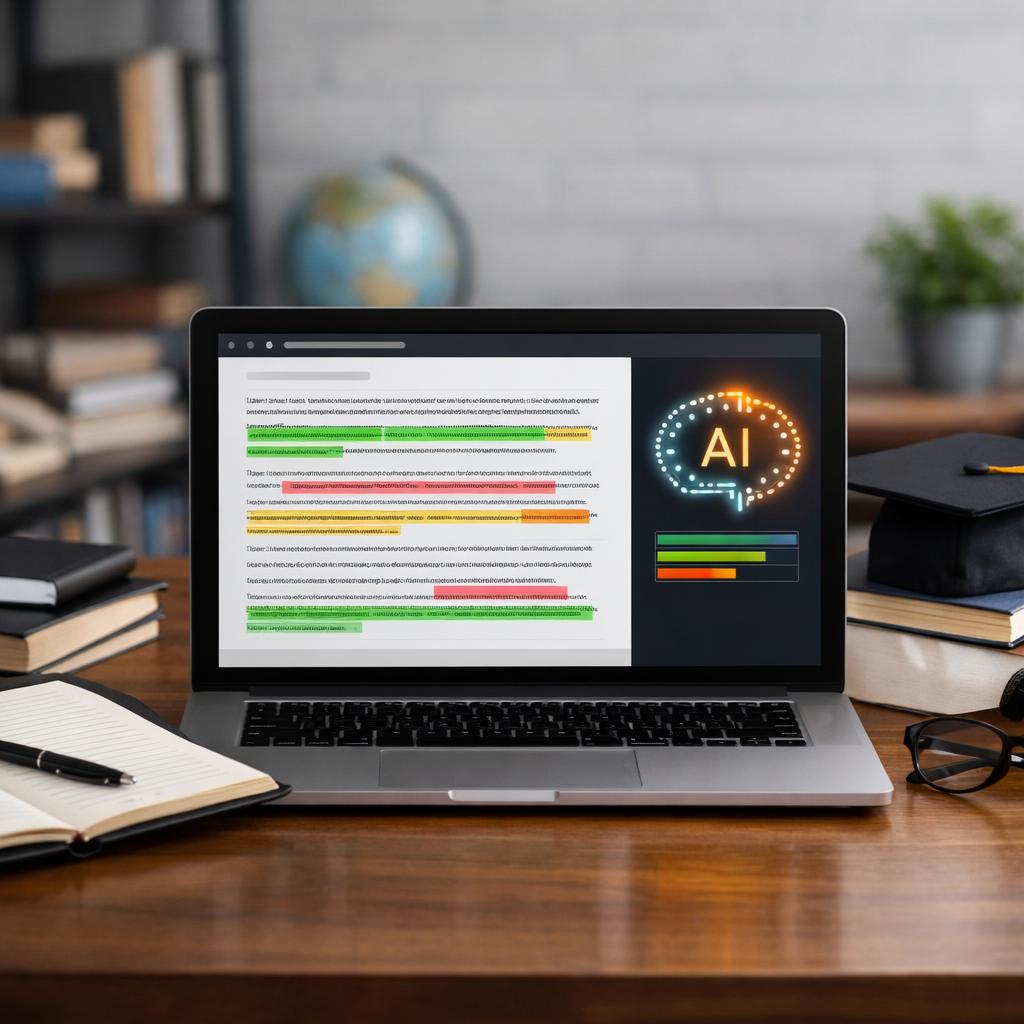
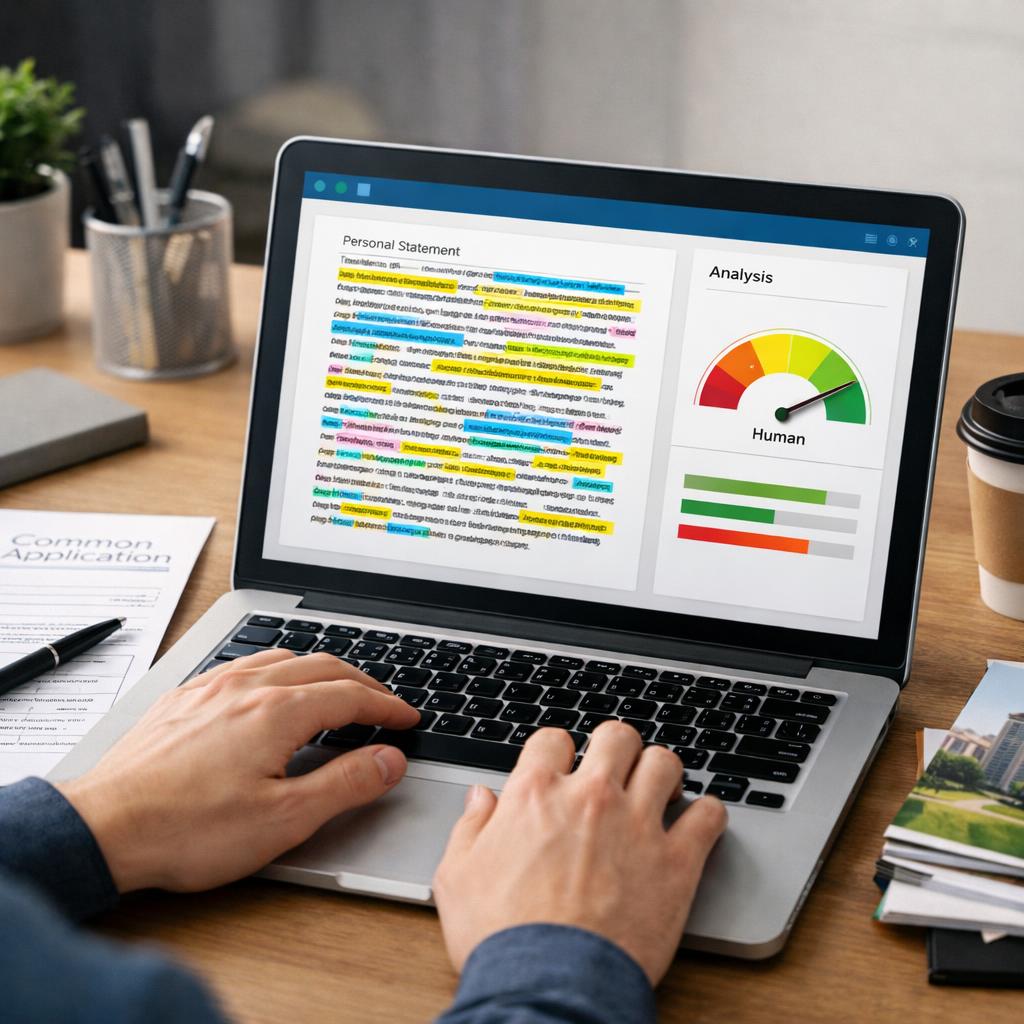
A detector can point to patterns in your writing, but it cannot see your brainstorming notes, earlier drafts, or the guidance you got from a teacher, parent, or counselor. That is why results should be treated as directional, not definitive. If you are wondering how to check a personal statement before Common App submission, look for a tool that highlights specific passages and explains why they may raise concern. Be careful with any checker that gives only a vague percentage or a dramatic label without context. That kind of report can create false confidence or unnecessary panic instead of helping you make smart revisions.
It also helps to remember what admissions readers care about most. They are looking for a personal statement that feels specific, honest, and consistent. If a tool points out that several sentences feel generic, that can be useful. But if your essay is clearly grounded in your own experiences and sounds like you, one score should not outweigh your judgment or the feedback of a trusted reader.
How to evaluate a detector without risking false confidence
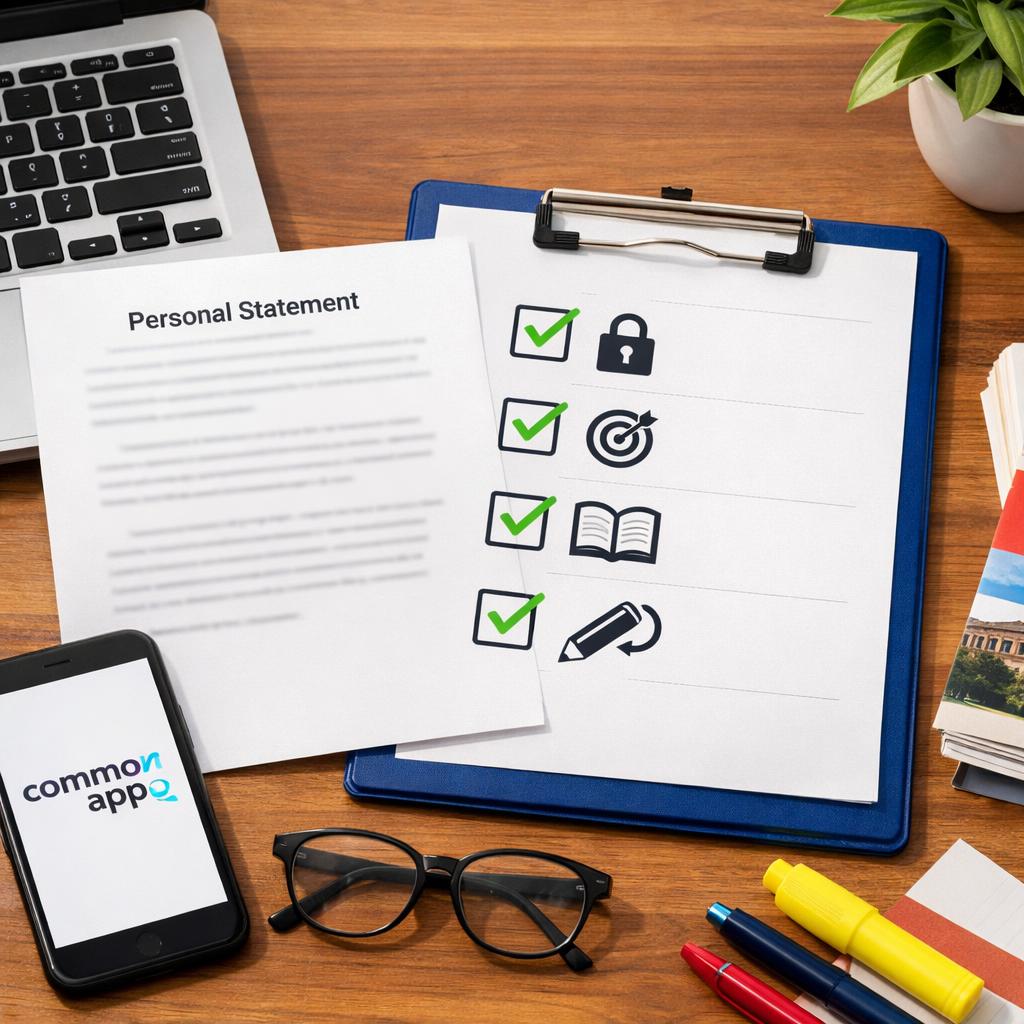
The safest way to compare options is to stay practical. Start with privacy. You should know whether your essay is stored, how long it is retained, and whether it may be used for training or secondary analysis. For a document as personal as a college essay, that matters. Next, look at false positive risk. A reliable checker should acknowledge uncertainty and avoid making extreme claims. Finally, consider readability and revision support. The best tools do more than label text. They help you see where phrasing feels stiff, broad, or unlike your natural voice.
Key signals: accuracy, privacy, readability, and revision support
Reporting clarity matters just as much as the score itself. If a tool marks a paragraph as risky, it should show what triggered that result and suggest what to review. Maybe the wording is too polished, maybe several sentences follow the same rhythm, or maybe the language feels too general to be persuasive. That level of explanation is far more useful than a simple warning.
Ease of use also matters, especially if families or counselors are reviewing multiple drafts. If you are searching for the best way to review a Common App essay before submitting, choose a detector that supports revision decisions instead of pushing you toward panic. In practice, the strongest option is usually the one that combines transparent scoring, clear text highlights, sensible privacy terms, and advice you can actually apply. If the report helps you make the essay more personal and readable, it is doing its job.
A simple pre-submission checklist for a stronger final draft
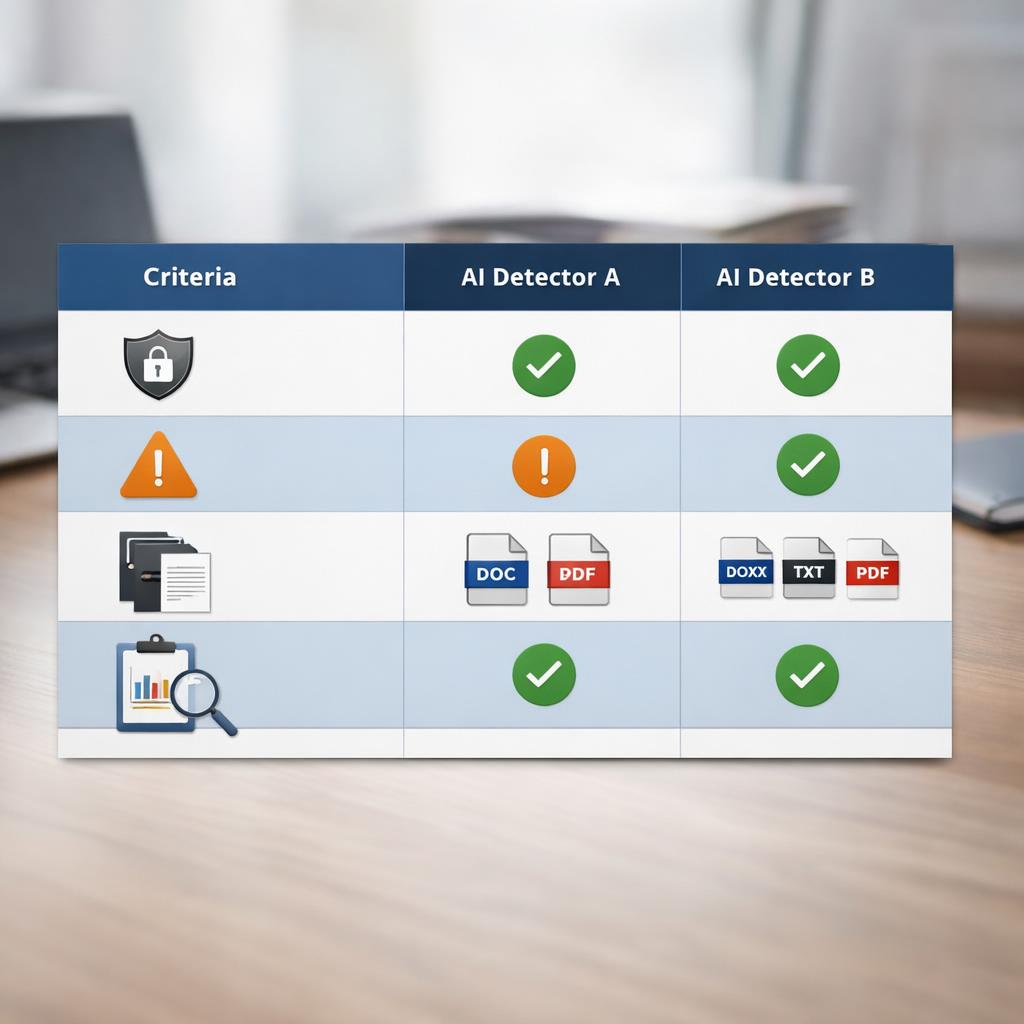
Use a short checklist before you act on any score. First, read the essay out loud and ask whether it still sounds like you. Second, review any flagged lines and decide whether they are truly generic or simply polished. Third, compare the final draft with earlier versions so you can explain your writing process if needed. Fourth, confirm that your essay is original, specific, and aligned with the prompt. This is also a good time to use a final college essay checklist before you submit so formatting, word count, and copy-and-paste issues do not create avoidable mistakes.
When to revise, when to get human feedback, and when to submit
If a checker shows a high-risk result, do not assume you need to rewrite everything. Start with the lines that feel unnatural, repetitive, or overly broad. Often, a few targeted edits are enough to make the essay sound more like you again. If the concern remains, ask a trusted teacher, counselor, or parent to read the draft for voice, clarity, and authenticity. Human feedback is often the best way to decide whether a flagged passage is actually a problem.
This is also the safest answer to how to avoid false flags on a college essay checker. Do not chase the tool. Instead, improve the essay where the feedback matches what a real reader notices. Submit when the essay feels personal, the flagged sections have been reviewed carefully, and the report generally aligns with human judgment. At that point, the tool has served its purpose: it helped you check for risk without taking over the writing process.
Conclusion
The best use of an smart detector for personal statement before common app submission is as a final review layer, not a substitute for judgment. A strong checker can help you reduce false flags, review originality concerns, and improve submission readiness without making exaggerated promises. Focus on privacy, accuracy, readability, and revision support, then compare the result with your draft history and human feedback.
If you keep that process in mind, a detector can increase confidence rather than create stress. For most applicants, the best approach is simple: run a careful check, revise only where needed, confirm the essay still sounds like you, and submit a personal statement that feels honest, specific, and ready for Common App review.
FAQ
Can a detector accurately judge whether my personal statement will be flagged?
No checker can guarantee how a school or reader will interpret your essay. It can only estimate risk based on patterns in the text. That is why the best tools explain their reasoning and highlight passages for review instead of acting like a final authority.
Should I revise my essay if a checker gives a high-risk result?
Yes, but revise selectively. Focus on sections that sound generic, overly uniform, or unlike your normal voice. A high-risk result should lead to a closer review, not an automatic full rewrite.
What is the safest way to use a personal statement checker?
Use it near the end of your drafting process, after your ideas are settled. Review the privacy terms first, save your earlier drafts, and compare flagged sections with how you naturally write. Then get human feedback before making major edits.
Can counselors and parents use these tools effectively with students?
Yes, especially when they use the report as a conversation starter. The most helpful approach is to ask whether the essay feels specific, personal, and believable, then use the checker’s highlights to guide discussion rather than force formulaic changes.


