
Choosing the best college essay smart detector before submission is not really about chasing a perfect score. It is about protecting your essay, checking for unnecessary risk, and making sure the final version still sounds like you. Most students, transfer applicants, and parents want the same thing: a fast, neutral review that helps catch possible issues without pushing the essay into panic mode or turning it into something overly edited. A useful checker should support a calm final pass, not trigger a full rewrite. For a broader last-step process, see the final college essay review checklist.

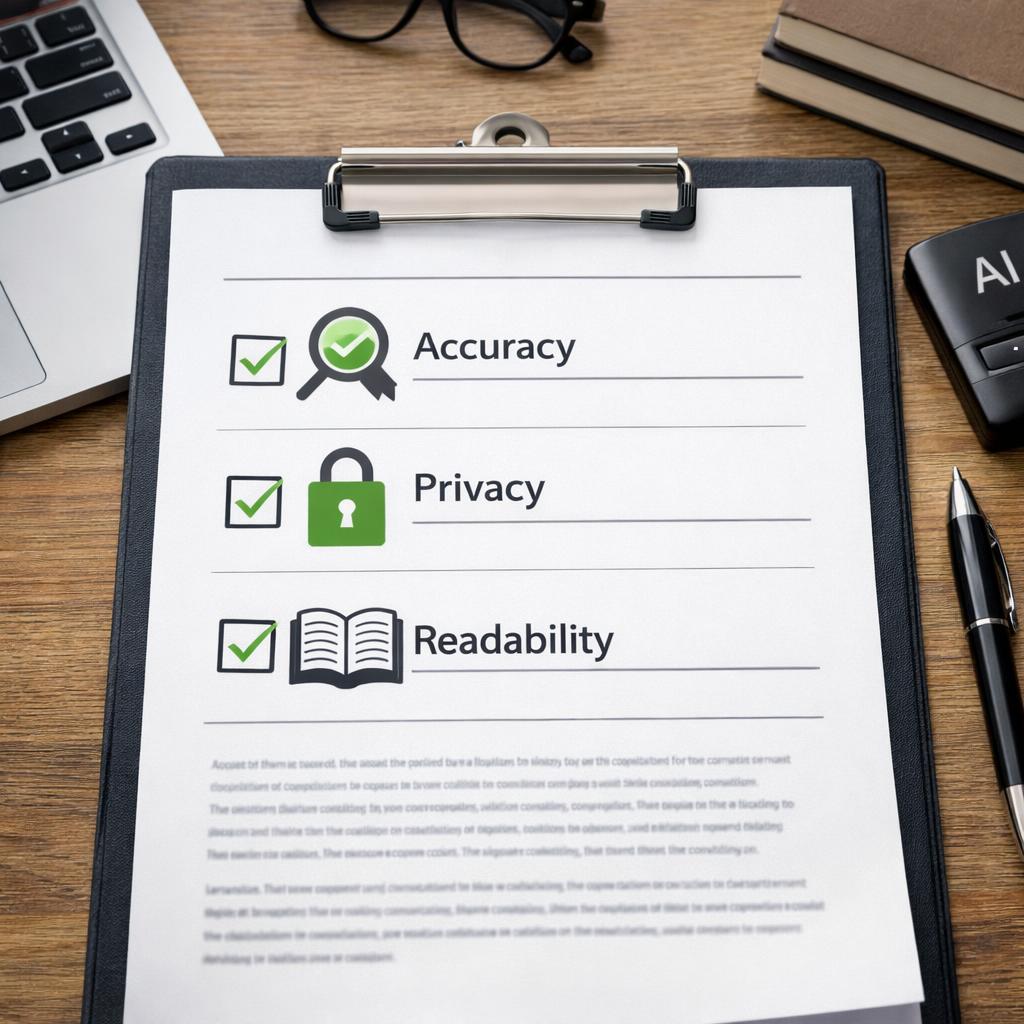
If you are wondering how to check a college essay before submission, focus on three practical areas: accuracy, privacy, and readability. A detector can help, but it should never replace your own judgment, a trusted reader, or the actual goals of the admissions essay. The safest approach is to treat any checker as one signal, then compare that result with your draft history, your revision notes, and the overall clarity of your message.
What the best college essay detector should check before you submit
The best option should help you decide whether your essay still feels personal, clear, and consistent after multiple revisions. For college applications, that means looking beyond a simple label and asking whether the tool explains why a passage might read as overly polished, repetitive, generic, or noticeably different from the rest of the piece. It should also let you review specific sections so you can pinpoint where a concern begins instead of guessing from one broad result.
It also needs to reflect how admissions essays actually work. Personal statements often include polished transitions, reflective language, and carefully edited sentences, so college essay detector accuracy and false positives matter a lot. A checker that regularly flags original writing just because it is clean and well proofread creates more stress than value. Before trusting any result, see whether the feedback is transparent, whether the score stays reasonably consistent across drafts, and whether the service explains how it handles sensitive essay text.
Core signals that matter: false positives, privacy, and readability
False positives are one of the biggest problems in pre-submission review. A student can write every line independently and still get a high-risk result because the essay uses formal structure, familiar phrasing, or tightly edited prose. That is why consistency matters more than dramatic claims. Test a few original paragraphs, compare early and late drafts, and notice whether small changes cause huge swings. Stable, explainable feedback is far more useful than one alarming score.
Privacy is just as important. A college essay often includes personal experiences, family information, school history, and future goals. A privacy-safe essay checker for college applications should clearly explain whether text is stored, how long it is kept, and whether users can remove it. Readability is the third core signal. The best way to review personal statement before submitting is still to ask whether it sounds like a real person with a specific perspective. If a detector helps surface stiff or generic passages, that can be useful, but your authentic voice should remain the standard.
How to evaluate a detector without risking your essay
The safest way to test a detector is to start with control samples before pasting your final essay. Use an older class paper, a short freewrite, and maybe one paragraph from your current draft that you would feel comfortable sharing. This gives you a clearer sense of how the tool responds to different kinds of writing without exposing your full application essay too early. If the feedback is vague, inconsistent, or unclear about data handling, move on. Good comparison points are simple: false positives, privacy terms, ease of use, and whether the review fits a realistic editing process.
Once you do test your actual essay, do not rush to revise based on one result. Compare any highlighted passages with your own notes and ask whether the flagged section is truly generic, compressed, or less personal than the rest of the essay. The goal is not to outsmart a checker. The goal is to make the essay more clearly yours. If you want more help with revision beyond detection, review how to strengthen your personal statement before submitting before changing tone or structure.
Run a clean test with drafts, revisions, and human review
A clean test works best when you save three versions: an early draft, your current draft, and the version you plan to submit. Review them in the same order and track what changes between results. If the earliest draft sounds more natural but the final version raises more concern, that may point to overediting rather than any real originality issue. In that case, revise carefully by restoring concrete details, sharper examples, or simpler phrasing instead of rewriting the entire essay.
Then add human review. Ask one trusted reader to point out lines that feel vivid and memorable, and ask another to flag any sentence that sounds unlike you in conversation or normal class writing. Human feedback helps you tell the difference between a real readability problem and a checker that is overreacting to polished structure. This is especially useful if teachers, counselors, or family members have helped with revisions. A detector is only a checkpoint; a person who knows your voice is usually the stronger final filter.

Conclusion
The best college essay smart detector before submission is the one that helps you review your work responsibly, with attention to accuracy, privacy, and readability. It should lower uncertainty, not add to it. For most students, the smartest process is straightforward: test cautiously, compare results across drafts, protect personal details, and use human feedback before making major changes. That gives you a clearer picture than any single score ever could.
If your essay stays rooted in lived experience and your natural voice, a detector becomes just one final checkpoint in a larger review process. Use it to notice possible weak spots, not to define the value or originality of your writing. A calm, evidence-based review is still the best way to submit with confidence.

FAQ
What should I look for in a college essay detector before submission?
Look for clear scoring, stable results across drafts, transparent privacy practices, and feedback that points to specific passages instead of only giving one broad number. The best options fit naturally into a final editing workflow and help you make practical decisions.
Can a detector flag an original college essay by mistake?
Yes. False positives happen when original writing is polished, uses common transitions, or has gone through heavy revision. That is why results should always be compared with earlier drafts and checked against human feedback.
Should I revise my entire essay if the score seems high?
No. Review the exact sections first. If the essay still sounds personal and trusted readers agree that it reflects your voice, a full rewrite is usually unnecessary. Focus only on passages that feel generic, stiff, or overedited.
Is it safe to paste my personal statement into an online checker?
Only if the privacy policy is clear and specific. Check whether the text is stored, reused, shared, or deletable. If the policy is vague, avoid pasting sensitive material and choose a more cautious review method.


