
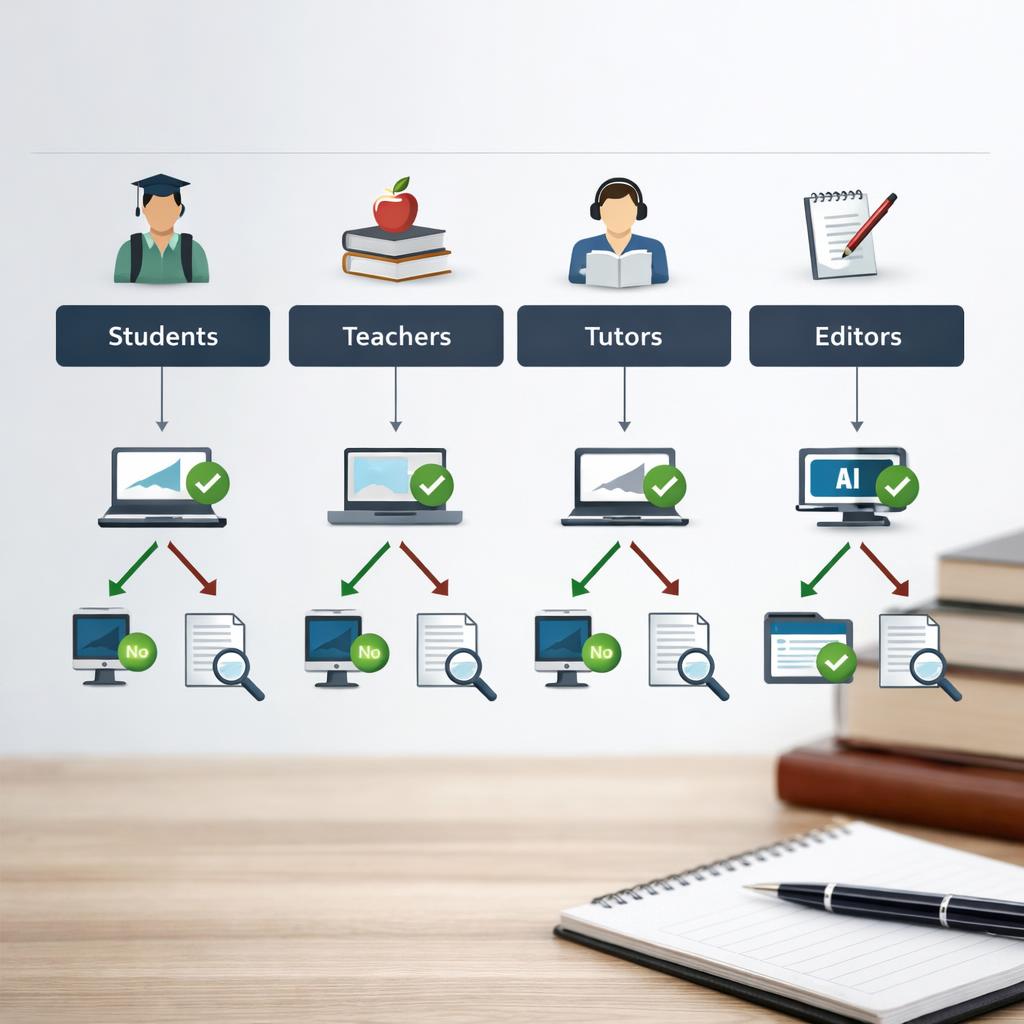
Finding the best chatgpt detector for essays starts with a realistic expectation: no text detector can prove who wrote an essay by itself. What a good tool can do is highlight patterns, surface sections that deserve a closer look, and help reviewers make more informed decisions. For students, teachers, tutors, and editors, the best option is usually the one that balances accuracy, low false positives, privacy, and clear reporting instead of relying on bold marketing claims. If you want more context before comparing tools, see how essay detectors evaluate text patterns.

This distinction matters because essay review is not only about spotting machine-written text. In practice, the goal is fair and useful evaluation: can the tool handle everyday student writing, explain why something was flagged, and fit naturally into classroom or editorial workflows? If you are researching the best chatgpt detector for essays, focus on testable criteria, use varied sample texts, and treat every score as one signal within a broader originality review.
What makes a ChatGPT detector useful for essays
A useful essay detector should do more than stamp a passage as likely human-written or machine-written. It should explain what triggered the result, present confidence carefully, and perform reasonably well across different essay types, such as personal narratives, research assignments, and short in-class responses. In real use, the strongest detector is not always the one with the biggest claims. It is the one that produces steady results on realistic samples and gives reviewers enough context to make a fair call.
Key signals to review: accuracy, false positives, and source transparency
Start with accuracy, but do not stop there. A detector with fewer false positives is often more valuable than one that simply flags more text. False positives can create problems for multilingual students, strong academic writers, or assignments that naturally follow a formula. Source transparency matters too. Look for tools that explain scoring in plain language, point to sentence-level concerns when possible, and clearly state their limitations. If a report is hard to interpret or sounds too certain, it becomes much harder to use responsibly in an academic setting.
It also helps when a tool separates weak signals from stronger ones. A vague overall score is less useful than a report that shows where concerns appear and why they may matter. When you compare options, ask a simple question: does this tool help a person review an essay more carefully, or does it try to replace judgment with a single label?
How to compare essay detectors without relying on brand claims
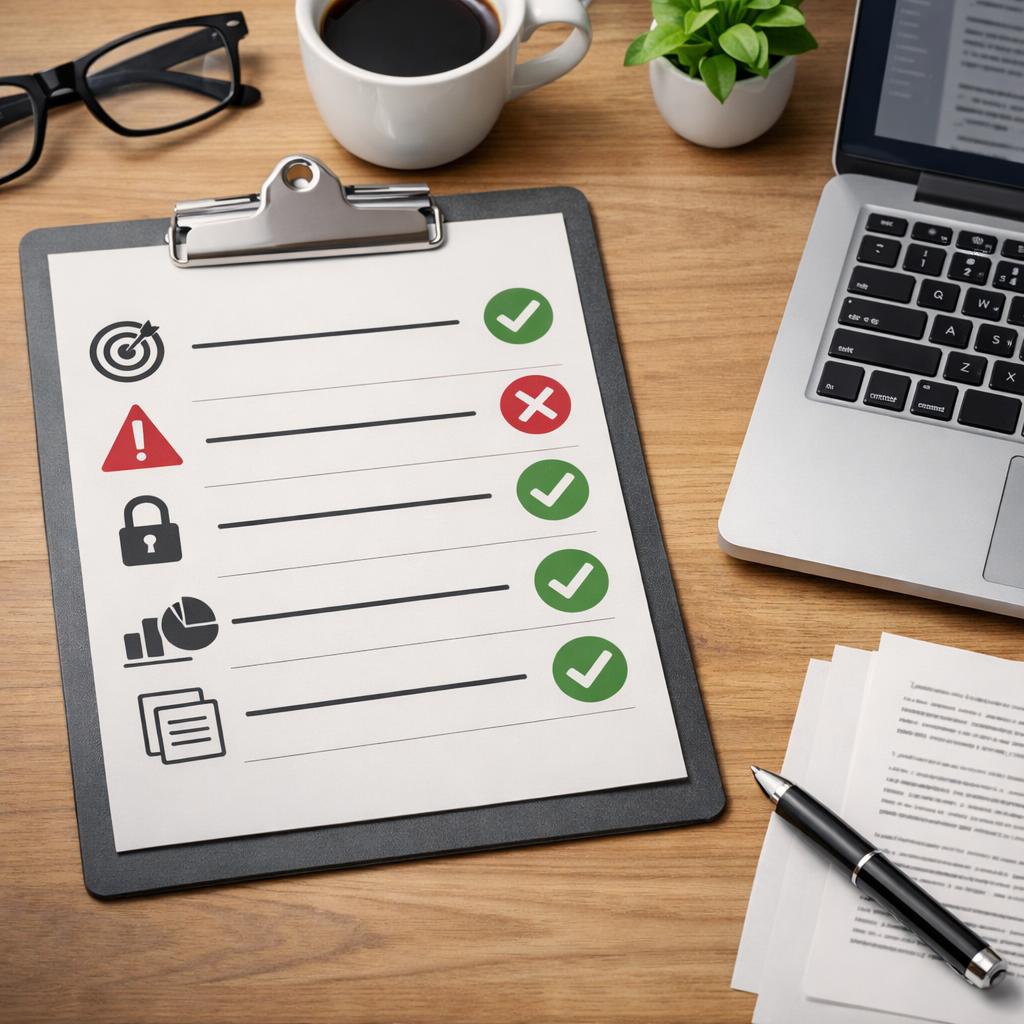
The most reliable way to compare tools is to build a neutral checklist and test every option on the same group of essays. Include clearly human-written work, heavily revised drafts, and known machine-written samples. Then compare flag rates, repeat-scan consistency, and how easy each report is to understand. This method is much more useful than trusting broad promises about precision or speed. It also helps you identify the best fit for teachers and editors based on evidence instead of advertising.
Beyond the score itself, compare how each tool supports responsible review. Does it encourage manual reading? Can reports be saved or shared with enough context for a second reviewer? Does it distinguish low-confidence findings from stronger ones? During this step, it can also help to review best practices for reviewing originality in essays so the detector becomes part of a wider process rather than the entire process. The best chatgpt detector for essays should make review clearer, not more confusing.
Check privacy, document length limits, and reporting clarity
Privacy is essential when essays include student details, admissions content, or unpublished writing. Before choosing any tool, check whether uploaded text is stored, how long it is retained, and whether it is reused to improve the service. Also confirm document length limits, supported file types, and whether long essays are cut off during scanning. These details affect day-to-day usefulness more than many buyers expect.
Reporting clarity matters just as much. A helpful report should be readable by teachers, staff, and editors without technical training. It should show where concerns appear, avoid overconfident wording, and make it easy to explain the result to someone else. For schools and editorial teams, these practical details often matter as much as raw detection performance. If you are working through a larger review process, a guide like teacher workflow for evaluating flagged writing can help keep decisions consistent.
Conclusion
The best chatgpt detector for essays is rarely the one with the loudest promises. It is the one that performs consistently on real essays, keeps false positives manageable, protects privacy, and produces reports that support fair review. Whether you are choosing a tool for classroom use, admissions screening, tutoring, or editing, stay focused on evidence and workflow fit.
A smart approach is simple: define your use case, test the tool on realistic samples, review how often it makes questionable calls, and decide whether the reporting is clear enough for real people to use. No detector should act as a final verdict. Used carefully, though, the right one can be a practical part of a broader originality review process.
FAQ
How accurate are ChatGPT detectors for essays?
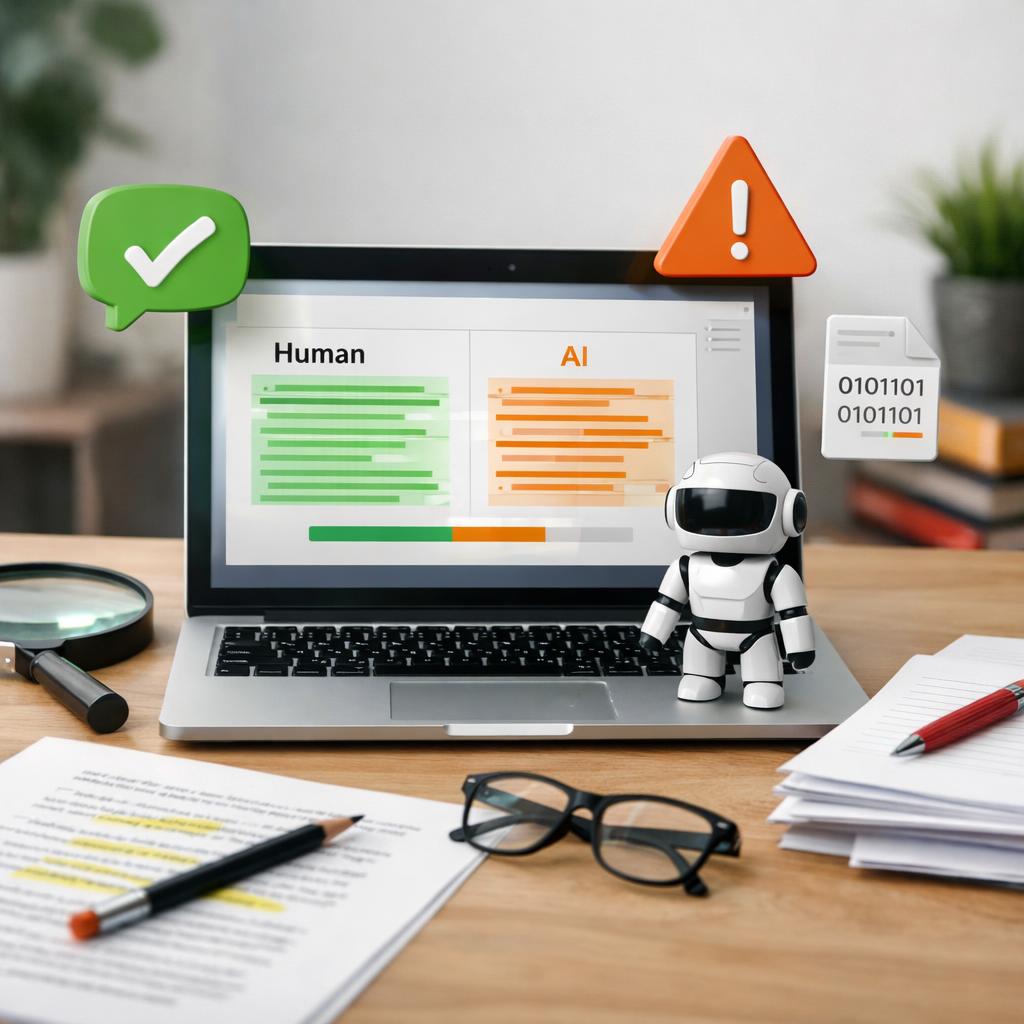
Accuracy varies based on writing style, essay length, revision history, and how the text was produced. Most detectors work best as screening tools, not proof of authorship. The safest approach is to use the score alongside close reading, source review, and draft history when available.
Can a detector wrongly flag human-written essays?
Yes. Well-structured prose, repeated sentence patterns, or writing from multilingual students can sometimes trigger false positives. That is why low false-positive performance and clear explanations matter so much when comparing detectors.
What should teachers look for first in an essay detector?
Teachers should usually start with reporting clarity, privacy terms, and consistency across sample essays. A good tool should help instructors review flagged writing fairly instead of forcing a simple yes-or-no judgment.
Are privacy policies important when scanning student essays?
Absolutely. Essays may contain personal details or unpublished work. Before using any detector, confirm what happens to uploaded text, how long it is stored, and whether the content is reused in any form.


