

If you are searching for how to write an smart policy for students in high school, the most practical path is to create a clear student use policy that explains what students may do, what they may not do, and how teachers will guide classroom use. School leaders need a document that supports learning, protects student privacy, and reinforces academic integrity expectations. The best policies are easy for students to understand, specific enough for staff to enforce, and flexible enough to work across different classes.

This guide is for principals, administrators, instructional coaches, and teachers who need a usable framework for a high school student policy. It focuses on U.S. school needs, plain-language expectations, and day-to-day implementation. You will see how to define student use rules, organize the policy into practical sections, communicate expectations to families, and review the document regularly so it stays relevant instead of becoming something no one reads.
Start with the purpose, scope, and student expectations
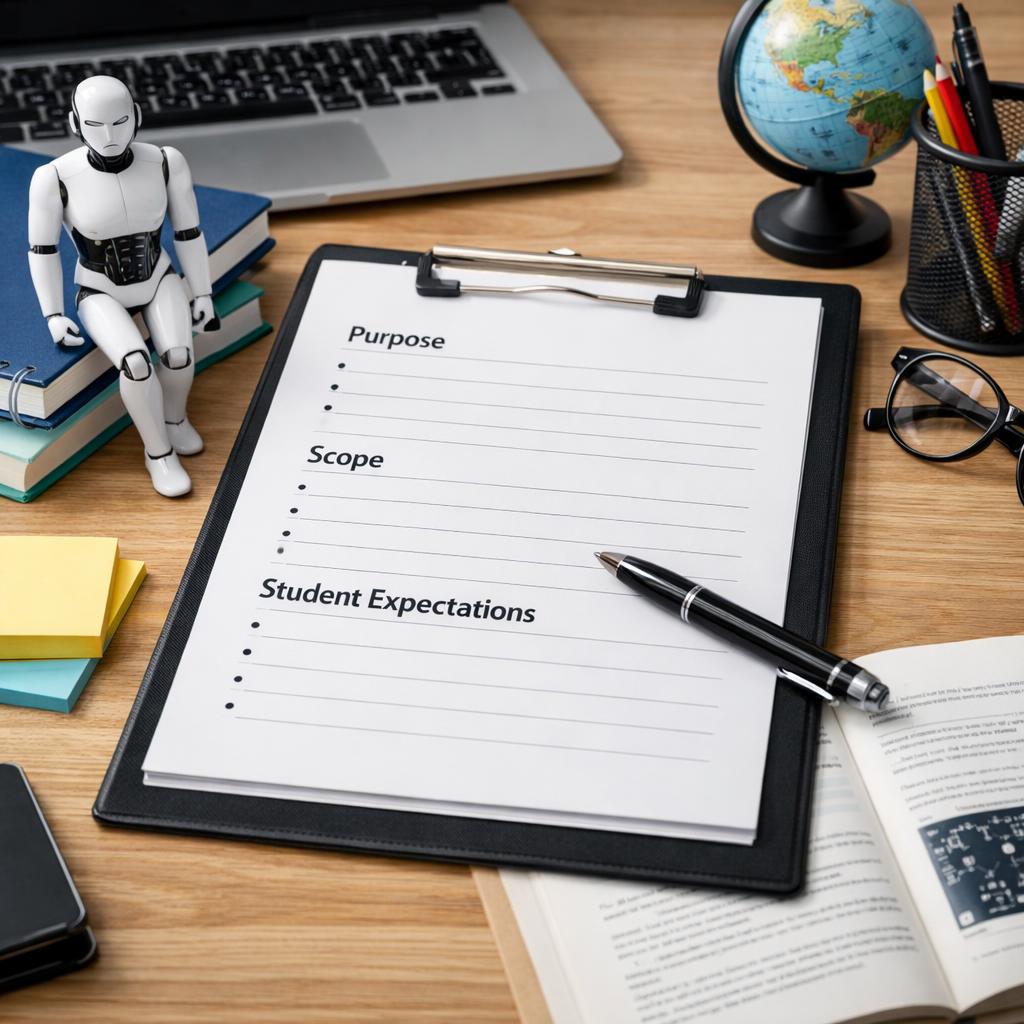
Open the policy by stating why it exists. In a short introductory section, explain that the goal is to support learning, protect students, and uphold fair academic standards. Then define the scope clearly: list the grade levels it covers, whether it applies only during the school day or also to homework, and which school-managed or teacher-approved digital tools fall under the rules. Students and staff should be able to answer these basic questions in less than a minute.
Next, spell out what students are expected to do in simple language. For example, students should use approved tools only for class-related purposes, follow teacher directions, and complete independent work honestly. This is also a good place to include high school classroom policy examples for students, such as requiring students to ask permission before using a digital helper on an assignment. If your school is deciding how to write an smart policy for students in high school, this opening section matters because it sets the tone for trust, responsibility, and accountability.
Define acceptable use, restricted use, and teacher-approved exceptions
Use clear categories so the rules are easier to understand and enforce. Acceptable use may include brainstorming ideas, generating study questions, reviewing vocabulary, or organizing notes when a teacher allows it. Restricted use should cover tasks that might be allowed only with direct teacher permission, such as building an outline for a writing assignment or checking a draft before revision. Prohibited use should be direct and specific, including turning in generated work as original, using unapproved tools during tests, or entering sensitive student information into outside systems.
Teacher-approved exceptions matter because not every classroom works the same way. A history teacher may allow support with research questions, while an English teacher may limit use during essay drafting. Write that flexibility into the policy: classroom teachers can set stricter rules for a lesson, unit, or assignment, and students must follow assignment-level instructions even when the general school policy allows a use. This helps schools create consistent expectations without taking away teacher judgment.
Build policy sections that protect learning, privacy, and academic integrity
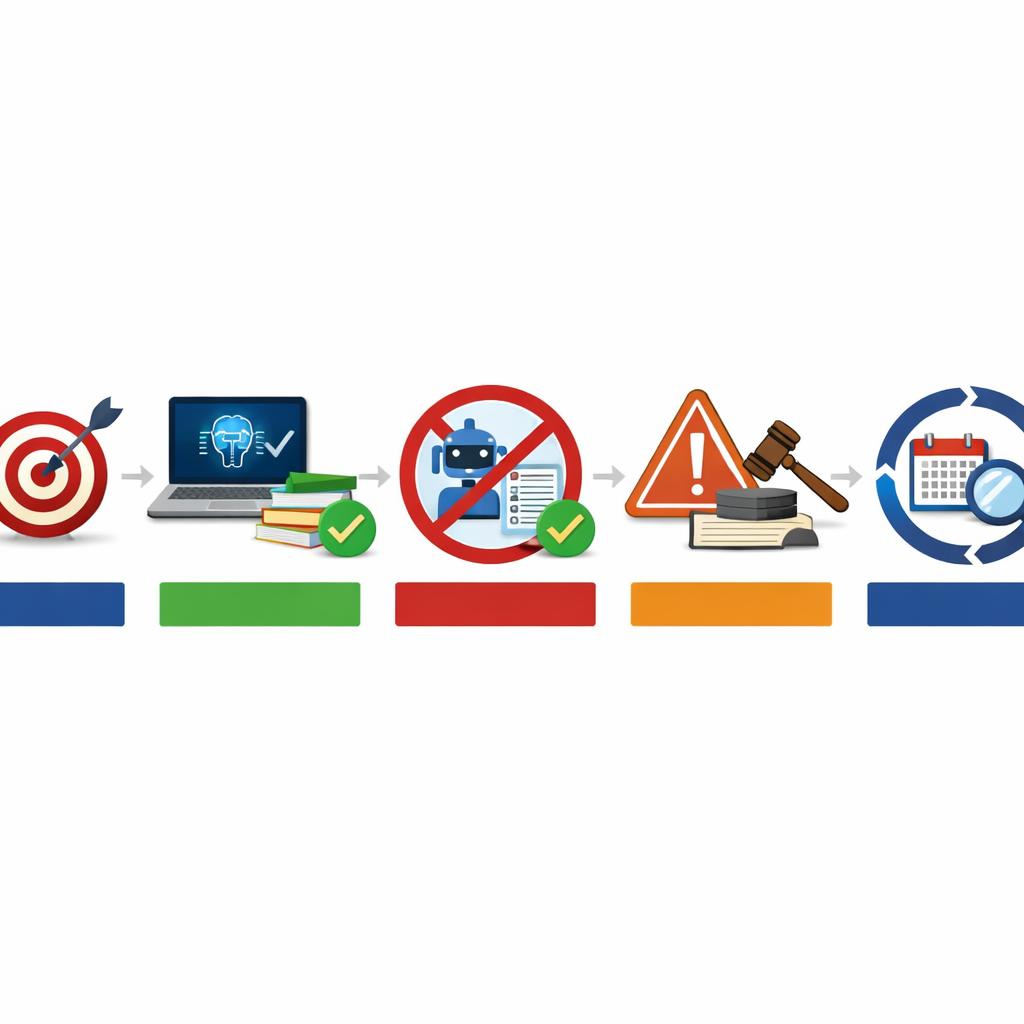
After the opening section, organize the policy around a few core protections. One part should focus on learning: students are still responsible for reading, thinking, writing, and solving problems themselves. Another should focus on honesty: if a digital tool helped with an assignment, students must disclose that help in the format the teacher requires. A third should address privacy: students may not upload personal, confidential, or school-protected information. Linking this section to your broader student privacy rules helps the policy stay aligned with existing district practice.
Consequences belong here too, but they should be educational as well as enforceable. Instead of vague warnings, explain that misuse may lead to redoing an assignment, loss of tool access, parent contact, disciplinary review, or academic consequences under the school’s honesty code. This is also where your academic integrity policy for high school students should match your student use policy. When both documents use the same definitions for cheating, unauthorized assistance, and required disclosure, staff can respond more consistently.
Include plain-language rules for disclosure, citation, data privacy, and misuse
Students should not have to interpret legal or technical wording. Use direct statements such as: tell your teacher when a digital tool helped with your work; cite or describe that help when required; never submit copied output as your own; never upload grades, health information, discipline records, or private student data; and never use a tool to harass, bully, threaten, or bypass school filters. A ninth grader should be able to understand the policy on the first read.
Examples make these rules much more useful. For disclosure, you might say that a student can note that a tool helped create study questions or summarize background reading. For misuse, explain that copying a full response into an assignment without permission is not allowed. A few examples under each rule reduce confusion, limit arguments, and help teachers apply the same standards across departments. In many schools, this becomes the most practical part of a student policy template because it turns broad values into everyday decisions.
Conclusion
Knowing how to write an smart policy for students in high school really means knowing how to create a student use policy that is clear, teachable, and enforceable. Start with purpose and scope, define allowed and restricted use, protect privacy and academic honesty, and give teachers room to set assignment-specific expectations. Then support the policy with staff training, student-facing explanations, family communication, and a regular review cycle. When the language is plain and the rules are specific, the policy becomes something people can actually use instead of another document buried on a website.
FAQ
What should a high school student policy include?
A strong policy should include its purpose, who it covers, student expectations, allowed use, restricted or prohibited use, disclosure rules, privacy protections, and consequences for misuse. It should also explain that teachers may set stricter rules for specific assignments or class activities.
How detailed should student use rules be for teachers and students?
The rules should be specific enough to give real guidance but short enough to scan quickly. Most schools do best with plain-language expectations, a few realistic classroom examples, and a clear statement that teacher directions override general use rules when needed.
Should families receive a copy of the policy?
Yes. Families should receive a short summary and access to the full policy. That helps parents understand the school’s expectations, supports more consistent messaging at home, and reduces confusion when classroom rules vary by course, assignment, or teacher.
How often should the policy be reviewed?
At minimum, review it once a year. Many schools benefit from a semester check-in to gather teacher feedback, clarify confusing language, and update examples based on real classroom situations. Regular review helps the policy stay practical and credible.


