
Yes. The short answer to “can smart generated text be plagiarism without copying” is that a paper can break academic rules even when no exact wording was copied from a source. In schools, universities, and research settings, the issue is often bigger than a similarity score. It also involves authorship, disclosure, and whether the work honestly reflects the student’s or researcher’s own effort. In the broader context of academic integrity and machine-written work, originality alone does not fully answer the question.

This matters because generated text can create brand-new sentences while still replacing the thinking, drafting, or synthesis an assignment was meant to measure. That is why “is generated text plagiarism if it is original” is not a simple yes-or-no question. The answer depends on course rules, institutional policy, publisher standards, and how the writing tool was used. If the assistance is hidden, goes beyond what is allowed, or is presented as fully human-authored work when it was not, it may be treated as plagiarism, misrepresentation, or another form of academic misconduct.
Why generated text can still violate authorship rules
Plagiarism is often defined as using another person’s words or ideas without credit, but most academic integrity policies go further than copy-and-paste misuse. They also ask whether the submitted work truthfully represents who created it, who shaped the argument, and how much outside help was involved. That is why generated writing can raise authorship concerns even when plagiarism checkers show little or no direct overlap. If a student turns in machine-written passages as entirely their own work, the problem may be false authorship rather than traditional textual copying.
Plagiarism is not only about matching someone else’s exact words
In practice, instructors deciding what counts as plagiarism usually look at attribution, intent, and the purpose of the assignment. A response can be original in wording but still inauthentic in authorship. This is especially true for essays, reflections, literature reviews, and application materials where the goal is to show independent reasoning. So when people ask whether machine-written essays can violate academic integrity, the answer is often yes if the tool supplied key analysis, structure, or phrasing that the student did not acknowledge and was not allowed to outsource.
The same concern applies when ideas are presented as if they came from the writer’s own reading and judgment. Even if no sentence appears in a source, a submission may still mislead the reader about who did the intellectual work. In many classrooms, that misrepresentation is exactly what the rule is trying to prevent.
When use becomes misconduct in school and research settings
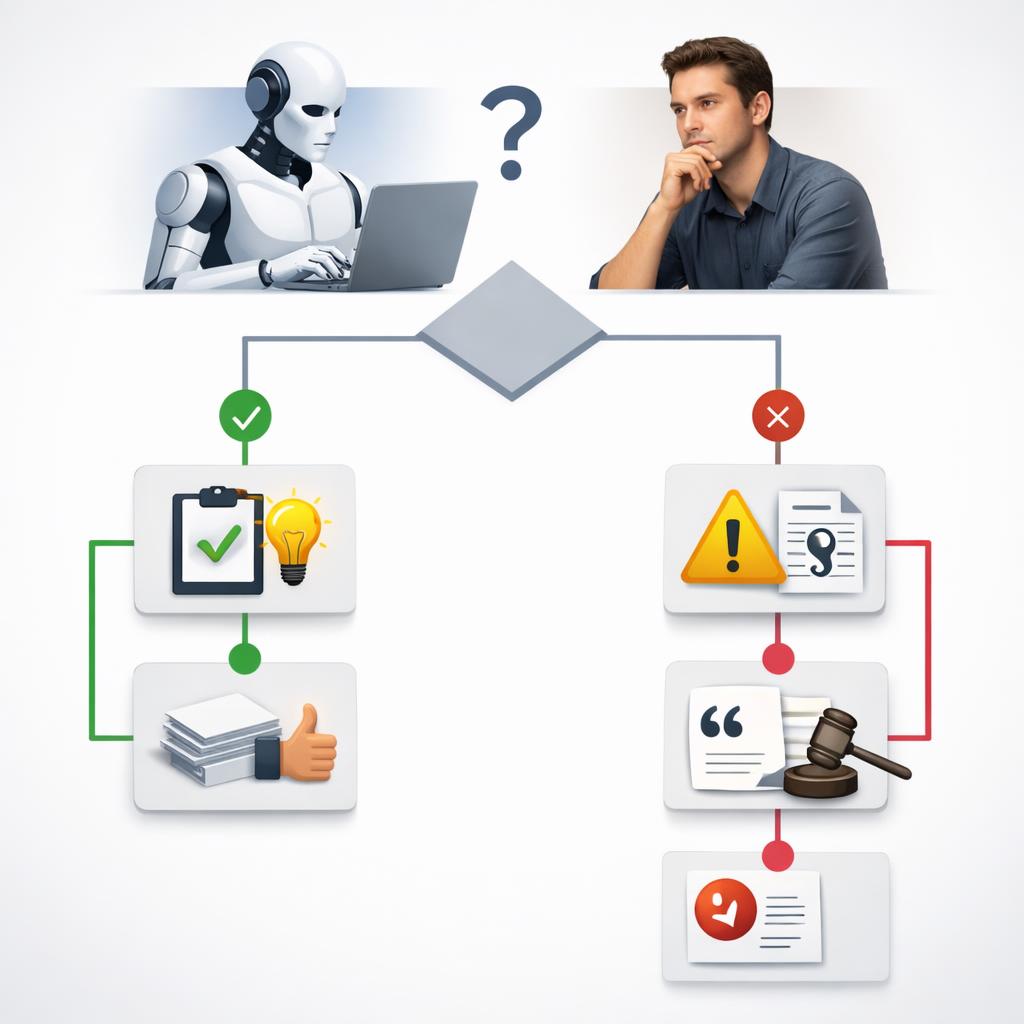
The line between acceptable help and misconduct depends on the setting. In a classroom, a writing tool may be allowed for brainstorming, grammar cleanup, or outlining, but not for drafting full paragraphs or producing a final submission. In research and publishing, the concerns can include undisclosed text generation, inaccurate citations, invented claims, and confusion about who is responsible for the final language. A paper can still be considered plagiarism even if no exact text was copied when the writer presents generated wording as personal scholarly work despite a rule requiring independent authorship or disclosure.
Uncredited drafting, paraphrasing, and idea substitution
Problems usually start when a writer uses generated text to do the intellectual work they were expected to do themselves. Common examples include asking a tool to paraphrase sources so aggressively that the student no longer engages with the material, replacing personal analysis with machine-written interpretation, or stitching together generated summaries without explaining that assistance was used. This is where the distinction between authorship and plagiarism becomes important. Some institutions may call the conduct plagiarism; others may label it unauthorized assistance or misrepresentation. Either way, hidden drafting and idea substitution can lead to penalties because they distort who actually produced the work being assessed.
Research settings create similar risks. If generated passages are inserted into an article, report, or grant application without disclosure, readers may assume the author personally wrote and checked every claim. That becomes more serious when the text includes weak paraphrases, unsupported statements, or fabricated references. Even where policies do not ban all use, they usually still require the named author to take responsibility for accuracy, sourcing, and compliance.
How to use writing tools responsibly and stay within policy
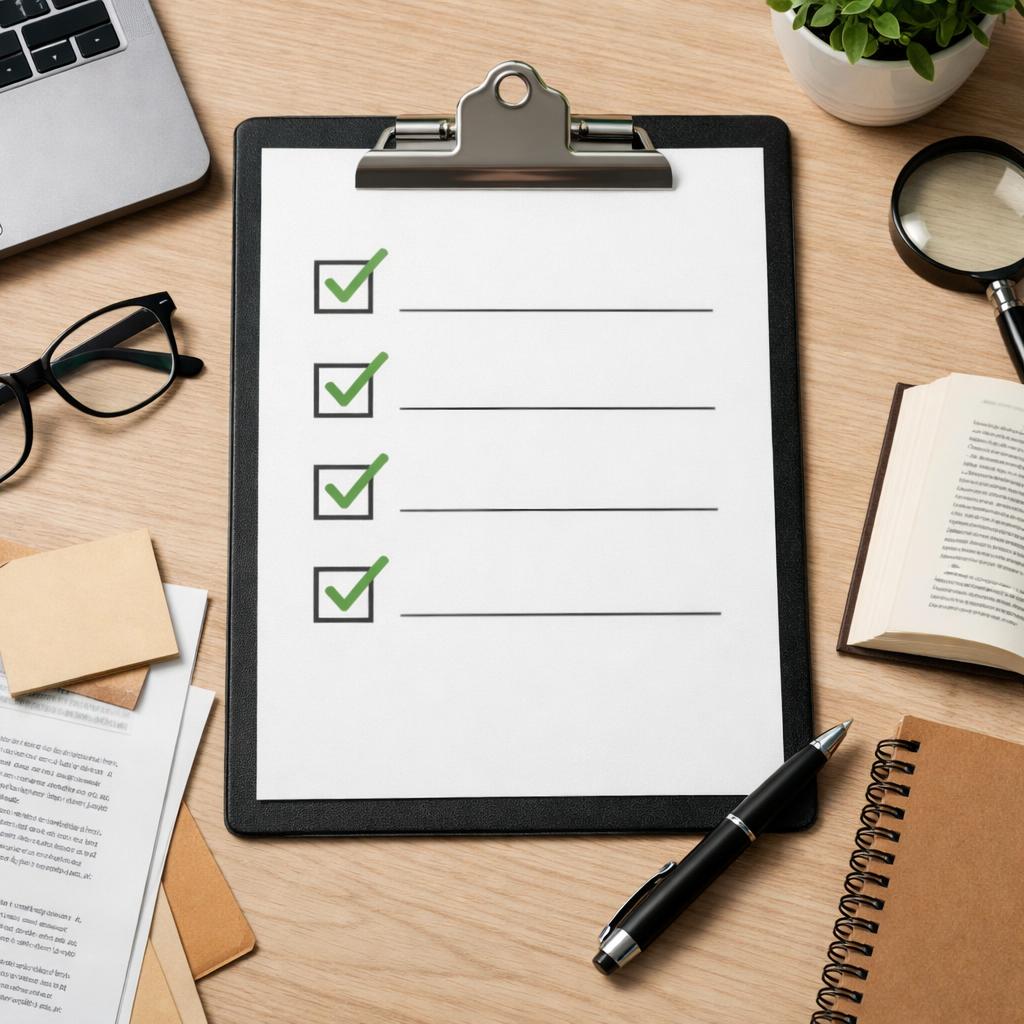
Responsible use starts with the assignment instructions, not with what a tool can produce. Before using generated text, check whether your instructor, department, journal, or institution allows writing assistance at all, and in what form. Some permit brainstorming or editing support but ban sentence-level drafting. Others require a note that explains what kind of help was used. If you are unsure, ask first. That is the safest answer to questions about disclosure, because standards vary widely and local policy controls the outcome.
Check assignment rules, disclose help, and document your process
To stay on solid ground, keep a simple record of your workflow: outline, notes, drafts, source list, and any prompts or generated passages you relied on. If disclosure is required, follow how disclosure rules work in class policies and describe the assistance plainly. You should also verify every citation, quotation, and factual claim yourself. Generated text does not remove your responsibility for accuracy or authorship.
A practical rule is this: use tools to support your process, not to replace your thinking. Brainstorming possible angles, improving clarity, or fixing grammar may be acceptable in some contexts. Handing in a fully drafted argument that you did not meaningfully shape is far riskier. When the final submission no longer reflects your own reading, judgment, and decision-making, originality of wording will not protect you.
If your school or publisher has a formal policy, follow it closely and save evidence that you did. If there is no clear policy, choose the more cautious path and ask for written guidance. That small step can prevent disputes later and shows good-faith effort to comply.
Conclusion
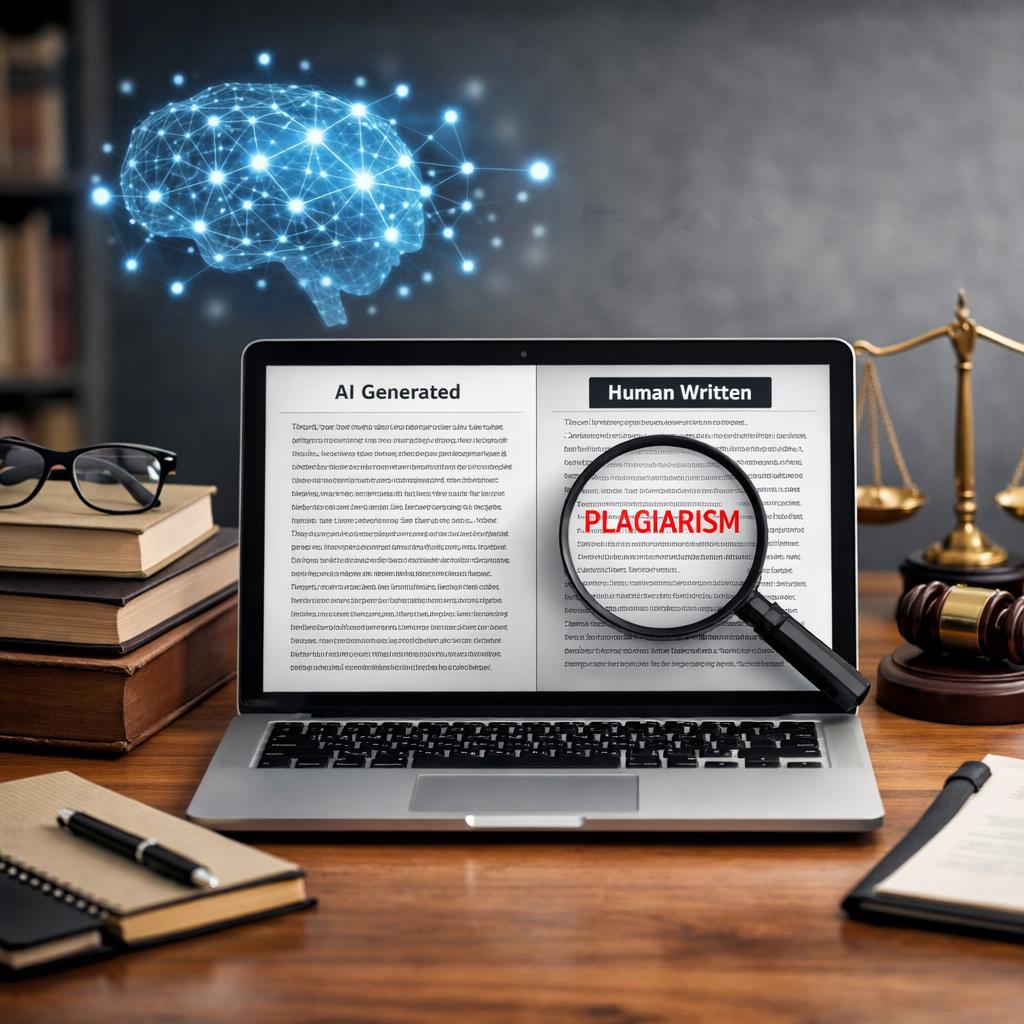
So, can smart generated text be plagiarism without copying? Yes, it can. The central issue is not only whether words were duplicated, but whether the final work honestly reflects the writer’s own authorship and follows the rules of the course, institution, or publisher. In many academic integrity cases, undisclosed generated text becomes a problem because it replaces the student’s or researcher’s thinking, drafting, or synthesis, even when the wording is technically new.
The safest approach is simple: read the assignment carefully, ask questions when instructions are unclear, disclose help when required, and keep records that show your own process. If you remember that originality is only one part of academic integrity, you will be in a much stronger position to use writing tools responsibly. That is the clearest answer to whether generated writing can be misconduct without direct copying: yes, when authorship, transparency, or permitted use is misrepresented.
FAQ
Can a paper be plagiarism if no exact text was copied?
Yes. A paper may still be treated as plagiarism or misconduct if it presents generated writing, borrowed ideas, or outsourced analysis as the student’s own work without required disclosure or permission.
Do schools treat undisclosed generated writing as academic misconduct?
Many do, but the label varies. Some schools call it plagiarism, while others classify it as unauthorized assistance, false authorship, or misrepresentation. The local policy decides the exact category.
Is generated text plagiarism if it is original?
Not automatically. If a policy allows limited assistance and you stay within those rules, original generated wording may be acceptable. If the use is hidden or goes beyond what is permitted, originality alone will not protect you.
What should I do before submitting work that used a writing tool?
Review the assignment rules, verify facts and citations, disclose assistance if required, and keep notes or drafts that show your own contribution. When in doubt, ask your instructor, editor, or institution for guidance.


