
Yes. In many real-world situations, generated text can raise plagiarism concerns even when no sentence is copied word for word. Plagiarism is not limited to exact matches. It can also involve borrowed ideas, patchwriting, weak attribution, or turning in work as fully your own when a school, publisher, or employer expects disclosure. For students, marketers, writers, and teams using writing tools, the issue is not just whether the wording is new. It is whether the work is honest, sourced, and allowed under the rules that apply to you.

If you are asking, can smart generated text be plagiarism without copying, the practical answer is often yes, depending on context and policy. Standards differ by institution, business, publisher, and jurisdiction, so there is no universal rule that covers every case. This guide explains when generated writing may still count as plagiarism, what reviewers usually look for, and how to use assisted drafts responsibly. For related context, see plagiarism vs. copyright.
Why generated text can still be plagiarism without direct copying
Direct copying is only one form of plagiarism. A piece can be questioned even when no exact sentence appears elsewhere if it borrows another source’s argument, structure, or distinctive ideas without credit. It can also be a problem when outside material is rewritten so lightly that the final draft is not meaningfully original. That is why the question is generated text plagiarism if it is original does not have a simple yes-or-no answer. Fresh wording alone does not remove ethical or policy concerns.
Another issue is authorship. In some settings, the expectation is that the thinking, drafting, and final phrasing come from you. If a generated draft supplies the core analysis and you submit it as entirely self-created, reviewers may see that as misrepresentation even if no source text was copied. In other words, when people ask can machine-written content be plagiarism without copying, the answer is yes because the risk may come from unattributed ideas, hidden assistance, or reuse that is too close to source material.
Idea theft, patchwriting, and undisclosed authorship explained
Idea theft happens when the central insight, outline, or argument comes from another source and appears without attribution. Patchwriting means revising borrowed material just enough to look different while keeping the original sequence, logic, or key phrasing too close. Undisclosed authorship becomes an issue when someone presents assisted writing as fully self-written in a context that requires personal authorship or transparency.
These distinctions matter because they show what makes generated writing plagiarism even when a similarity checker shows little overlap. A student might submit a polished essay that does not reflect their own analysis. A marketer might publish copy that mirrors a competitor’s unique angle. A freelancer might deliver text built around outside claims without proper citation. In each case, the concern is not exact duplication alone. It is the gap between where the ideas came from and how the finished work is represented to readers, instructors, or clients.
What schools, publishers, and businesses usually look for
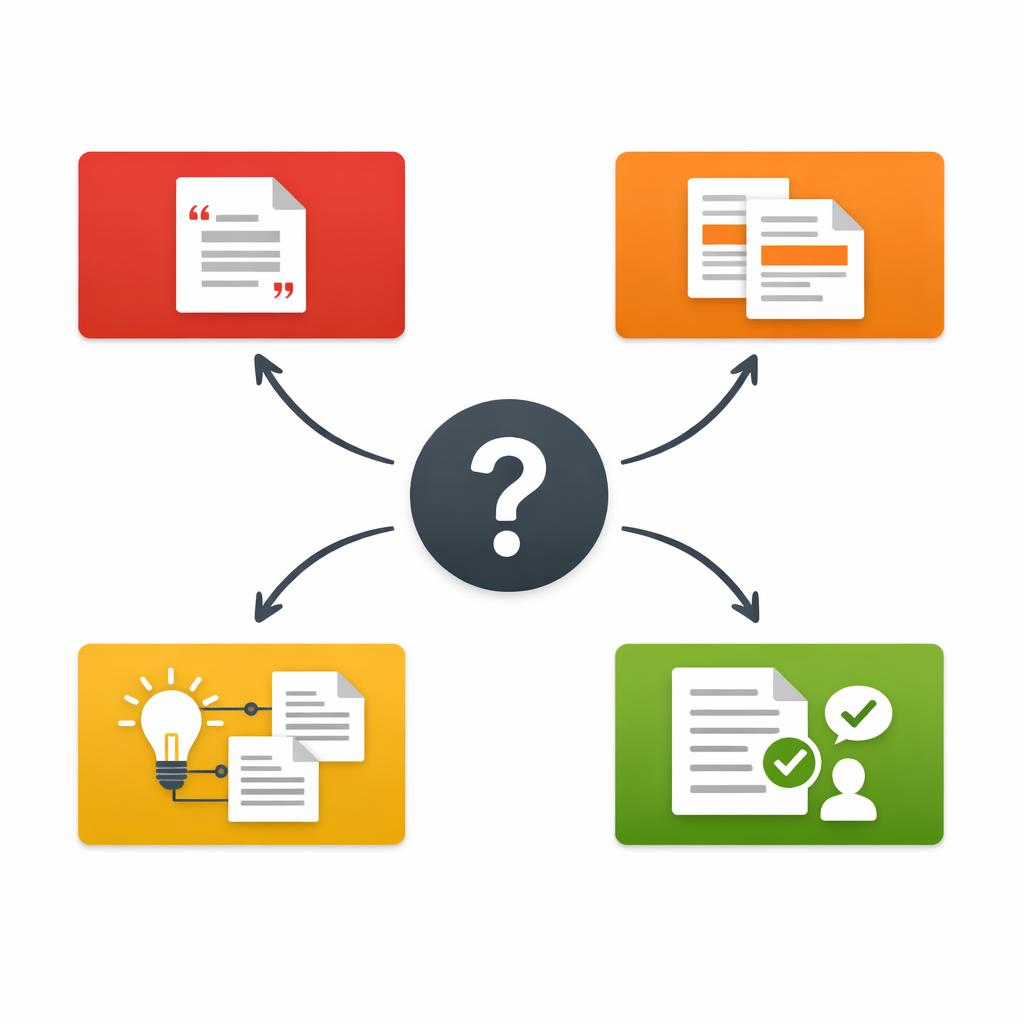
Most reviewers do not rely on one plagiarism score. They usually look at originality, attribution, factual support, and whether the work follows local policy. A school may permit brainstorming help but ban submitting a generated final draft as your own. A publisher may care less about how the first draft started and more about whether the final piece is accurate, distinctive, and properly sourced. A business team may focus on brand risk, confidentiality, and whether the content meets internal standards.
That is why two documents with similar originality reports can be judged very differently. One may be acceptable because it cites sources, reflects clear human editing, and follows the rules. Another may still violate policy because it hides outside assistance or reuses source ideas without credit. Standards vary widely across the US and other markets, so it is smart to check assignment instructions, contracts, editorial guidelines, and workplace policies before you publish or submit anything generated.
How originality, attribution, and policy violations differ
Originality asks whether the wording and structure are meaningfully new. Attribution asks whether borrowed facts, ideas, or quotes are properly credited. Policy violations ask whether using a text-generation tool was allowed in the first place. These categories overlap, but they are not identical. A paragraph can be original in wording yet still fail attribution rules. It can also be properly cited and still break a classroom or workplace rule that requires disclosure or limits assisted writing.
That distinction helps answer the common question, is using generated text in school assignments considered plagiarism. Sometimes the issue is classic plagiarism. Other times it is unauthorized assistance or misleading authorship. For publishers and businesses, the same logic applies. Original wording is not enough on its own. You also need clean sourcing, accurate claims, and a clear understanding of what your institution or client allows. If you publish online, it also helps to review your editorial process alongside related guidance such as how to review generated drafts.

How to use generated drafts without crossing the line
The safest approach is to treat generated text as a rough starting point, not a finished product. Review every claim, remove unsupported statements, check key ideas against trustworthy sources, and add citations where needed. Then rewrite so the final piece reflects your own reasoning, voice, and structure. If your school or employer requires disclosure, follow that rule directly. This is the most practical answer to how to avoid plagiarism with generated drafts: verify, attribute, and transform rather than paste and submit.
A simple workflow can prevent most problems. First, identify any facts, statistics, or arguments that may come from outside sources. Second, confirm those sources actually exist and support the claim. Third, rewrite from your own notes and understanding instead of making small word swaps. Fourth, check the final version against the policy that applies to your class, publication, or workplace. Responsible use depends on judgment, documentation, and transparency.
A simple review process for citation, fact-checking, and rewriting
Before you publish or submit anything machine-written, use this quick checklist:
- Verify every source, quote, date, and statistic.
- Add citations for ideas, evidence, and distinctive concepts that came from elsewhere.
- Rewrite from understanding, not by lightly editing a generated paragraph.
- Remove vague claims you cannot support with a reliable source.
- Confirm the final draft follows your school, client, publisher, or company policy.
This review process lowers the risk of plagiarism concerns and basic quality issues. Even when no sentence is copied exactly, weak editing can leave you with unattributed ideas, factual errors, or a final draft that does not meet authorship expectations. Careful review is what turns a rough generated output into responsible writing.

Conclusion
So, can smart generated text be plagiarism without copying? Yes, it can. Exact duplication is only one warning sign. Problems also come from uncredited ideas, patchwriting, hidden authorship, unsupported claims, and policy violations. That is why generated text should be treated as raw material to review, source, and rewrite, not as a finished draft ready to submit.
For students, educators, marketers, publishers, and business teams, the key is simple: check the rules, verify the facts, credit outside ideas, and make sure the final work genuinely reflects your own judgment. If you follow that process, you greatly reduce the chance that generated writing will become an ethical, academic, or professional problem.
FAQ
Can text be plagiarism if no sentence is copied exactly?
Yes. Plagiarism can involve borrowed ideas, structure, patchwriting, or missing attribution even when the wording is different.
Is generated text plagiarism if it is original?
Not always, but original wording alone does not guarantee safety. You still need proper sourcing, accurate facts, and compliance with the rules that apply to your situation.
Can machine-written content be plagiarism without copying?
Yes. It may be treated as plagiarism or a related policy issue if it presents outside ideas without credit or is submitted as fully self-written when disclosure is required.
How do I avoid plagiarism with generated drafts?
Verify sources, add citations, rewrite in your own voice and structure, and confirm that your school, publisher, client, or employer allows that kind of assistance.


