
Choosing the best smart detector for essays and assignments is not really about finding one tool with a perfect score. It is about finding a reviewer-friendly option that is clear, practical, and fair. Students, teachers, tutors, editors, and school teams usually need fast results and understandable reports, but they also need room for human judgment. A useful detector should highlight unusual writing patterns and originality concerns without pushing people toward rushed conclusions. For a more careful process, see how to review detector results responsibly.

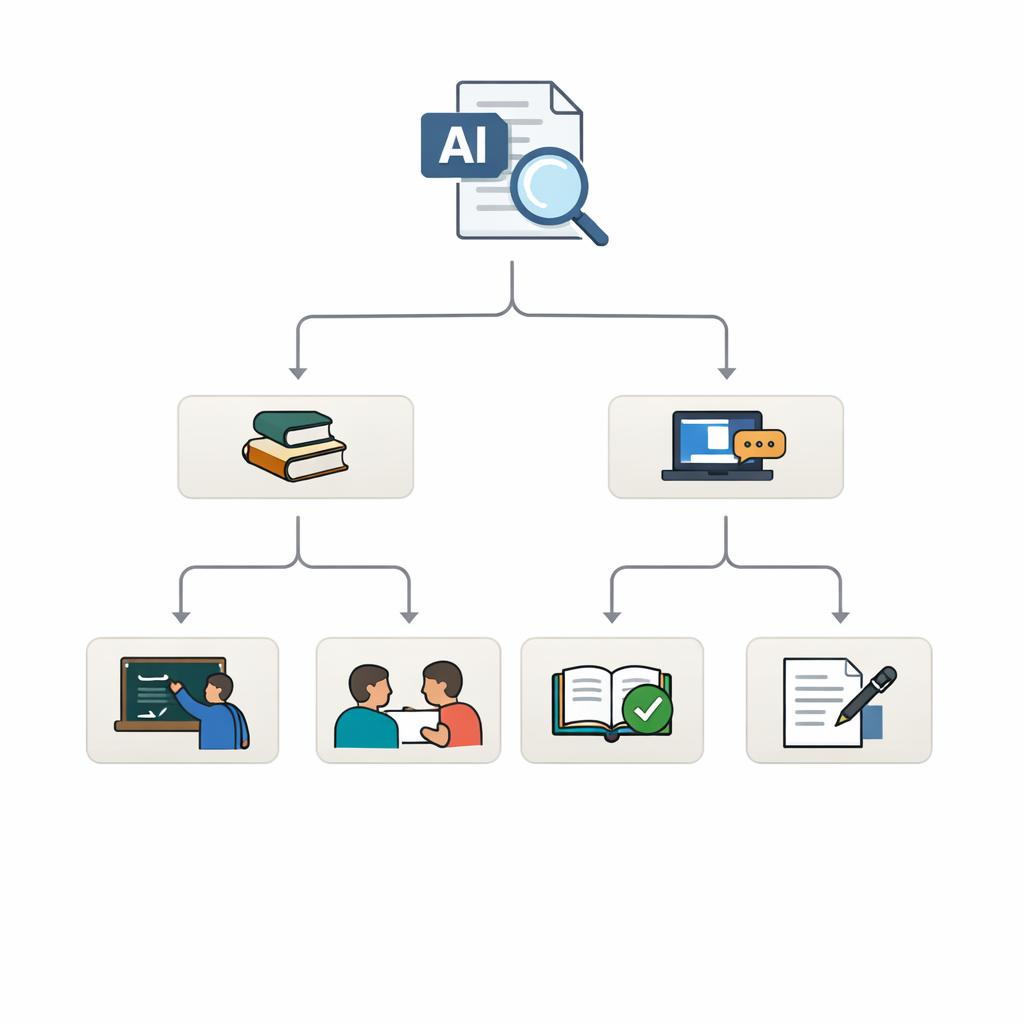
The strongest options are usually compared on a few core points: accuracy, false-positive risk, privacy, reporting clarity, file support, and cost. That applies whether you are looking for the best detector for college essays, the best detector for student assignments, or the best detector for teachers grading essays. Instead of trusting bold marketing claims, look at how well a tool explains its findings, how easily it fits real academic workflows, and whether it supports fair, consistent review.
What to Look for in the Best Detector for Essays and Assignments
The best detector for essays and assignments should help reviewers spot patterns without overstating certainty. In real use, that means checking how consistently a tool performs across different writing styles, assignment lengths, and subjects. A detector that seems reliable on a short reflection may behave very differently on a research paper, personal statement, or heavily revised draft. When people ask how accurate are essay detectors, the better question is often how dependable they are in everyday academic settings.
Accuracy, false positives, and source transparency
Accuracy matters, but false positives matter just as much. A strong detector should not treat polished student writing, multilingual phrasing, or carefully edited work as automatic warning signs. Reports should also explain why text was flagged, point to specific passages, and make it easier to review those passages in context. If a tool gives only a percentage or broad label with little explanation, it is harder to trust in a classroom, tutoring session, or editorial review.
- Look for: clear reporting, passage-level detail, and steady performance across assignment types.
- Be cautious of: tools that sound certain but provide very little evidence.
- Best practice: use results to start a review, not to end one.
How to Compare Tools for Classroom, Tutoring, and Editing Workflows
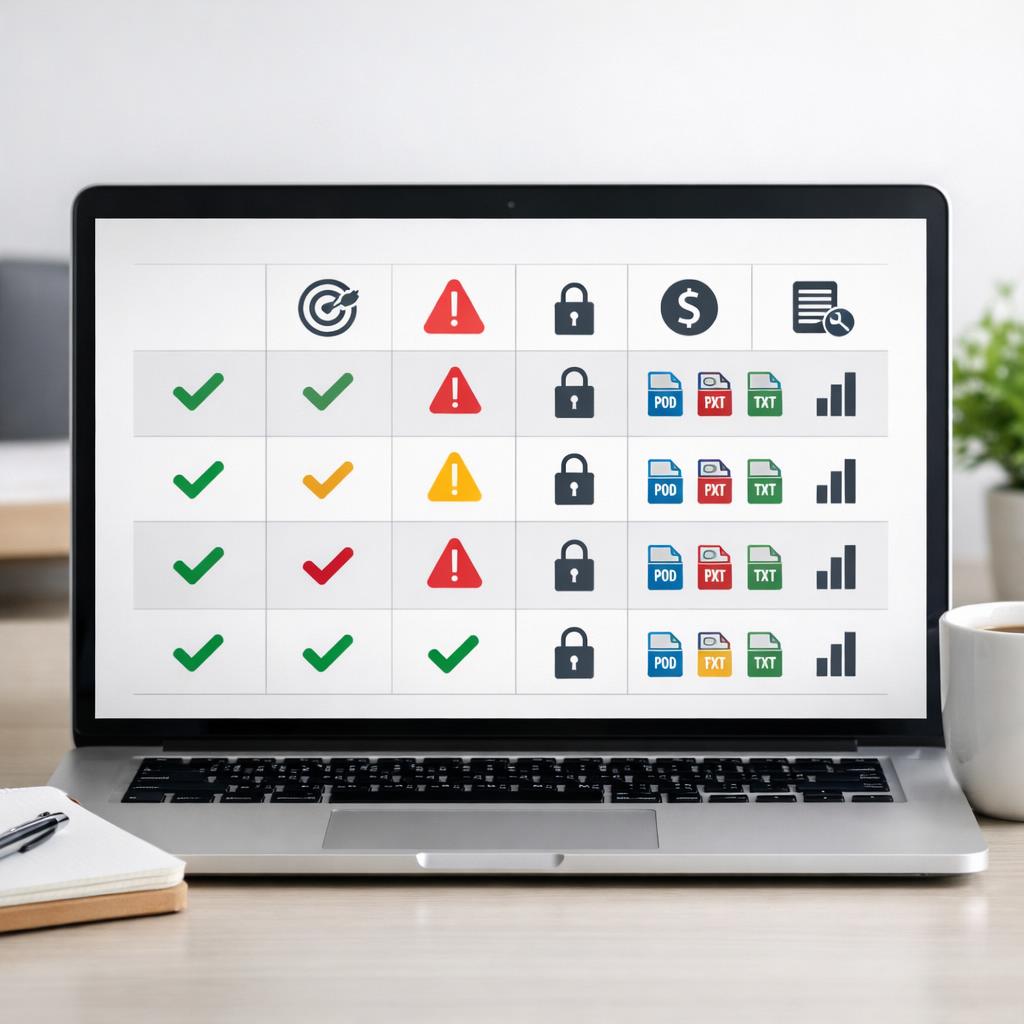
Different users need different strengths. A school team may care most about batch uploads, simple reports, and support for common file types. Tutors often want fast checks, readable summaries, and an easy way to talk through concerns with students. Editors may focus more on detailed reporting and flexibility across early drafts and final submissions. That is why comparison should begin with workflow, not slogans. It also helps to understand the difference between plagiarism tools and detectors before narrowing your options.
Privacy, file support, speed, and pricing
Privacy should be one of the first filters, especially for schools handling student work. Check what is stored, how long files are retained, and whether uploads are used for training or future comparison. File support should match how you actually work, including pasted text, DOCX, PDF, and school-friendly formats when needed. Speed matters when reviewing many submissions, but quick reports are only useful if they are still clear. Pricing also deserves a close look: compare document limits, monthly caps, team access, and whether the tool stays practical as submission volume grows.
- For schools: prioritize privacy terms, account controls, and scalable review features.
- For tutors: focus on speed, readability, and affordable usage.
- For editors: look for nuanced reports and support for multiple draft formats.
Conclusion
The best smart detector for essays and assignments is usually the one that balances dependable reporting with low false-positive risk, practical privacy standards, and a workflow that matches your needs. Whether you are comparing tools for a classroom, tutoring practice, or editorial setting, steady criteria will tell you more than dramatic claims. Look closely at transparency, file support, speed, and the quality of the explanations behind flagged sections.
In the end, the right detector should strengthen human review rather than replace it. The most useful tools help you ask better questions, review passages more carefully, and make fairer decisions. If you choose based on evidence, usability, and context, you will be in a much better position to find a detector that supports responsible originality review over time.
FAQ
What makes a detector good for essays and assignments?
A good detector gives clear reports, works reasonably well across common assignment types, and avoids over-flagging legitimate student writing. It should also show why a passage was marked instead of relying only on a single score or label.
Can detection tools produce false positives on student writing?
Yes. False positives can happen with polished prose, predictable academic structure, multilingual writing, or drafts that have gone through heavy editing. That is why results should always be reviewed alongside the assignment context, revision history, and the writer’s usual style.
Should teachers rely on one score when reviewing an assignment?
No. A single score should never be treated as final proof. Teachers should read the highlighted sections, compare them with the prompt, and use the report as one part of a broader review that includes context and discussion.
What features matter most when comparing detectors for school use?
Schools should focus on privacy terms, support for common file types, speed at scale, reporting clarity, user permissions, and pricing that fits expected submission volume. In most cases, the best choice is the one that can be used consistently, clearly, and responsibly.


