
A multilingual content generation marketing platform helps marketing teams create, adapt, review, and publish campaigns across regions without juggling disconnected tools or messy handoffs. For most leaders, the goal is straightforward: launch faster, protect brand standards, and give local teams a smoother way to deliver relevant campaigns. If your business is expanding content across markets, the right platform should support centralized planning while still giving regional teams room to tailor messaging to local audiences.

That matters because global campaigns often slow down when strategy, copy development, localization, legal review, and publishing all happen in separate systems. A smarter evaluation starts with workflow, governance, and reporting instead of a long feature checklist. Teams that already have a clear multilingual content strategy usually make better decisions because they understand where delays, quality issues, and approval bottlenecks happen in practice.
Why multilingual content platforms matter for modern marketing
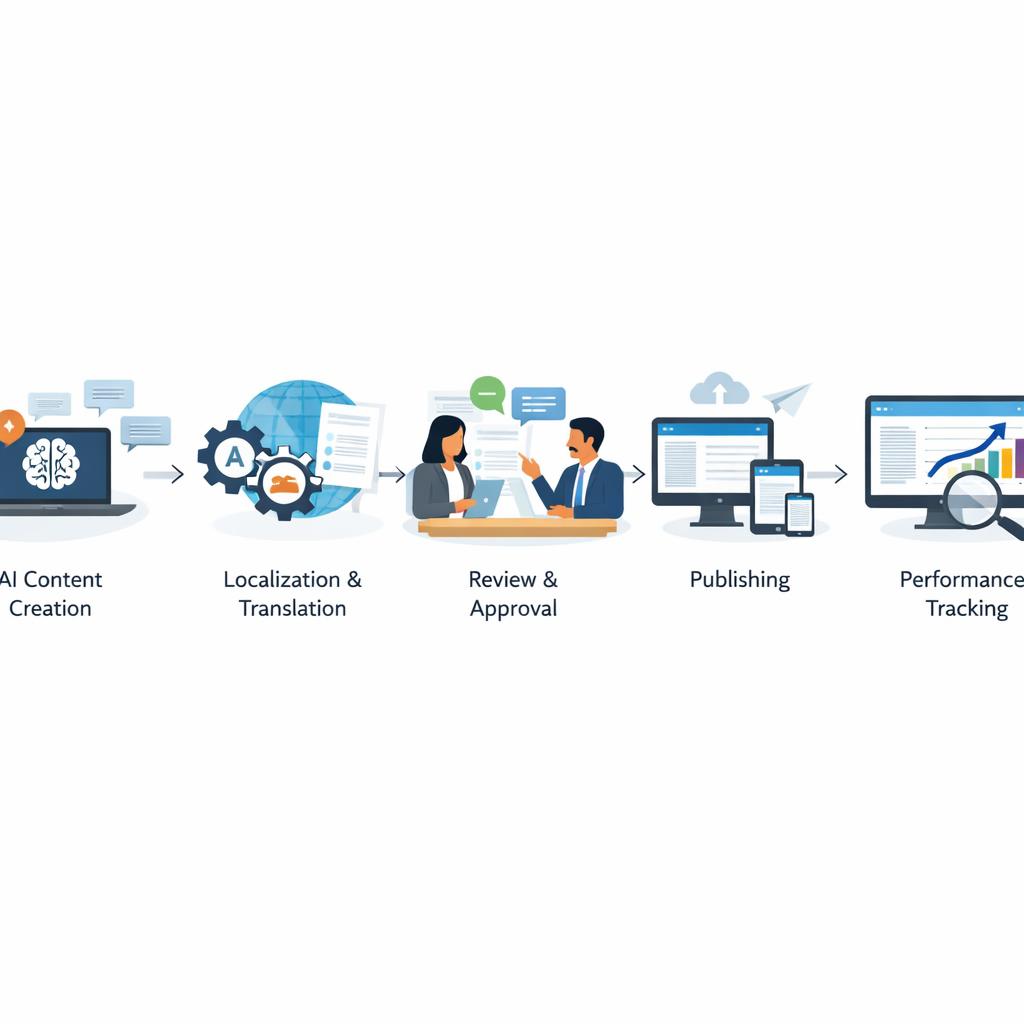
As companies enter more markets, campaign volume grows fast. Teams are no longer managing one landing page or one email sequence. They are coordinating product launches, paid ads, nurture emails, blog posts, sales materials, and regional updates in multiple languages at the same time. A strong platform brings these moving parts into one system so teams can manage content intake, version history, localization progress, and publishing status without losing visibility.
The biggest benefit is usually operational. Instead of rebuilding campaigns market by market, teams can reuse approved source content, route work to the right reviewers, and keep a clear record of edits and approvals. That structure is especially useful when global marketing owns the core message but local teams need flexibility for audience expectations, regulations, and channel preferences. Without that structure, launch dates slip, duplicate work increases, and cross-market reporting becomes hard to trust.
Where teams lose time with manual localization and campaign handoffs
Most delays happen at handoff points. Content may start in a shared doc, move into email threads for review, pass to language vendors in spreadsheets, and come back to marketers for formatting and publishing. Each step creates more chances for outdated copy, unclear ownership, and inconsistent terminology. Teams also spend too much time chasing approvals from legal, product, and regional stakeholders who are all working in different places.
A practical platform reduces that friction with shared dashboards, role-based access, comment history, and structured review stages. Even basic capabilities such as reusable templates, approved messaging guidance, and language-specific status tracking can save meaningful time once campaign volume starts to rise.
Core features that make content creation and localization easier
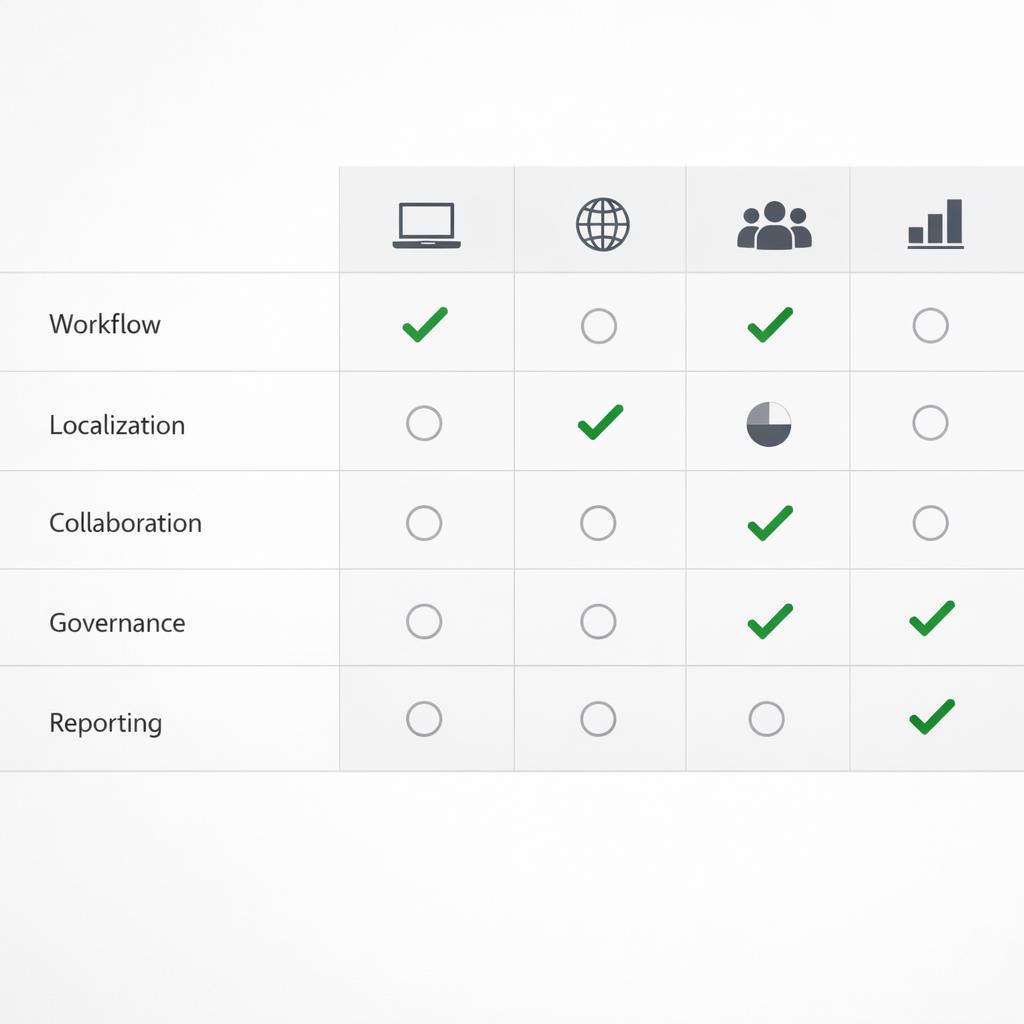
When comparing options, look past language coverage alone and focus on how the platform supports work from planning through publication. Strong systems often include centralized content libraries, reusable campaign templates, terminology controls, approval routing, audit trails, and publishing connections to common marketing tools. If you are researching how to choose a multilingual content generation marketing platform, these capabilities matter because they affect quality, speed, and consistency every day.
It also helps to separate creation features from management features. Drafting and adaptation tools may help teams move faster, but permissions, governance, and reporting are what make the process sustainable. If your organization wants a platform that can support multilingual campaign content at scale, prioritize one that balances speed with structure rather than excelling in only one area.
Workflow, brand consistency, and collaboration features to prioritize
Brand consistency across markets depends on having a clear framework. Look for shared style guidance, approved terminology, content reuse controls, and review paths that can be set by team or region. Collaboration tools should make it easy for global marketing, local marketers, compliance reviewers, and outside language partners to work in one environment. It is also worth reviewing content workflow best practices so your shortlist reflects real publishing needs rather than an ideal process on paper.
- Workflow: configurable stages, deadlines, alerts, and approval routing
- Consistency: templates, glossary support, reusable messaging, and version control
- Collaboration: comments, assignments, roles, and regional review access
- Governance: permissions, audit history, and market-specific controls
- Reporting: status visibility, throughput tracking, and cross-market performance views
Conclusion
Choosing an smart multilingual content generation marketing platform is really about choosing a better operating model for global marketing. The right platform helps teams reduce handoff delays, maintain brand consistency, and manage localized campaigns with more visibility from first draft to final reporting. In most cases, workflow, governance, collaboration, and reporting deserve more attention than surface-level features in a polished demo.
If you are comparing vendors now, start with a pilot that reflects your real approval process, regional needs, and publishing workflow. Include a few markets, a real campaign type, and the stakeholders who normally slow work down. That will reveal platform fit far more clearly than a standard demo. A well-matched smart multilingual content generation marketing platform should help both global and local teams move faster together while keeping oversight, quality, and market relevance intact.

FAQ
What features matter most in a multilingual content generation marketing platform?
The most important features are usually workflow management, approval routing, brand controls, collaboration tools, version history, and reporting. Language support still matters, but operational features often determine whether teams can scale localized campaigns efficiently. Look for a platform that connects creation, review, publishing, and measurement in one process rather than forcing teams to patch several tools together.
How can a multilingual content platform support brand consistency across markets?
It supports consistency by giving teams shared templates, approved terminology, reusable messaging, role-based reviews, and a clear audit trail. These controls help central teams protect brand standards while still allowing local teams to adapt content for audience needs, regulations, and channel differences. The strongest platforms create a balance between global guidance and regional flexibility instead of forcing every market into the same execution model.