

Choosing the right smart tools for affiliate marketing can save hours each week, improve content quality, and make it easier to see what actually drives commissions. Most marketers are not searching for one platform that does everything. They need a practical stack for research, writing, search optimization, email, scheduling, and reporting that fits their budget and daily workflow.

This guide breaks down the main tool categories worth considering, explains how to narrow your options, and highlights what matters before you pay for another subscription. If you are comparing the best tools for affiliate marketing beginners or upgrading an existing setup, start with your biggest need. If ranking articles is the priority, begin with keyword discovery and content workflows, then add tracking and promotion. You can also pair this article with a keyword research guide for a clearer way to evaluate search intent and topic opportunities.
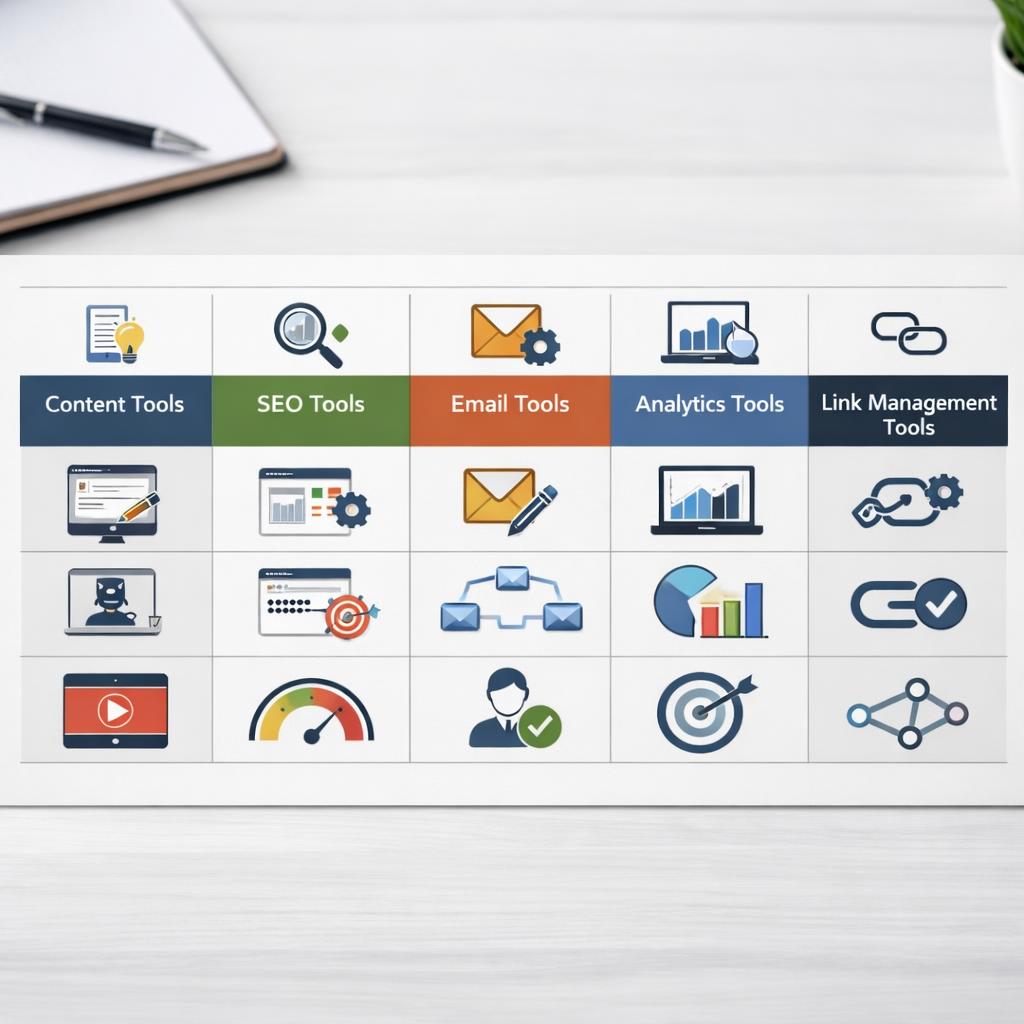
Image brief: Create a comparison table graphic showing tool categories such as content, SEO, email, analytics, and link management with example use cases; place near the start of the article after the introduction.
What to Look for in Tools for Affiliate Marketing
The best tools for affiliate marketing help you move faster without creating extra cleanup work. Look for platforms that improve repeatable tasks like outlining articles, organizing topic clusters, drafting emails, updating product roundups, and summarizing campaign data. Good tools should also support collaboration, version history, and easy exporting into your CMS or editorial workflow. If a tool saves time but produces generic copy, messy formatting, or weak fact checking, its value drops fast.
Prioritize clear templates, strong editing controls, research support, and integrations with your content and analytics stack. Affiliate marketers usually get the most value from tools for affiliate marketing content creation that help with article briefs, meta descriptions, comparison tables, and refresh workflows. Also check pricing tiers, usage caps, and team seats before committing. Features and pricing can change, so confirm compatibility with your CMS, email platform, and affiliate network before building your process around one provider.
Features That Save Time Without Hurting Quality
The biggest time-savers are the ones that still leave you in control. Useful tools should help you speed up first drafts, summarize product details, spot missing subtopics, and organize updates for old pages. They should also make it easier to add internal links, tighten headlines, and keep brand voice consistent. A good shortcut should reduce repetitive work, not lower trust with readers.
Best Tool Categories for Content, SEO, and Promotion
Most affiliate sites need a few dependable categories, not a bloated software stack. Start with content writing tools for outlines, rewrites, and first drafts; keyword platforms for topic selection and SERP analysis; and on-page SEO checkers for headings, internal links, and content gaps. These are the core affiliate marketing tools for SEO and keyword research because they shape what you publish and how well those pages can compete. When comparing options, focus on workflow speed, output quality, and whether the data helps you make decisions instead of just filling dashboards.
Next, add email and promotion tools that support newsletters, lead magnets, and follow-up sequences. Social scheduling platforms can help you repurpose product reviews, tutorials, and seasonal buying guides without posting manually every day. Analytics and link management tools then show which pages earn clicks, which links get attention, and where conversions are trending. As you build your process, it helps to use a content optimization checklist so articles are not just published quickly but structured for rankings and affiliate clicks.
Email, Social Scheduling, and Performance Tracking
Email tools matter because affiliate traffic is rarely steady month to month. A simple platform can capture subscribers from review posts, send digest campaigns, and promote updated offers without relying only on search traffic. Social scheduling tools are useful if you regularly publish comparison posts, deals, and educational content across multiple channels. The goal is consistent promotion, not constant posting.
Performance tracking is where many marketers underinvest. Monitor rankings, clicks, pages per session, outbound link engagement, and the impact of content refreshes. If you are unsure what to measure, connect this step to a conversion tracking guide so you can tie updates to revenue signals rather than vanity metrics. Better tracking helps you drop weak tools faster and invest more in workflows that actually produce results.
How to Build a Simple Stack That Fits Your Budget
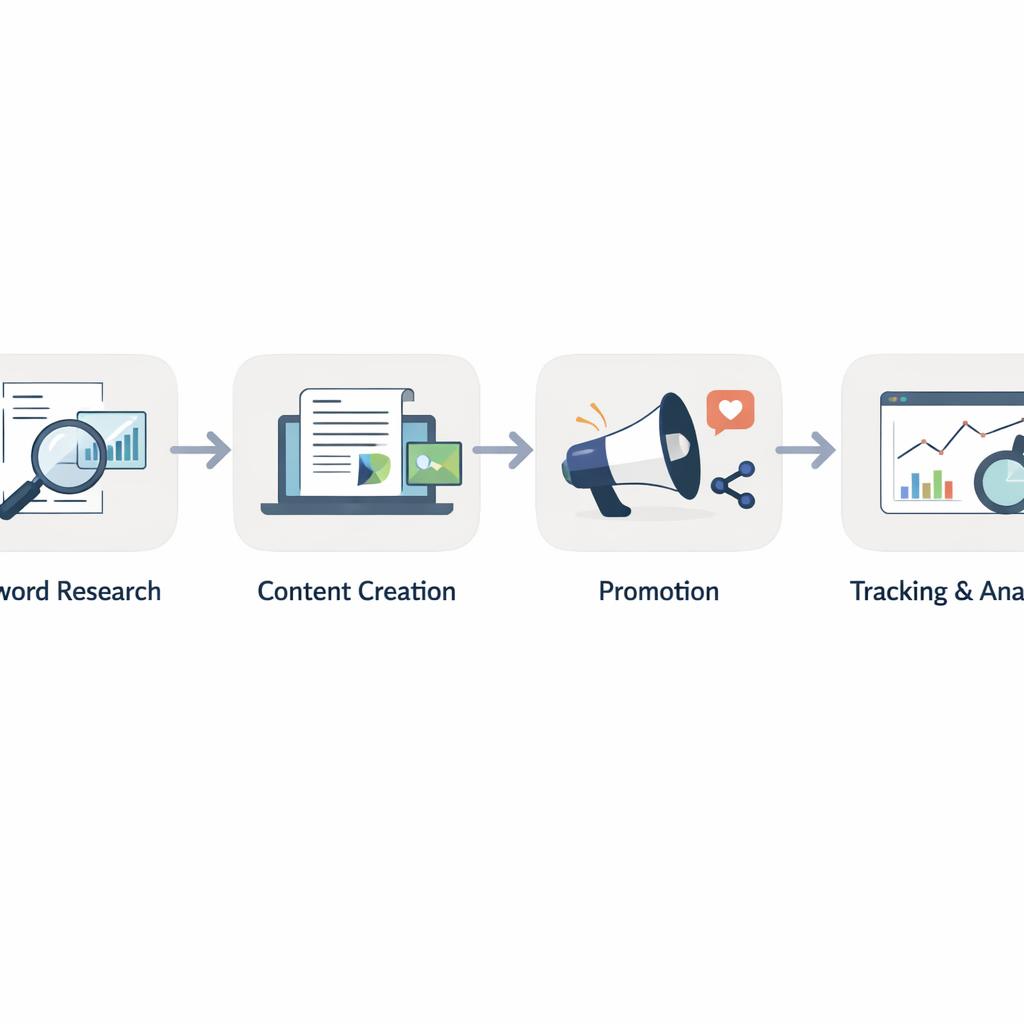
If you are wondering how to choose affiliate marketing tools on a budget, begin with one tool for research, one for writing and editing, one for on-page optimization, and one for analytics. That is enough to publish helpful content, improve discoverability, and measure outcomes. Beginners often overspend on advanced suites before they have enough traffic or content volume to justify the cost. In most cases, a lean setup works better than a fragmented stack with overlapping features and multiple subscriptions.
As your site grows, add specialized tools only when they solve a clear bottleneck, such as updating dozens of review pages, managing links at scale, or segmenting email campaigns. Compare monthly cost against time saved and revenue potential, not just feature lists. This is often the most practical path for anyone researching the best tools for affiliate marketing beginners. Image brief: Design a simple workflow diagram that shows how an affiliate marketer moves from keyword research to content creation, promotion, and tracking; place in the section about building a simple stack.

Conclusion
The most effective smart tools for affiliate marketing are the ones that support a clear publishing and promotion system, not the ones with the longest feature list. For most affiliate marketers, the right stack includes keyword research, content support, on-page SEO, email, and reporting. Start small, validate your workflow, and expand only when a new tool removes a real bottleneck.
If you stay focused on content quality, search intent, and performance tracking, your stack becomes easier to manage and more profitable over time. Keep testing, keep documentation simple, and review subscriptions regularly. That approach helps you get more value from your tools while staying flexible as platforms, integrations, and pricing change.
FAQ
Which tools for affiliate marketing are best for beginners?
Beginners usually need a small stack: a keyword research tool, a writing and editing tool, a basic on-page SEO checker, and an analytics platform. This covers topic selection, content production, optimization, and measurement without adding too much complexity. The right choice depends on your budget, publishing frequency, and whether your main traffic source is search, email, or social.
How many tools do you really need to start affiliate marketing?
You can start with three to four tools if each one serves a distinct role. One for research, one for creating content, one for optimization, and one for tracking results is often enough. Add more only when your workflow becomes too manual or when you can clearly connect a new subscription to better rankings, more clicks, or stronger conversion data.